
10 Cute Facts about the Hedgehog


Hedgehogs are fascinating creatures with plenty of quirks that make them perfect pets for many animal lovers.
From their self-anointing rituals to their nocturnal adventures, there’s more to these small, spiny animals than meets the eye.
In this post, we’ll cover 10 fun facts about hedgehogs, along with some essential care tips to keep them healthy and happy as pets.
10 Fun and Fascinating Facts About Hedgehogs
Here are 10 adorable facts about hedgehogs that will make you fall in love with these charming little creatures, along with some essential care tips to help your pet thrive.
1. The Pet Species You’ll Meet: African Pygmy Hedgehog
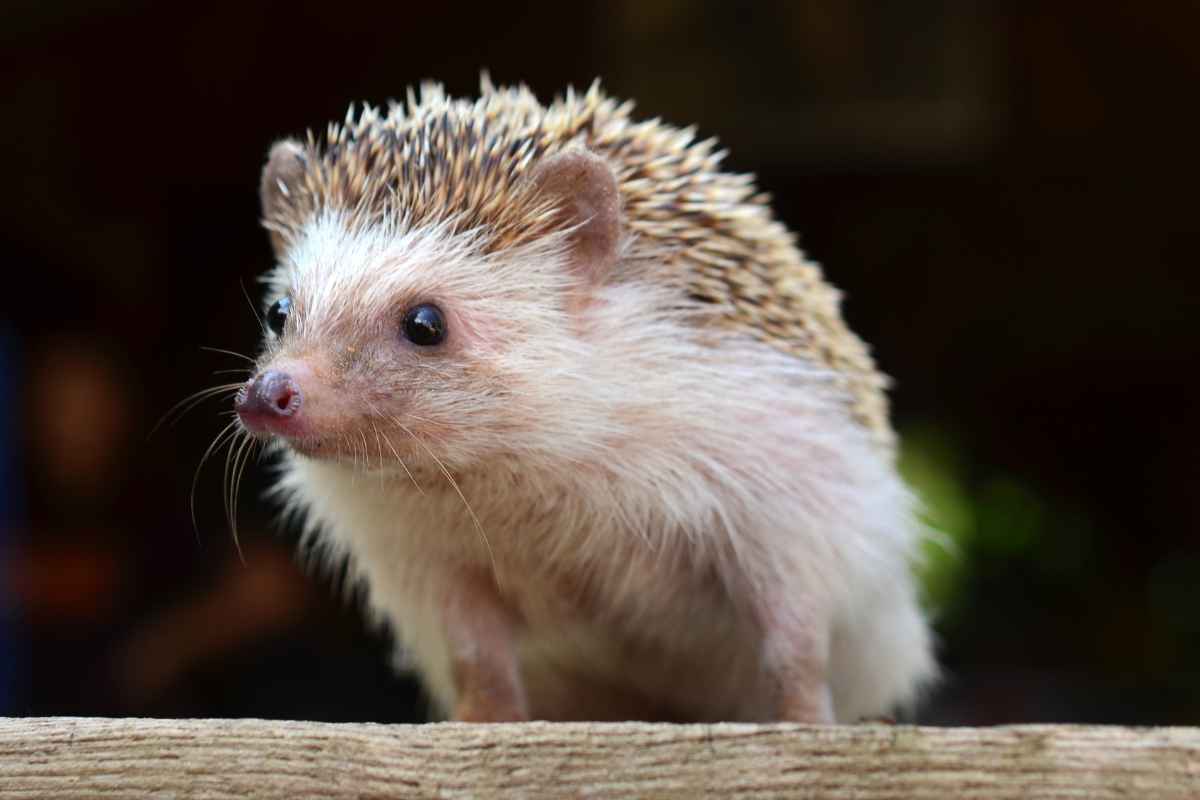
The African pygmy hedgehog (Atelerix albiventris) is the most common species kept as a pet.
Unlike the European hedgehog, which lives in the wild, the African pygmy is smaller, friendlier, and better suited for life indoors.
They have a distinct white-bellied underside, and their spines are softer compared to wild species, making them more comfortable to handle.
2. Night Explorers: How Far They Roam
In the wild, hedgehogs can travel up to two miles a night, foraging for food.
While your pet hedgehog won’t need that much space, they do enjoy roaming and exploring.
It’s important to provide them with plenty of enrichment activities like tunnels, wheels, and safe spaces to ensure they stay mentally and physically stimulated.
3. Self-Anointing: A Quirky and Cute Ritual
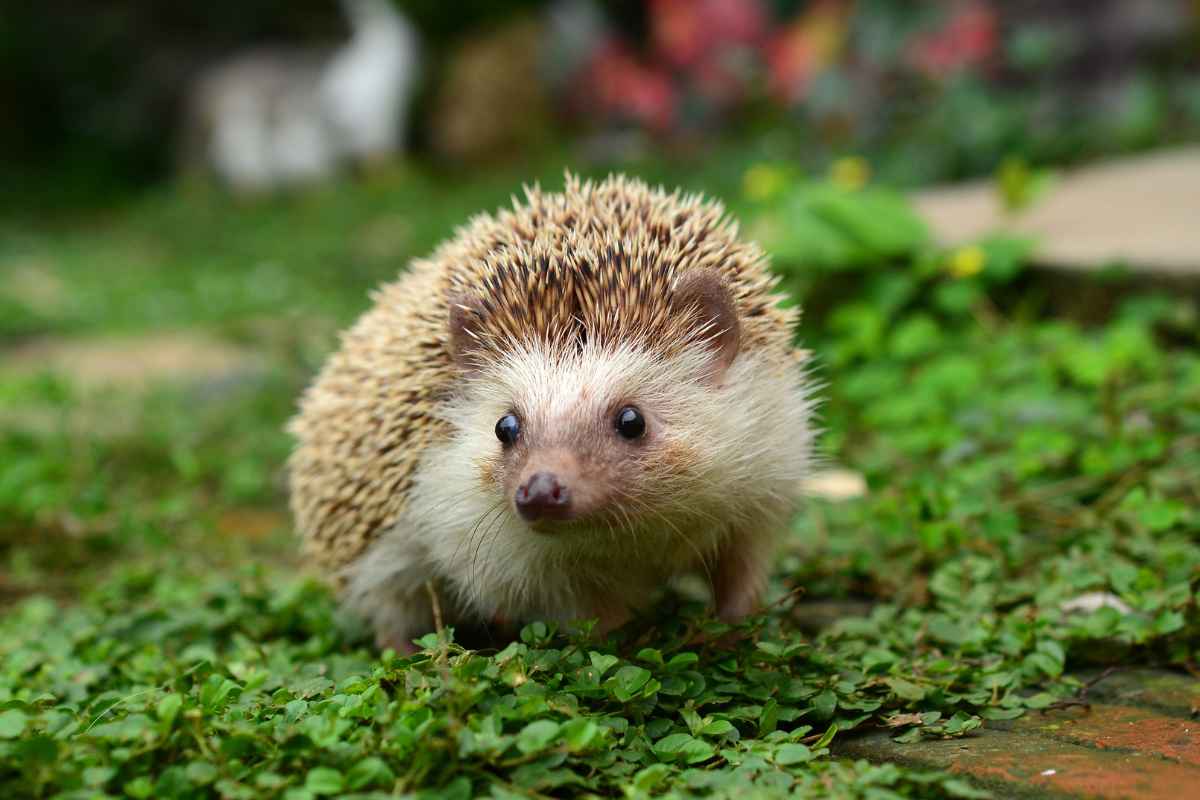
One of the most fascinating behaviors of hedgehogs is self-anointing. When they encounter a new or unfamiliar smell, they lick the substance and then rub it on their spines, creating a foamy layer.
This behavior is thought to help mask their scent in the wild or protect them from predators, but it also serves as an adorable and unique sight for pet owners.
4. Not Like Porcupines: Spines Are Not For Defense
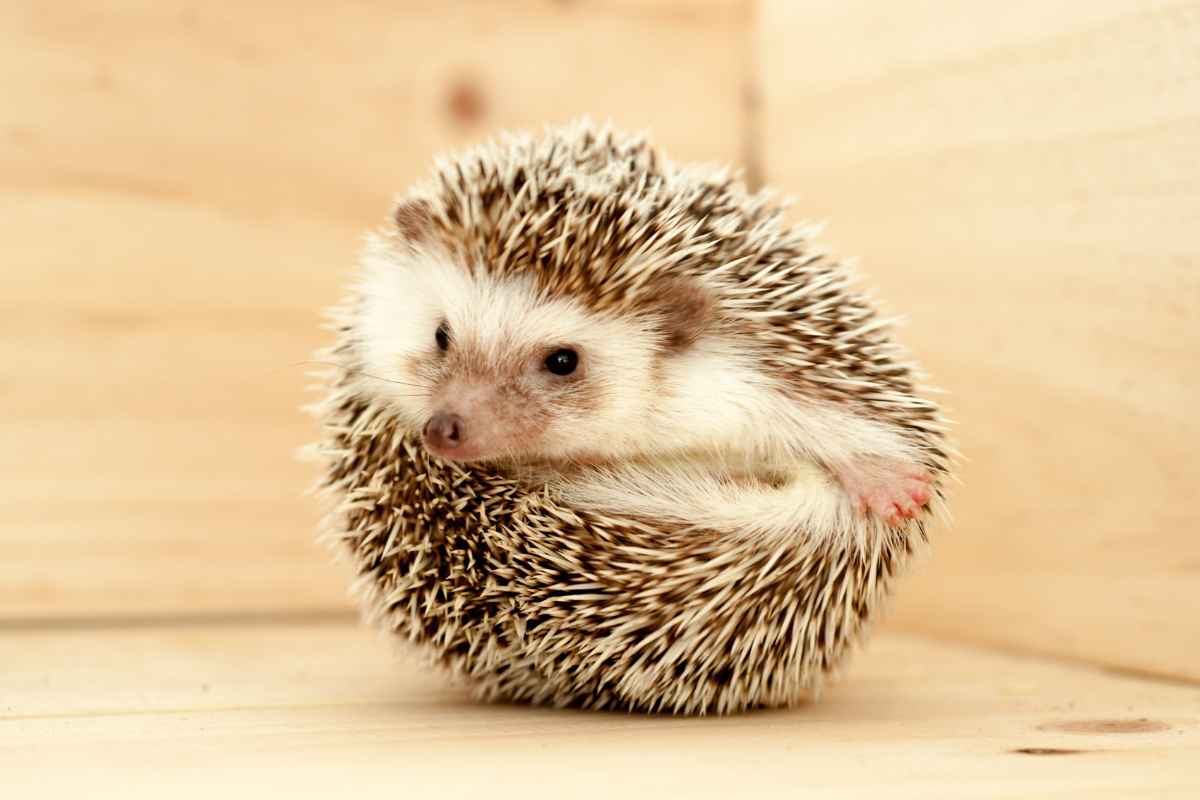
Many people mistakenly believe that hedgehog spines work like porcupine quills, but that's not the case. Hedgehogs curl up into a ball when threatened, causing their sharp spines to stick out.
However, they do not shoot their spines as porcupines do. It’s important to handle your hedgehog gently to avoid poking yourself, as their spines can still cause discomfort.
5. They Love Running: The Perfect Wheel for Exercise
As nocturnal creatures, hedgehogs are most active at night. One essential piece of equipment for a happy hedgehog is a solid exercise wheel.
Choose a 12-inch (30 cm) wheel with a smooth surface to ensure your hedgehog’s comfort and safety. Regular exercise will keep them healthy and prevent them from becoming overweight.
6. Snack Time: What They Eat
Hedgehogs are omnivores, and their diet consists mainly of insects, small animals, and some plant matter. When kept as pets, they thrive on hedgehog food specially formulated for them.
Supplement their diet with mealworms, crickets, or earthworms to keep them healthy and happy. Avoid feeding them cat food, as it’s often too high in protein for their needs.
7. They Can Live Up to 6 Years
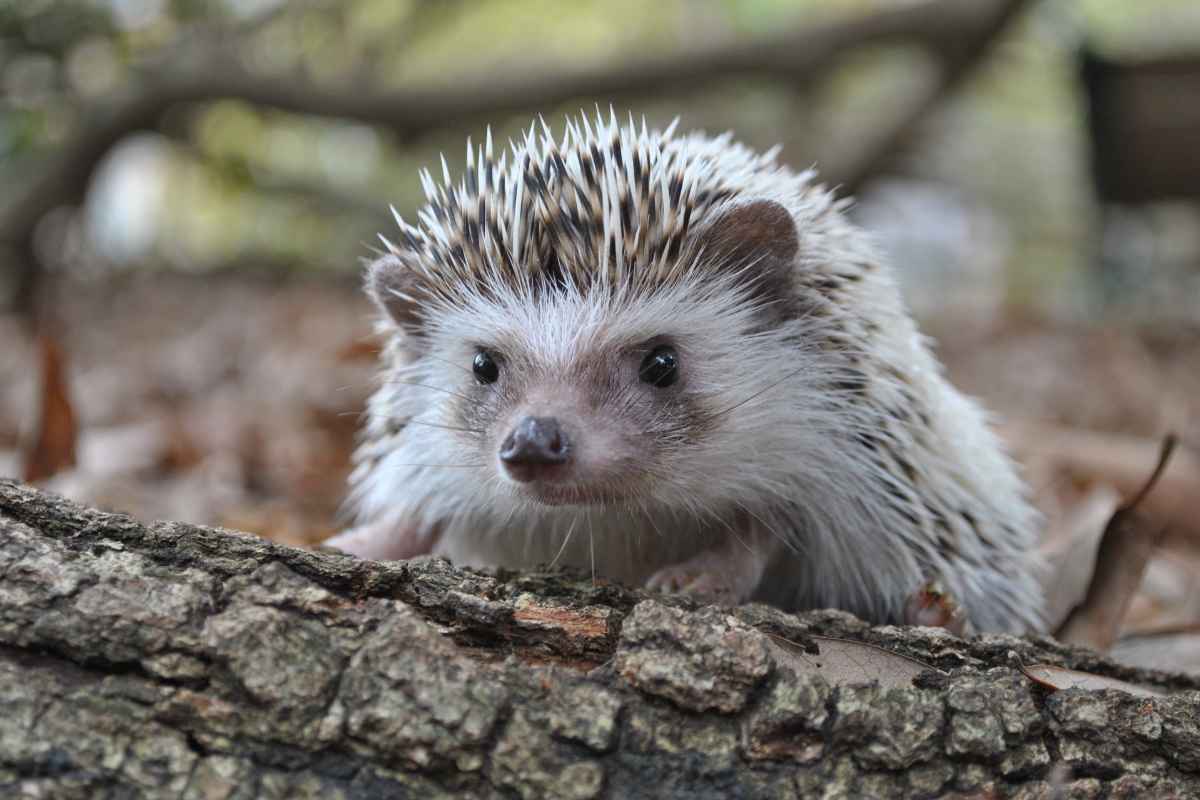
On average, hedgehogs live around 3 to 6 years in captivity, but with proper care, some can live even longer.
Providing them with a balanced diet, ample exercise, and a safe, warm environment will help them live their best life.
8. They Have Poor Eyesight, But Great Hearing and Smell
Hedgehogs have relatively poor vision, which is why they rely on their keen sense of smell and hearing to navigate the world around them.
They are especially good at detecting food and avoiding predators, using their highly sensitive nose to track scents.
9. They Enjoy Bathing… Sort of

Unlike many pets, hedgehogs like to bathe themselves by rolling in dust or dirt to clean their spines. However, they will occasionally need a gentle bath with water if they get too dirty.
Always use lukewarm water and ensure they are fully dry afterward to prevent them from becoming chilled.
10. Hedgehogs Are Solitary Animals
While hedgehogs are friendly and curious, they are solitary creatures by nature. They prefer to live alone, and introducing two hedgehogs into the same enclosure can lead to aggression.
It’s best to provide your pet with plenty of space and privacy to ensure they feel safe and secure.
Quick Care Snapshot
Hedgehogs are relatively low-maintenance pets but require specific care to thrive. Here’s a quick rundown of their care needs:
Temperature: Keep your hedgehog in a room that is between 75–80°F (24–29°C) to ensure they stay comfortable and avoid hibernation.
Light: Hedgehogs require a 12-hour light/dark cycle to help regulate their sleep.
Humidity: Maintain low humidity in their environment, ideally below 40%, to prevent breathing issues.
Enrichment: Provide a solid exercise wheel, tunnels, hiding spots, and occasional treats to keep them engaged.
Before You Adopt: Laws & Responsible Ownership
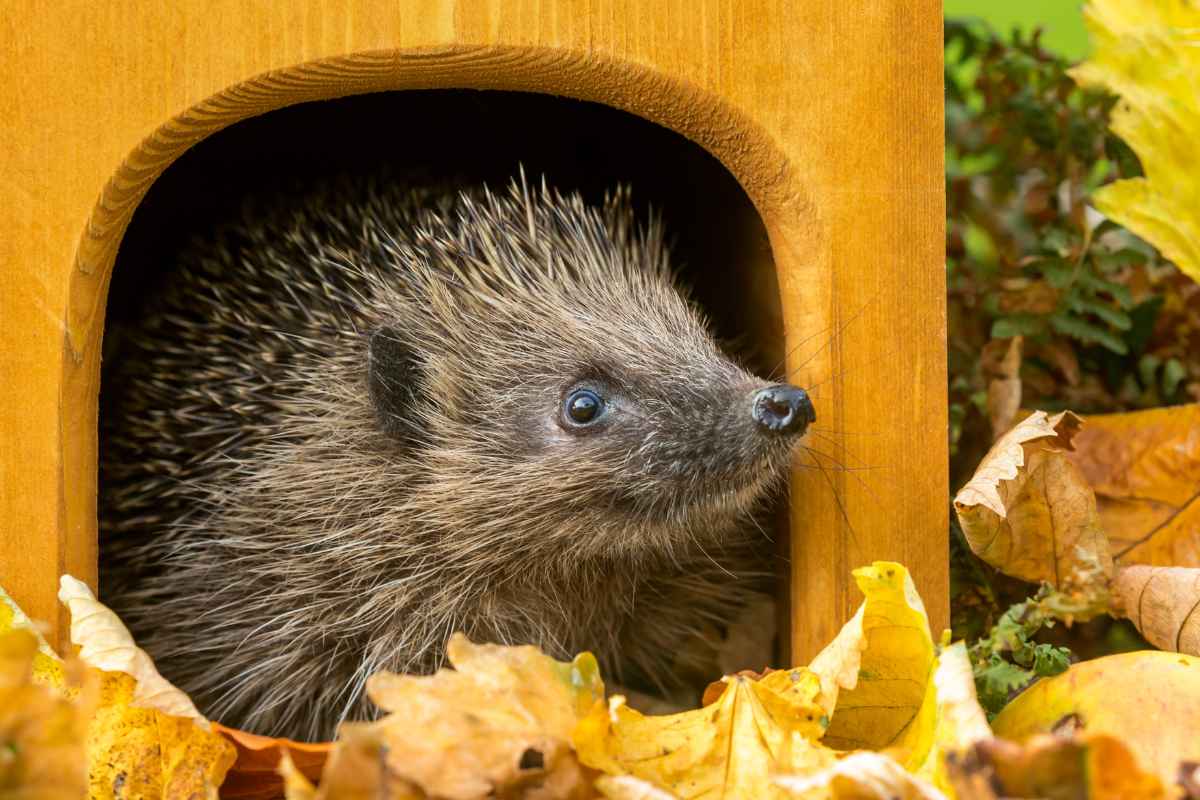
Before adopting a hedgehog, make sure to check your local laws. Some states and cities, including California, Hawaii, and New York City, do not allow hedgehogs as pets.
Always verify the regulations in your area before bringing a hedgehog into your home.
Video: What You’ll Learn
In this video, you’ll discover how to set up the perfect habitat for your hedgehog, what to feed them, and tips on handling and care that will help them live a long, healthy life.
Don’t miss out on these essential tips!

Source: Learn about Animals
FAQ
Are hedgehog spines dangerous?
Hedgehogs’ spines are sharp, but they don’t shed them like porcupines. They are primarily used as a defense mechanism when the animal curls up.What temperature do pet hedgehogs need?
Hedgehogs need a warm environment with temperatures between 75-80°F (24-29°C) to stay healthy and avoid hibernation.Do hedgehogs carry Salmonella?
Hedgehogs can carry Salmonella, so it's important to wash your hands thoroughly after handling them, especially if they’ve been in contact with food or bedding.
Did you find this post useful or inspiring? Save THIS PIN to your Pets Board on Pinterest!

You may also like