
10 Hidden Dangers in Your Home That Could Harm or Kill Your Pet Bird


As pet owners, we all want to provide a safe and nurturing environment for our feathered companions. However, many everyday household items can be surprisingly harmful or even deadly to pet birds.
These dangers are often hidden in plain sight, and they may not be immediately obvious. In this article, we'll explore 10 common household hazards that could jeopardize the health and well-being of your pet bird, and how to protect them from these risks.
1. Toxic Household Plants
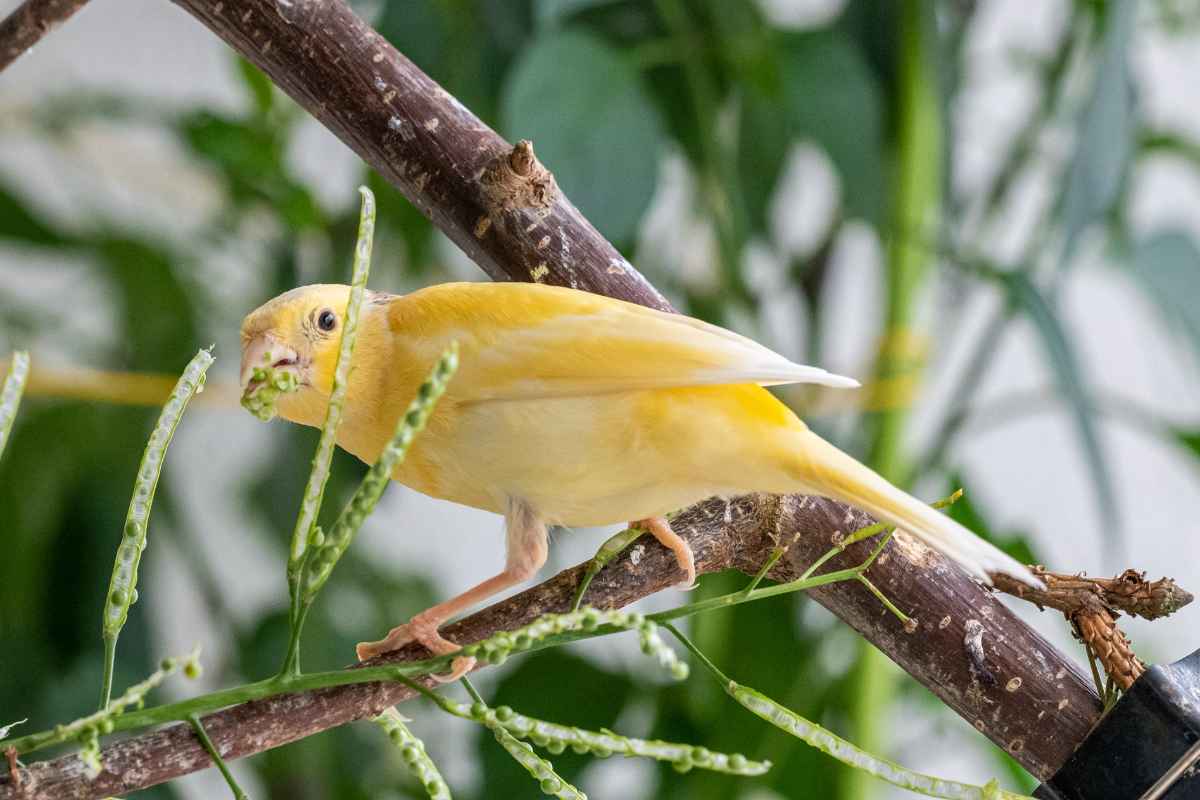
Many popular indoor plants are highly toxic to birds, and ingesting even small amounts can lead to serious health issues. Some of the most dangerous plants include:
Aloe Vera: Known for its healing properties, aloe vera can cause vomiting, diarrhea, and even death in birds.
Azaleas: These beautiful flowers can cause cardiovascular collapse in birds if consumed.
Oleander: A highly toxic plant that can cause cardiac arrest in birds.
How to Protect Your Bird: Always research the plants in your home and ensure they are safe for your feathered friend. If in doubt, keep plants out of reach or consider using bird-safe alternatives.
2. Non-Stick Cookware (Teflon)
Non-stick cookware, such as Teflon-coated pans, can release toxic fumes when overheated. These fumes can cause "Teflon toxicosis," a condition that leads to difficulty breathing, seizures, and even death in birds.
How to Protect Your Bird: Avoid using non-stick pans or ensure they are never overheated. Use stainless steel, cast iron, or ceramic cookware instead, which is safer for both you and your bird.
3. Air Fresheners and Scented Candles

While air fresheners and scented candles can make your home smell wonderful, they often contain chemicals like phthalates and volatile organic compounds (VOCs), which can be harmful to birds.
These chemicals can irritate their respiratory system, leading to coughing, wheezing, and long-term lung damage.
How to Protect Your Bird: Choose natural, bird-safe air fresheners like essential oils (be cautious of certain oils), or rely on air purifiers to keep your home fresh. Avoid burning scented candles around your bird.
4. Cleaning Products and Chemicals
Household cleaning products, such as bleach, ammonia, and disinfectants, can be extremely dangerous to birds if inhaled or ingested.
These chemicals can cause respiratory distress, skin irritation, and digestive issues.
How to Protect Your Bird: Always use bird-safe cleaning products and keep them stored in areas where your bird cannot access them.
Ensure proper ventilation when cleaning and avoid using harsh chemicals in the same room as your bird.
5. Electrical Cords and Wires
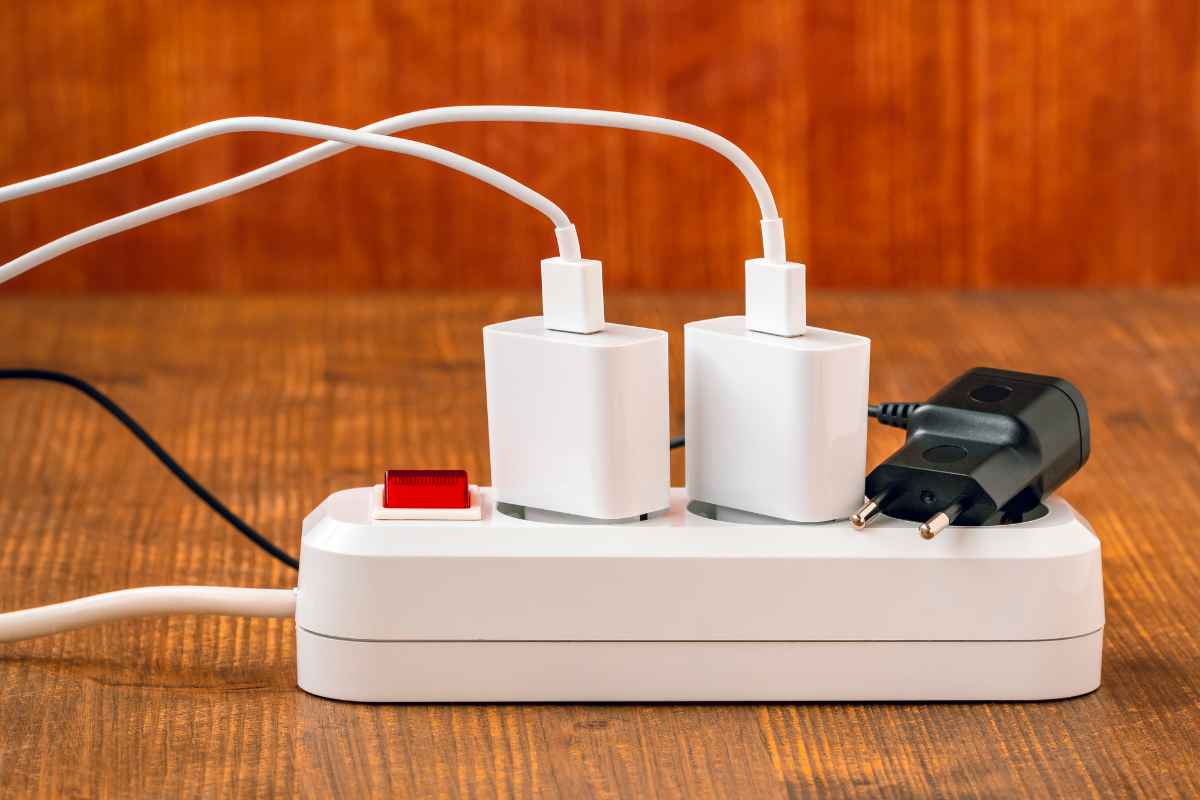
Birds are naturally curious creatures, and they may chew on electrical cords or wires, which can lead to electrocution. This is particularly dangerous if your bird is free-flying or in an area where cords are accessible.
How to Protect Your Bird: Cover electrical cords with protective tubing, or keep them out of reach. Make sure to regularly inspect cords for damage and repair them immediately if necessary.
6. Unsafe Toys and Accessories
Not all bird toys and accessories are created equal. Some may contain harmful substances like lead, zinc, or plastic that can pose serious health risks if ingested. Painted toys may also contain toxic chemicals.
How to Protect Your Bird: Always purchase toys and accessories from reputable stores that specialize in bird-safe products.
Look for toys made of natural materials, like wood, leather, or untreated cotton. Avoid toys with small parts that could be swallowed.
7. Cigarette Smoke and Aerosol Sprays

Cigarette smoke is a major toxin for birds, leading to respiratory issues and a weakened immune system. Aerosol sprays (e.g., hairspray, deodorants) also release harmful chemicals that can irritate a bird's lungs.
How to Protect Your Bird: Never smoke in the same room as your bird, and ensure that aerosol products are used in well-ventilated areas. If possible, avoid using sprays around your bird altogether.
8. Open Windows and Screens
While it’s important to let fresh air in, open windows and screens can present a major safety risk to pet birds. Birds may attempt to fly through open windows or get caught in the screens, potentially causing serious injuries or even escape.
How to Protect Your Bird: Keep windows closed when your bird is out of its cage. If you must open a window, make sure it’s properly screened or install bird-safe netting.
9. Unsupervised Time Outside the Cage
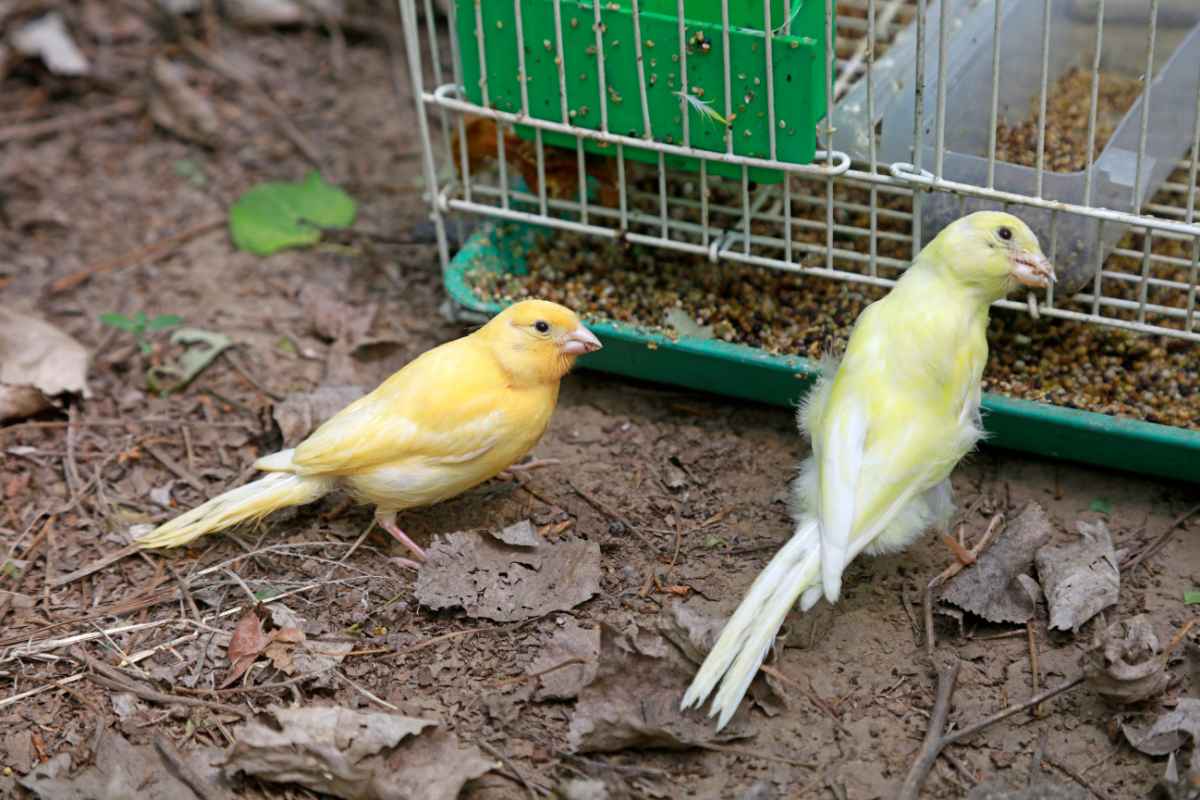
Birds, especially parrots and other larger species, love to roam and explore outside of their cages.
However, when left unsupervised, they can get into dangerous situations, such as eating toxic foods, chewing on electrical cords, or flying into dangerous areas of the home.
How to Protect Your Bird: Supervise your bird at all times when outside of its cage. Create a safe, bird-friendly environment by removing hazardous items and ensuring the space is free from any potential threats.
10. Inappropriate Diet and Toxic Foods
Just like with any pet, what you feed your bird is crucial to its health. Avocados, chocolate, onions, and alcohol are all toxic to birds.
Even caffeine can have adverse effects on their health, leading to seizures, heart failure, and even death.
How to Protect Your Bird: Stick to a balanced, species-appropriate diet for your bird. Offer a variety of fresh fruits, vegetables, seeds, and pellets.
Avoid feeding your bird any human food unless you are certain it is safe for them.
Conclusion: Keep Your Bird Safe and Healthy
As pet owners, it's our responsibility to create a safe environment for our feathered companions.
By being aware of the hidden dangers in your home and taking steps to protect your bird, you can ensure that they live a long, healthy, and happy life.
If you're ever in doubt about whether something is safe for your bird, always research and consult with an avian vet. Prevention is key when it comes to keeping your bird safe from harm.
By making simple changes to your home environment, you can help protect your feathered friend from potential dangers.
Remember, your bird's safety and happiness are in your hands.
Enjoy This Video Tutorial About Birds
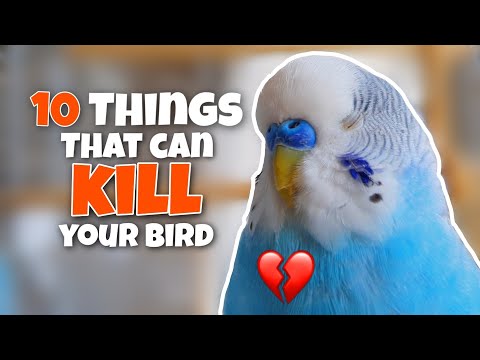
Source: Bird Nuggets
Did you find this post useful or inspiring? Save THIS PIN to your Pets Board on Pinterest! 😊

You may also like