
10 Odd Dog Behaviors and What They Actually Mean


Dogs are fascinating creatures, and sometimes their behaviors can leave us scratching our heads.
We all know those quirky habits—whether it’s your dog spinning in circles before sitting down or licking everything in sight.
But guess what? These behaviors have meaning, and understanding them can make you feel even closer to your furry friend.
If you've ever wondered why your dog does these odd things, you're in the right place.
Let’s dive into these behaviors and what they really mean for your dog’s well-being and your relationship.
1. Excessive Licking: A Sign of Affection or Anxiety?
It’s common for dogs to lick, but what happens when it becomes excessive? Some dogs just love the taste of their own skin, while others lick as a way to cope with stress, anxiety, or boredom. Licking is also a way for them to seek attention or show affection.
It’s similar to how humans might hug someone to feel comforted.
If your dog’s licking seems to be linked to anxiety, or if it’s excessive, it’s a good idea to chat with your vet to rule out any underlying health issues.
Either way, your dog’s love for licking is simply another way they communicate with you.

2. Chewing on Shoes? Here’s Why!
We’ve all been there—coming home to find that your dog has chewed up your favorite shoes or furniture.
While it can be frustrating, chewing is actually a natural behavior for dogs, especially when they’re bored or anxious.
Chewing helps relieve stress, clean teeth, and keep their jaws strong. If your dog is chewing on non-food items, it might be a sign they need more mental stimulation.
Providing them with toys to chew on and ensuring they get enough exercise can make a big difference. Think of it as helping them stay active and healthy!

3. Rolling in Gross Stuff: Why Do They Do It?
It’s one of the most baffling behaviors—watching your dog roll in garbage or dead animals.
While it may seem gross to us, there’s actually a deeper reason behind it.
Dogs, particularly those descended from wolves, used to roll in the scent of their prey to mask their own scent and improve their chances while hunting.
Nowadays, it may also be a way for dogs to cover up their scent or simply because they find the smell interesting. So, before you get upset, remember this quirky habit is deeply rooted in their wild instincts. A little extra bath time might be in order!
4. Digging: Is It Just Boredom or Something Else?
Digging is another behavior that might leave you scratching your head, but it’s actually an instinctual habit that dates back to a dog’s wolf ancestors.
In the wild, wolves would dig to create a safe den. For domestic dogs, digging can be a sign of boredom, stress, or an instinct to bury food.
Some dogs may even dig for comfort, like making a cozy spot to rest. If you notice your dog digging frequently, try providing more mental stimulation or physical activities.
A game of fetch or a new puzzle toy might keep them occupied!

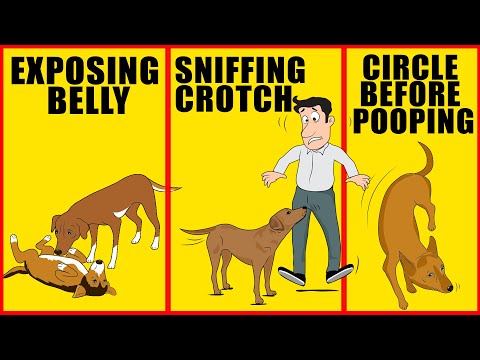
5. Turning in Circles Before Going to the Bathroom
Have you noticed that your dog often turns around a few times before doing its business? While this may seem quirky, it’s actually a survival instinct.
Dogs, like their wild ancestors, would circle to check for predators hiding in the grass, such as snakes.
It’s also a way for them to mark their territory using scent glands on their paws.
When your dog turns in circles, they’re leaving a message for other dogs. It’s just their way of ensuring their “bathroom” area is safe and secure.
6. Stealing Your Spot: It’s All About Comfort and Bonding
Have you ever left your seat, only to find your dog curled up in your spot? It’s not just because they love your scent, though that’s definitely part of it! Dogs have a pack mentality, which means they prefer to stay close to their family.
When they snuggle in your spot, they’re seeking warmth and comfort—things they associate with you, their pack leader.
It’s their way of bonding with you and ensuring they feel safe and cozy.

7. Sniffing Other Dogs' Private Parts: It’s Not What You Think
Dogs have a reputation for sniffing each other’s private parts, and while this might seem strange, it’s actually a very natural behavior.
Dogs have scent glands in their private areas that release pheromones, which carry important social information.
When one dog sniffs another’s private parts, they’re gathering information about the dog’s age, health, and emotional state.
It’s how they say, “Hello, nice to meet you!” This behavior is perfectly normal and essential for their social interactions.
8. Sleeping with Eyes Partially Open: What’s Going On?
Some dogs sleep with their eyes half-open, which can be a bit unsettling. But don't worry—what you’re actually seeing is their third eyelid, not their eyeball.
This pink membrane helps keep the eyes moist and protected from dust and debris.
It’s a completely natural and harmless phenomenon, so there’s no need to worry when you catch your dog with their eyes slightly open during a nap.

9. Groin Sniffing: It’s All About Gathering Info
When your dog sniffs your crotch, it may feel awkward, but it’s actually a form of social greeting and communication.
The groin area has specialized sweat glands called apocrine glands that release pheromones—chemical signals that provide dogs with information about a person’s age, health, and emotional state.
Dogs use this behavior to gather details about their environment and social interactions, much like humans exchange pleasantries during introductions.
If your dog is unneutered, they may be even more curious about these pheromones, especially if they’re seeking a mate.
10. Following You Everywhere: It’s a Sign of Loyalty
Have you ever wondered why your dog follows you around all the time? It’s not just because they want something—they’re showing you their loyalty and affection.
Dogs are social creatures who thrive on companionship, and when they follow you, they’re simply saying, “I want to be with you.”
If you’ve been giving them attention and positive reinforcement, they’re more likely to follow you even more.
It’s their way of being close to you, and it’s a clear sign of the strong bond you share.

The Secret Messages Your Dog is Sending You
Understanding these odd behaviors can make us feel even more connected to our dogs.
Each action is a form of communication—whether it’s a sign of affection, a need for comfort, or a behavior rooted in ancient instincts.
By observing and learning about these behaviors, we can better support our dogs and help them live happier, healthier lives.
And remember, if you ever have concerns about your dog’s behavior, consulting with a veterinarian is always a great option.
We hope you enjoy this video about Dogs
Source: Jaw-Dropping Facts
Did you find this post useful or inspiring? Save THIS PIN to your Pets Board on Pinterest!

You may also like