
10 Things You Should Never Do With Your Hamster


Hamsters are adorable and low-maintenance pets, but they do require specific care to thrive. Many new hamster owners make mistakes that can affect their health and well-being.
Whether you’re a seasoned hamster owner or a beginner, it’s essential to understand how to care for these tiny creatures properly.
In this guide, we’ll go over 10 common mistakes you should avoid to ensure your hamster stays happy and healthy.
1. Mishandling Your Hamster

Why it’s a problem
One of the most common mistakes new hamster owners make is handling their pets incorrectly.
Hamsters are small, delicate creatures, and they can easily get scared, stressed, or injured if handled improperly. A common error is grabbing them too roughly or holding them too tightly.
What to do instead
Gentle handling is key to keeping your hamster comfortable. Let your hamster approach you and climb onto your hand instead of grabbing it.
Support its entire body when lifting and always make sure your hands are clean and dry. Avoid sudden movements or loud noises that might startle your pet.
2. Ignoring the Cleanliness of the Cage

Why it’s a problem
A dirty cage can lead to health problems for your hamster. Bacteria and waste can accumulate quickly, causing odor, skin irritations, and respiratory issues for your pet.
What to do instead
Regularly clean your hamster’s cage by removing waste, soiled bedding, and uneaten food. Aim for a full cage cleaning every week.
Use non-toxic cleaning products and replace bedding with safe options, such as unscented paper-based bedding or wood shavings that aren’t harmful to your hamster’s respiratory system.
3. Exposing Your Hamster to Extreme Temperatures

Why it’s a problem
Hamsters are sensitive to temperature changes. Too much heat or cold can cause stress and health complications such as dehydration or even hypothermia.
What to do instead
Keep your hamster’s cage in a room with a stable temperature, ideally between 65°F and 75°F (18°C and 24°C). Avoid placing the cage near windows, doors, or air conditioning vents, as this can cause temperature fluctuations.
Ensure the area remains cool and dry.
4. Feeding Your Hamster the Wrong Foods

Why it’s a problem
Feeding your hamster the wrong types of food can lead to obesity, digestive problems, or toxicity. Certain foods, like chocolate or citrus fruits, can be harmful or even toxic to hamsters.
What to do instead
Stick to a balanced diet consisting of hamster pellets, fresh vegetables, and limited fruits. Avoid sugary or fatty foods.
Always check that the food you offer is safe for hamsters, and ensure they have access to fresh, clean water at all times.
5. Neglecting to Provide Enrichment

Why it’s a problem
Hamsters are intelligent and active animals that need mental stimulation. Without toys, tunnels, or activities, they can become bored, which can lead to stress and destructive behavior.
What to do instead
Provide your hamster with a variety of enrichment activities, such as tunnels, chew toys, and a wheel for exercise. Rotate toys regularly to keep your hamster’s environment interesting.
You can also offer small cardboard boxes or paper towel rolls to create a safe and stimulating environment.
6. Disturbing Your Hamster’s Sleep Cycle

Why it’s a problem
Hamsters are nocturnal, meaning they are most active during the evening and night. Disturbing them during the day, when they are trying to sleep, can lead to stress and irritability.
What to do instead
Respect your hamster’s natural sleep cycle. Ensure its cage is placed in a quiet area where it won’t be disturbed during the day.
Avoid handling your hamster or making loud noises during its sleep time, as this can interfere with its rest and well-being.
7. Using Harmful Bedding or Materials

Why it’s a problem
Not all bedding options are safe for hamsters. Scented bedding or bedding made from harmful chemicals can cause respiratory issues or skin irritation.
Avoid bedding made from cedar or pine wood shavings, as they release toxins harmful to hamsters.
What to do instead
Use unscented paper-based bedding, aspen wood shavings, or coconut husk bedding. These materials are safe, absorbent, and help create a comfortable environment for your pet.
Always avoid bedding that has a strong fragrance or comes from toxic wood types.
8. Keeping Your Hamster Alone for Too Long

Why it’s a problem
While hamsters are independent creatures, they still need human interaction. Leaving them alone for long periods can lead to loneliness and stress.
What to do instead
Spend time with your hamster every day. Let it explore outside of its cage (in a safe, hamster-proofed area) and provide mental stimulation by playing with it.
Even though hamsters are solitary in the wild, they thrive with regular interaction and companionship.
9. Not Providing Enough Space

Why it’s a problem
Hamsters are naturally active animals that require space to run, climb, and explore. Keeping them in a small, cramped cage can lead to stress and boredom.
What to do instead
Provide a large cage that gives your hamster plenty of room to roam. The minimum recommended cage size is 450 square inches of floor space, but the larger, the better.
Include space for a wheel, tunnels, and other toys to encourage exercise and activity.
10. Ignoring Health Signs

Why it’s a problem
Many owners miss the early signs of illness in their hamsters, such as loss of appetite, lethargy, or wet tails. Ignoring these symptoms can lead to serious health complications.
What to do instead
Regularly observe your hamster for any signs of illness. If you notice any behavioral changes or signs of discomfort, consult a veterinarian who specializes in small animals.
Quick action can help prevent a minor issue from turning into a major health problem.
Conclusion: Caring for Your Hamster the Right Way

Caring for a hamster requires patience, attention to detail, and a commitment to creating a safe, comfortable environment.
By avoiding these 10 common mistakes, you can ensure your hamster lives a long, happy, and healthy life.
Remember, hamsters may be small, but they deserve the same level of care and respect as any other pet. With proper handling, diet, and enrichment, you’ll create a thriving environment for your furry friend.
By following these simple tips and avoiding common mistakes, you’ll not only prevent health issues but also develop a stronger bond with your hamster.
Don’t forget to consult a professional if you ever have doubts about your pet’s care. Your hamster’s well-being is in your hands!
Enjoy The Video About Hamsters
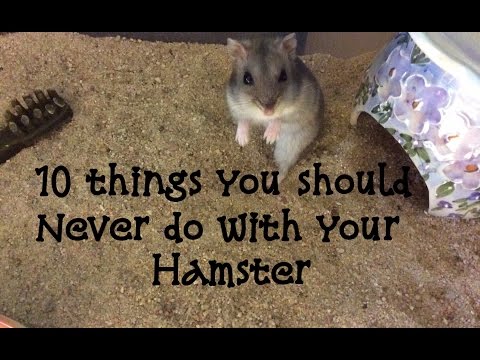
Source: Madelene Kleinhans
Did you find this post useful or inspiring? Save THIS PIN to your Pets Board on Pinterest!

You may also like