
10 Ways to Make Your Bird Love You


Birds are more than just pets; they become cherished members of the family. If you've been feeling like your bond with your feathered friend could be stronger, don’t worry.
With time, patience, and the right approach, you can deepen the connection. Here are 10 proven tips to help you win your bird's heart and create a lasting, loving relationship.
1. Build Trust Through Consistency

Birds, like most animals, thrive on routine and predictability. If you want your bird to love you, it’s essential to establish a consistent routine that makes your bird feel safe and secure.
This includes feeding times, play sessions, and even interactions. Birds are creatures of habit, and knowing what to expect from you can help them trust you more.
How to Build Trust
Stick to a schedule, especially when it comes to feeding and playtime.
Offer your bird the same safe space each day, whether it’s its cage or a particular perch.
Being predictable will help your bird feel more secure in its environment, knowing it can rely on you.
2. Speak Their Language: Learn Bird Body Language

Understanding your bird’s body language is key to building trust and affection.
Just like humans, birds communicate through their body language—whether it's the way they puff up their feathers, tilt their heads, or even the position of their wings.
Learning to read these signals will help you understand when your bird feels happy, playful, or scared.
What to Watch For
Fluffed feathers often mean that your bird is feeling relaxed and comfortable.
A tilted head can signal curiosity or interest.
If your bird is hopping around excitedly, it likely wants to engage with you!
The more you understand your bird’s body language, the better you can respond to its needs and strengthen your bond.
3. Offer Healthy Treats as Rewards

Nothing says "I love you" like a healthy treat. Offering treats is a fantastic way to reward your bird for positive behavior, but it’s essential to choose healthy options.
Birds can become very attached to their human companions if they associate you with tasty, nutritious snacks.
Healthy Treat Ideas
Fresh fruits like apples, bananas, and berries are bird-friendly and full of nutrients.
Nuts in moderation can be a great treat for most birds, especially when they are used for training or rewards.
Leafy greens like spinach or kale can be a delightful and nutritious snack.
Make sure to offer treats in moderation so that your bird doesn’t become overly reliant on them. Healthy snacks will not only enhance your bird’s health but also your relationship.
4. Give Your Bird Time to Bond with You

Building a strong relationship with your bird doesn’t happen overnight. Just like any other friendship, it requires time and patience. Allow your bird to become familiar with you at its own pace.
Bonding Tips
Spend quality time with your bird daily, even if it’s just sitting near its cage.
Talk to your bird in a soft, reassuring voice to help it get used to your presence.
Start with short, gentle interactions, like letting your bird step onto your hand or finger.
If your bird doesn’t seem comfortable with close contact at first, don’t be discouraged. With time, it will begin to trust you more.
5. Provide a Comfortable and Stimulating Environment

A bird’s environment plays a significant role in its well-being and happiness. If your bird’s home is cramped or dull, it’s less likely to bond with you.
Providing a comfortable and stimulating environment will encourage your bird to interact with you more.
Creating an Ideal Environment
Perches should vary in size and texture to keep your bird’s feet healthy and entertained.
Toys like swings, mirrors, and bells can help keep your bird engaged and physically active.
Consider adding some climbing structures or branches that mimic a natural habitat.
A bird that feels comfortable and enriched in its environment is more likely to interact with you and feel safe in your presence.
6. Offer Positive Reinforcement During Training

Training your bird can be an excellent way to foster a strong bond. Birds are highly intelligent and can learn tricks or commands with positive reinforcement.
Use this as an opportunity to interact and engage with your bird in a fun, rewarding way.
Training Tips
Start with simple tricks like teaching your bird to step up onto your finger or perch.
Use treats as rewards when your bird follows a command, ensuring that it associates you with positive experiences.
Be patient and consistent in your training sessions to help your bird build confidence.
Training sessions should be short and enjoyable. The goal is to make the experience fun for both you and your bird, which will ultimately strengthen your bond.
7. Show Your Bird Affection Gently
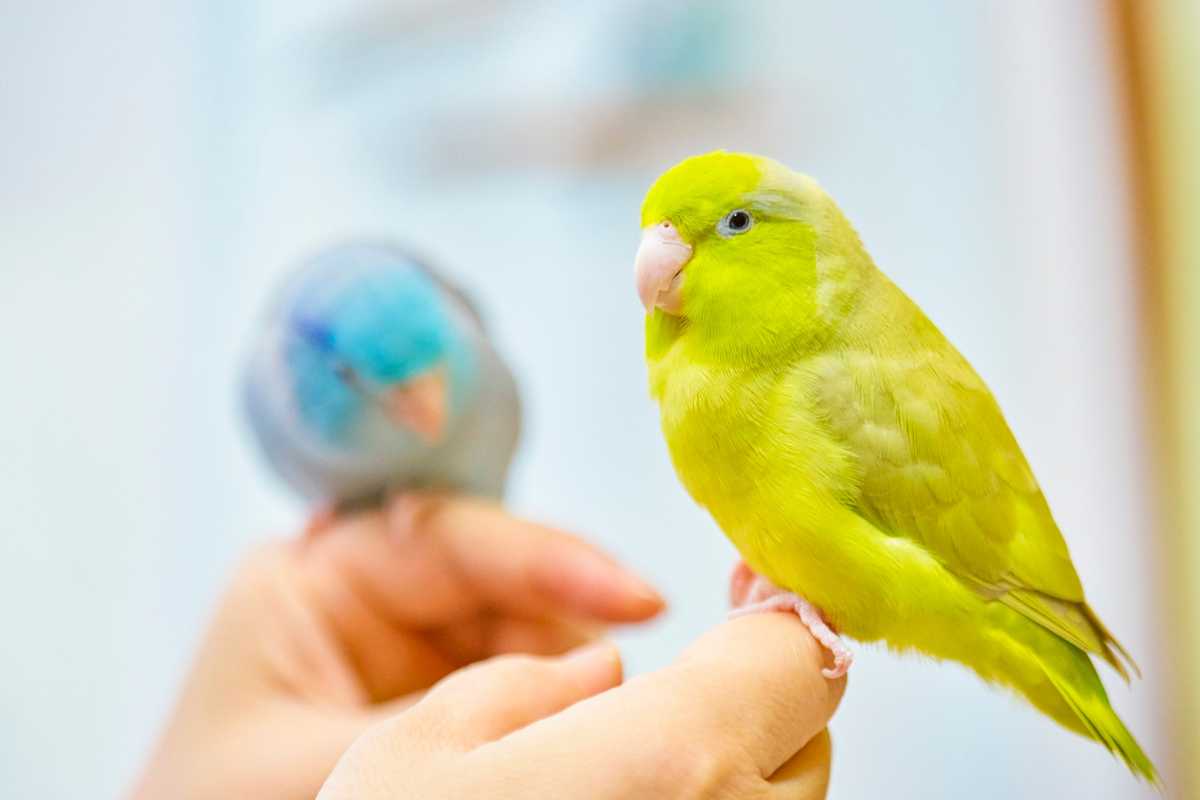
Birds are naturally affectionate creatures, but they have specific preferences when it comes to physical contact.
Some birds enjoy being scratched behind the ears, while others may prefer to stay in their space. It’s important to understand your bird’s comfort zone and show affection accordingly.
How to Show Affection
Slow, gentle strokes along the head or neck can be soothing for many birds.
Avoid forcing affection if your bird is not in the mood for physical contact.
Be mindful of your bird’s reactions—if it pulls away or seems stressed, respect its space.
Affection is most meaningful when it’s given at the right time and in a way that makes your bird feel comfortable.
8. Spend Quality Time Together Every Day

Birds need social interaction just like humans do. Spending quality time together daily is crucial for building a lasting bond.
Even if you can’t be with your bird all day, try to engage in meaningful interactions that allow you to connect.
Ideas for Quality Time
Playtime: Provide toys or engage in games that allow you to bond and have fun together.
Cage time: Let your bird spend time outside its cage under supervision for some freedom.
Talking time: Even if your bird can’t talk back, talking to it helps create a strong emotional connection.
The more time you spend together, the more your bird will come to see you as a companion, not just a caregiver.
9. Be Patient and Respectful of Your Bird’s Boundaries

Birds are individuals with unique personalities, and not every bird will want the same level of interaction. Some birds may be more independent, while others are affectionate and cuddly.
Understanding and respecting your bird’s boundaries is key to creating a loving relationship.
How to Respect Boundaries
Observe your bird’s behavior to gauge its comfort level.
If your bird seems stressed, give it time and space to calm down before attempting further interaction.
Don’t rush your bird into physical contact if it’s not ready—let it come to you on its own terms.
Patience is critical when building trust. By respecting your bird’s limits, you show that you understand its needs and that you care.
10. Create Positive Associations with Your Presence

The most effective way to win your bird’s heart is to create positive associations with your presence.
Whether it’s during mealtime, playtime, or simply sitting together, ensure that every interaction is pleasant and rewarding for your bird.
Positive Association Tips
Offer treats during your interactions to create a link between your presence and something enjoyable.
Engage in fun activities like singing, dancing, or playing, so your bird associates you with fun and joy.
If you’re trying to build trust, always remain calm and gentle during your interactions.
Over time, your bird will begin to view you as a source of comfort, safety, and pleasure, and your bond will naturally grow stronger.
Conclusion

Creating a deep, loving connection with your bird takes time, patience, and understanding. By following these 10 proven tips, you can build a relationship based on trust, affection, and shared experiences.
Remember, every bird is unique, and it’s essential to respect its boundaries and preferences. With dedication and love, your bird will soon come to see you as a true companion and friend.

Source: Bird Nuggets

You may also like