
11 Parrot Owner Hacks


Parrots are intelligent, playful, and loving companions, but their care requires more than just basic food and shelter.
As a parrot owner, you need to understand their specific needs and behaviors to provide the best environment for your feathered friend.
In this guide, we’ll share 11 essential hacks that every parrot owner should know.
These tips will not only help you ensure your parrot’s happiness and well-being but also make your life easier while fostering a deep bond with your pet.
1. Establish a Consistent Routine
Birds thrive on routine, and parrots are no different.
By setting a consistent daily routine for your parrot, you can help them feel secure and reduce anxiety. Parrots are creatures of habit and rely on predictability for their mental well-being.
Start by feeding your parrot at the same time each day and ensuring they have a set time for exercise and play.
A consistent bedtime routine is equally important, as it helps signal to your parrot when it’s time to wind down.
The structure will help your parrot know what to expect, providing them with the security they need.
2. Provide Interactive Toys
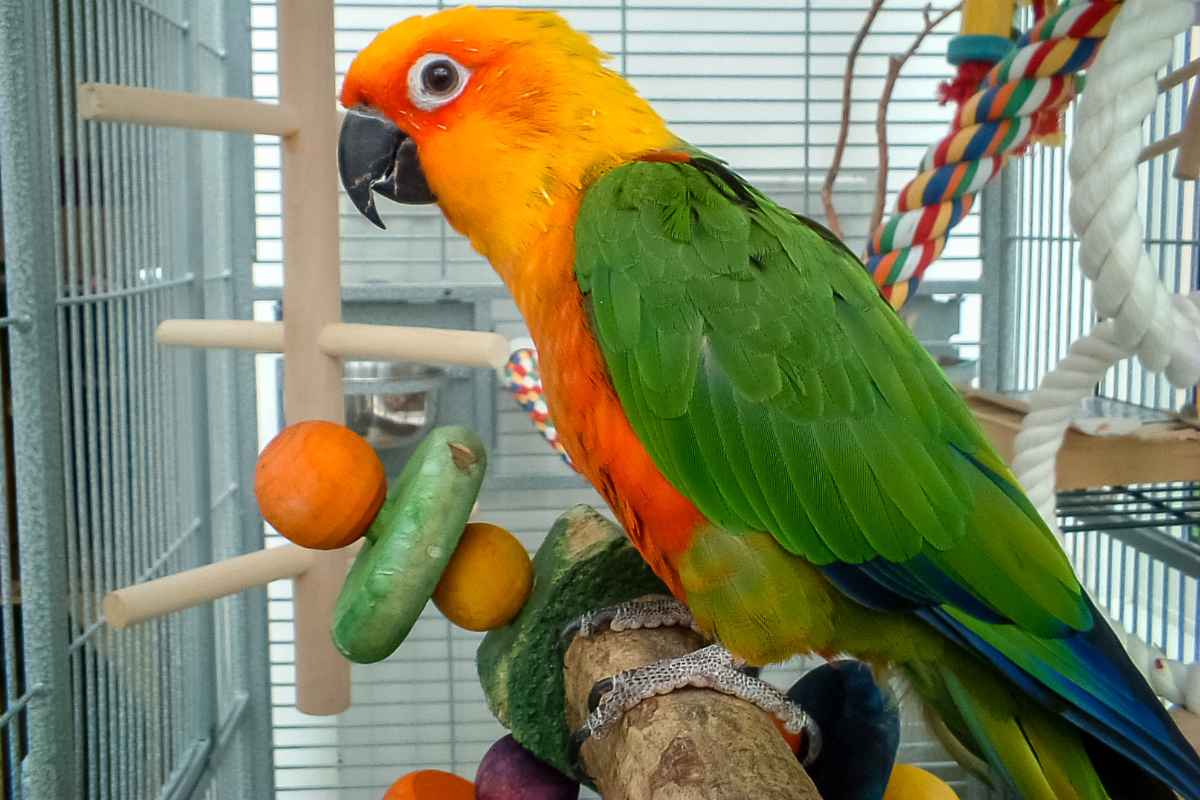
Parrots are highly intelligent animals and need plenty of mental stimulation to prevent boredom.
Interactive toys are essential for keeping your parrot entertained and engaged. Puzzle toys, for example, challenge their minds by requiring problem-solving skills to access treats.
Make sure to rotate toys regularly to keep them fresh and exciting. Some toys can be used for chewing, while others can be designed for climbing or flying.
The variety will not only stimulate your parrot’s mind but also provide them with the exercise they need to stay physically healthy.
3. Socialize Your Parrot Gradually
Parrots are social birds, but they need time to adjust to new people or other pets in the household.
Gradual socialization is key to ensuring your parrot is comfortable around new individuals.
Start by allowing your parrot to observe new people from a distance.
Once they seem comfortable, let the new person offer treats and speak gently to the bird.
This gradual approach helps prevent stress and allows your parrot to build trust at their own pace.
4. Feed a Balanced Diet
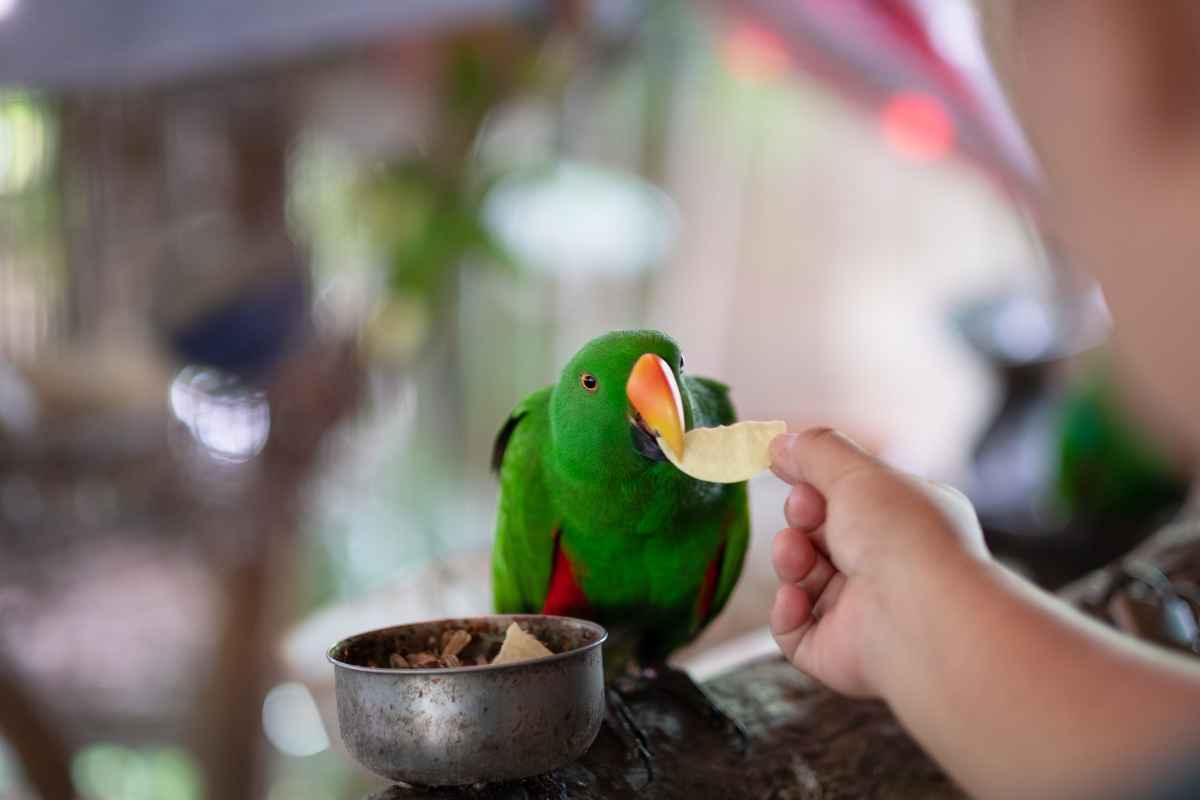
Feeding your parrot a well-balanced diet is crucial for their health and longevity.
Parrots require a variety of foods, including fresh fruits, vegetables, nuts, seeds, and pellets.
A diet that is too high in seeds, for example, can lead to obesity and malnutrition.
Always avoid feeding your parrot toxic foods such as chocolate, avocado, and caffeine.
Introduce new foods gradually to see what your parrot likes best, and aim to offer a balanced mix of foods each day. Fresh water should always be available to keep them hydrated.
5. Provide a Spacious Cage
A spacious cage is essential for your parrot’s well-being.
Parrots are active and need space to move around, stretch their wings, and climb. A small cage can lead to stress and boredom, which may manifest in behavioral problems.
Ensure the cage is large enough for your parrot to move comfortably and include perches at varying heights, which will allow your bird to move freely.
Make sure to place the cage in a location where your parrot can interact with the family and stay social.
6. Supervise Out-of-Cage Time

While your parrot will enjoy time outside their cage, it’s important to supervise their out-of-cage time to ensure they don’t get into trouble.
Parrots are curious by nature and can easily find themselves in dangerous situations if left unsupervised.
Keep dangerous items, such as electrical cords and sharp objects, out of their reach.
Additionally, ensure that windows and doors are closed to prevent your parrot from flying out. Designate a safe play area where they can explore and interact with toys.
7. Enrich Their Environment with Natural Elements
Adding natural elements to your parrot’s environment can greatly enhance their quality of life.
Incorporating branches, leaves, and wooden toys into their cage simulates their natural habitat, providing a more enriching experience.
Consider bringing safe, bird-friendly branches from outside, such as eucalyptus or willow, and attach them to the cage for climbing and chewing.
You can also add leafy greens or untreated plants to provide foraging opportunities. These natural additions mimic the wild and help satisfy your parrot’s instincts.
8. Use Positive Reinforcement for Training

Training your parrot is a great way to bond and communicate with them.
Positive reinforcement is the best method for teaching your parrot new tricks and behaviors. Reward them with treats, praise, or affection when they perform the desired action.
Start with simple commands like "step up" and "come here" and gradually work towards more complex tricks.
Keep training sessions short but frequent to avoid overwhelming your parrot. Be patient—training a parrot can take time, but the rewards of a well-trained bird are worth the effort.
9. Recognize Signs of Stress
Understanding your parrot’s body language is essential for recognizing when they are stressed.
Common signs of stress include feather plucking, excessive screaming, and biting. If your parrot exhibits these behaviors, it may be an indication that something in their environment is upsetting them.
Environmental stressors, such as a lack of attention, loud noises, or changes in their routine, can lead to behavioral issues.
Pay attention to your parrot’s reactions and make necessary changes to their environment to reduce stress.
10. Take Your Parrot for Regular Vet Checkups

Just like any pet, your parrot needs regular vet checkups to ensure they are healthy.
Birds are excellent at hiding illness, so it's important to schedule routine visits to a veterinarian who specializes in avian care.
A vet can check your parrot’s overall health, monitor for signs of illness, and provide necessary vaccinations.
Regular checkups help catch potential problems early and keep your parrot in optimal health.
11. Create a Safe and Stimulating Environment
Lastly, it’s crucial to create a safe and stimulating environment for your parrot.
This includes keeping the cage in a location with adequate lighting, temperature control, and minimal drafts.
Additionally, make sure your parrot has a variety of enrichment activities available, such as toys, foraging opportunities, and social interaction.
By providing a stimulating environment, you are helping your parrot live a happier and healthier life.
Parrots are naturally curious creatures, and their environment should reflect that curiosity by offering new challenges and experiences regularly.

Conclusion: Building a Strong Bond with Your Parrot
By implementing these 11 essential parrot owner hacks, you will create a more fulfilling and enriching life for your pet.
Parrots are intelligent, affectionate, and social creatures that thrive on mental and physical stimulation, a balanced diet, and a stable routine.
Remember that each parrot is unique, so observe their behavior and adapt your care routine as needed.
With patience, love, and attention, you can build a strong bond with your parrot that lasts for many years to come.
We hope you enjoy this video about Parrot

Source: BirdTricks
Did you find this post useful or inspiring? Save THIS PIN to your Pets Board on Pinterest!

You may also like