
11 Signs Your Rabbit Needs Help


Rabbits are beloved pets known for their playful and independent nature, but as with any pet, it's essential to keep an eye on their health.
Rabbits are experts at hiding discomfort or illness, so owners need to recognize the early signs that something might be wrong.
This article outlines the 11 key signs that indicate your rabbit needs medical attention. By understanding these signs, you can take prompt action and ensure your rabbit receives the care it needs.
1. Loss of Appetite or Changes in Eating Habits

What to Look For
If your rabbit suddenly refuses to eat or shows changes in eating habits, such as not eating its usual amount of hay or vegetables, this is a major red flag.
Loss of appetite can be a sign of serious issues like dental problems, digestive issues, or even pain.
Possible Causes
Dental problems: Rabbits have constantly growing teeth, and dental issues are common.
Gastrointestinal stasis: A condition where the digestive system slows down or stops.
Stress or anxiety: Any changes in the environment can disrupt your rabbit’s eating habits.
What to Do
If your rabbit isn’t eating or is eating much less than usual, it’s critical to contact your vet immediately. The vet can check for tooth problems, gastrointestinal issues, or infections that may require treatment.
2. Lethargy or Weakness
What to Look For
A rabbit that suddenly becomes extremely lethargic, stops moving, or seems weak and disoriented could be suffering from a variety of health problems.
Possible Causes
Pain or injury: Injury or internal discomfort could cause them to become less active.
Infections: Bacterial or viral infections can drain their energy.
Heart problems: Some rabbits may develop cardiovascular issues as they age.
What to Do
Observe for any other unusual symptoms. If your rabbit doesn’t show interest in playing or moves very little, schedule a vet appointment right away to rule out serious conditions.
3. Excessive Grooming or Lack of Grooming

What to Look For
Rabbits are typically fastidious groomers, but if your rabbit is either grooming excessively or not grooming at all, it can indicate a problem. Excessive grooming might point to skin irritation or stress, while a lack of grooming could be a sign of pain or depression.
Possible Causes
Fur matting or skin conditions: Matting or itching may be caused by mites or fleas.
Pain or depression: If your rabbit is in pain, it might neglect grooming.
What to Do
Check for skin irritations, fur mats, or parasites. If you can’t find a clear cause, or if the grooming behavior is accompanied by other symptoms, visit your vet to assess for underlying health issues.
4. Changes in Breathing or Nose Discharge
What to Look For
Difficult breathing, wheezing, or nasal discharge are clear signs that your rabbit is unwell. If your rabbit is struggling to breathe, it could indicate a respiratory infection, which can be serious if left untreated.
Possible Causes
Upper respiratory infections (like pasteurellosis or snuffles).
Allergies: Dusty bedding or mold can cause breathing issues.
What to Do
Respiratory issues are serious and require prompt medical attention. Take your rabbit to the vet immediately for a proper diagnosis and treatment.
5. Diarrhea or Abnormal Stool

What to Look For
Diarrhea or abnormally soft or discolored stool can be a sign that something is wrong with your rabbit's digestive system.
Possible Causes
Dietary changes: Too many sugary or wet foods can cause stomach upset.
Gastrointestinal stasis: A blockage or slowing of the digestive system.
Parasites: Intestinal infections can lead to diarrhea.
What to Do
Provide your rabbit with fresh hay and remove any potential dietary causes. If diarrhea persists or if it’s accompanied by other signs of illness, see a vet right away.
6. Changes in Behavior or Aggression
What to Look For
If your usually friendly rabbit becomes aggressive or exhibits uncharacteristic behavior, it could be a sign of illness or discomfort. Rabbits that are in pain may lash out or act defensively.
Possible Causes
Pain or injury: Physical discomfort can make rabbits irritable.
Hormonal changes: Unspayed female rabbits can become more aggressive during mating season.
Stress: Any changes in the environment or routine can cause behavioral shifts.
What to Do
Monitor for signs of injury or distress. If the behavior change is sudden and persistent, it’s important to visit the vet to rule out underlying causes.
7. Bloating or Swollen Abdomen

What to Look For
A bloated or distended belly is a very serious symptom in rabbits. If your rabbit’s abdomen looks swollen, it may indicate gastrointestinal stasis or another severe condition.
Possible Causes
Bloat (Gastric dilatation): A dangerous buildup of gas in the stomach.
GI stasis: Slowed movement of the digestive system, causing bloating.
What to Do
Bloating is a veterinary emergency. Seek help immediately, as this can quickly become life-threatening if not treated.
8. Difficulty Moving or Lameness
What to Look For
If your rabbit is limping or having trouble moving around, it could indicate injury, arthritis, or spinal issues.
Possible Causes
Injury or fractures: Rabbits can easily injure themselves if they fall or jump awkwardly.
Arthritis: As rabbits age, they may develop arthritis or joint pain.
What to Do
If your rabbit is not moving properly or shows signs of pain when walking, consult your vet to diagnose the problem and recommend treatment.
9. Excessive Thirst or Urination

What to Look For
If your rabbit is drinking excessive amounts of water or urinating more than usual, this could be a sign of a kidney problem or diabetes.
Possible Causes
Kidney disease: Rabbits with kidney problems often drink a lot of water.
Diabetes: This can cause excessive thirst and urination.
What to Do
Contact your vet for blood tests and a proper diagnosis. If your rabbit is showing signs of kidney failure or other serious conditions, immediate treatment is required.
10. Unusual Vocalizations or Teeth Grinding
What to Look For
If your rabbit is making unusual vocalizations or grinding its teeth, it could indicate that they are in pain or distress.
Possible Causes
Dental issues: Rabbits with dental problems may grind their teeth.
Pain: Rabbits grind their teeth when they are in discomfort.
What to Do
If your rabbit is grinding its teeth or making unusual noises, it’s important to take it to a vet. Dental issues are common in rabbits, and early detection is key to preventing serious health issues.
11. Sudden Weight Loss or Poor Coat Condition

What to Look For
Sudden weight loss or a dull coat can indicate that your rabbit is not getting the right nutrients or is suffering from a disease.
Possible Causes
Nutritional deficiencies: An imbalance in diet can cause weight loss and a lackluster coat.
Illnesses: Conditions like cancer or gastrointestinal issues can lead to rapid weight loss.
What to Do
Review your rabbit’s diet and ensure they are getting enough hay, fresh vegetables, and clean water. If the weight loss persists or is accompanied by other symptoms, visit the vet immediately.

Conclusion: Take Action Early to Ensure Your Rabbit's Health
As responsible rabbit owners, it's crucial to pay attention to the signs your pet is showing and act quickly if you notice anything unusual.
Rabbits are experts at hiding illness, and by recognizing these early signs and seeking professional help, you can ensure that your rabbit lives a long and healthy life.
If you’re ever unsure, don’t hesitate to reach out to a veterinarian who specializes in exotic pets.
We hope you enjoy this video about Rabbits
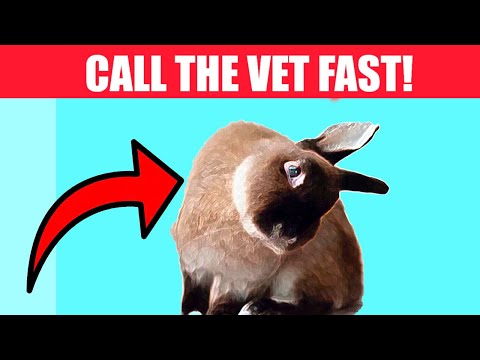
Source: Lennon The Bunny
Did you find this post useful or inspiring? Save THIS PIN to your Pets Board on Pinterest!

You may also like