
14 Things You Do That Hurt Your Cat You Must Stop Doing!


Cats are famously resilient, but many everyday routines can stress their bodies and minds more than we realize. The good news? Small, practical changes make a big difference fast.
Below you’ll find 14 real-world mistakes many cat parents make—each with a quick, vet-informed way to turn things around. Use this as a friendly checklist you can act on today.
1) Dirty or Insufficient Litter Boxes
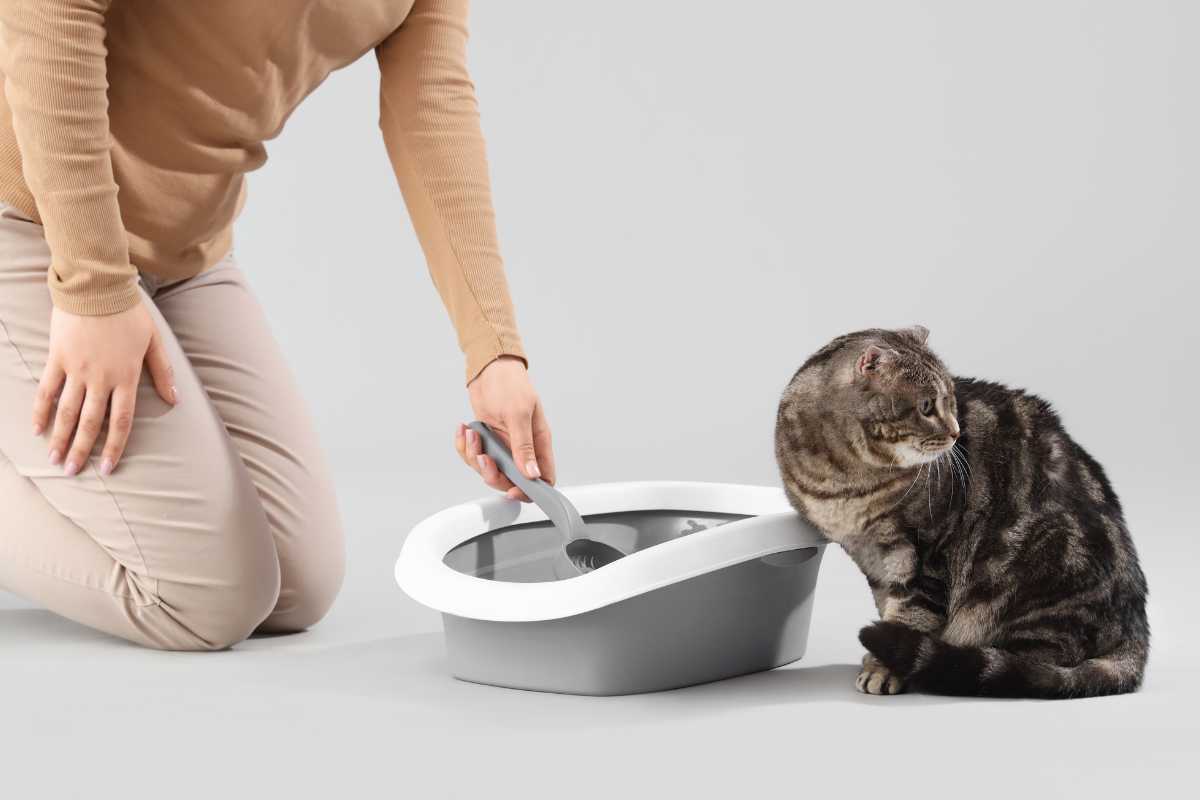
Why it hurts: A box that’s smelly, cramped, or hard to access can lead to stress, accidents, or urinary issues. Cats are meticulous; if the bathroom isn’t clean, they’ll avoid it.
Quick Fix: Scoop daily, deep-clean weekly, and follow the “number of cats + 1” rule for boxes. Place them in quiet, low-traffic areas with easy access and no covered lids if your cat dislikes them. Try unscented, fine-grained litter and keep depth at 2–3 inches.
2) Unbalanced Diet and Overfeeding
Why it hurts: Free-pouring dry food or relying on low-quality diets can cause obesity, digestive upset, and dull coat. Many cats also need higher moisture to support urinary health.
Quick Fix: Ask your vet for calorie targets by weight and life stage, and measure food with a scoop. Consider wet food for hydration and scheduled meals (not bottomless bowls). Keep treats to ≤10% of daily calories and transition diets gradually over 7–10 days.
3) Punishment, Yelling, and Startle Tactics

Why it hurts: Cats don’t connect delayed punishment to behavior; they connect it to you. This raises anxiety and breaks trust.
Quick Fix: Replace punishment with management and positive reinforcement. Offer scratching posts, provide appropriate outlets, and reward what you want the moment it happens. For problem behaviors, identify the underlying need (climbing, hunting, territory) and meet it proactively.
4) Not Enough Mental and Physical Enrichment
Why it hurts: Bored cats get stressed, vocal, destructive, or lethargic. Cats have daily needs to chase, climb, hide, and survey.
Quick Fix: Aim for two 10–15-minute play sessions daily using wand toys. Add puzzle feeders, window perches, vertical spaces, and rotating toys weekly. Build a simple “hunt-eat-groom-sleep” routine that mimics feline instinct.
5) Skipping Vet Checkups and Preventives

Why it hurts: Cats are expert at hiding pain and illness. Without routine exams, dental checks, and vaccines, small issues can snowball into costly emergencies.
Quick Fix: Book annual (adult) or biannual (senior) exams, keep core vaccines current, and baseline lab work as recommended. If you notice behavior shifts (hiding, reduced appetite, vocal changes), call the vet early—behavior is often a health clue.
6) Keeping Toxic Houseplants (Especially Lilies)
Why it hurts: Several popular plants are dangerous; lilies are especially life-threatening, even from pollen or water in the vase.
Quick Fix: Remove lilies and check plants against a cat-safe list. Offer safe greens (like cat grass) if your kitty craves foliage. Display risky plants in inaccessible rooms or switch to lifelike faux botanicals.
7) Declawing Instead of Training Claw Behavior
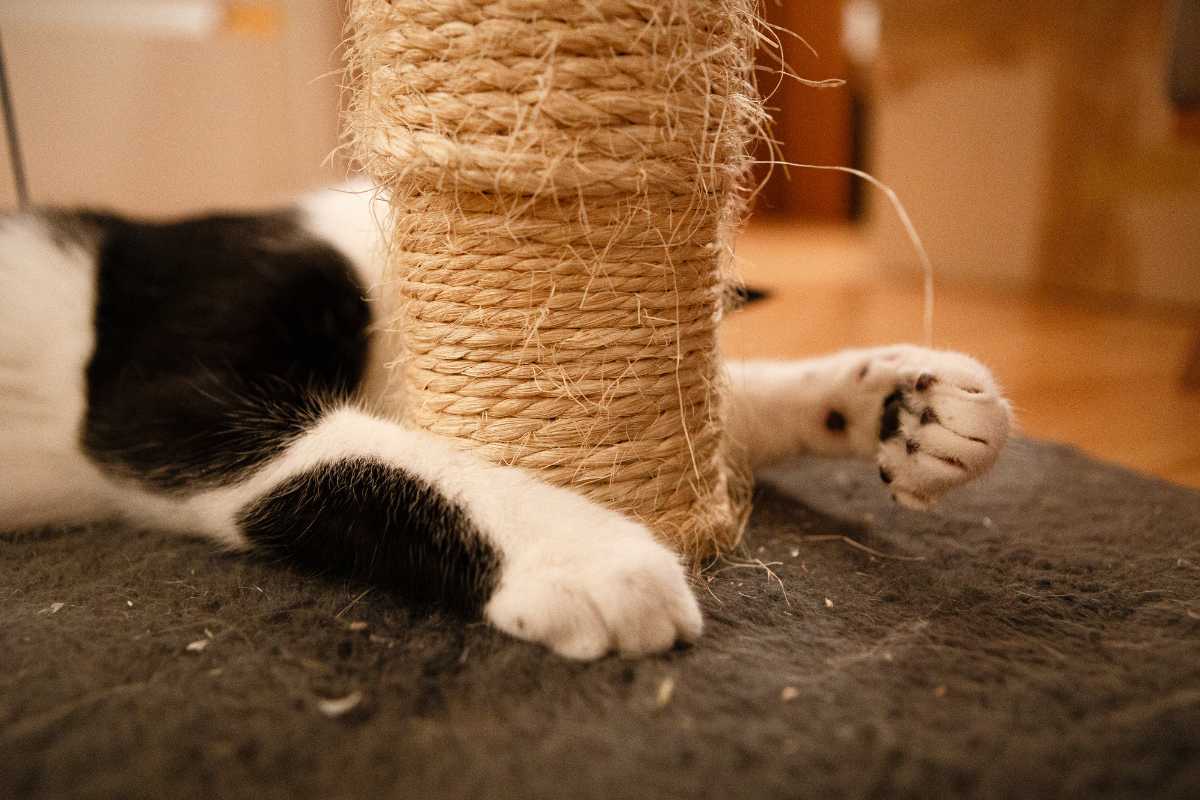
Why it hurts: Declawing amputates the last toe joint, which can cause chronic pain, litter box aversion, and behavior issues.
Quick Fix: Provide sturdy scratchers (vertical sisal and horizontal cardboard), place them where your cat already scratches, and use feline pheromone sprays and treats to encourage use. Trim nails every 2–4 weeks or consider soft nail caps.
8) Secondhand Smoke and Strong Scents
Why it hurts: Smoke and heavy fragrances irritate airways and skin and can contaminate fur your cat ingests while grooming.
Quick Fix: Smoke outdoors, ventilate well, and avoid strong cleaners or diffusers in cat spaces. Choose unscented litter and laundry products. If you vape, keep devices and liquids out of reach.
9) Strings, Ribbons, and Yarn “Toys”
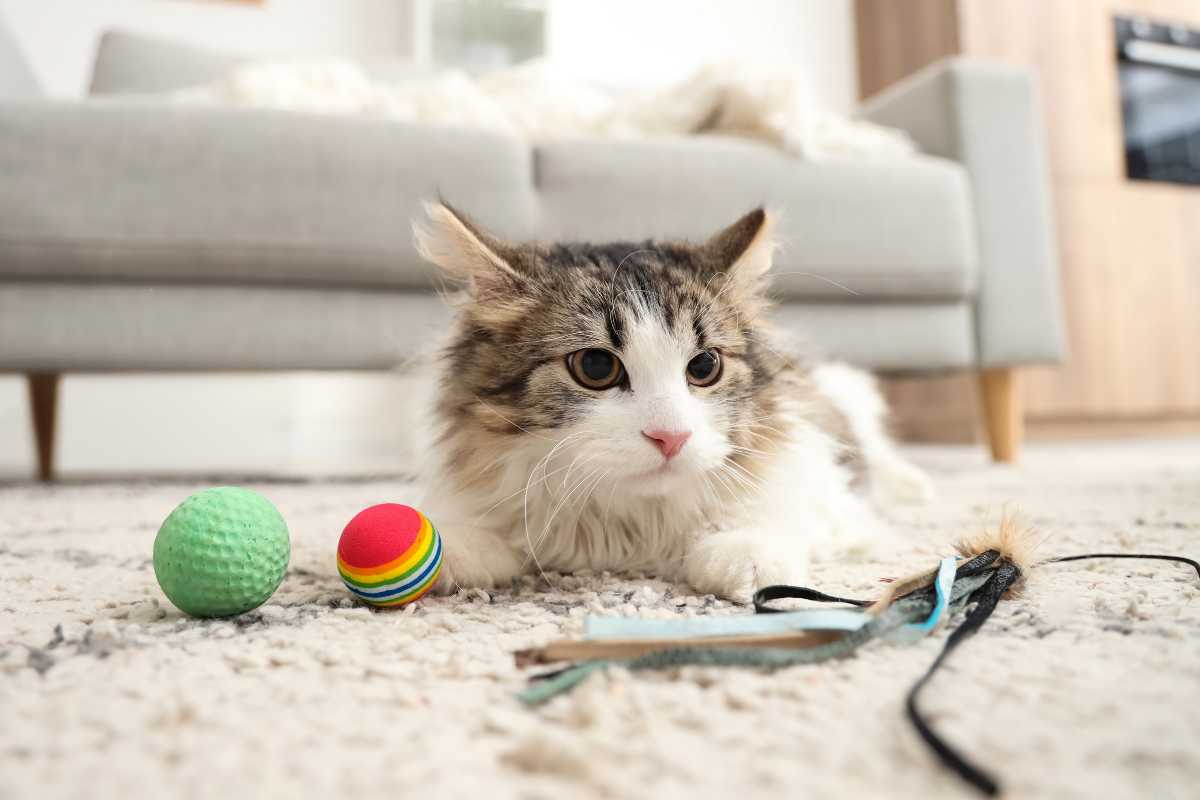
Why it hurts: Linear objects can cause life-threatening intestinal obstructions. Even hair ties are risky.
Quick Fix: Reserve string play for supervised sessions only and store safely afterward. Swap for wand toys with a safe tether and small balls or mice that can’t be shredded into threads. If you suspect ingestion, seek urgent vet care.
10) Too Much Alone Time (or Too Little Choice)
Why it hurts: Cats are independent, not antisocial. Long, empty days can mean loneliness and under-stimulation.
Quick Fix: Create “independent enrichment” for when you’re out: puzzle feeders, foraging stations, and bird-watching perches. Consider a second compatible cat only after careful introductions. When you are home, offer predictable, gentle attention—and always let the cat choose contact.
11) Loud Noises and Rough Handling
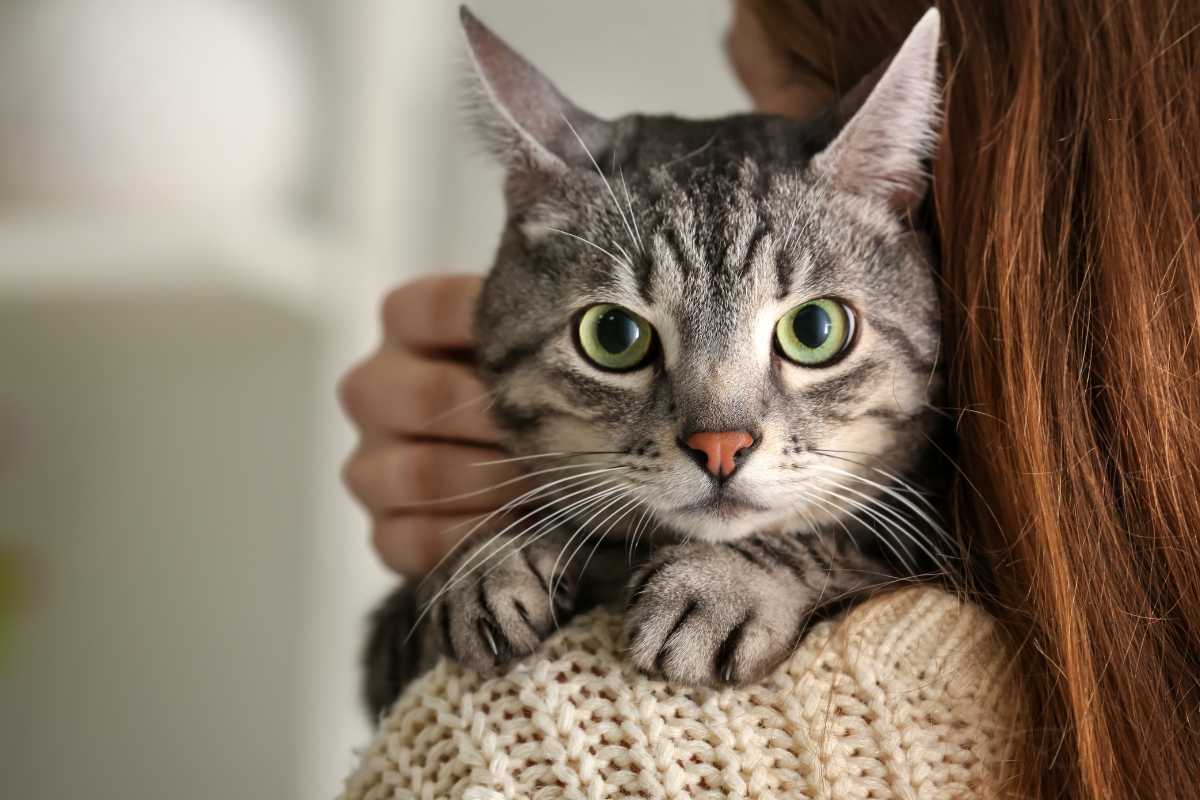
Why it hurts: Sudden noises, restraint without consent, or picking up a cat who dislikes it creates fear and defensive behavior.
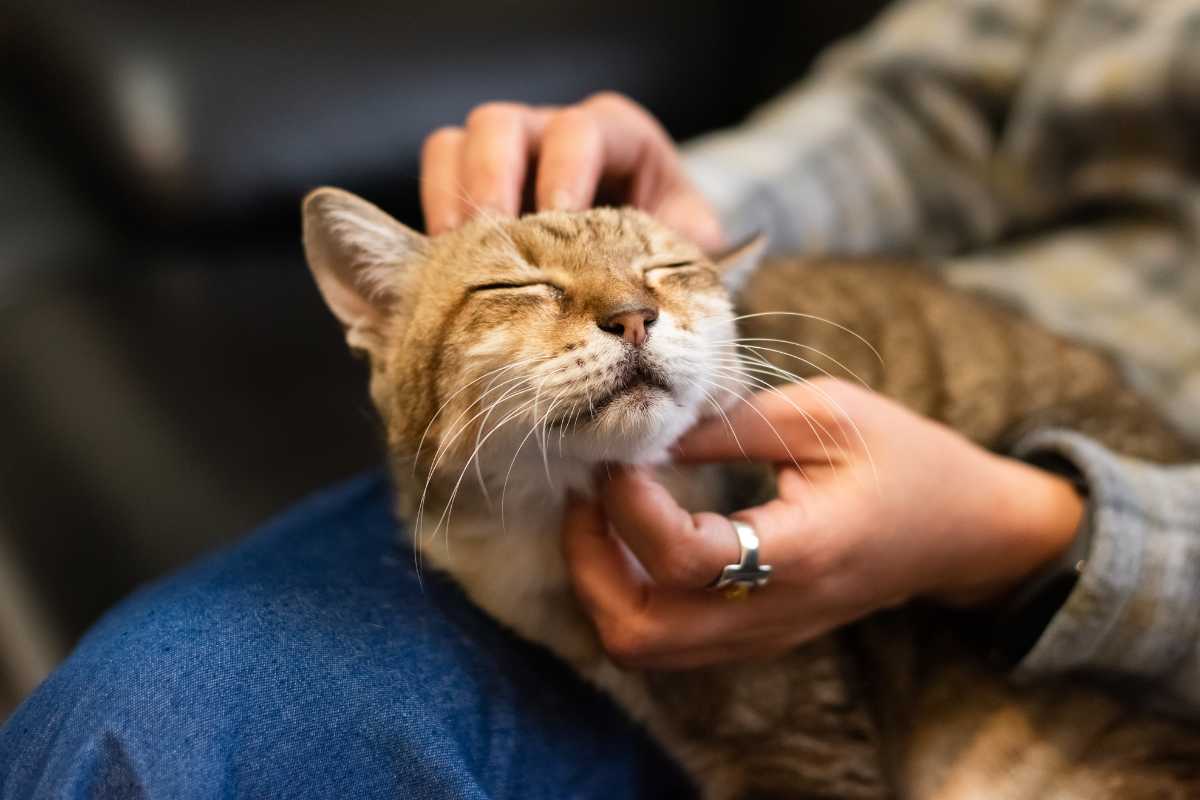
Quick Fix: Keep handling low and slow. Learn your cat’s consent cues (leans in, soft blinks) and stop at the first tail flick, ear flatten, or skin ripple. Provide a quiet retreat—a covered bed or high shelf in a calm room.
12) Ignoring Dental Health
Why it hurts: Dental disease is common and painful, affecting eating, behavior, and even the heart and kidneys.
Quick Fix: Start daily tooth brushing with cat-safe paste—tiny goals at first, focusing on the outer cheek surfaces. Add dental diets, gels, or vet-approved chews. Book professional cleanings as your vet advises and watch for bad breath, drooling, pawing at the mouth, or food reluctance.
13) Skipping Flea, Tick, and Parasite Prevention

Why it hurts: Even indoor cats can encounter parasites via people, other pets, or screens and balconies. Infestations cause itching, anemia, and disease transmission.
Quick Fix: Use a vet-recommended preventive year-round appropriate to your region and lifestyle. Avoid off-label or mixed products without guidance. If you see flea dirt (pepper-like specks), act promptly—treat the cat and the environment.
14) Dehydration and Poor Thermal Comfort
Why it hurts: Many cats drink too little water, increasing the risk of urinary problems. Drafty, sweltering, or sun-baked spaces also elevate stress.
Quick Fix: Offer multiple wide, shallow water bowls away from food and litter, refresh daily, and consider a water fountain. Add wet food for moisture. Provide warm, cushioned resting spots in winter and cool, shaded perches in summer; avoid direct radiator or blistering window ledges.
Smart Add-Ons That Boost Well-Being (Optional but Powerful)
Micro-environments: Create zones—eat, eliminate, scratch, perch, hide, and play—so your cat can choose what they need when they need it.
Routine with flexibility: Keep feeding and play times consistent, but rotate toys and routes to keep life interesting.
Observation habit: Spend a calm minute daily noting appetite, water intake, energy, litter output, and coat. You’ll spot changes early.
FAQs You’re Probably Wondering About
Is milk a good treat for cats?
Short answer: not really. Most adult cats are lactose intolerant; cow’s milk can cause diarrhea or stomach upset. If your cat loves milk, ask your vet about lactose-free cat milk and keep portions very small.
Do cats need baths?
Usually no—healthy cats groom themselves. Baths can be stressful and strip natural oils. If there’s a mess you can’t brush out, use cat-safe wipes or spot clean; for chronic greasiness or dandruff, check with your vet.
A Gentle Note on Behavior and Health

Behavior changes are often the first sign of discomfort or illness. If your cat’s habits shift—sleeping much more, hiding, skipping meals, or avoiding the box—call your veterinarian sooner rather than later.
Early action is kinder, cheaper, and far more effective.
Small Changes, Big Comfort: A Wrap-Up You Can Act On Today
The little choices we make—clean litter boxes, measured meals, two short play sessions, safe plants, and regular checkups—add up to a cat who feels safe, healthy, and understood.
Pick two changes from this list and start tonight. Set reminders for the rest across the week. Your reward will show up in softer blinks, a relaxed tail, and a cat who chooses your lap more often.
Editor’s note: This guide is informational and does not replace professional veterinary care. For personalized nutrition and medical advice, consult your veterinarian.
Handy Mini-Checklist
Scoop daily; boxes = cats + 1
Measure meals; add wet food for hydration
Reward, don’t punish
Two play sessions + puzzle feeders
Annual/biannual vet visits + preventives
No lilies; double-check plant safety
No declawing; train clawing choices
Smoke outdoors; go fragrance-light
No strings/ribbons as unattended toys
Offer choice and predictable attention
Handle gently, watch consent cues
Brush teeth; schedule cleanings
Year-round parasite control
Multiple water stations; manage heat/cold
With these clear, humane tweaks, you’ll prevent common problems and give your cat the calm, enriched life they deserve.

Source: Cat Lovers Forum
Did you find this post useful or inspiring? Save THIS PIN to your Pets Board on Pinterest!
You may also like