
15 Equestrian Life Hacks to Help You and Your Horse Thrive


Barn life is full of moving pieces, and the best tricks are the ones that quietly save time while protecting horse and human.
Below you’ll find focused ideas grouped by barn safety, organization, and health & behavior.
Each hack is designed to be simple to adopt, easy to maintain, and genuinely useful on busy days. Add one or two this week, then layer more as your routine settles.
Safety & Barn Efficiency
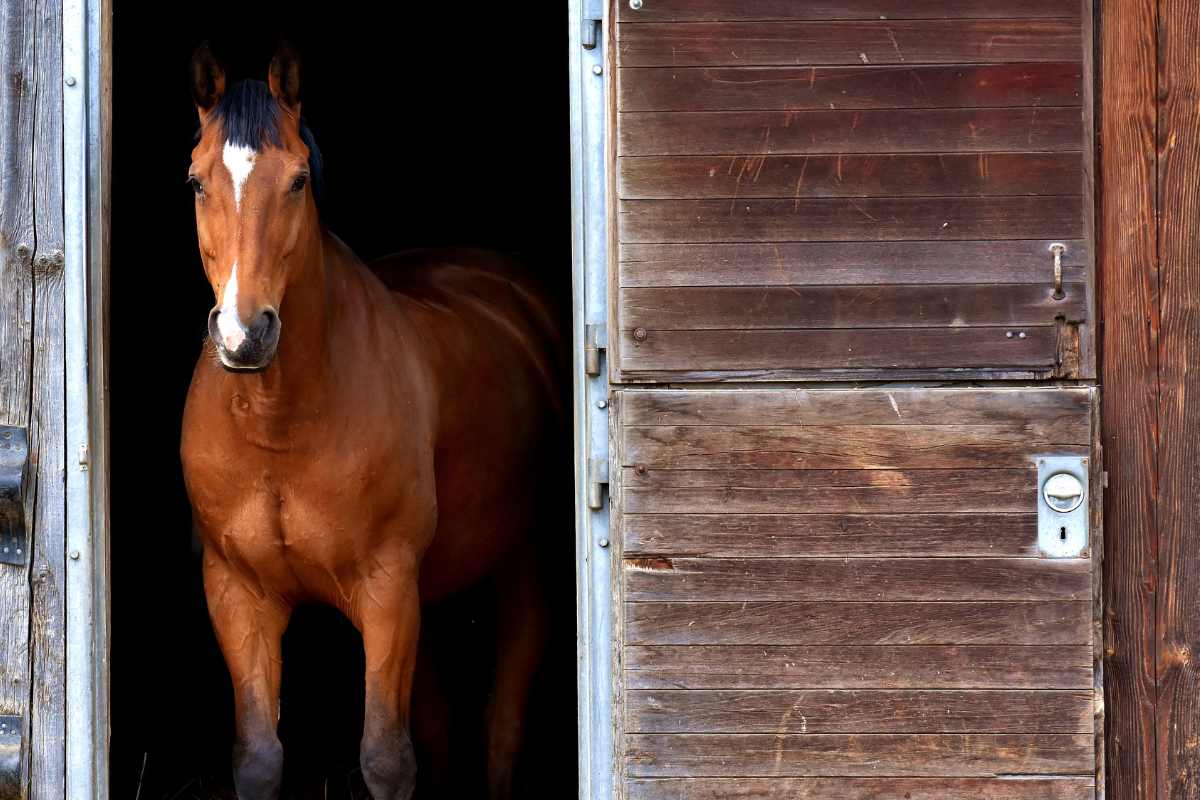
1) Make the quick-release knot your non-negotiable
A quick-release knot isn’t just a skill; it’s a habit that prevents panic from turning into injury. Tie at wither height to something solid, leave a short lead to reduce tangles, and always test the slip before you step away.
In moments that matter, being able to free a horse instantly is the difference between a scare and a serious accident. Making this your barn default also teaches helpers and riders a shared, safety-first language.
2) Pad sharp edges with pool noodles—properly
Pool noodles are a budget-friendly way to soften gate rails, stall edges, and trailer lips. Choose a thicker, denser noodle, slit it cleanly, and secure it with zip ties placed so horses can’t mouth or rub them loose.
This small buffer helps prevent hip knocks and rubbed shoulders during tight turns or loading. Inspect monthly and replace when compression lines deepen.
3) Add visibility where it counts
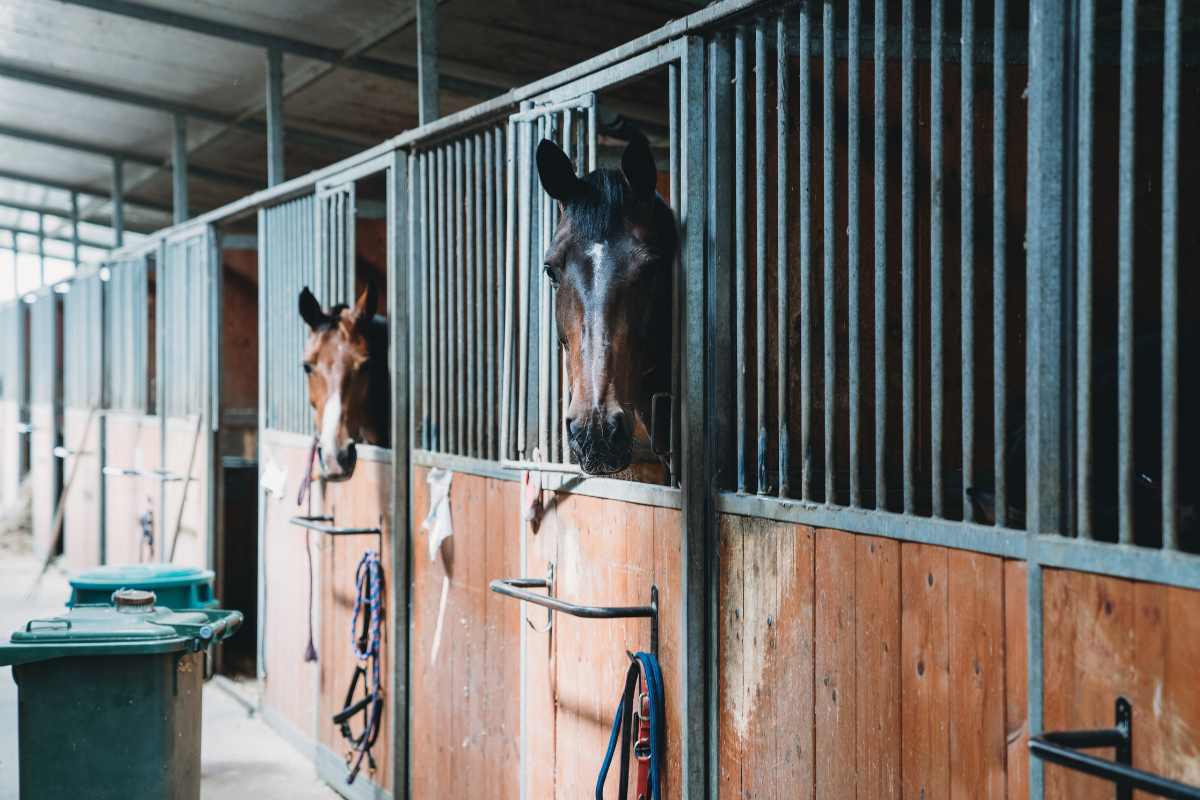
Stick reflective tape on wheelbarrow handles, gate latches, and halter crowns for dusk chores, and keep a headlamp clipped near every main door.
Visibility reduces trips and fumbles, speeds up evening routines, and keeps hands free when you need them most. A couple of well-placed strips also make night checks quieter because you’re not hunting for hardware in the dark.
4) Build a grab-and-go emergency kit
Create a slim binder or pouch by the tack room door with stall cards, recent photos of each horse, veterinary contacts, medication notes, trailer details, and a short barn map.
In a stressful moment—evacuation, colic, or a loose horse—having critical info in one place keeps everyone calm and coordinated. Add a small checklist for power outages or fire risk days and review it each season.
5) Fire-smart cords and water heaters
If you use de-icers or fans, protect cords in rigid covers, plug into GFCI outlets, and route cables where hooves and teeth can’t reach.
Dust and hay chaff collect on motors, so a quick wipe-down during weekly chores pays off. A safer electrical setup is invisible when it’s working—which is exactly the point. Prevention beats emergency response every time.
Organization & Gear Care
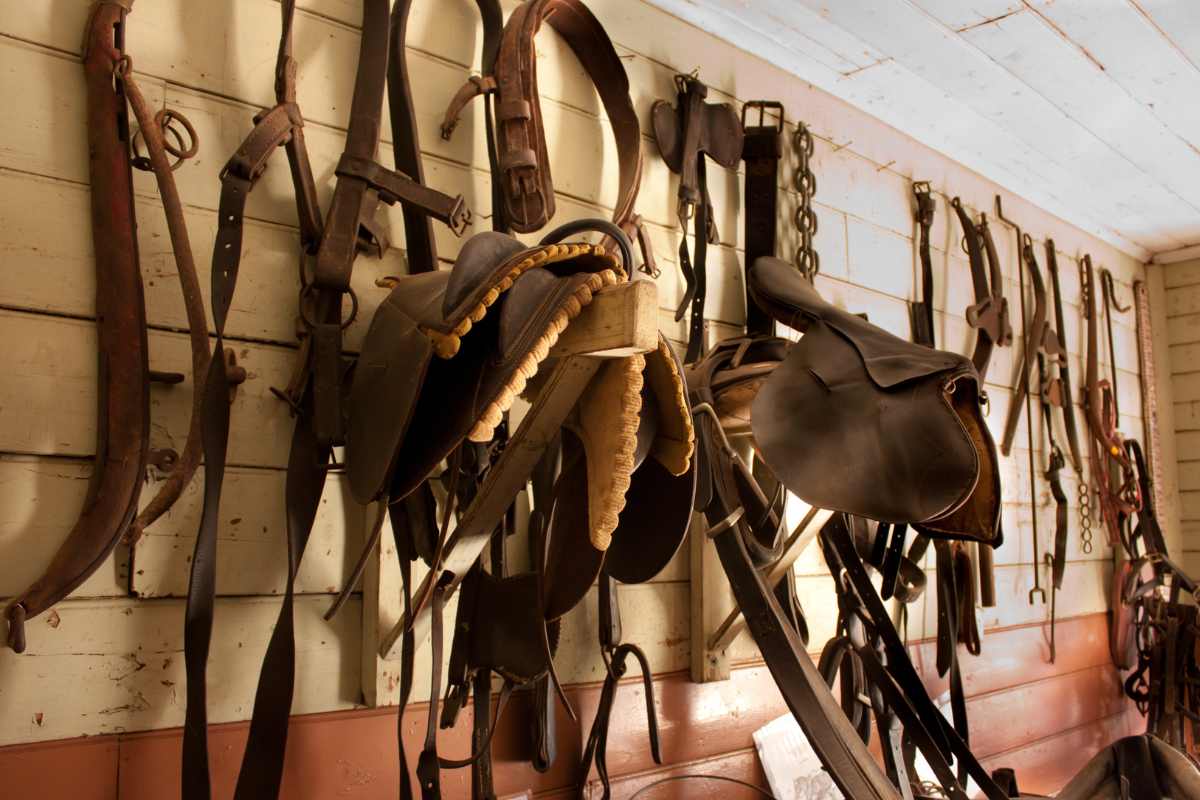
6) Over-the-door organizers that actually organize
Those clear shoe organizers are perfect for grooming brushes, fly spray, wound-care basics, and hoof picks. Label by category, keep sharps out of reach, and dedicate a bottom row for “barn wipes” so you can do lightning-fast tidies after rides.
Visibility means fewer duplicates and less time hunting. It also makes it easy for friends or barn sitters to find (and return) what they borrow.
7) Color-code for biosecurity
Assign colors to buckets, feed scoops, and grooming kits per horse or area. It sounds fussy, but color-coding quietly limits cross-contamination when a horse has a skin funk or a mild cough.
It also makes it obvious when something’s in the wrong place, which helps new helpers get it right. A simple color system protects health without adding tasks to your day.
8) Load hay nets without the wrestle
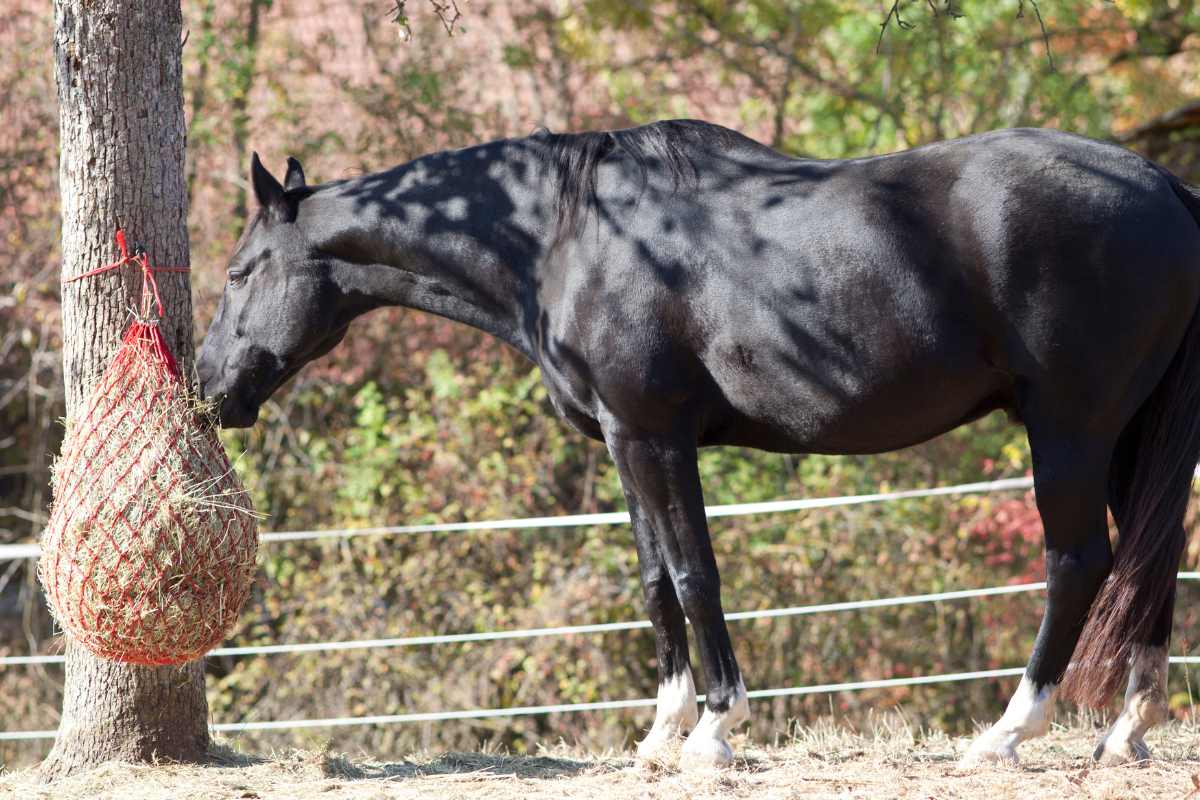
Stand a sturdy muck tub or trash can inside a corner, stretch the hay net around the rim, and flake hay directly in. Tie off, then lift the filled net in one clean motion.
Choose mesh that suits your horse’s pace—tighter for the enthusiastic eater, wider for the picky one—so slow feeding supports calm, steady digestion. This saves shoulders and minutes, twice a day, forever.
9) The two-minute tidy
Before you leave the aisle, do a tiny reset: sweep a few strokes, coil the hose, wipe reins once, and hang the girth to air. Two minutes per ride prevents the kind of mess that steals twenty later.
It also keeps pests down and leather healthier, which pays off in ride quality and gear life. Small resets are the backbone of a barn that always feels ready.
Health, Nutrition & Hydration
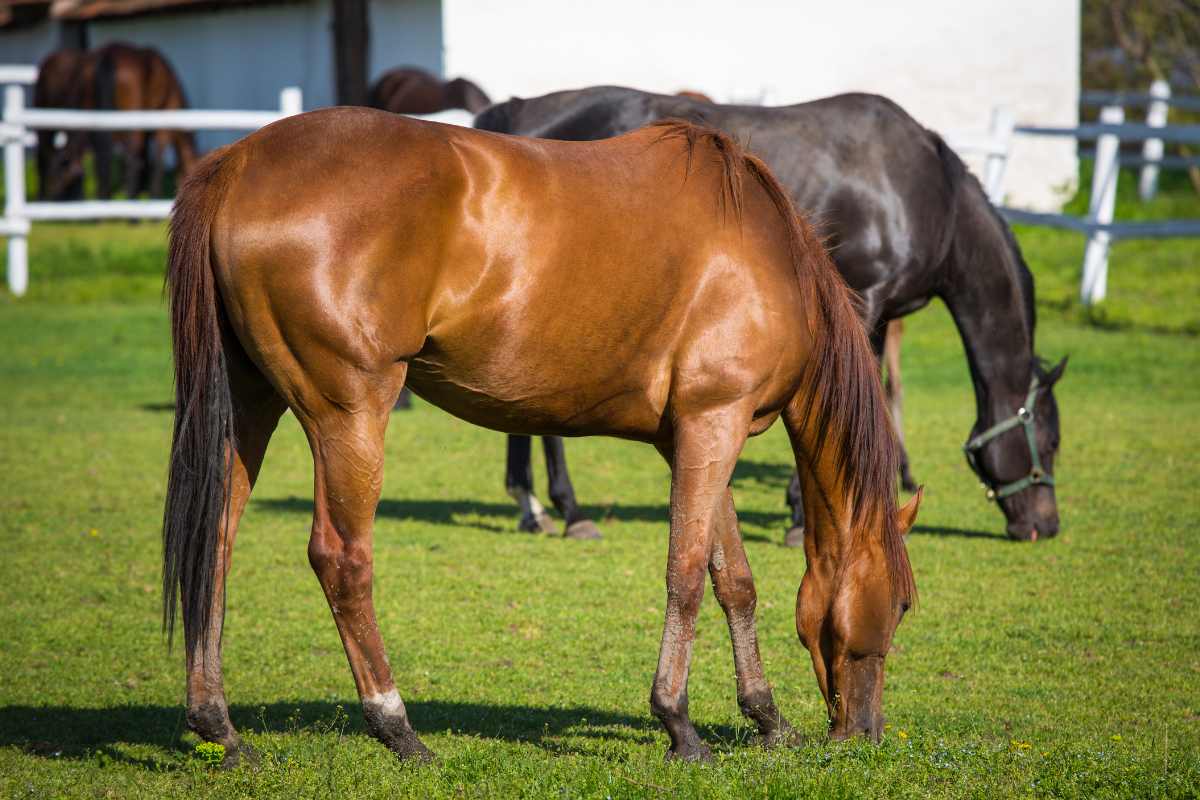
10) Hydration that travels with you
Some horses drink poorly away from home. Pre-flavor their water at the barn with a vet-approved electrolyte, a splash of “beet tea,” or a familiar mash, so the taste on the road isn’t a surprise.
Always offer plain water alongside any flavored option, and consult your veterinarian about electrolytes for your horse’s workload and climate. Familiar taste = better intake.
11) Keep buckets and troughs inviting
Daily rinses and a proper scrub schedule prevent algae and slime that turn horses off drinking. Shade helps in summer; so does placing troughs where wind can move the surface a bit.
If you use tank treatments, follow directions to the letter and watch sensitive horses. Clean, cool water is the quiet workhorse of barn health.
12) A hoof-care rhythm that sticks
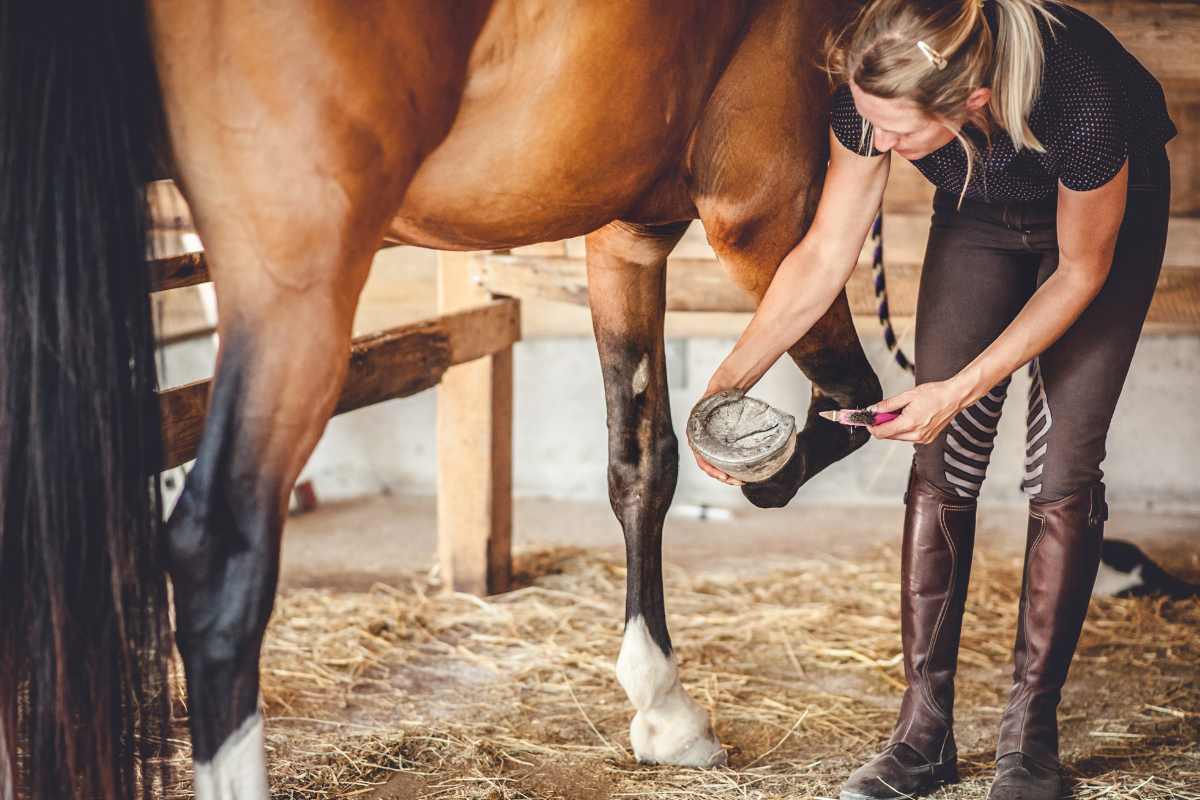
Hang a hoof pick by the exit and build a “last touch” routine: curry, brush, pick. Add a small wall calendar or phone reminder to track farrier dates and thrush checks.
Most hoof problems improve with consistency—dry bedding, smart turnout, and air circulation are unsung heroes for happy frogs. Regular notes help you see patterns before they become problems.
13) Slow feeders for calmer guts and minds
For easy-keepers and anxious eaters, slow-feed nets or safe, well-designed hay boxes lengthen chew time, stabilize energy, and help prevent boredom nipping.
Mount at chest height, keep knots tidy, and inspect regularly. When the forage trickles instead of dumps, everything from gastric comfort to herd harmony improves.
14) Feed changes the right way
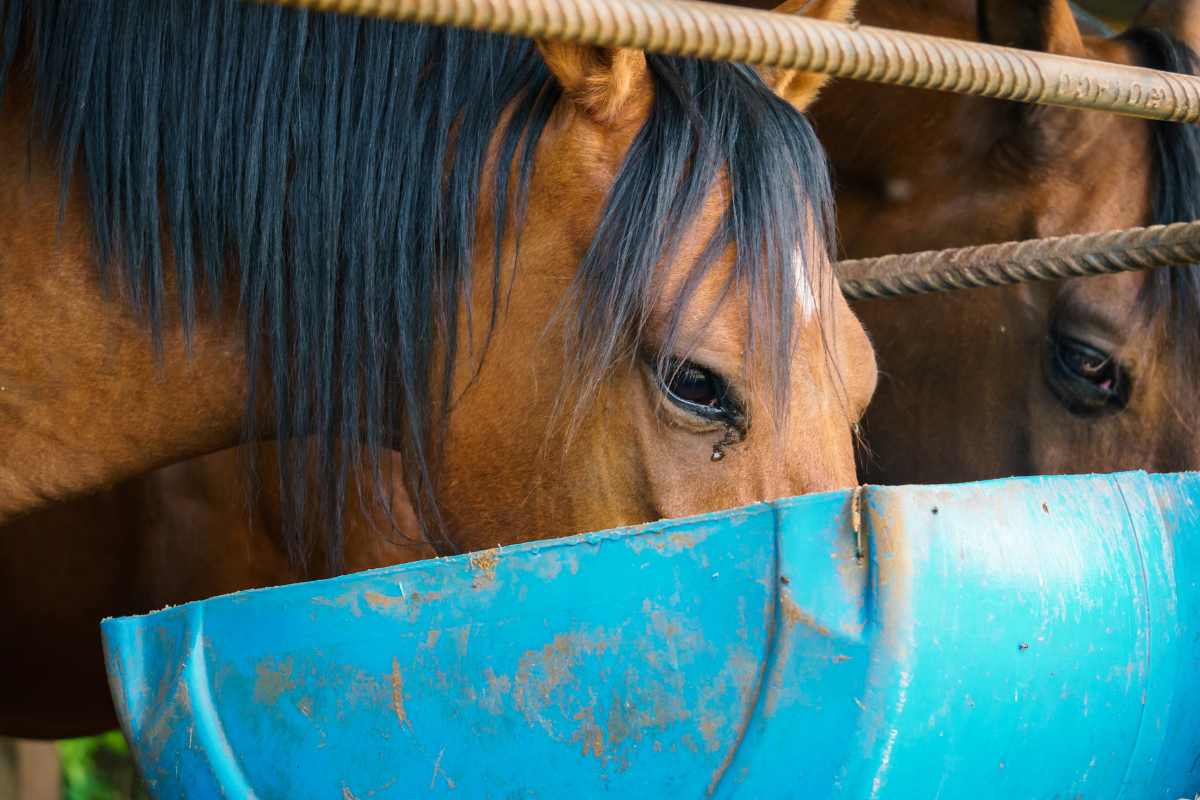
If you adjust feed, do it gradually and track small changes in manure, coat, and mood. A simple notebook—date, change, observation—will teach you how your individual horse “talks” through little signals.
Pair slow adjustments with notes and you’ll catch what works long before issues snowball. Go slow to go far with nutrition.
15) Treats that reinforce the mindset you want
Treats can reinforce calm, not just “cute.” Offer them when your horse lowers their head, breathes out, or waits politely, rather than when they push or crowd.
The message becomes “softness pays,” which carries over into leading, tacking, and loading. Reward the behavior you want to grow, and barn manners improve without drama.
Putting It All Together
Group your barn by function
Think in zones: water and feed prep here, grooming there, meds where it’s clean and cool, and tools in a single, obvious rack.
When everything has a “home,” volunteers and friends can help without asking, and you’ll feel the barn breathe easier. Good systems make good habits almost automatic.
Add one habit at a time
Layering all fifteen ideas at once can feel like a lot. Start with the highest-impact pair—quick-release knots and water hygiene—then add a color-coded kit and the two-minute tidy.
The beauty of these hacks is that they compound; the more you adopt, the more time and calm you get back.
What success looks like
It’s not a spotless aisle or every brush in a perfect pocket.
Success is a horse who drinks well on hot days, a farrier visit that’s predictable, an evening routine that feels smooth, and tack that lasts because you give it air and a quick wipe. Small systems beat heroic efforts every time.
A final nudge: choose one hack, make it yours this week, and notice what changes. Then come back for another. Your horse will feel the difference—and so will you.
Enjoy The Video About Horses

Source: Growing Hannah's Homestead
Did you find this post useful or inspiring? Save THIS PIN to your Pets Board on Pinterest!

You may also like