
15 Things Dogs Hate about Humans


As much as we love our dogs and want to make them happy, it's not always easy to understand their needs. Sometimes, without even realizing it, we may be doing things that frustrate them.
Dogs, like humans, have their own preferences and dislikes, and understanding these can go a long way in building a stronger, more harmonious relationship with our furry friends. Here are 15 things dogs hate about humans, and what you can do to avoid them.
1. Being Rushed at Potty Time
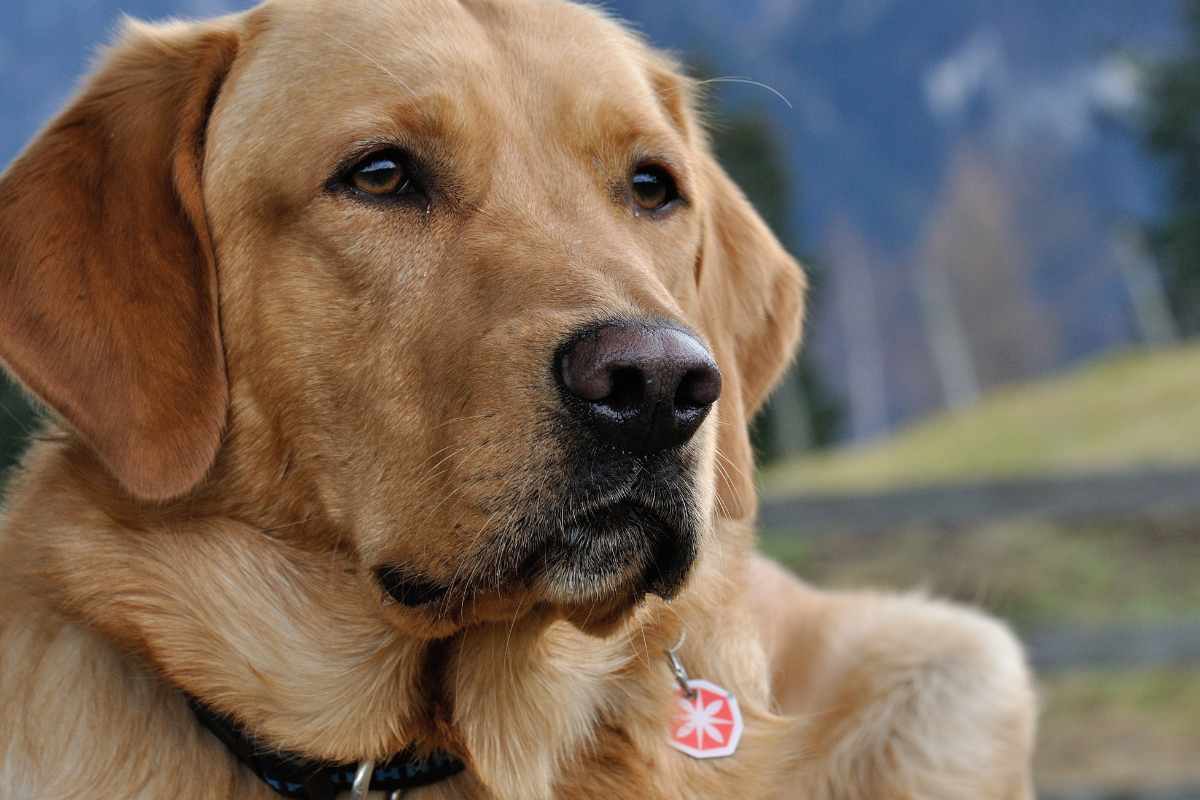
One of the most frustrating things for a dog is being rushed when they need to go to the bathroom. Dogs like to take their time when they need to relieve themselves, and forcing them to hurry can cause anxiety and stress.
What You Can Do:
Allow your dog to take their time outside without rushing them.
Be patient and give them space to finish their business before bringing them back inside.
2. Inconsistent Training
Dogs thrive on consistency. When training is inconsistent, they become confused about what is expected of them. This can lead to behavioral problems and frustration for both the dog and the owner.
What You Can Do:
Be consistent with commands, rewards, and discipline.
Ensure that everyone in the household is on the same page regarding training methods.
3. Lack of Communication
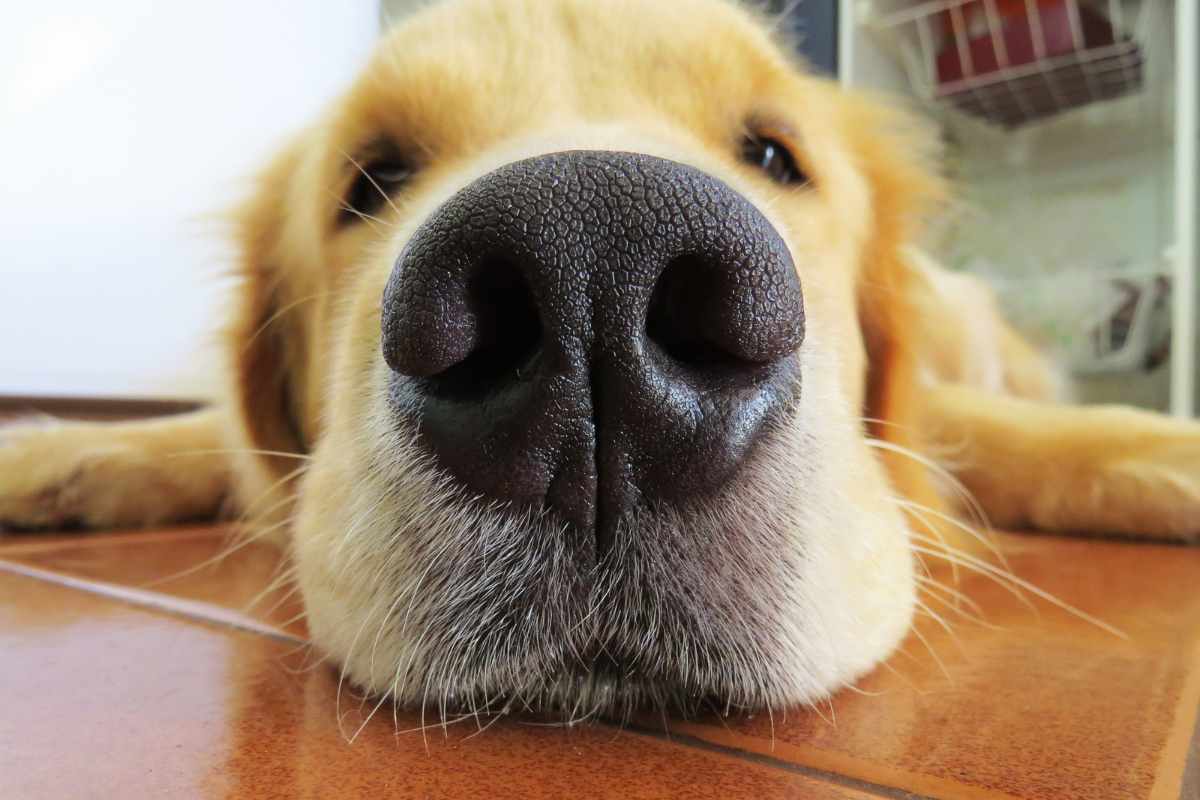
Dogs are highly communicative animals, but they rely on us to understand their body language. Ignoring or misinterpreting their signals can make them feel misunderstood and anxious.
What You Can Do:
Pay attention to your dog’s body language, such as tail wagging, ear positioning, and facial expressions.
Respond to their needs promptly, whether it’s playtime, food, or a break from activity.
4. Being Left Alone for Too Long
Dogs are social animals and need companionship. Leaving them alone for extended periods can cause separation anxiety and lead to destructive behavior.
What You Can Do:
Avoid leaving your dog alone for too long. If you must, consider hiring a dog sitter or arranging playdates with other dogs.
Create a safe, comfortable space for them to relax while you're gone.
5. Loud Noises

Dogs have sensitive hearing, and loud noises such as vacuum cleaners, thunderstorms, or even loud conversations can be unsettling.
What You Can Do:
Minimize noise when possible and create a calm environment.
During storms or other loud events, provide your dog with a safe space where they feel secure.
6. Too Much Attention, Too Soon
While dogs love affection, being bombarded with attention, especially when they're not in the mood, can stress them out. Overly affectionate humans can overwhelm a dog, leading to avoidance behaviors.
What You Can Do:
Respect your dog’s boundaries. Let them come to you when they want attention.
Look for cues that indicate they need a break, such as turning their head away or moving to another spot.
7. Being Forced to Share
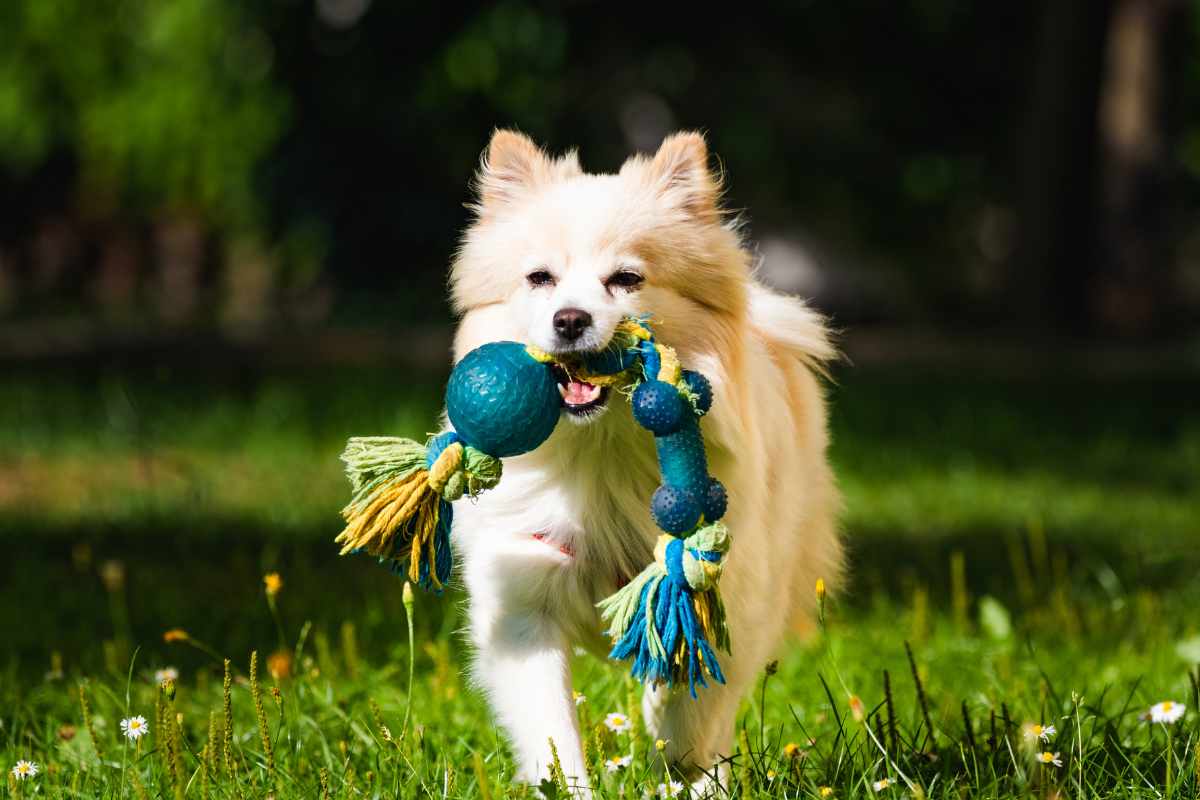
Dogs can be possessive of their toys, food, and space. Forcing them to share these items, especially with other pets, can lead to aggression or anxiety.
What You Can Do:
Respect your dog’s space and avoid forcing them to share their food or toys.
If you have multiple pets, feed them in separate areas to reduce competition.
8. Lack of Mental Stimulation
Dogs need mental stimulation to stay happy and healthy. Boredom can lead to destructive behavior, including chewing furniture or excessive barking.
What You Can Do:
Provide interactive toys, puzzles, and games to keep your dog mentally engaged.
Take them on different routes during walks to give them new experiences.
9. Ignoring Their Needs for Physical Exercise
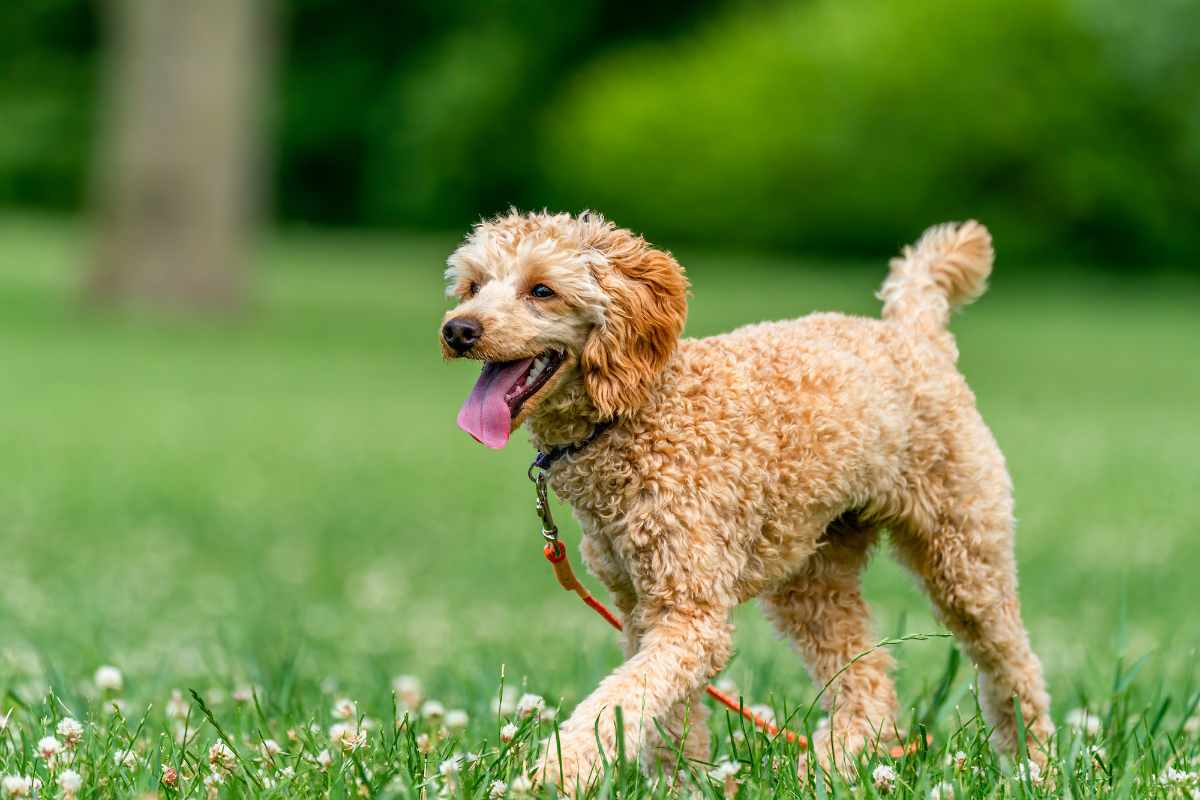
Dogs need regular physical exercise to maintain their health and happiness. Not providing enough exercise can lead to pent-up energy and behavioral issues.
What You Can Do:
Ensure your dog gets daily walks, runs, or playtime in a safe and stimulating environment.
Tailor their exercise routine to their breed and energy level.
10. Unpredictable Schedules
Dogs rely on routines, and an unpredictable schedule can cause stress and anxiety. If feeding, walking, or bedtime is inconsistent, your dog might become unsettled.
What You Can Do:
Try to keep a consistent routine for feeding, walks, and bedtime.
If your schedule changes, gradually adjust your dog's routine to match.
11. Being Forced into Uncomfortable Situations
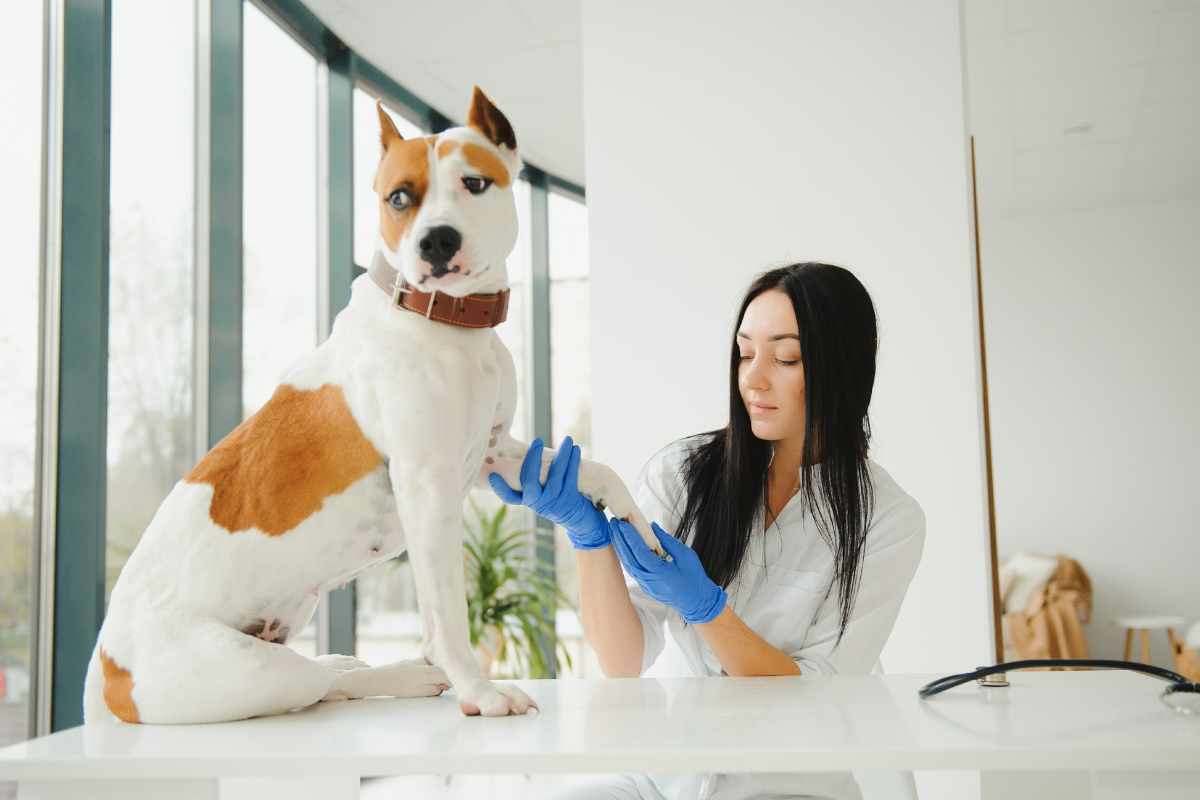
Whether it’s a trip to the vet, meeting new people, or getting groomed, dogs don’t always appreciate being forced into situations they aren’t comfortable with.
What You Can Do:
Take things slow and let your dog adjust to new experiences at their own pace.
Use positive reinforcement to make stressful situations more tolerable.
12. Not Respecting Their Personal Space
Just like humans, dogs need their own space. Forcing physical contact, especially when they’re already relaxed, can cause them stress or even aggression.
What You Can Do:
Let your dog have their own space, like a quiet corner or bed, where they can relax undisturbed.
Avoid excessive petting or hugging if your dog isn’t asking for attention.
13. Being Yelled At

Dogs are sensitive to the tone of your voice. Yelling or raising your voice can cause fear and confusion, making it harder for your dog to understand what you want from them.
What You Can Do:
Use a calm, firm tone when giving commands.
Positive reinforcement is more effective than punishment for modifying behavior.
14. Inadequate Socialization
Dogs need to be properly socialized with people, other dogs, and different environments. Lack of socialization can lead to fear, anxiety, and aggression.
What You Can Do:
Expose your dog to various people, places, and other animals from an early age.
Take them to dog parks or arrange playdates with other dogs to enhance their social skills.
15. Neglecting Grooming Needs
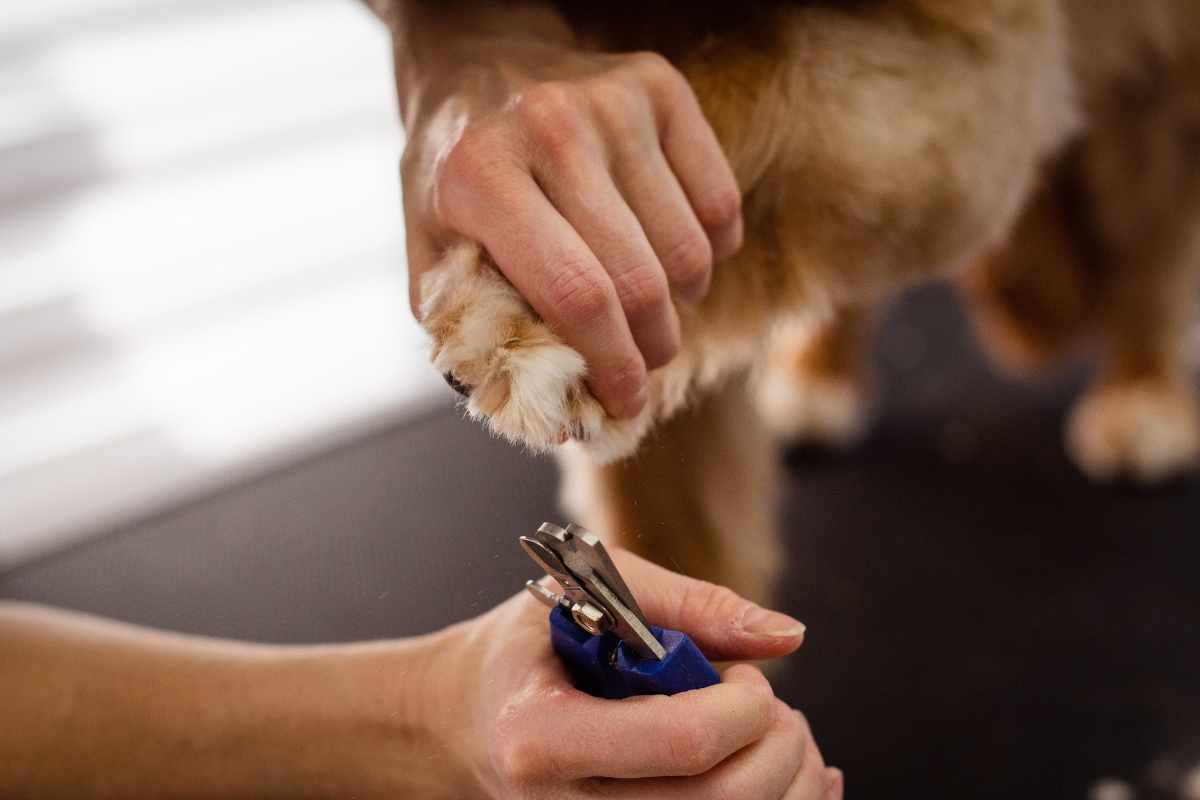
Regular grooming is essential for your dog's health. Neglecting grooming, whether it’s brushing their coat or trimming their nails, can cause discomfort and even health problems.
What You Can Do:
Brush your dog regularly to prevent matting and reduce shedding.
Keep their nails trimmed and take care of their ears and teeth to ensure overall well-being.
Conclusion: Building a Stronger Bond with Your Dog
Understanding your dog’s dislikes and preferences is key to building a deeper, more trusting relationship.
By being mindful of their needs and creating a safe, nurturing environment, you can avoid many common mistakes that cause frustration for both you and your dog.
Remember, patience, consistency, and love are the foundations of a happy life together. Share this article with fellow dog owners and help create a more harmonious world for our beloved pets!
Source: Jaw-Dropping Facts
Did you find this post useful or inspiring? Save THIS PIN to your Pets Board on Pinterest!

You may also like