
16 Mistakes that Shorten Your Dog's Life


A long, happy life with your dog doesn’t happen by accident—it’s the result of daily choices. Below you’ll find the most common mistakes that quietly chip away at canine health and exactly how to fix them.
Each section includes quick, practical steps you can start today. Use this as a friendly guide, not a lecture, and adapt it to your dog’s age, breed, and lifestyle.
Mistake 1: Neglecting Dental Care
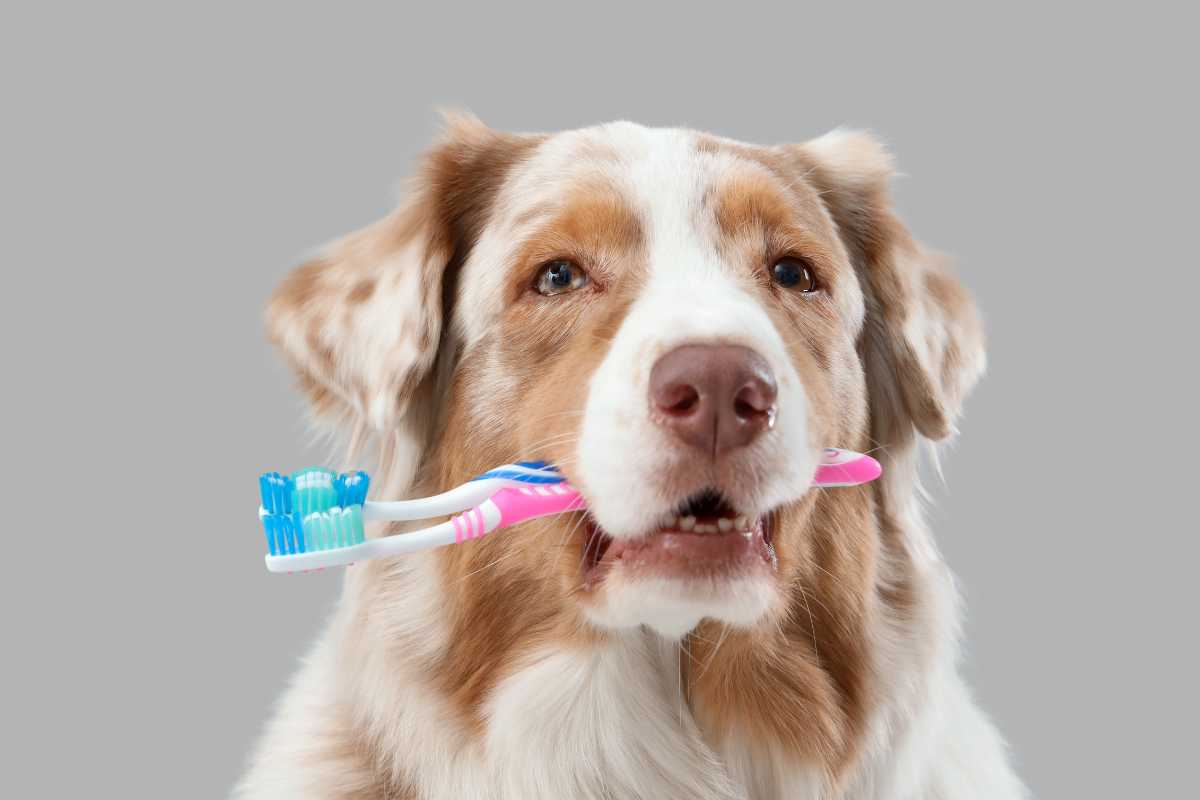
Poor oral hygiene can lead to pain, tooth loss, and infections that stress the heart, kidneys, and liver. Bad breath isn’t “normal dog smell”—it’s inflammation.
What to do instead
Brush teeth 3–4 times per week with dog toothpaste, offer veterinary-approved dental chews, and schedule professional cleanings when your vet recommends them. Watch for red gums, brown tartar, or pawing at the mouth.
Mistake 2: Skipping Core Vaccinations and Boosters
Falling behind on core vaccinations leaves dogs vulnerable to serious diseases. Puppies and seniors are especially at risk.
What to do instead
Follow your vet’s schedule for distemper, adenovirus, parvovirus, and rabies, plus local non-core vaccines if warranted. Keep records updated and ask about titer testing when appropriate.
Mistake 3: Inconsistent Parasite Prevention

Fleas, ticks, and intestinal worms spread disease and weaken the immune system. In many regions, year-round protection is safest.
What to do instead
Use vet-recommended parasite prevention consistently. Add tick checks after walks, wash bedding regularly, and pick up waste daily to reduce reinfection.
Mistake 4: No Heartworm Prevention or Testing
Mosquitoes transmit heartworm, which can become life-threatening before you notice symptoms.
What to do instead
Give monthly heartworm prevention (or your vet’s preferred schedule) and test annually. Set calendar reminders so doses aren’t missed.
Mistake 5: Overfeeding and Free-Feeding
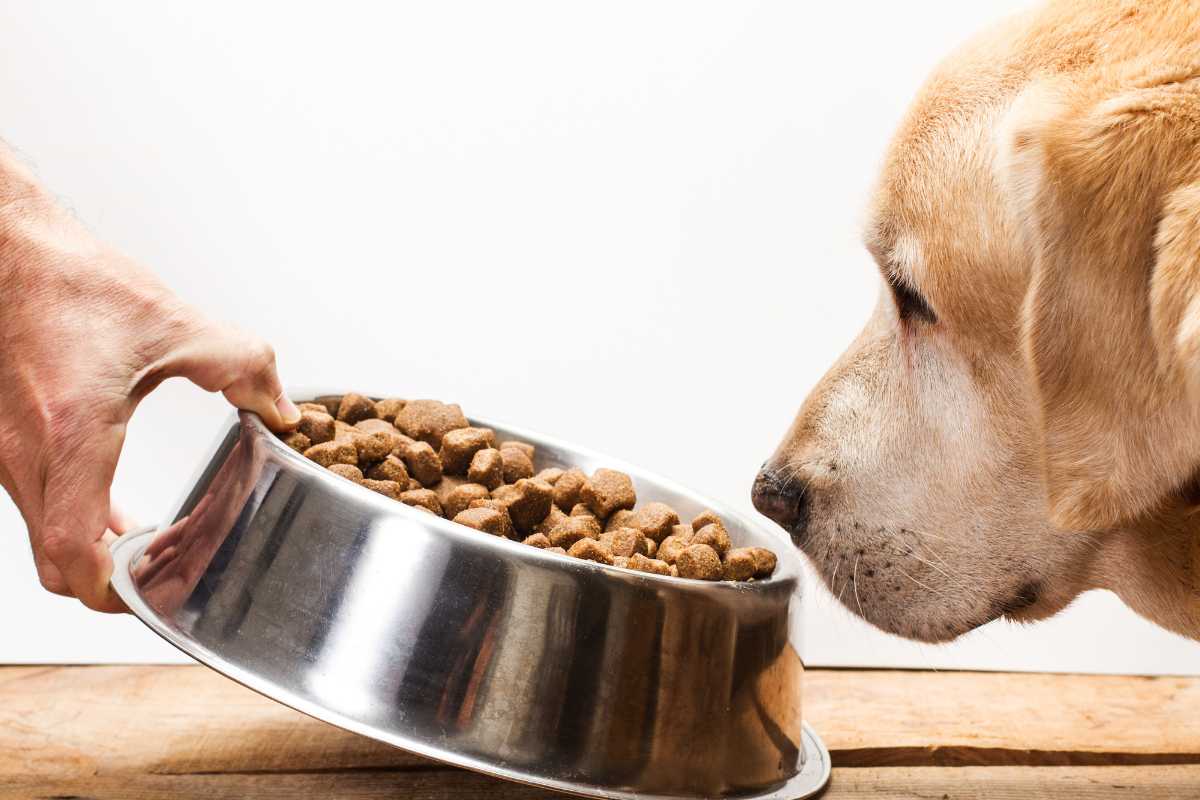
Extra weight shortens lifespan and worsens arthritis, diabetes, and heart disease. Treats add up fast.
What to do instead
Feed measured portions based on ideal body weight. Aim for a Body Condition Score (BCS) of 4–5/9—you should feel ribs without a thick fat layer. Use healthy training treats and count them in the daily total.
Mistake 6: Poor-Quality or Unbalanced Diet
Table scraps, unbalanced homemade diets, and constant brand-hopping can lead to nutrient gaps and tummy troubles.
What to do instead
Choose complete and balanced food appropriate for life stage and size. If you home-cook, work with a veterinary nutritionist to hit all nutrients. Switch foods gradually over 7–10 days.
Mistake 7: Not Enough Exercise (or the Wrong Kind)

Under-exercised dogs get bored, anxious, and overweight. Overdoing high-impact activities can cause injuries, especially in large or young dogs.
What to do instead
Build a daily movement plan: brisk walks, sniffaris, fetch on soft ground, swimming, or puzzle-based play. Adjust for age and breed; short, frequent sessions beat weekend marathons.
Mistake 8: Skipping Mental Enrichment
Boredom increases stress hormones and leads to destructive behaviors.
What to do instead
Rotate puzzle feeders, scatter feed in the yard, teach two new cues per month, and add nose work games. Ten focused minutes of training often equals a long walk for mental fatigue.
Mistake 9: Ignoring Subtle Pain and Mobility Changes
Dogs hide discomfort. Hesitating on stairs, lagging on walks, or sudden irritability may signal pain.
What to do instead
Ask your vet to evaluate for arthritis or soft-tissue injury. Support joints with weight management, low-impact exercise, ramps, orthopedic beds, and vet-approved pain control or supplements when appropriate.
Mistake 10: Delaying Vet Visits and Screenings

Waiting until a dog “seems sick” can mean missing early, more treatable stages of disease.
What to do instead
Schedule annual wellness exams for healthy adults; twice-yearly for seniors or dogs with chronic issues. Discuss baseline bloodwork, fecal checks, and dental assessments.
Mistake 11: Unsafe Home and Yard
Household toxins, unsecured trash, and open gates cause many preventable emergencies.
What to do instead
Dog-proof your space: secure cleaners and medications, close trash cans, use baby gates where needed, and fence or leash outdoors. Teach a rock-solid recall and “leave it.”
Mistake 12: Allowing Access to Common Toxins

Chocolate, grapes/raisins, xylitol (in sugar-free gum and some nut butters), onions, and human NSAIDs are frequent culprits.
What to do instead
Keep a no-go list posted on the fridge. Store dangerous foods and meds out of reach. If ingestion occurs, call your veterinarian or a poison helpline immediately—don’t wait for symptoms.
Mistake 13: Poor Grooming and Skin Care
Matted coats, overgrown nails, and dirty ears cause pain and infections. Double-coated breeds should not be shaved in hot weather (it can damage the coat and worsen heat stress).
What to do instead
Brush as recommended for your dog’s coat type, trim nails every 2–4 weeks, clean ears gently after baths or swims, and bathe with dog-safe shampoo. Ask a groomer or vet for a routine tailored to your breed.
Mistake 14: Inconsistent Training and Stressful Handling

Yelling, rough corrections, or mixed rules create anxiety and erode trust.
What to do instead
Use positive reinforcement and clear, consistent cues. Reward calm behaviors. If issues escalate (resource guarding, reactivity), consult a force-free trainer or behaviorist.
Mistake 15: Lax Identification and Emergency Planning
Even well-trained dogs can slip a collar or bolt during storms or fireworks.
What to do instead
Use a microchip with current contact info, a collar tag with your phone number, and consider a GPS tracker if you hike or travel. Keep a go-bag with meds, vaccine records, and a recent photo.
Mistake 16: Not Adjusting Care as Dogs Age

Senior dogs need different nutrition, movement, and monitoring than lively adolescents.
What to do instead
Shift to senior wellness: softer bedding, traction rugs, slightly warmer walks, joint-friendly play, and twice-yearly checkups. Discuss diet tweaks, dental care frequency, and pain management.
Senior Dogs: Small Tweaks That Add Up
Older dogs thrive on predictable routines, gentle range-of-motion exercises, and brain games (snuffle mats, scent trails). Keep nails short to improve posture and balance.
Consider raised bowls if neck arthritis is present, and use night lights for dogs with vision changes. Most importantly, keep them lean—a healthy weight is one of the biggest longevity boosters.
Quick “Error → Action” Table (save or print)
Dental neglect → Brush 3–4×/week, chews, pro cleanings.
No vaccines → Follow core schedule, discuss titers.
Parasites/heartworm → Year-round prevention, annual testing.
Overfeeding → Measure meals, aim for BCS 4–5/9.
Low-quality diet → Complete & balanced food or nutritionist-guided home diet.
Too little exercise → Daily plan; add sniff time and low-impact options.
No enrichment → Puzzle feeders, short training bursts, nose work.
Ignoring pain → Vet exam; weight control, ramps, orthopedic bed.
Skipping checkups → Annual (adults) or biannual (seniors) wellness visits.
Home hazards → Lock toxins, secure trash, teach leave it.
Toxins (chocolate/xylitol) → Post no-go list, call vet ASAP.
Grooming gaps → Brush, nail trims every 2–4 weeks, ear care.
Harsh training → Positive reinforcement, pro help if needed.
Weak ID → Microchip + tag, update details, consider GPS.
No senior adjustments → Softer bedding, traction, gentle exercise, biannual exams.
Daily and Monthly Checklist

Daily: fresh water, measured meals, movement + enrichment, quick body scan (gums, eyes, paws), love and calm touch.
Weekly: nail check, ear glance, weight/waistline look, rotate toys.
Monthly: weigh-in, flea/tick/heartworm dose, wash bedding.
Seasonally: review training goals, refresh ID info, replace frayed gear.
Annually: wellness exam, dental plan, bloodwork as advised.
Friendly FAQs

How often should my dog have a dental cleaning?
Home care is your foundation—brushing several times a week. Many dogs benefit from a professional cleaning every 12–24 months, but frequency depends on breed, age, and tartar buildup. Your vet will tailor the plan.
What vaccines are “core” for dogs?
Distemper, adenovirus (hepatitis), parvovirus, and rabies are considered core in most regions. Ask about local risks (e.g., leptospirosis) and booster timing suited to your dog’s lifestyle.
How do I know if my dog is overweight?
At an ideal BCS of 4–5/9, you can feel ribs easily without a thick fat pad, see a waist from above, and an abdominal tuck from the side. If unsure, ask your vet for a quick hands-on assessment.
Is year-round heartworm prevention really necessary?
In many areas, yes—mosquito seasons are longer than we think, and missed doses raise risk. Prevention is far safer (and cheaper) than treatment. Confirm the best plan for your climate with your vet.
What’s one change that makes the biggest difference?
Keep your dog lean, moving, and mentally engaged. Combine healthy weight, consistent exercise, and daily enrichment with routine vet care—this trio adds quality years.
Final Word

You don’t need perfection to protect your dog’s lifespan—just consistent, simple habits.
Pick two improvements to start tonight (maybe a measured dinner and a five-minute sniff game), set a reminder for parasite protection, and book that wellness visit you’ve been postponing. Small, steady steps compound into a longer, happier life together.
Source: Jaw-Dropping Facts
Did you find this post useful or inspiring? Save THIS PIN to your Pets Board on Pinterest!

You may also like