
18 Things Hamsters Hate - Avoid Doing It


Hamsters are wonderful, small pets that can bring a lot of joy to your life. However, they are also quite sensitive creatures, and certain things can cause them stress or harm. As a responsible pet owner, it’s important to create an environment where your hamster can thrive.
In this article, we’ll discuss the 18 things hamsters hate and provide tips on how to avoid doing them to keep your furry friend happy and healthy.
1. Overcrowding Their Cage
Hamsters love having space to roam and explore. Overcrowding their cage with too many accessories or too much bedding can create stress and make them feel trapped. It's important to keep the cage clean and spacious, with enough room for your hamster to move freely and enjoy themselves.
2. Leaving Them in Direct Sunlight

Hamsters are nocturnal creatures, and they do not tolerate heat well. Direct sunlight can cause overheating, which is dangerous for their health. Place their cage in a cool, shaded area away from direct sunlight to ensure they are comfortable and safe.
3. Loud Noises and Sudden Movements
Hamsters have sensitive ears and can be easily startled by loud noises or sudden movements. This can cause them to feel frightened and anxious. Try to keep their environment calm and quiet, and avoid making abrupt movements around their cage.
4. Not Providing Fresh Water Regularly

One of the most important aspects of hamster care is providing fresh water at all times. Hamsters rely on hydration to stay healthy, and dirty or stagnant water can lead to illness. Always check their water bottle for cleanliness and ensure they have access to fresh water every day.
5. Using Unsafe Bedding Materials
Not all bedding materials are safe for hamsters. Sawdust, for example, can irritate their respiratory system and cause health issues. Choose bedding that is dust-free, absorbent, and safe for small animals, such as paper-based bedding or aspen wood shavings.
6. Ignoring Their Need for Exercise

Hamsters need regular exercise to stay healthy. Lack of exercise can lead to obesity and boredom. Provide your hamster with a hamster wheel or other toys like tunnels and climbing structures to keep them active and entertained.
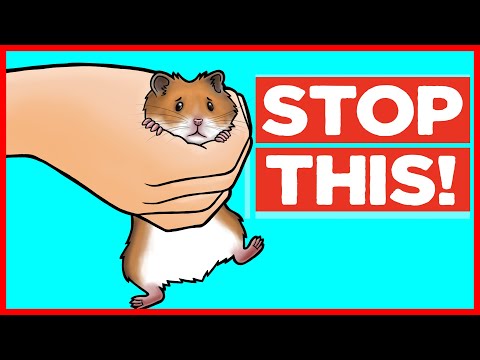
7. Handling Them Roughly
Hamsters are small and delicate creatures. Rough handling can cause stress and even injury. Always handle your hamster gently, supporting their body and allowing them to feel secure in your hands. If your hamster seems frightened or uncomfortable, give them space to calm down.
8. Keeping Them Alone for Too Long

While hamsters are solitary animals, they still need attention and social interaction. Leaving them alone for extended periods without enrichment can lead to stress and loneliness. Spend time with your hamster every day to provide them with the companionship they need.
9. Exposing Them to Other Pets
Hamsters are prey animals and can feel threatened by other pets, such as dogs or cats. Allowing other pets near your hamster's cage can cause anxiety and stress. Keep other pets away from your hamster’s living space to ensure their safety and well-being.
10. Giving Them Unhealthy Foods

Hamsters have specific dietary needs, and feeding them unhealthy foods can cause health problems. Avoid feeding them sugary treats, processed foods, or items that are toxic to them, such as chocolate or citrus fruits. Stick to a balanced diet of hamster pellets, fresh vegetables, and small amounts of fruits.
11. Making Their Cage Too Hot or Too Cold
Hamsters are sensitive to temperature extremes. Exposing them to very hot or cold temperatures can lead to stress and health problems. Keep their cage in a room with a stable temperature, ideally between 65°F and 75°F (18°C to 24°C).
12. Disrupting Their Sleep Schedule

Hamsters are nocturnal, meaning they are most active at night. Disturbing their sleep during the day can cause stress and make them feel unsafe. Allow your hamster to sleep undisturbed during the daytime, and avoid making loud noises or tapping on their cage.
13. Using Smelly or Toxic Cleaning Products
Harsh chemicals and strong-smelling cleaning products can irritate your hamster’s sensitive nose and respiratory system. When cleaning their cage, use safe, non-toxic cleaners, and avoid using strong perfumes or chemicals that may harm them.
14. Not Giving Them Enough Space to Hide

Hamsters are naturally shy and enjoy having places to hide when they feel scared or stressed. Make sure their cage includes hiding spots such as small houses or tunnels where they can retreat and feel safe when they need a break from the world.
15. Ignoring Cage Hygiene
A dirty cage can lead to a buildup of harmful bacteria and cause health issues for your hamster. Clean your hamster’s cage regularly, removing soiled bedding, uneaten food, and waste. This will help maintain a healthy environment for your pet.
16. Letting Them Chew on Dangerous Objects

Hamsters love to chew on things, but it’s important to provide safe objects for them to gnaw on. Allowing them to chew on plastic or painted objects can lead to injury or poisoning. Provide safe chew toys made from untreated wood or cardboard to satisfy their natural chewing instincts.
17. Giving Them Too Much Variety in Their Diet
While hamsters enjoy a variety of foods, too much variety can upset their digestive system. Offering too many different foods can lead to diarrhea or other digestive issues. Stick to a balanced diet and limit the introduction of new foods to avoid upsetting their stomach.
18. Leaving Their Cage in a High-Traffic Area
Placing your hamster’s cage in a high-traffic area can cause stress, as they may be disturbed by constant movement and noise. Choose a quiet, low-traffic area in your home where your hamster can feel safe and secure.

Conclusion: Creating the Best Environment for Your Hamster
Ensuring that your hamster is happy and healthy requires attention to detail and a commitment to their well-being.
By avoiding the 18 things that hamsters hate and providing a comfortable, stimulating environment, you can create a space where your pet can thrive.
Regular interaction, a balanced diet, and a clean, safe living space are key to making your hamster feel loved and secure.
If you have any questions about hamster care, feel free to check out our other pet care guides or contact us for more advice. Your hamster deserves the best!
We hope you enjoy this video about Hamsters
Source: Jaw-Dropping Facts
Did you find this post useful or inspiring? Save THIS PIN to your Pets Board on Pinterest! 😊

You may also like