
18 Things That Your Hamster Hates


Understanding what your hamster dislikes is key to creating a comfortable and happy environment for your little friend.
These small creatures have specific needs and sensitivities, and knowing what they avoid can help you ensure they thrive.
In this article, we’ll discuss 18 things that your hamster hates and how you can avoid them to provide the best care possible.
1. Loud Noises
Hamsters have sensitive hearing, and loud sounds can easily startle them. High-pitched noises, such as loud music, vacuum cleaners, or even sudden clanging sounds,
can stress your hamster out. Try to keep their environment as quiet as possible, especially at night when they are most active.
2. Strong Smells
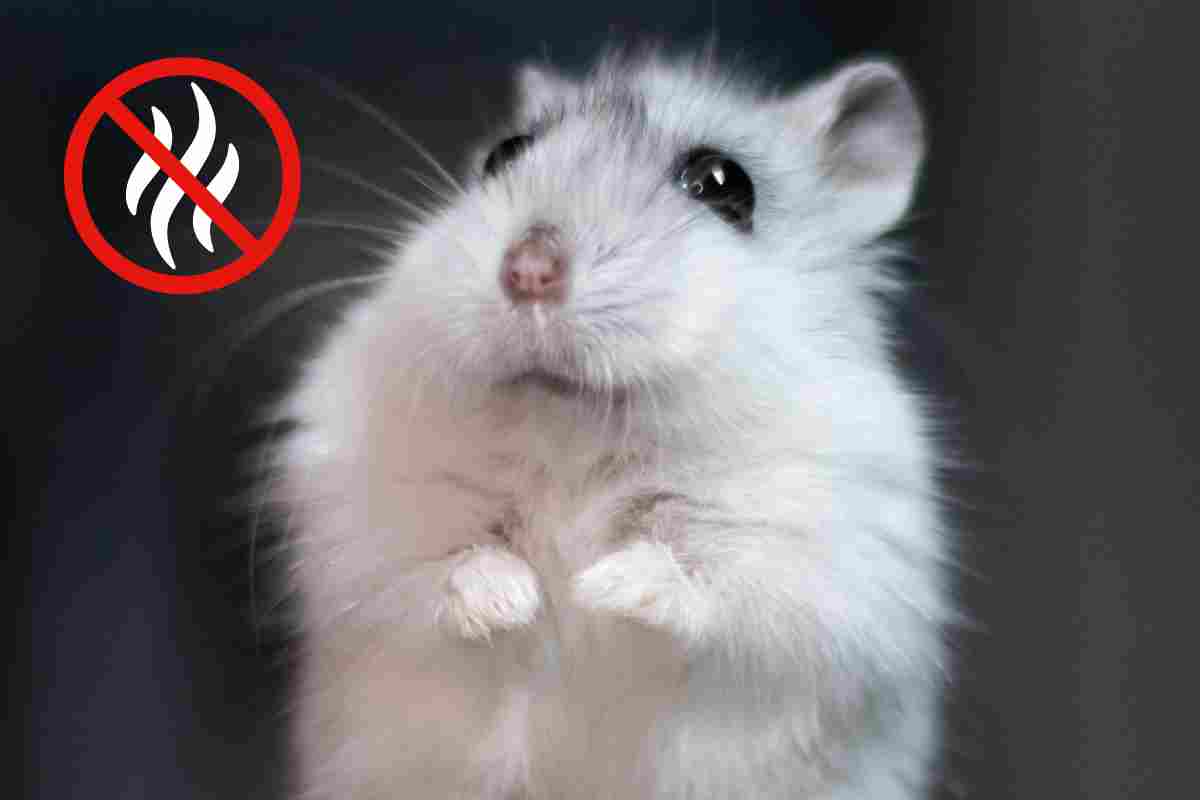
A hamster's sense of smell is highly developed, and they are sensitive to strong odors. Perfumes, cleaning chemicals, or strong-smelling food can cause discomfort and even health issues.
Make sure to use odorless cleaning products in their cage and avoid placing their habitat near scented candles or air fresheners.
3. Dirty Cages
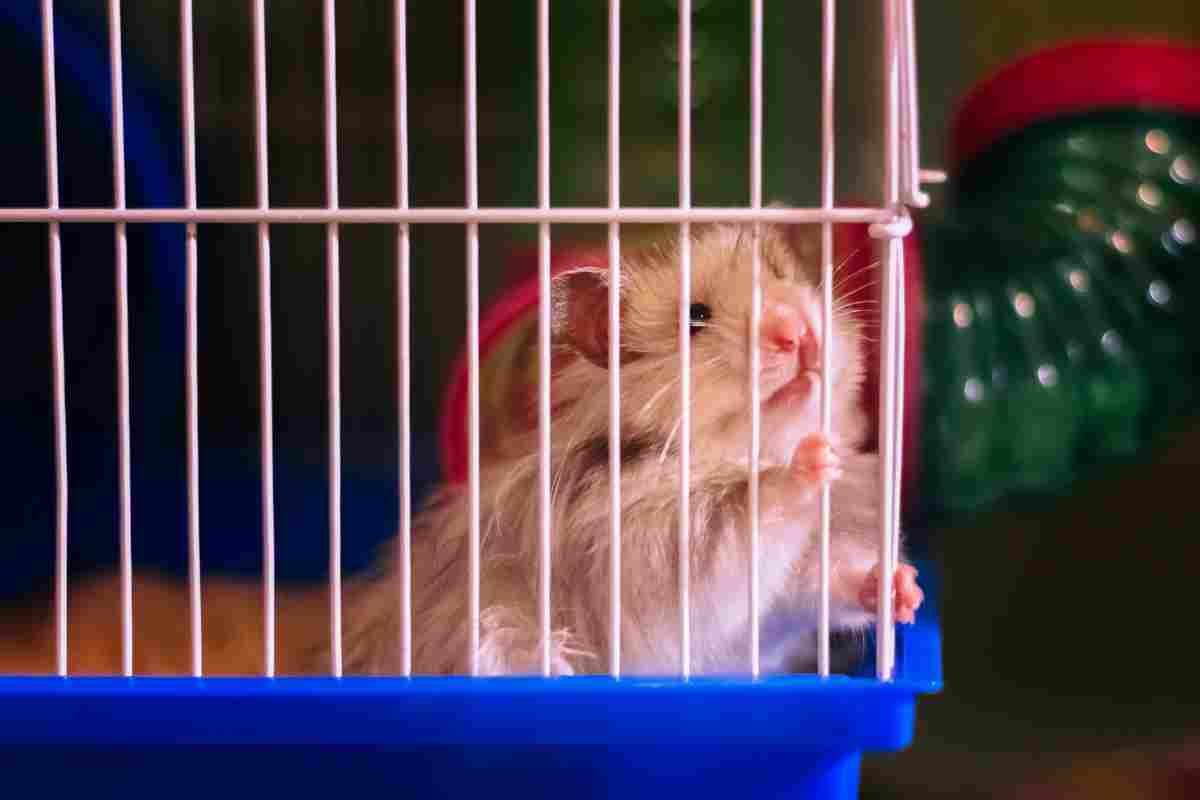
Hamsters are meticulous creatures and do not tolerate a dirty cage. A dirty cage can lead to stress, health problems, and an unhappy hamster.
Ensure you clean their cage regularly, removing soiled bedding, uneaten food, and waste. A clean environment will help keep your hamster comfortable and safe.
4. Bright Lights
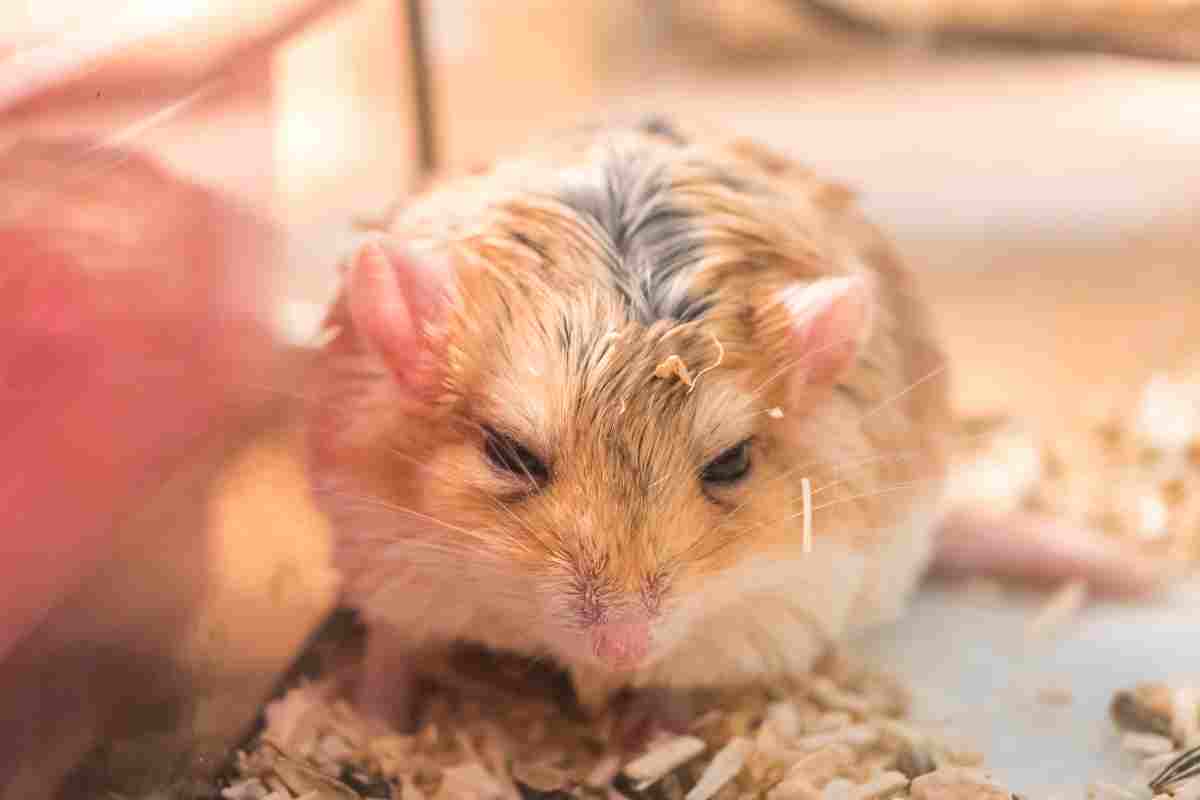
Hamsters are naturally nocturnal and prefer dim lighting during the day. Bright lights can disorient them and disrupt their natural sleep cycles.
Avoid keeping their cage in areas with excessive sunlight or bright lamps.
Consider using soft, indirect lighting if your hamster's cage is in a room that receives a lot of natural light.
5. Overcrowding in the Cage
While hamsters are social creatures, they don’t enjoy being overcrowded. Having too many toys or accessories in their cage can make them feel cramped and stressed.
Provide enough space for them to move around comfortably, with ample room for running wheels, tunnels, and a small hiding spot.
6. Sudden Movements
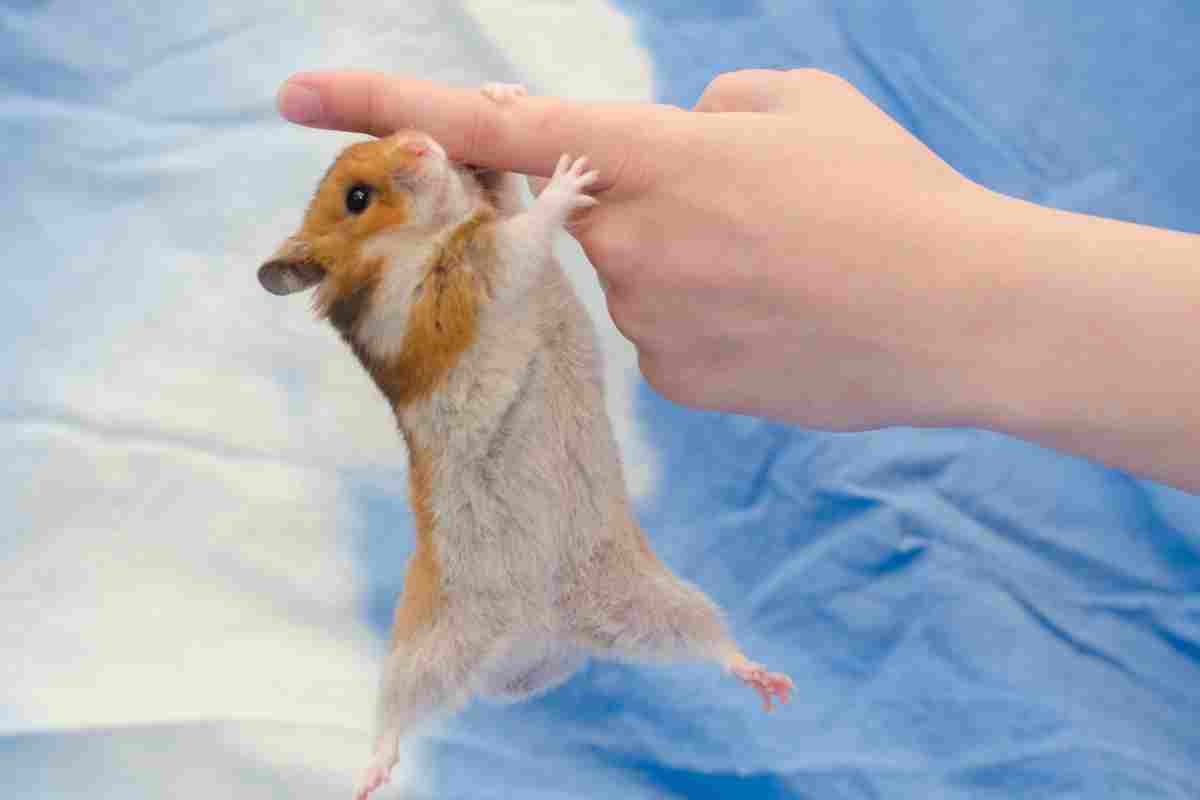
Fast or sudden movements can be frightening for hamsters. Quick actions like grabbing them abruptly or moving their cage too quickly may stress them out.
Always handle your hamster gently and allow them time to adjust to new situations.
7. Wet Bedding
Wet bedding is not only uncomfortable for your hamster, but it also encourages the growth of harmful bacteria. Always ensure that the bedding in their cage is dry and clean.
If you notice dampness, replace the bedding immediately to prevent any health issues.
8. Being Handled Too Often
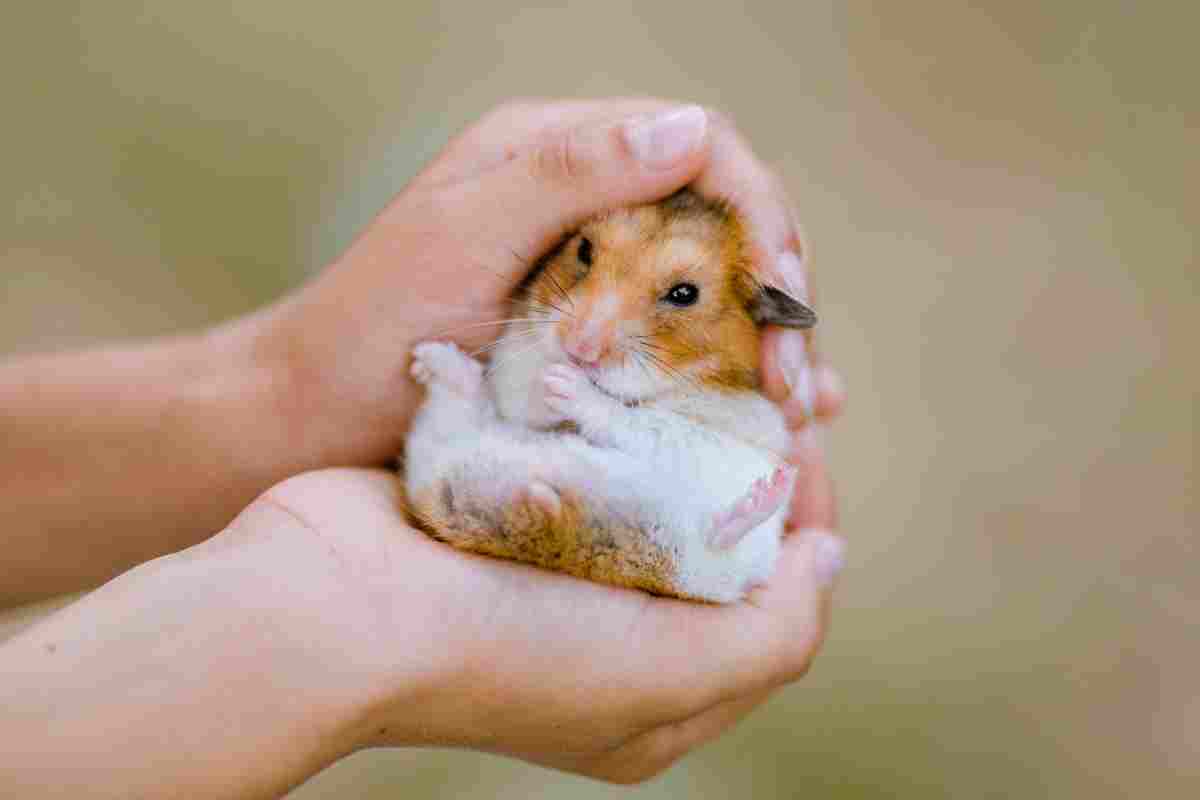
Although hamsters can be affectionate, overhandling can cause stress. These little animals need time to rest and explore on their own.
Limit handling to short, gentle sessions to prevent overwhelming your hamster.
9. Lack of Hiding Spaces
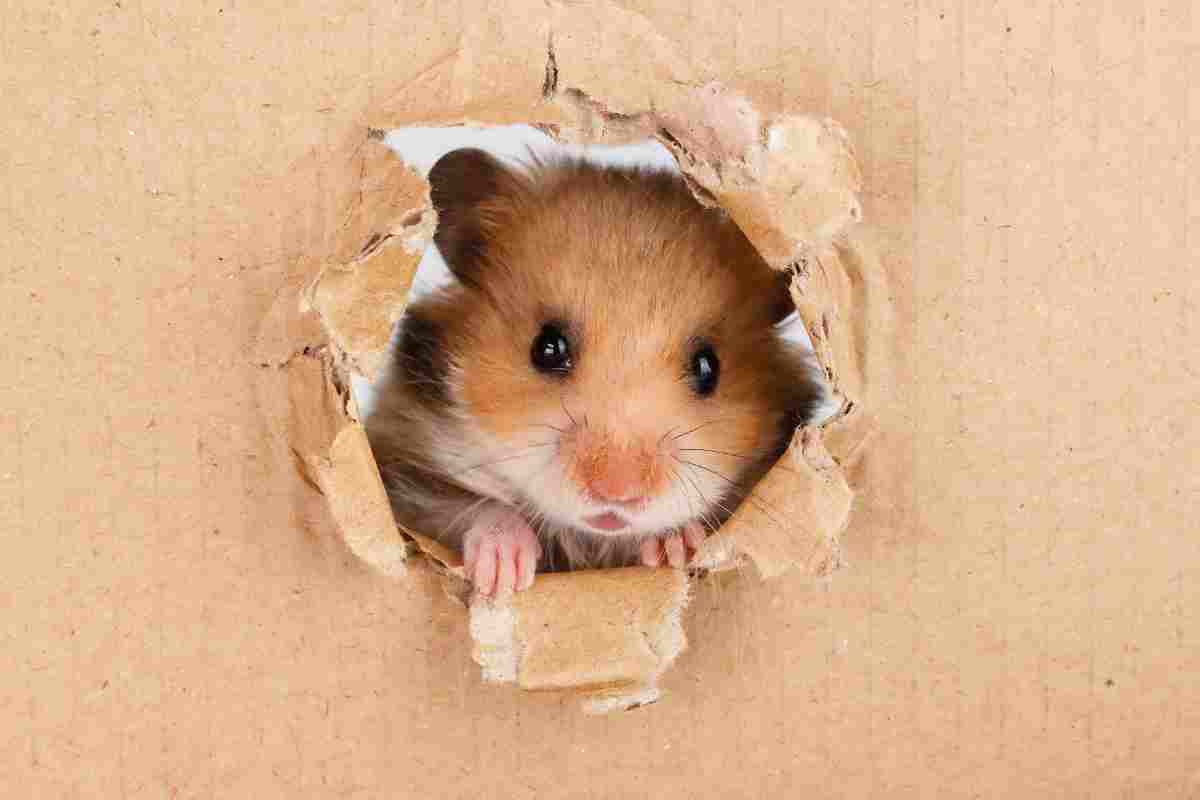
Hamsters are prey animals, and they feel safer in environments where they can hide when feeling threatened.
Hiding spots such as small tunnels, boxes, or hammocks provide security for your hamster, allowing them to retreat when they need a break from social interaction.
10. Harsh Cleaning Products
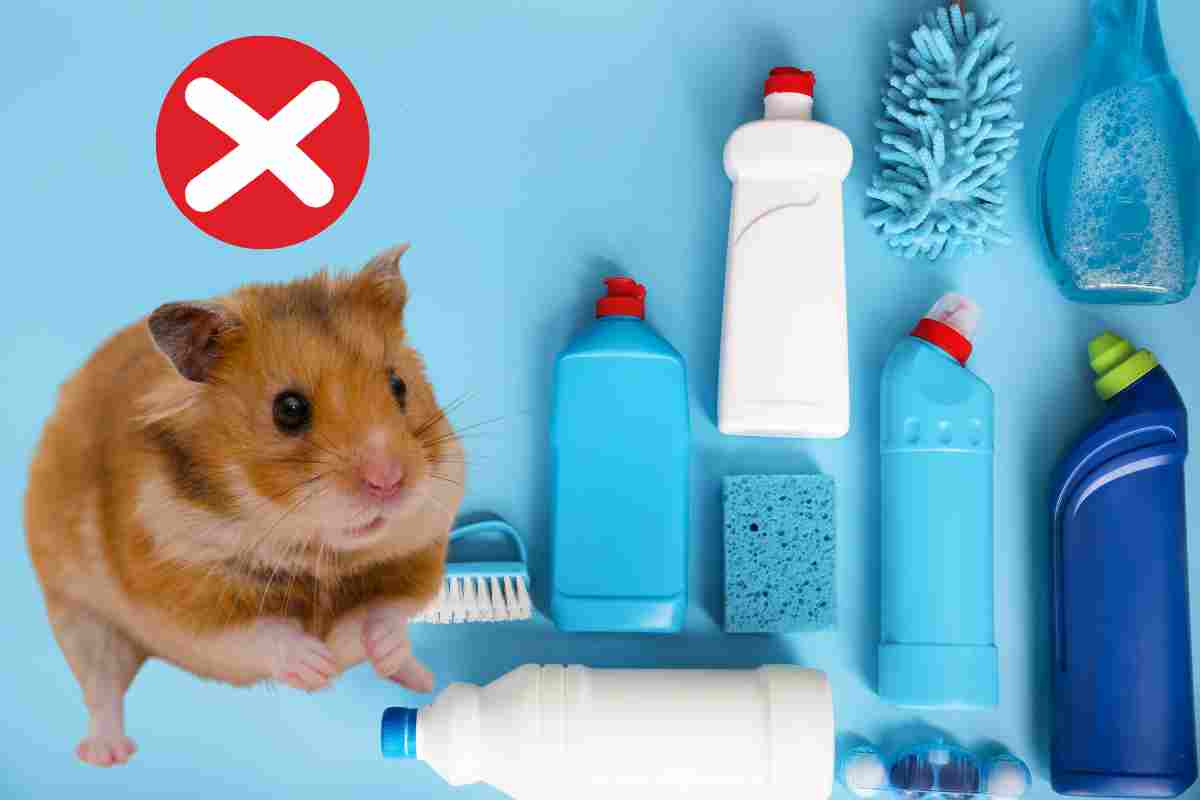
Strong chemicals can irritate your hamster's sensitive respiratory system.
Use non-toxic, hamster-safe cleaners to sanitize their cage and avoid any harsh disinfectants or sprays that might leave residues.
11. Wet or Damp Food
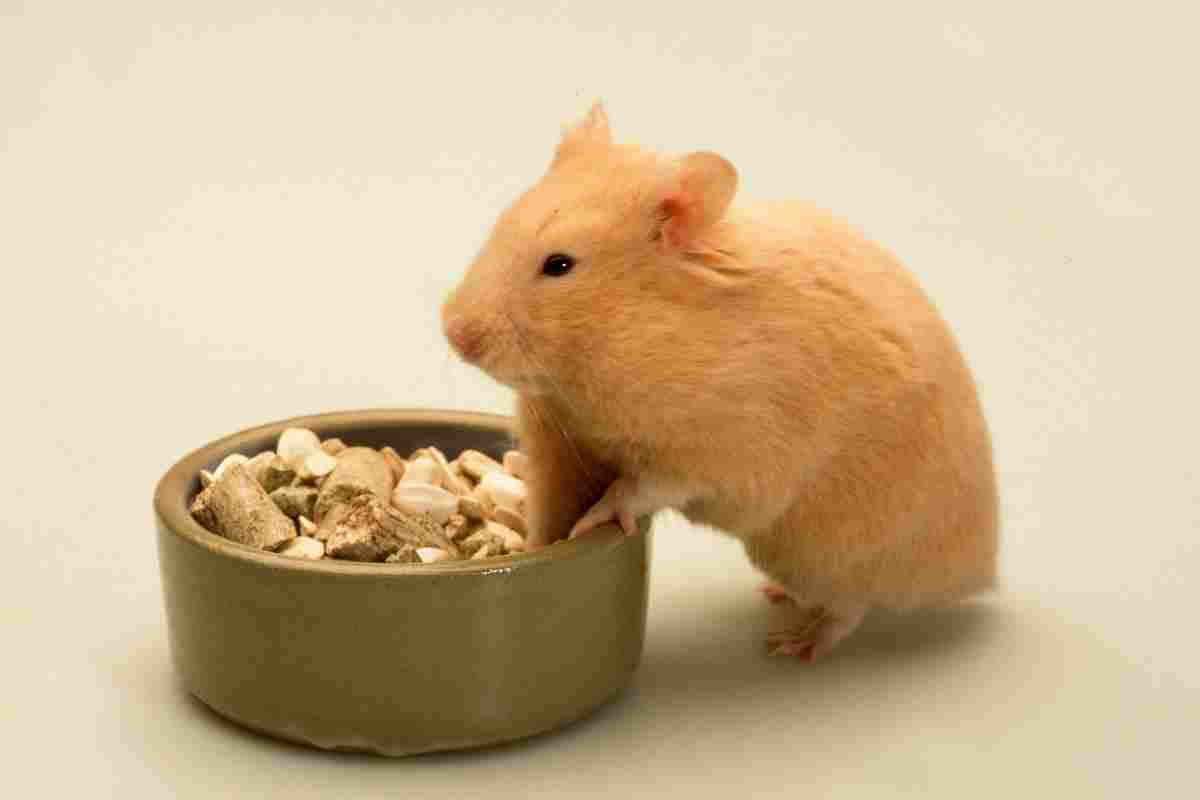
Hamsters are very particular about their food. Moist food can quickly spoil and lead to digestive issues.
Always provide fresh, dry food, and avoid leaving uneaten food in their cage for long periods, especially during warm weather.
12. Overfeeding
Overfeeding can lead to obesity, which can cause a variety of health problems for your hamster.
Portion control is essential, and you should only offer the recommended amount of food based on your hamster’s size and age.
13. Stressful Environments
Constant stress can lead to serious health problems for hamsters.
Stressful environments with frequent disturbances or noisy surroundings can lead to health issues such as hair loss, lethargy, and even premature death. Create a calm and stable environment where your hamster feels safe.
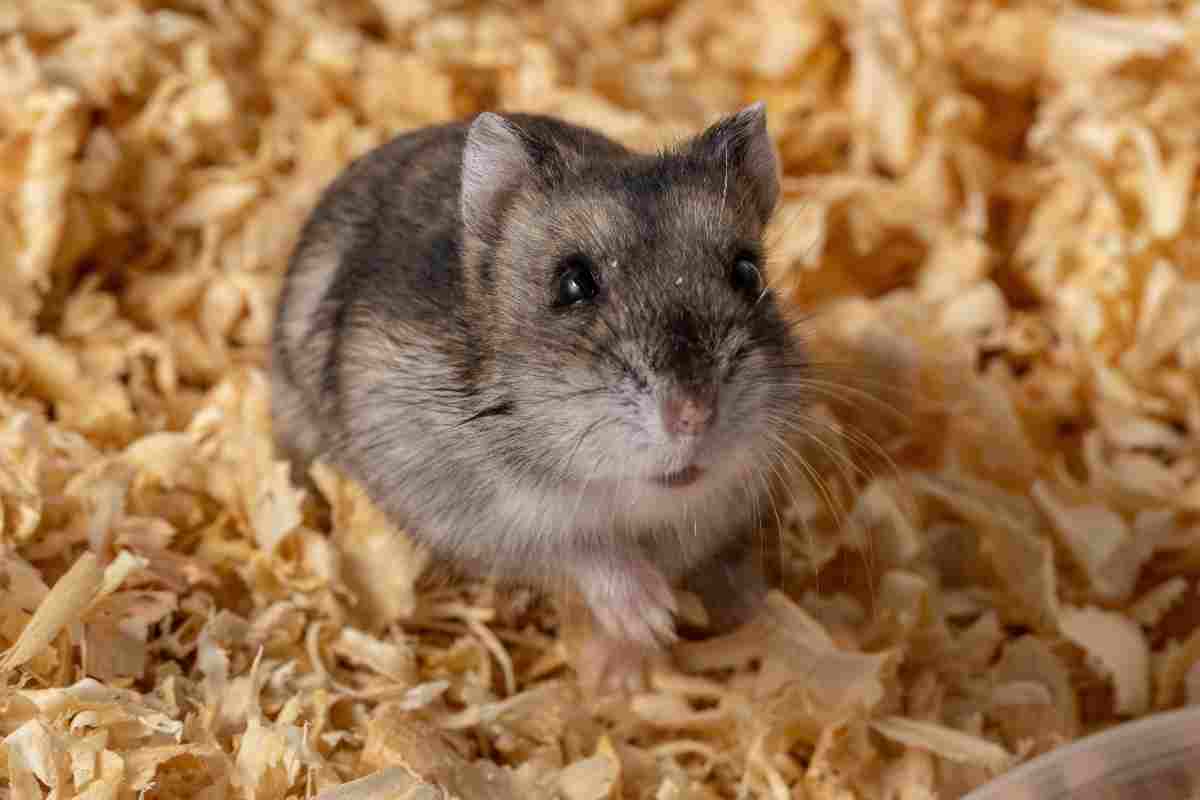
14. Uncomfortable Flooring
The flooring in your hamster's cage should be soft enough to walk on comfortably but sturdy enough to avoid injuries.
Avoid using materials like sandpaper or wire floors, which can harm their delicate paws.
15. Lack of Exercise
Hamsters need plenty of physical activity to stay healthy. A lack of exercise can lead to obesity and behavioral problems.
Ensure your hamster has access to a running wheel, tunnels, and other interactive toys to keep them active and entertained.
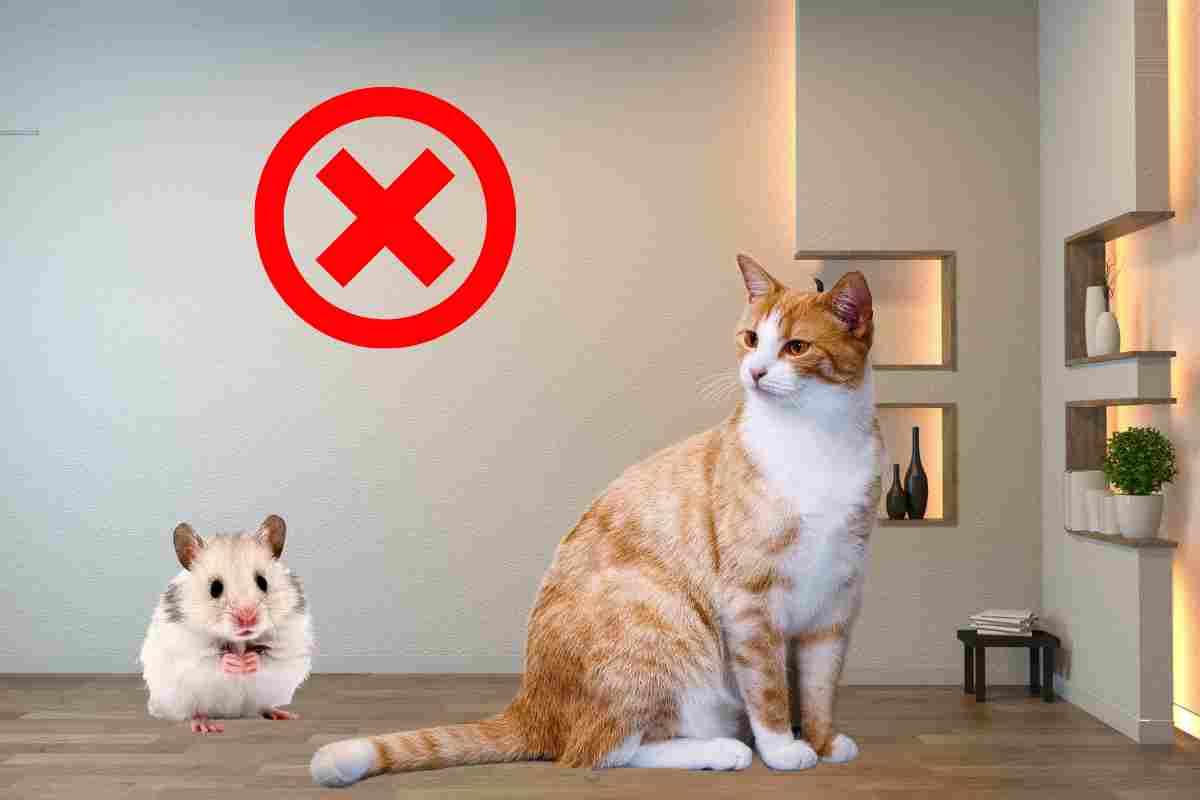
16. Being Exposed to Other Pets
Many small pets, like cats and dogs, pose a threat to hamsters. Even if your other pets are friendly, your hamster will likely be frightened by their presence.
Always keep your hamster in a secure, separate area where they won’t be disturbed by other animals.
17. Improper Cage Temperature
Hamsters are sensitive to extreme temperatures. They thrive in cooler environments and should never be exposed to extreme heat or cold.
Keep their cage in a room that remains at a moderate temperature to avoid overheating or chilling your hamster.
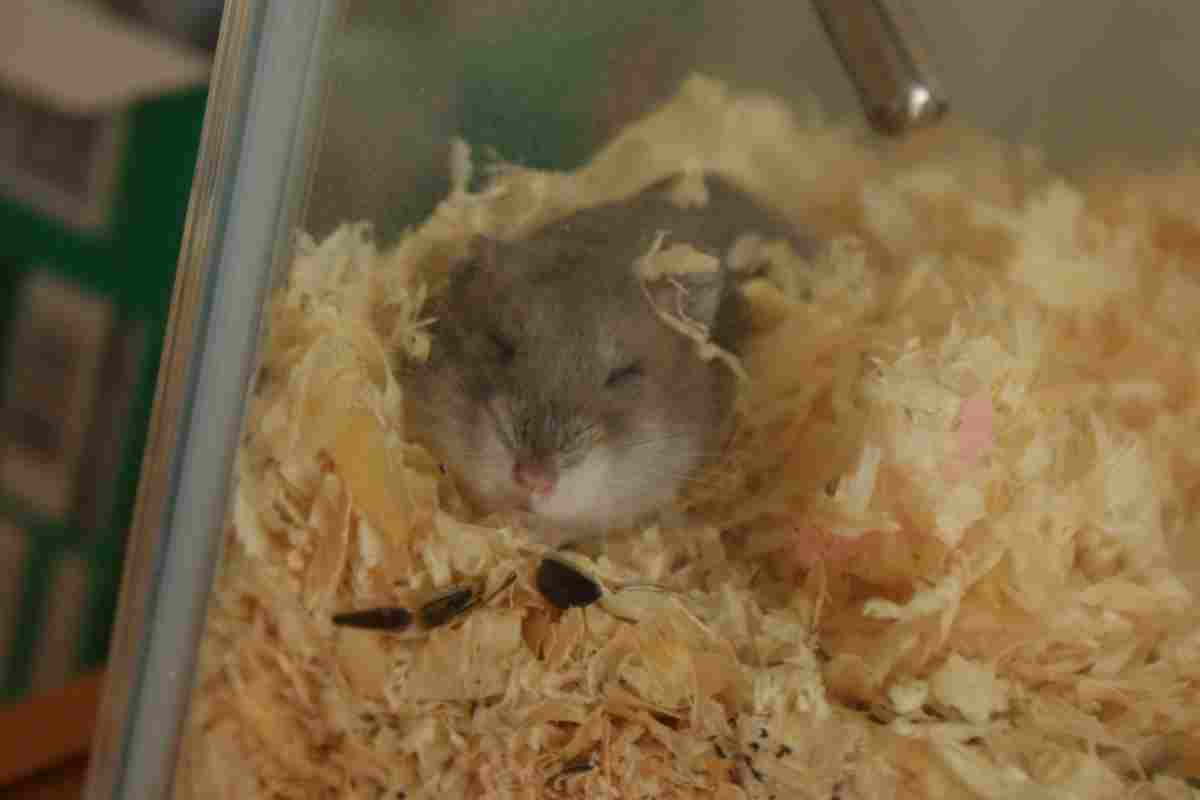
18. Inconsistent Sleep Schedules
Hamsters are nocturnal animals, meaning they are most active during the night.
If their sleep cycle is interrupted by excessive daytime activity or noise, they may become stressed or anxious. Provide a peaceful environment for them to sleep during the day.
Creating the Ideal Environment for Your Hamster
Taking care of a hamster requires more than just feeding them.
To create a happy and healthy hamster, it’s crucial to understand their dislikes and provide an environment where they feel safe and comfortable.
Avoiding loud noises, strong smells, and improper handling, while ensuring cleanliness, exercise, and a peaceful environment, will help your hamster thrive.
By keeping these 18 things in mind, you can ensure a fulfilling life for your furry friend.
Did you find this post useful or inspiring? Save THIS PIN to your PETS Board on Pinterest
Enjoy This Video Tutorial About Pets
Source: Jaw-Dropping Facts
Did you find this post useful or inspiring? Save THIS PIN to your Pets Board on Pinterest! 😊

You may also like