
- Urbaki Pets
- Dogs
- 3 Healthy and Homemade Dog Treat Recipes
3 Healthy and Homemade Dog Treat Recipes

23/08/2024 · Updated on: 14/10/2025

Looking for simple, wholesome dog treats you can trust? These three recipes use clean pantry ingredients, come together in under 30 minutes of hands-on time, and include options for grain-free and soft-chew textures.
You’ll find clear measurements (grams + cups), safe substitutions, storage tips, and serving guidance by dog size.
Friendly reminder: This article is educational and does not replace veterinary advice.
Always introduce new foods gradually, watch for allergies, and avoid ingredients that are toxic to dogs (notably xylitol in some peanut butters).
Safety & Vet Notes (Read First)

Use 100% natural peanut butter with no sweeteners—especially no xylitol.
Common sensitivities include wheat and dairy. If your dog has a history of GI issues or pancreatitis, choose lower-fat options and smaller portions.
Keep treats to 10% or less of daily calories. For tiny dogs, that may be 1–2 small bites/day; medium dogs 2–3; large dogs 3–5, adjusted to activity and diet.
If your dog has dental concerns, aim for soft bakes or the banana-oat cookies with a shorter bake for a tender finish.
Ingredients & Substitutions at a Glance
Flours: Use whole-wheat or oat flour (gluten-friendly); for grain-free, try finely ground oat substitute (certified GF oat) or rice flour.
Pumpkin: Choose plain canned pumpkin (not pie filling).
Peanut butter: One ingredient only (peanuts).
Eggs: Bind and add protein; for egg-free, use 2–3 tbsp unsweetened applesauce per egg.
Enhancers (optional): Pinch of true cinnamon (Ceylon), finely chopped parsley for fresh breath, or unsweetened shredded coconut for texture.
Recipe 1: Peanut Butter & Pumpkin Dog Biscuits (High-Fiber, Xylitol-Free)
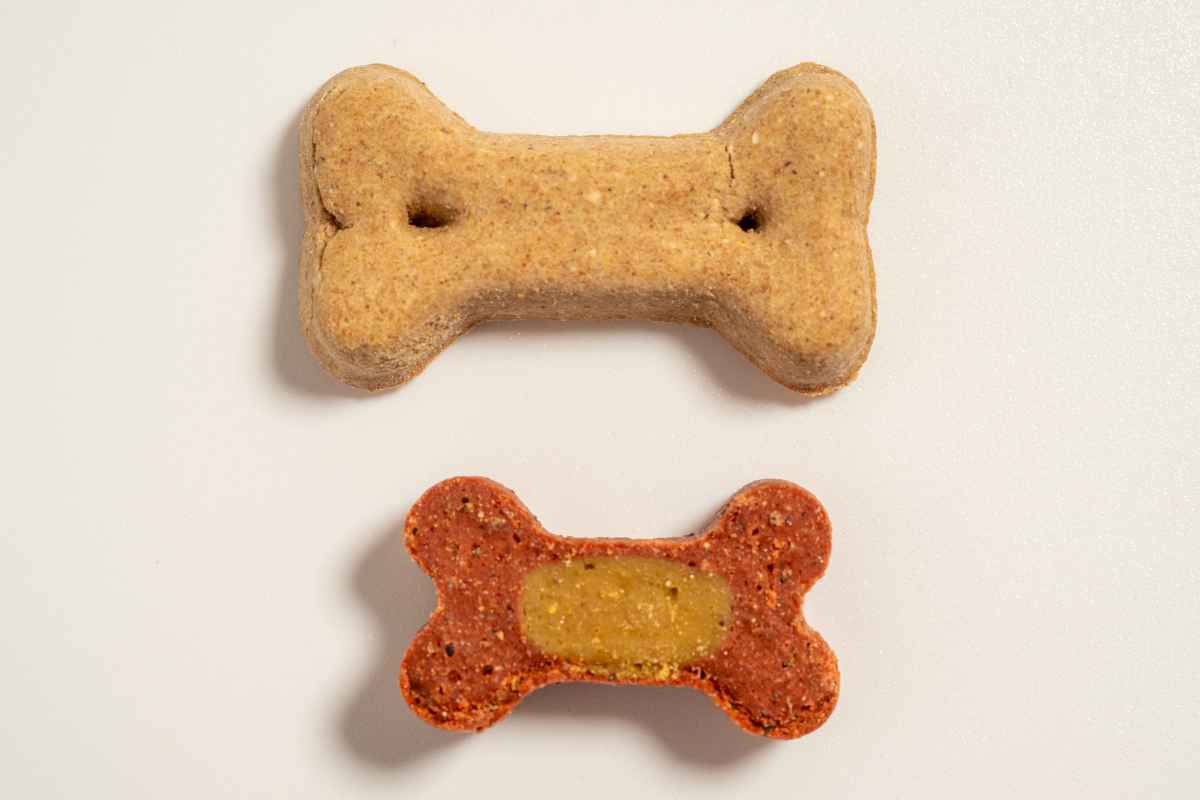
Yield: ~40 mini treats (3 cm)
Texture: Crisp when fully baked; bake less for tender
Prep/Bake: 10–12 min prep; 18–24 min bake
Ingredients
210 g (1¾ cups) whole-wheat flour (or oat flour for gluten-friendly)
120 g (½ cup) plain canned pumpkin
65 g (¼ cup) natural peanut butter (no sugar, no xylitol)
1 large egg
30–60 ml (2–4 tbsp) water, as needed
Instructions
Preheat oven to 175°C / 350°F. Line a sheet with parchment.
In a bowl, whisk pumpkin, peanut butter, and egg until smooth.
Add flour; mix to a soft dough. Splash in water 1 tbsp at a time until the dough is pliable but not sticky.
Roll the dough to a thickness of 5–6 mm on a lightly floured surface.
Cut with 2–3 cm bone or coin cutters; place 1–2 cm apart.
Bake 18–24 minutes, rotating once, until edges are deep golden and the center feels firm. For a crisper treat, switch off the oven and let the biscuits dry inside for 15–20 minutes with the door slightly ajar.
Storage & Shelf Life
Room temp: 3–5 days in a breathable jar.
Fridge: 1 week in an airtight container.
Freezer: 2–3 months; thaw at room temp.
To keep them crisp, avoid sealing while they are still warm; allow them to cool completely first.
Why Dogs Love It
Pumpkin adds fiber for gentle digestion, while peanut butter delivers aroma and flavor that motivates even picky eaters.
Recipe 2: Sweet Potato Chews (Single-Ingredient, Naturally Chewy)
Yield: Varies; ~2 medium sweet potatoes make ~24 strips
Texture: Chewy, can be dried to jerky-like
Ingredients
2 medium sweet potatoes (about 500–600 g total), washed and unpeeled
Instructions
Preheat oven to 120°C / 250°F for a slow dry.
Slice lengthwise into 6–8 mm thick planks (thin = crisp, thick = chewy).
Arrange on a lined sheet without overlap.
Bake 2–3 hours, flipping halfway. For a chewier strip, pull at ~2 hours; for drier, go nearer 3 hours.
Cool fully; they firm up as steam escapes.
Optional: For longer storage, reduce oven to 95°C / 200°F and dry an extra 30–45 minutes, or finish in a dehydrator until leathery and dry to the touch.
Storage & Shelf Life
Room temp: 2–3 days in a loosely covered jar (prevents condensation).
Fridge: 1 week airtight.
Freezer: 2 months; thaw a few minutes before serving.
Why Dogs Love It
Sweet potatoes are rich in beta-carotene (vitamin A) and natural sweetness. The chewiness offers enrichment without added fat or salt.
Recipe 3: 2-Ingredient Banana-Oat Cookies (Soft, No Added Sugar)
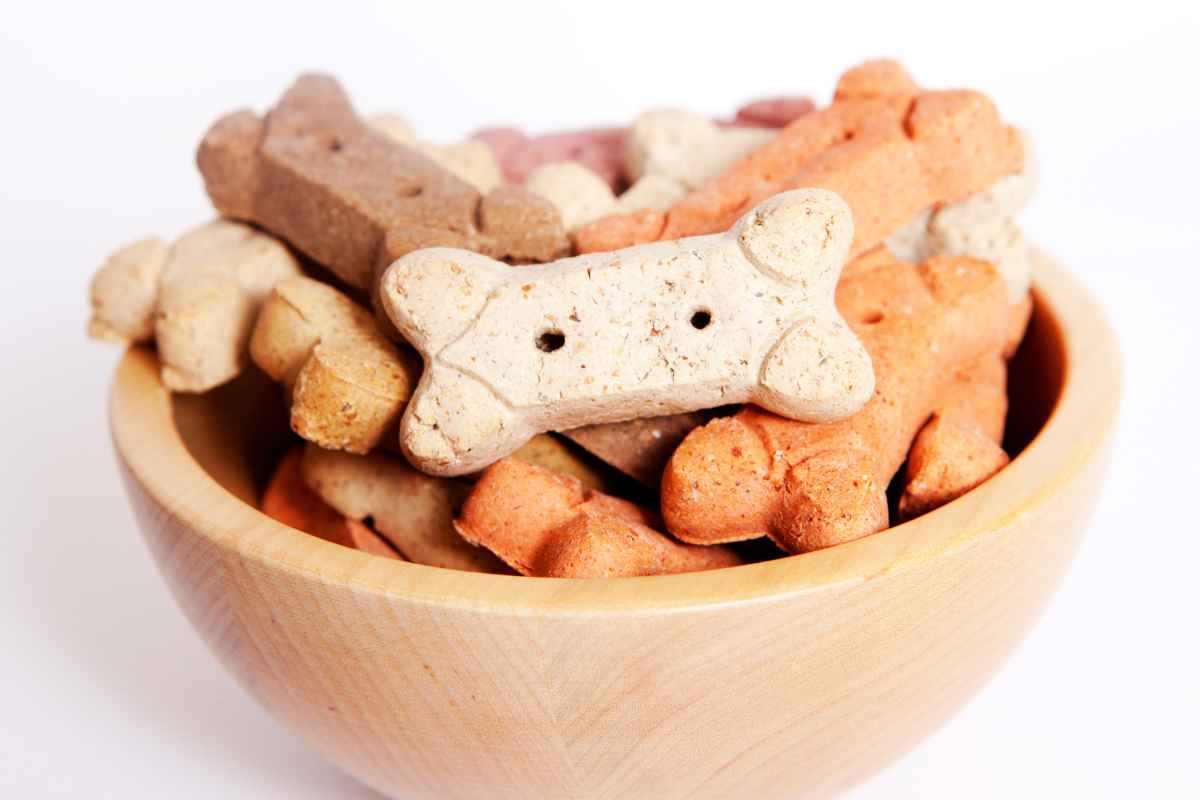
Yield: ~24 small cookies (3 cm)
Texture: Soft and cake-like for gentle chewing
Ingredients
2 medium ripe bananas (about 220 g peeled), mashed very smooth
160 g (2 cups) quick oats or oat flour (use certified GF if needed)
Optional add-ins (choose one, 1–2 tbsp): natural peanut butter (xylitol-free), unsweetened applesauce, finely chopped parsley, or unsweetened shredded coconut.
Instructions
Preheat oven to 175°C / 350°F. Line a sheet with parchment.
Mix bananas and oats to a thick, spoonable dough. If too dry, add 1–2 tbsp water; if too wet, sprinkle in a little more oats.
Scoop 1 tbsp mounds; flatten gently to 8–10 mm thickness (helps even baking).
Bake 12–16 minutes until set and lightly golden underneath. For very soft cookies, pull earlier.
Storage & Shelf Life
Room temp: 1–2 days (they’re moist).
Fridge: 5–7 days airtight.
Freezer: 2 months; thaw in the fridge or 10 minutes at room temp.
Why Dogs Love It
Banana brings natural sweetness and potassium, while oats offer soluble fiber for a gentle, satisfying bite.
Portion & Treat Size Guide

Tiny/toy breeds: 1–2 mini treats/day (2–3 cm).
Small/medium: 2–3 treats/day.
Large/giant: 3–5 treats/day.
Adjust for training sessions (use smaller pieces) and subtract treat calories from daily intake. When in doubt, ask your vet—especially for dogs with weight or GI conditions.
Troubleshooting & Texture Control
Dough too sticky (Pumpkin Biscuits): Chill 10–15 minutes or dust with oat flour; avoid over-watering.
Biscuits too soft after cooling: Return to a 95–120°C / 200–250°F oven for 10–15 minutes to dry.
Banana cookies crumbly: Add 1 tbsp peanut butter or ½ beaten egg for extra binding (skip egg if allergic).
Sweet potato strips too hard: Slice thicker and bake less, or briefly steam slices before drying for gentler chew.
Quick Nutrition Snapshot (Approximate, per small piece)
Pumpkin Biscuit: ~25–30 kcal, source of fiber and B-vitamins from whole grains.
Sweet Potato Chew: ~20–25 kcal, beta-carotene and potassium.
Banana-Oat Cookie: ~25–28 kcal, soluble fiber (oats) and natural sugars from banana.
Values vary by size and bake level; use as a rough guide.
Smart Storage Habits
For crisp items, let treats cool completely before sealing to prevent condensation and mold. For chewy items, store refrigerated and consider small freezer batches so you only keep a few days’ worth on the counter.
Short FAQ
Can I use almond flour? It’s higher in fat and can upset some dogs; oat flour is usually better tolerated.
Is cinnamon safe? A pinch of Ceylon cinnamon is generally fine for healthy dogs. Avoid large amounts and Cassia in excess.
What about peanut butter labeled “light” or “reduced sugar”? Avoid—these often contain sweeteners or additives. Choose one-ingredient peanut butter.
How do I make softer treats for seniors? Reduce bake time slightly, or add a spoon of applesauce for moisture, and serve smaller pieces.

Make It a Habit (And Keep It Safe)
Homemade dog treats let you control ingredients, texture, and cost—and they turn training into a tail-wagging moment.
Rotate recipes, introduce new ingredients slowly, and keep portions modest. When you need extra guidance (food allergies, sensitive stomach, weight goals), your veterinarian can help adapt these recipes to your dog’s needs.
Ready to bake? Start with the Pumpkin Biscuits for crunch, prep a batch of Sweet Potato Chews for week-long enrichment, and keep Banana-Oat Cookies on hand for soft, fuss-free rewards.
Your dog gets real ingredients, and you get the peace of mind that comes from making treats at home.
We hope you enjoy this video about Dogs

Source: Bigger Bolder Baking with Gemma Stafford
Did you find this post useful or inspiring? Save THIS PIN to your Pets Board on Pinterest!

Urbaki Editorial Team is the collaborative byline behind our pet-care guides. Our writers and editors turn evidence and real-life experience into clear, humane advice on training, wellbeing, nutrition basics, and everyday life with animals. Every article is planned, written, and edited by humans, fact-checked against reputable veterinary sources, and updated over time. This is an editorial pen name—see our Editorial Policy. Educational only; not a substitute for veterinary advice.
You may also like