
3 Major Mistakes with New Kittens


Welcoming a new kitten into your home is an exciting time. However, it can also be a bit overwhelming, especially if you're a first-time cat owner.
Kittens are playful, curious, and full of energy, but they also require a lot of care, patience, and attention.
Many new cat owners make common mistakes that can lead to unnecessary stress or problems down the road.
In this guide, we'll go over the three most common mistakes that people make when raising a new kitten and offer practical tips on how to avoid them.
1. Failing to Socialize Your Kitten Properly
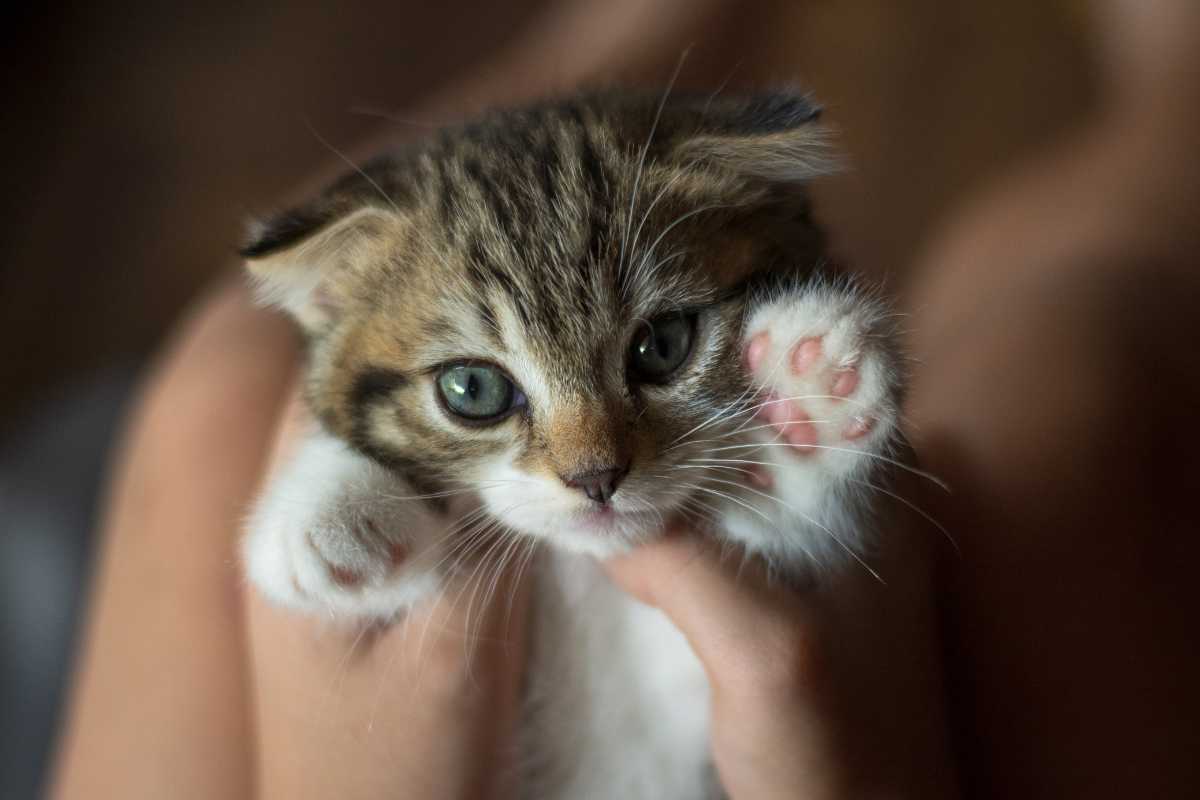
One of the most common mistakes new kitten owners make is not properly socializing their kitten. Socialization is the process of getting your kitten used to new experiences, people, and other animals in a safe and positive way.
Kittens who aren't socialized early on can develop behavioral issues, such as fear or aggression toward strangers, other pets, or certain situations.
Why Socialization Is Crucial
Socializing your kitten between 3 and 9 weeks old is essential for setting the foundation for a well-adjusted adult cat.
During this period, kittens are most receptive to new experiences and can learn to feel comfortable with different stimuli.
A lack of socialization can lead to fearful behaviors and even aggressive tendencies, making it harder to form a bond with your cat later on.
Tips for Socializing Your Kitten

Introduce new people slowly: Allow your kitten to meet new people gradually. Don't force interactions, and always make sure the experience is positive. Offer treats and praise after successful introductions.
Expose them to other animals: If possible, allow your kitten to meet other vaccinated pets in a controlled environment. Start with calm, friendly pets, and let them sniff each other before any direct contact.
Provide positive experiences: Encourage exploration of new environments and objects. Let your kitten investigate different sounds, textures, and places, always offering positive reinforcement.
Remember, a well-socialized kitten is more likely to grow into a confident, adaptable adult cat that enjoys the company of others and is less likely to become scared or aggressive in new situations.
2. Ignoring Litter Box Training
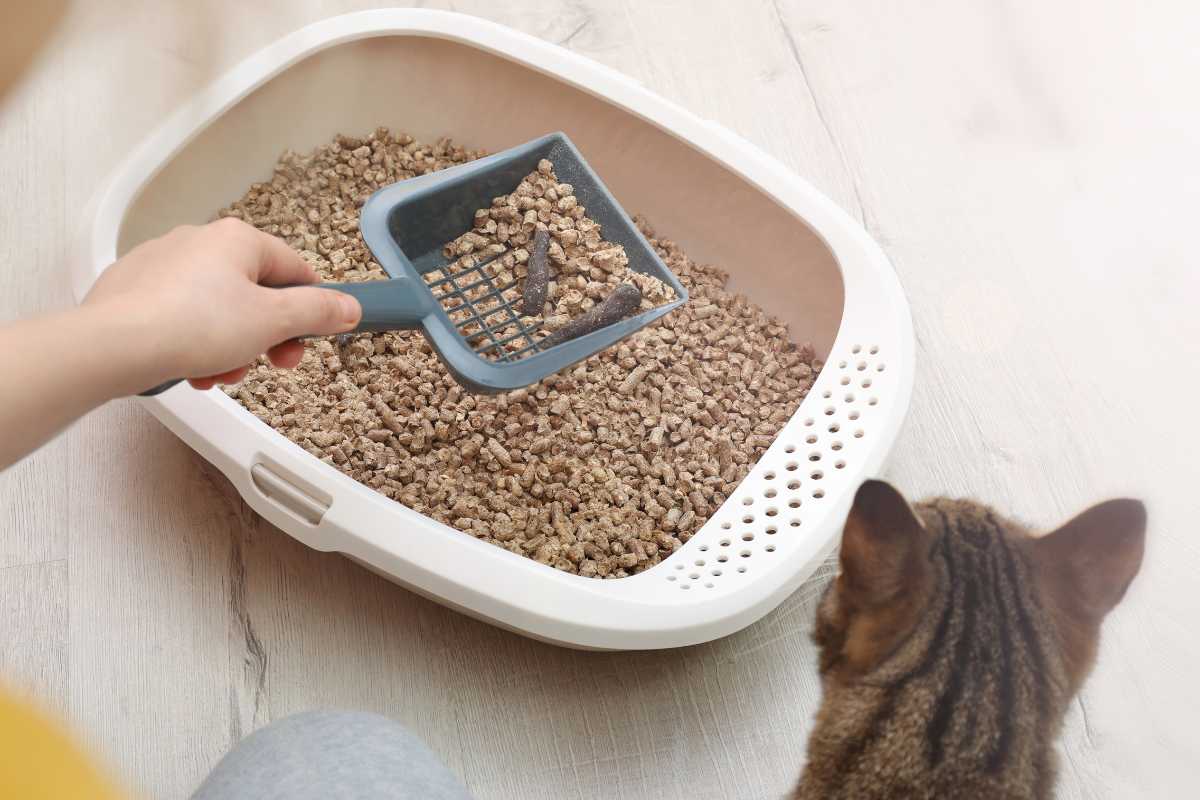
Another major mistake is not paying enough attention to litter box training. Kittens are naturally inclined to use the bathroom in a designated spot, but they need guidance to understand where that spot is.
Some owners assume that their kitten will instinctively know how to use the litter box, but this is not always the case.
The Importance of Proper Litter Box Training
A kitten that isn't trained to use the litter box properly can lead to unpleasant messes around the house and may develop a habit of eliminating in inappropriate places. This is a common problem, but it can easily be avoided with proper training.
Tips for Successful Litter Box Training
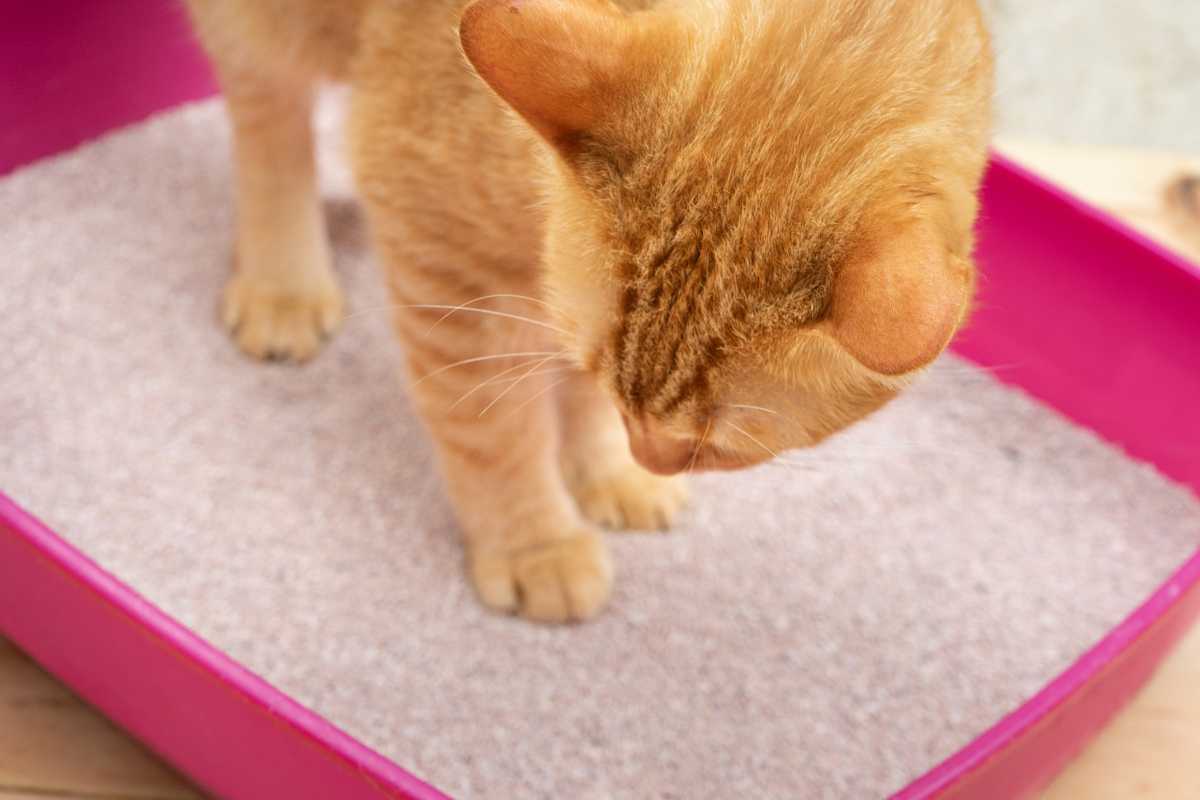
Choose the right litter box: Start with a shallow box that’s easy for your kitten to get in and out of. Make sure it’s large enough for them to turn around comfortably.
Place the litter box in a quiet area: Avoid placing the box in areas with too much traffic or loud noises. Your kitten needs a peaceful environment to do their business.
Use an appropriate litter: Some kittens are picky about the type of litter they prefer. Start with a fine-grain, unscented litter to make the box more inviting.
Show them the box: Gently place your kitten in the box after meals, naps, and playtime to encourage them to use it.
Reward successful use: When your kitten uses the box, offer a treat or praise to reinforce the behavior.
By being patient and consistent, you can easily train your kitten to use the litter box, ensuring a cleaner and happier home for both of you.
3. Not Feeding Your Kitten the Right Diet

Feeding your kitten the wrong food can have serious consequences for their growth and health.
Many new kitten owners make the mistake of either feeding their kitten food that’s not suitable for their age or neglecting to feed them the proper amount.
Kitten nutrition is different from that of adult cats, and getting it wrong can lead to issues like malnutrition, obesity, or developmental problems.
Why Proper Nutrition Matters
Kittens are growing rapidly and require a diet that supports their development. Their bodies need more protein, fat, and specific vitamins and minerals than adult cats do.
Feeding a kitten adult cat food or a poor-quality diet can cause stunted growth or digestive issues.
Tips for Feeding Your Kitten
Choose kitten-specific food: Make sure you're feeding your kitten a high-quality food that’s specifically formulated for kittens. These foods are designed to meet the nutritional needs of growing cats.
Provide the right portions: Follow the feeding guidelines on the food packaging or consult your vet to determine how much food your kitten should be eating each day. Overfeeding or underfeeding can cause issues later on.
Offer wet and dry food: A combination of wet and dry food provides variety and helps keep your kitten hydrated. Wet food is great for hydration, while dry food helps with dental health.
Avoid human food: Don’t give your kitten scraps from your meals. Human food can be harmful and may cause digestive problems or poisoning.
Monitor weight and growth: Keep an eye on your kitten's weight and adjust their diet as they grow. If you're unsure whether they’re growing properly, consult your veterinarian.
Providing the right food at the right time will ensure your kitten gets the nutrients they need to grow into a healthy, strong cat.
Bonus Tip: Regular Vet Checkups

In addition to avoiding these common mistakes, it's essential to take your kitten to the vet for regular checkups. Your vet will monitor their health, provide necessary vaccinations, and offer advice on feeding, training, and general care.
Regular vet visits are an important part of ensuring your kitten grows up healthy and happy.
Conclusion: A Little Care Goes a Long Way
Raising a new kitten can be a rewarding experience, but it requires attention to detail and patience.
By avoiding these three common mistakes—failing to socialize your kitten, neglecting litter box training, and feeding the wrong diet—you can set your kitten up for a long, happy life.
Remember, early intervention and consistent care are key to preventing problems down the line.
With a little effort and a lot of love, your new kitten will grow into a confident, well-adjusted adult cat that will bring joy to your home for many years to come.
Enjoy The Video About Cats

Source: Cone Of Shame
Did you find this post useful or inspiring? Save THIS PIN to your Pets Board on Pinterest!

You may also like