
Why Do Cats Scratch Furniture? 5 Reasons and How to Prevent It


This post contains affiliate links. As an Amazon Associate, Urbaki Pets earns from qualifying purchases, at no extra cost to you.
Cats scratch furniture because scratching is a built-in need, not bad behavior. It keeps their claws healthy, leaves their scent, stretches their muscles, and helps them release stress or boredom. The fix is not to stop scratching altogether. It's to give your cat something better to scratch, put it in the right spot, and make the couch less tempting.
Below are the five main reasons cats go for your furniture, what to do about each one, and a simple step-by-step plan that works for most homes.
Why Cats Scratch: The Short Version
- Claw care: scratching pulls off the worn outer layer of the claw.
- Scent marking: glands in the paw pads leave a smell that says "this is mine."
- Stretching: a long scratch works the shoulders, back, and legs.
- Emotional release: cats scratch when excited, frustrated, or stressed.
- Boredom: an under-stimulated cat finds its own entertainment, often on your sofa.
1. Maintaining Healthy Claws
Why Cats Do It
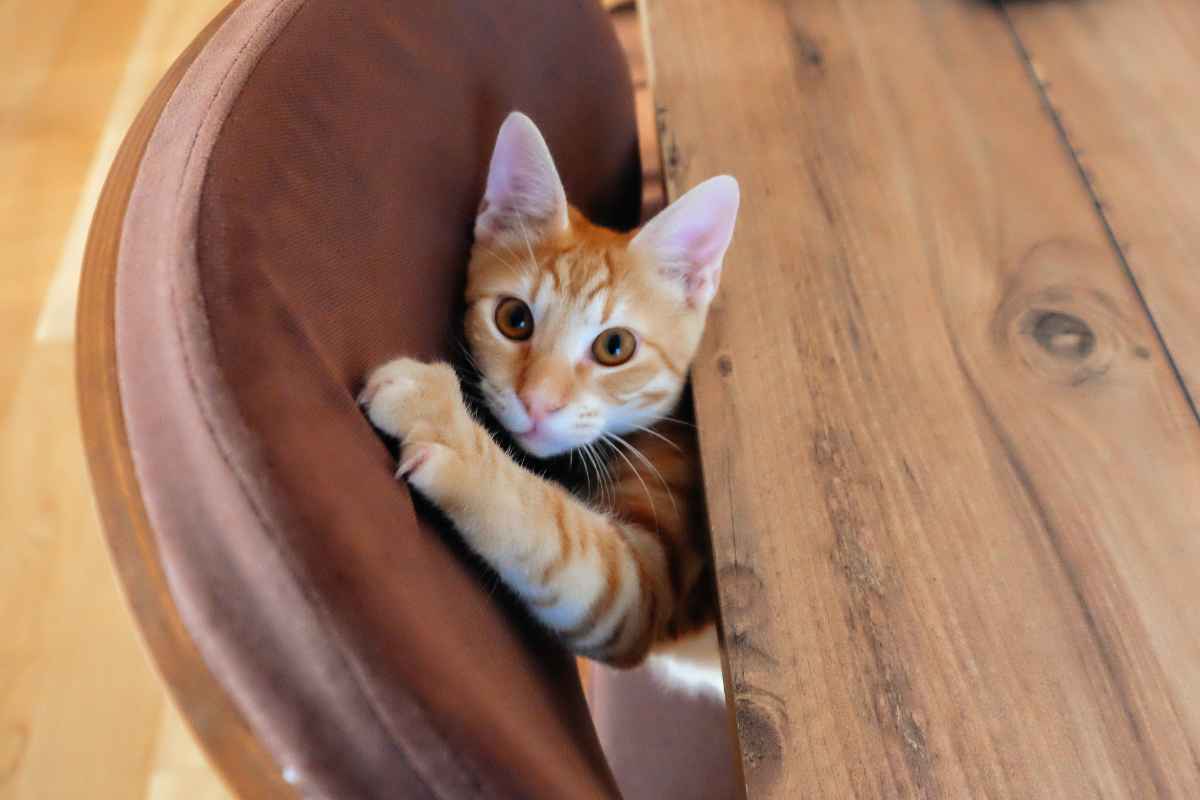
A cat's claws grow in layers. Scratching helps shed the old outer sheath and reveal the sharp claw underneath. You may even find these thin, claw-shaped husks near a favorite scratching spot. Without a good place to scratch, claws can get overgrown or snag on carpet and blankets.
How to Prevent Furniture Damage
- Offer a sturdy scratching post covered in sisal rope or sisal fabric. Cats love the rough, shreddable texture.
- Trim the tips of your cat's nails every couple of weeks. Short, blunt tips do far less damage to upholstery.
- Mix textures: sisal, corrugated cardboard, and untreated wood all appeal to different cats.
2. Marking Their Territory
Why Cats Do It
Scratching leaves two messages at once: visible marks and an invisible scent from the paw pads. That's why cats often scratch in prominent places such as the arm of the couch, the doorway, or the spot right next to where they sleep. In multi-cat homes, scratching can increase as cats sort out who owns what.
How to Prevent Furniture Damage
- Put scratchers exactly where the scratching already happens. A post in a back room won't compete with the sofa in the living room.
- Place one near your cat's sleeping area, since many cats scratch right after waking up.
- In homes with several cats, provide more than one scratcher in different rooms.
3. Stretching and Exercising
Why Cats Do It
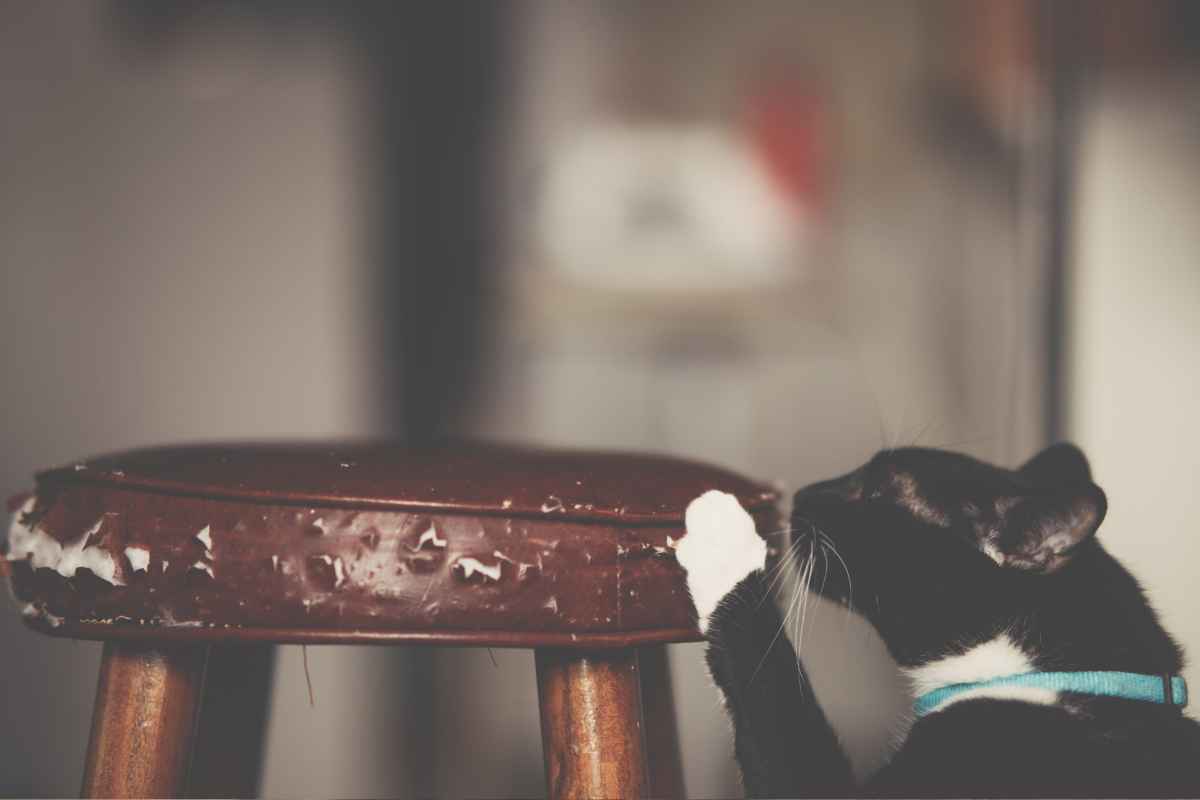
Watch a cat scratch and you'll see a full-body stretch. They reach up, dig in, and pull back, working the muscles from their toes to their spine. A tall, heavy sofa is perfect for this, which is exactly why they choose it.
How to Prevent Furniture Damage
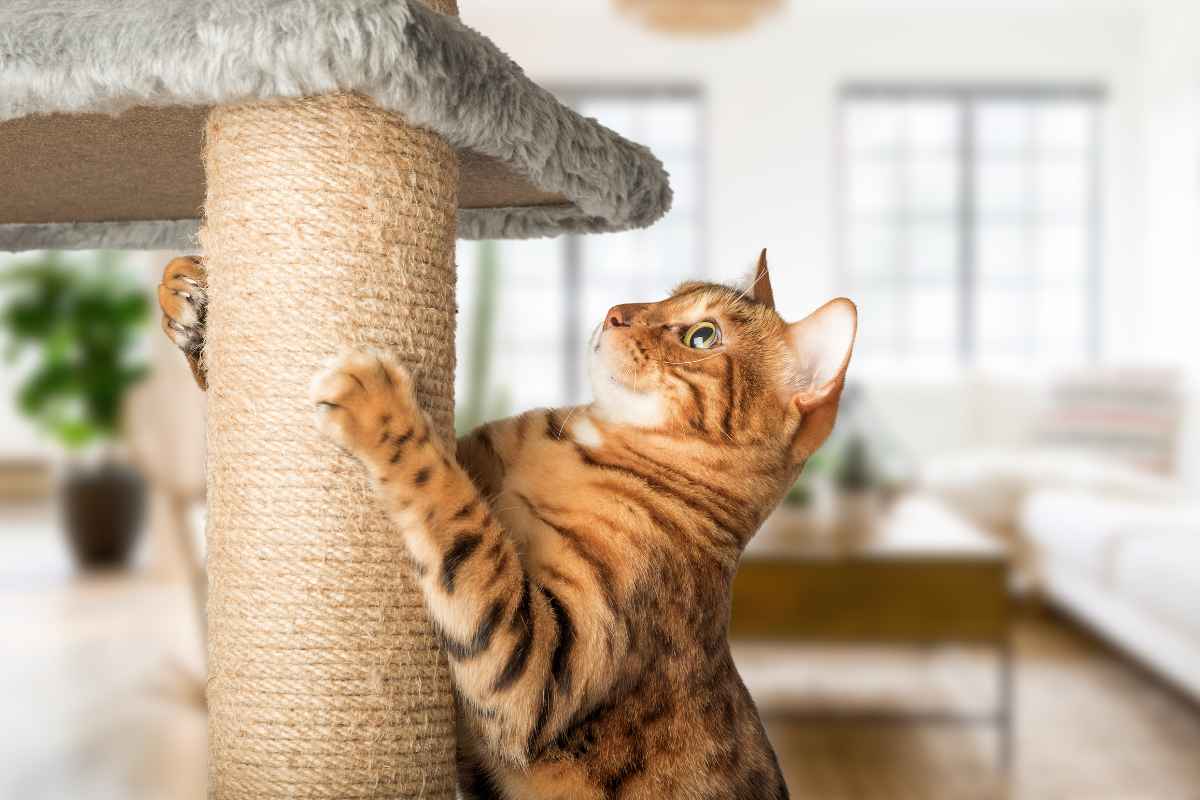
- Choose a post that is tall enough for a full stretch (your cat should be able to reach up with front legs fully extended) and heavy enough not to wobble. A post that tips over once may never get used again.
- Add a horizontal scratcher too. Some cats prefer scratching flat on the floor, like a rug.
- Cat trees and wall-mounted scratchers give extra stretching and climbing options.
4. Stress and Anxiety Relief
Why Cats Do It
Cats scratch when emotions run high: when you come home, when a new pet arrives, after a move, or when something outside the window upsets them. Scratching is a safe way for them to let off steam. If scratching suddenly increases, look for a recent change in the home.
How to Prevent Furniture Damage
- Keep daily routines predictable: meals, play, and quiet time at roughly the same times.
- Give your cat safe hiding spots and high perches so they can retreat when they feel uneasy.
- Place a scratcher near the front door if your cat scratches when you arrive home.
- Never yell, spray water, or punish. Fear tends to increase stress scratching rather than stop it.
5. Boredom and Lack of Stimulation
Why Cats Do It
Indoor cats need outlets for hunting energy. If the day is long and nothing happens, the furniture becomes the most interesting thing in the room. If you're not sure, here's how to tell if your cat is bored.
How to Prevent Furniture Damage
- Schedule two or three short play sessions a day with a wand toy, letting your cat stalk, chase, and "catch."
- Rotate toys weekly so old favorites feel new again. These easy DIY cat toys cost almost nothing.
- Build a play zone with tunnels, boxes, and climbing spots, like this DIY cat activity center.
Step-by-Step: How to Redirect Scratching to a Post
- Find the favorite spots. Note where and when your cat scratches, and whether they scratch up high or on the floor.
- Match the scratcher to the habit. Vertical scratchers for couch arms and door frames, flat ones for rug scratchers.
- Place it right in front of the target. Set the new post against or beside the damaged furniture.
- Make the furniture less appealing. Cover the area temporarily with a throw, double-sided tape, or plastic furniture guards. Cats dislike sticky or slippery surfaces.
- Make the post irresistible. Rub a little catnip or silvervine on it, or drag a wand toy across it so your cat digs in.
- Reward every use. Praise, a treat, or a quick play session right after your cat scratches the post.
- Move it slowly, if you want. Once the habit sticks (usually a few weeks), you can shift the post a little at a time to a better spot.
Common Mistakes to Avoid
- Posts that are too short or wobbly. Cats won't trust a scratcher that moves.
- Soft, carpet-covered posts. They feel too much like your rug and can confuse the message.
- Hiding the scratcher. Scratching is about being seen. Keep it in the main living space.
- Punishment. It teaches your cat to scratch when you're not around, not to stop.
- Declawing. It is a surgical amputation of the last toe bone, and many vets and cities discourage or ban it. Training and nail trims work without the pain.
For more ideas focused on protecting your sofa, see our guide on how to stop your cat from scratching furniture.
Our Favorite Picks
A few well-chosen tools make redirecting scratching much easier:
- SmartCat Ultimate Scratching Post: a tall, heavy sisal post that lets cats stretch fully without tipping. A great replacement target for couch arms.
- Amazon Basics Cardboard Cat Scratcher: a flat corrugated scratcher for cats that like to scratch rugs and floors. Cheap enough to put one in every room.
- GoCat Da Bird Feather Wand Toy: a classic wand toy for daily hunting play, which helps burn off the energy behind boredom scratching.
- Candure Pet Nail Clippers: easy-grip clippers for trimming just the sharp tips at home.
When to See a Vet
Most scratching is normal, but talk to your vet if you notice any of these:
- A claw that is cracked, bleeding, or growing into the paw pad (common in older cats).
- Limping, swollen toes, or your cat avoiding being touched on the paws.
- A sudden, dramatic change in scratching along with hiding, appetite changes, or litter box problems, which can point to stress or pain.
Frequently Asked Questions
Can I train an adult cat to stop scratching furniture?
Yes. Adult cats can learn new habits; it just takes a little longer. Use the same steps: a better scratcher in the same spot, a temporary cover on the furniture, and rewards for using the post.
How many scratching posts does a cat need?
At least one per cat, plus one in each main area where your cat spends time. Having both a vertical and a horizontal option is ideal.
Why does my cat ignore the scratching post?
Usually it's in the wrong place, too short, too wobbly, or the wrong texture. Try moving it right next to the furniture they scratch and switching to sisal or cardboard.
Do scents keep cats off furniture?
Many cats dislike citrus smells, and some owners have luck with citrus-scented covers on furniture. Never apply essential oils directly to anything your cat touches, as many are toxic to cats.
Final Thoughts
Scratching is a healthy, natural part of being a cat, and it doesn't have to ruin your furniture. Figure out why your cat scratches, put a sturdy scratcher right where the action is, keep claws trimmed, and reward good choices. Add daily play and a few indoor cat essentials, and most cats happily leave the couch alone.
This Related Video May Interest You

Source: The Purring Journal
Did you find this post useful or inspiring? Save THIS PIN to your Pets Board on Pinterest!
You may also like