
6 Rescue Dog Tips for your First Week Home


Adopting a rescue dog is a life-changing experience, not just for you, but for your new furry friend as well.
The first week at home is a crucial time for building trust and helping your dog adjust to their new environment.
By following these 6 essential tips, you can ensure that your dog’s transition is as smooth as possible.
1. Create a Safe Space for Your Dog
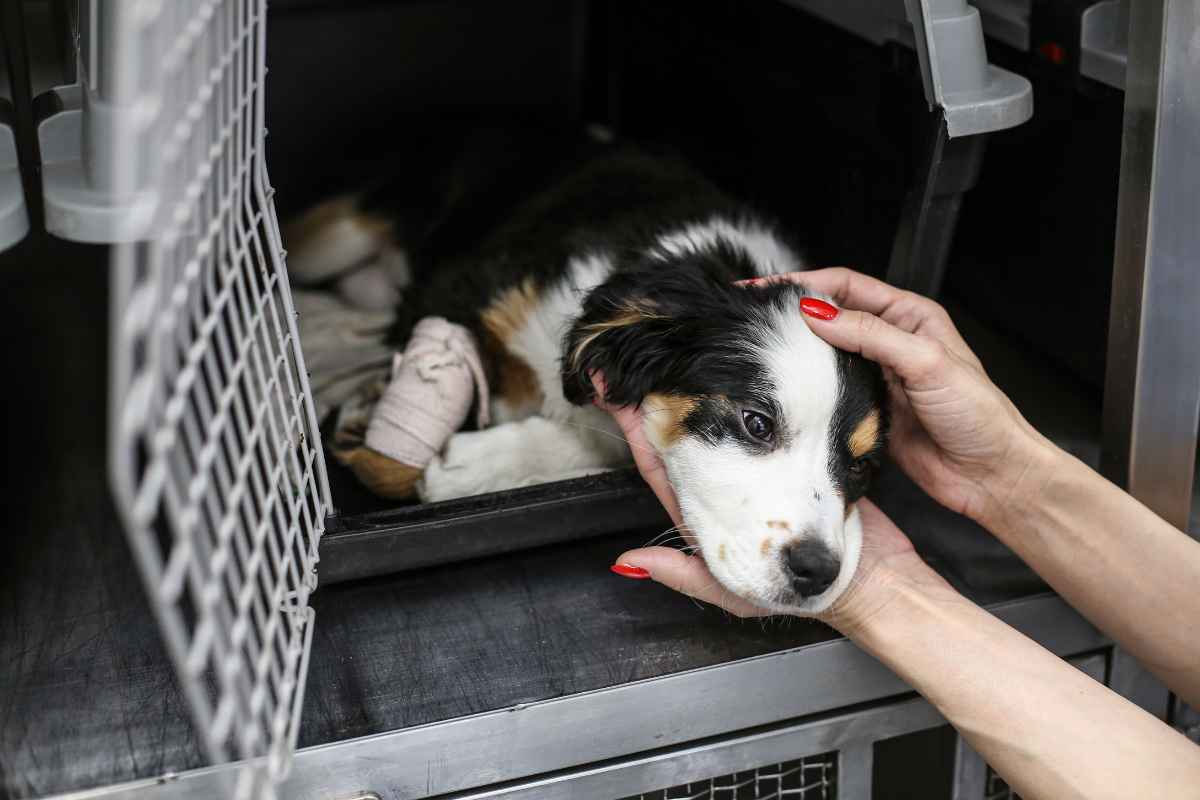
The first thing your dog needs in your home is a safe space. This will help them feel secure and give them a retreat when they need some alone time.
Set up a quiet area in your home where they can relax, with their bed, food, water, and toys.
This should be an area away from too much foot traffic or noise, especially during the first few days.
Why a Safe Space Matters
Rescue dogs may have had difficult past experiences, so they might feel scared or overwhelmed when they first arrive at your home.
A designated safe space provides a sense of security while they adjust to their new surroundings. Gradually, you can begin to introduce them to other areas of your home.
2. Stick to a Routine
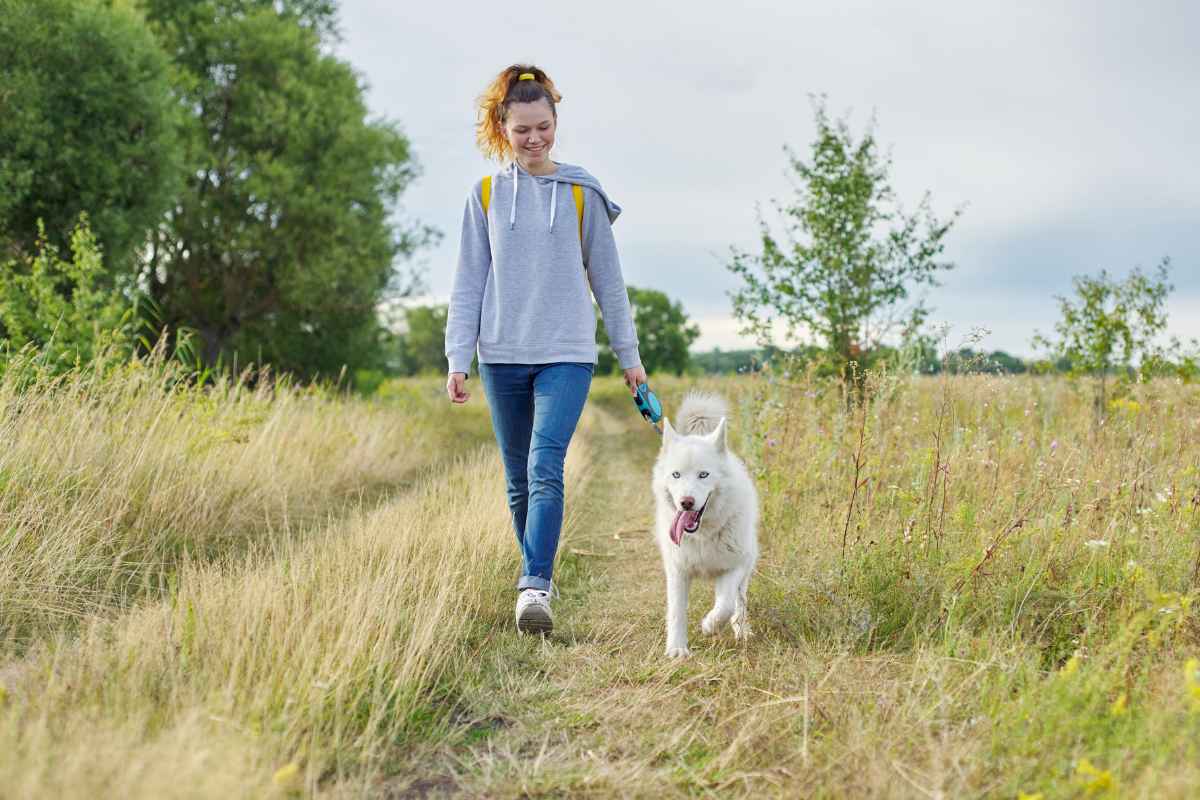
Dogs thrive on routine, and a consistent daily schedule is one of the most comforting things you can provide.
Try to stick to regular times for feeding, walks, bathroom breaks, and playtime. This will help your dog feel more secure, as they’ll begin to learn what to expect.
Creating a Routine
Start with simple routines for feeding and potty breaks. Consistency is key in helping your dog understand your expectations and feel at ease.
If possible, involve family members or roommates to maintain the same routines every day, as changes may add confusion or stress.
3. Be Patient and Gentle
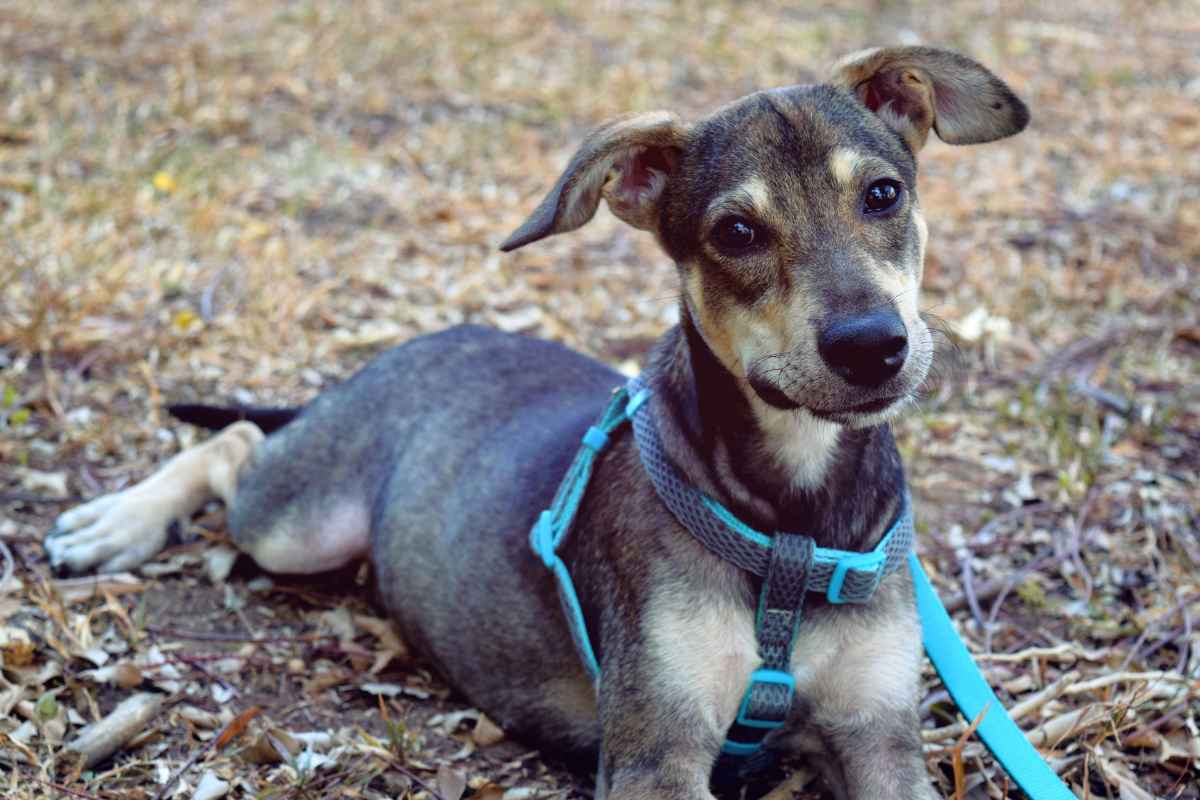
Patience is essential when you’re helping a rescue dog adjust to a new environment.
They might be shy, anxious, or even fearful in the first few days. Give them time to open up at their own pace. Avoid overwhelming them with too much interaction right away.
Understanding Their Behavior
Your rescue dog may exhibit nervous behaviors, such as pacing, hiding, or avoiding eye contact.
These are common signs of stress, and they will likely decrease as your dog becomes more comfortable.
It’s important to be gentle, avoid harsh corrections, and allow them to approach you when they’re ready.
4. Introduce Your Dog to Family and Other Pets Slowly
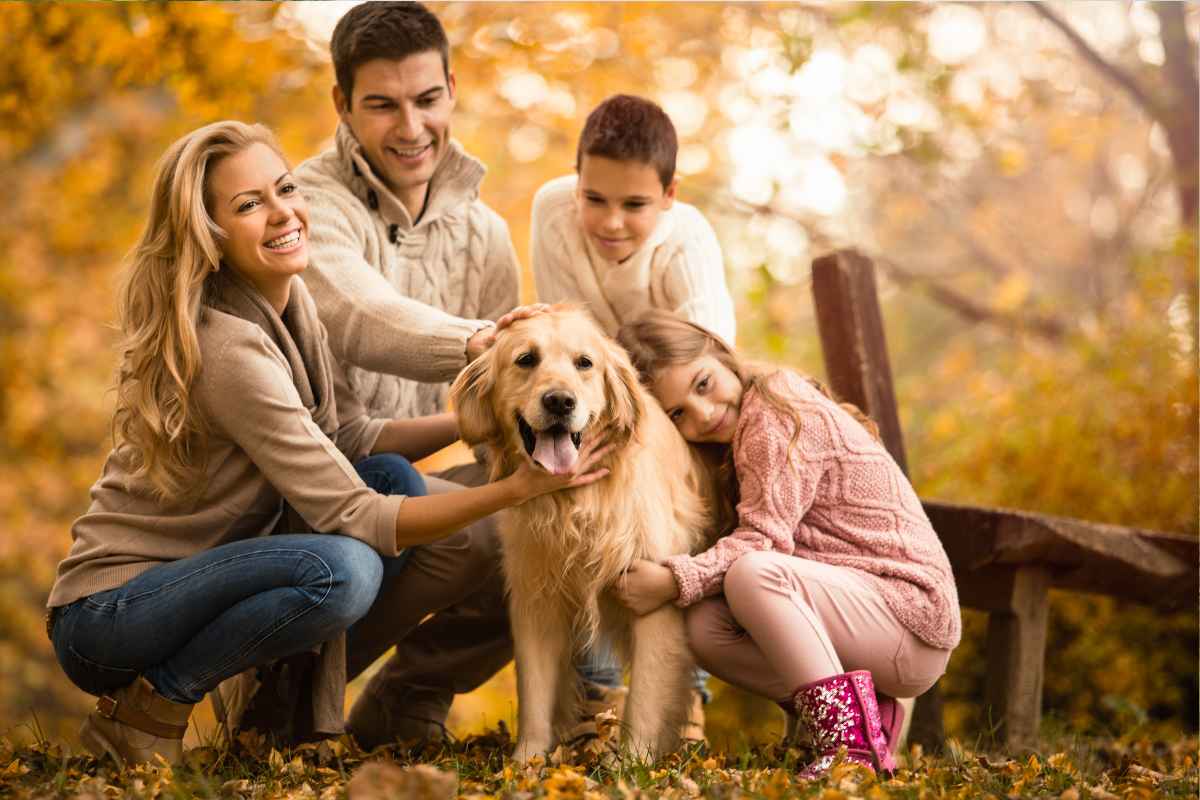
If you have other pets or family members at home, it’s important to introduce your new rescue dog to them gradually.
Start by allowing them to sniff each other through a baby gate or a closed door. Once they seem calm, allow for short supervised interactions.
First Impressions Matter
The first interaction can set the tone for your dog’s relationship with other pets and family members.
It’s important to let both your new dog and existing pets get accustomed to each other slowly.
Monitor their body language closely, and separate them if there are any signs of aggression or fear.
5. Establish a Good Relationship with the Vet
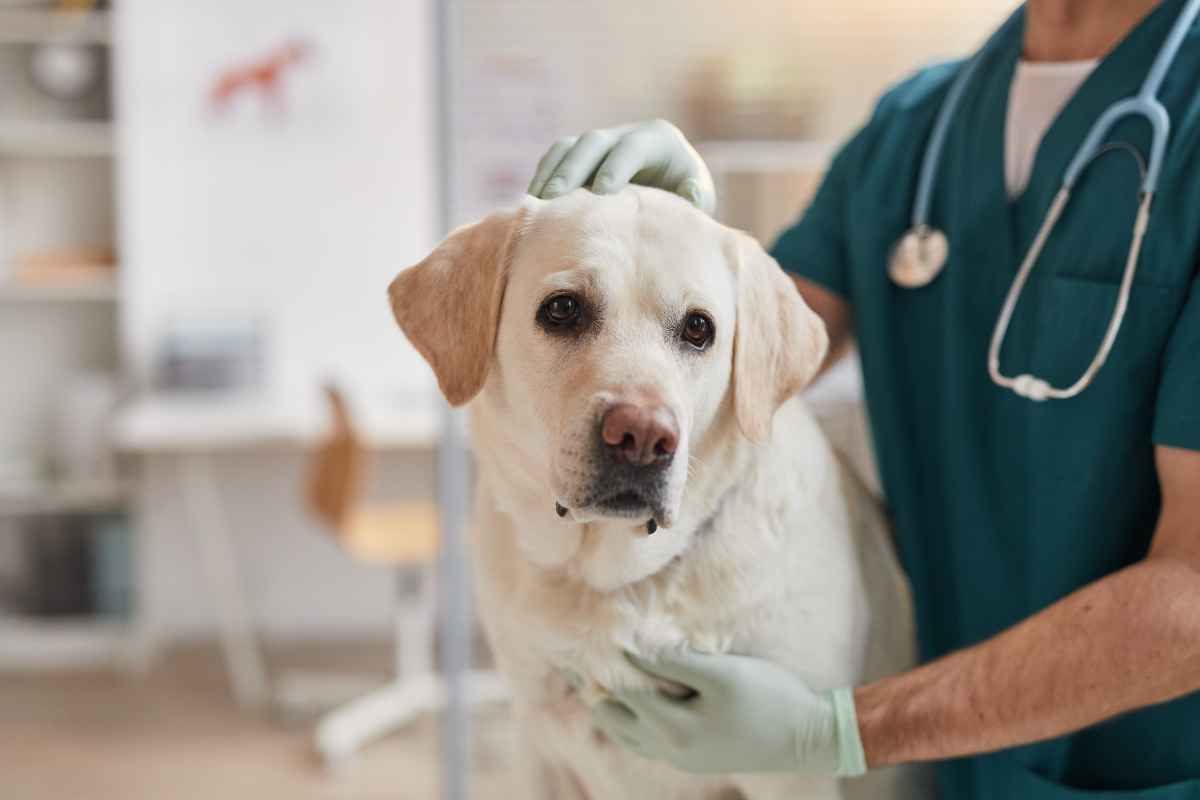
It’s important to establish a relationship with a trusted veterinarian, especially within the first week of adopting your dog.
Schedule a wellness check soon after bringing your dog home, even if they seem healthy.
A vet visit can help identify any hidden health issues and ensure your dog is up-to-date on vaccinations, flea treatments, and other preventive care.
Why Vet Visits Are Essential
Rescue dogs may have medical needs that were neglected in their previous homes.
A vet will also help you create a healthcare plan tailored to your dog’s specific needs, ensuring their health and well-being in the long run.
6. Provide Plenty of Positive Reinforcement
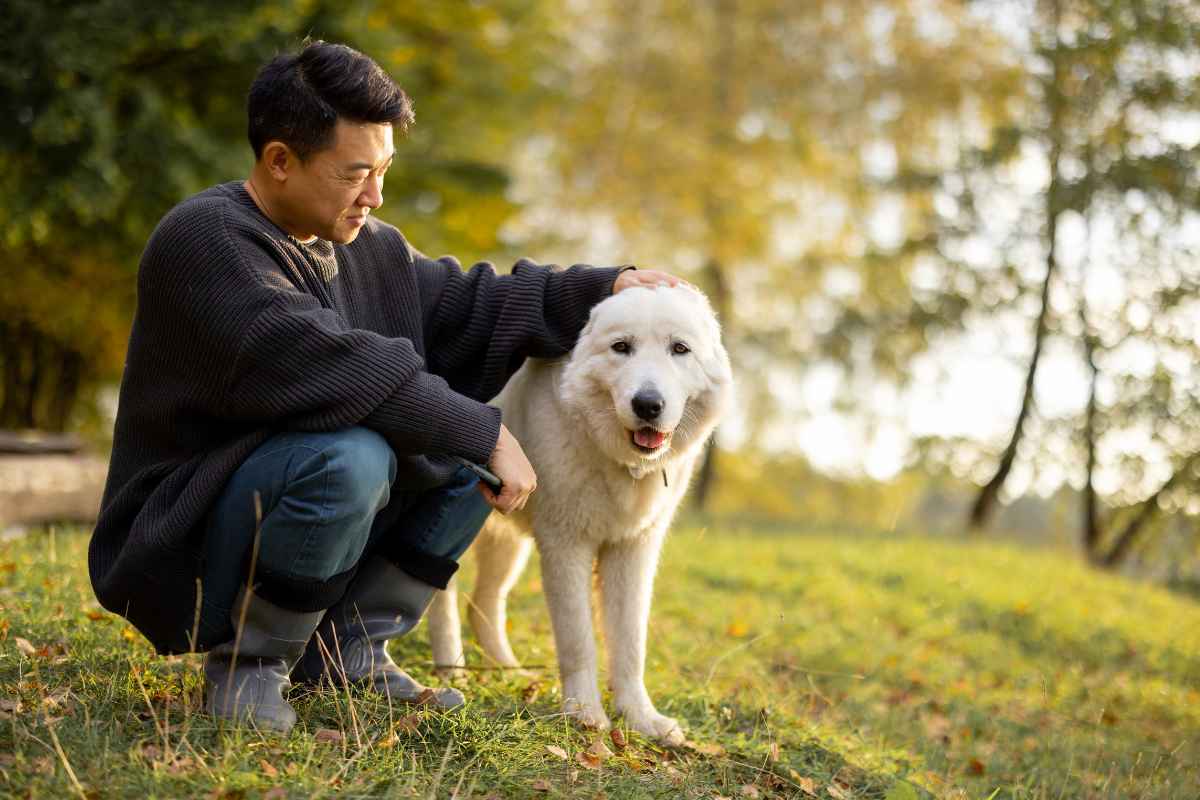
Training your dog is not just about teaching commands, but also about building a bond through positive reinforcement.
Reward your dog with treats, praise, or toys when they do something positive. This method strengthens their trust in you and helps them understand what behavior is expected.
Benefits of Positive Reinforcement
Positive reinforcement helps establish a strong bond between you and your dog, ensuring a more cooperative and trusting relationship.
Over time, your dog will begin to associate you with good things, such as treats and praise, making them more likely to follow your commands and learn new behaviors.
Conclusion: Make Their First Week Special

Your rescue dog’s first week at home is a time of learning, trust-building, and adjustment.
By creating a safe space, sticking to a routine, being patient, slowly introducing them to new family members or pets, and establishing a good relationship with the vet, you are setting your dog up for success in their new life.
Remember, the bond you form during this crucial period will last a lifetime.
The patience and effort you invest now will result in a well-adjusted, happy, and loyal companion.
Enjoy the process, and don’t forget to take a few moments to celebrate each milestone along the way.

Source: The Kind Canine
Did you find this post useful or inspiring? Save THIS PIN to your Pets Board on Pinterest!

You may also like