
7 Exciting Ways to Entertain Your Rabbit (Easy, Cheap Ideas)

This post contains affiliate links. As an Amazon Associate, Urbaki Pets earns from qualifying purchases, at no extra cost to you.
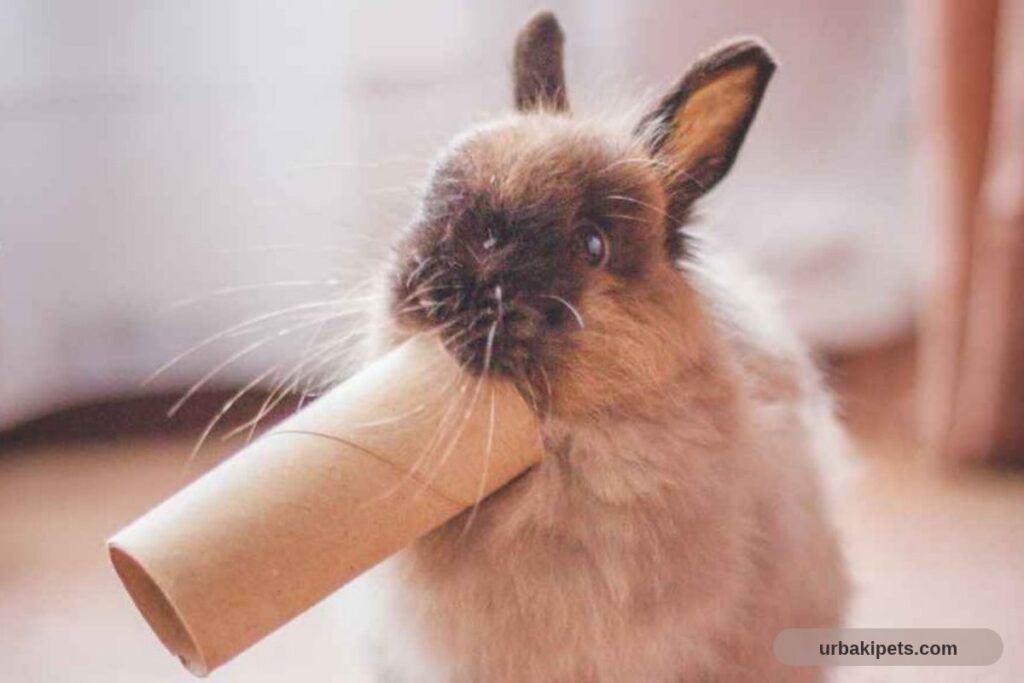
The best way to entertain your rabbit is to give them things to do that match their instincts: chewing, digging, foraging, hiding, running, and exploring. A simple rotation of cardboard boxes, tunnels, hay-stuffed toys, a dig box, short training sessions, and daily free-roam time will keep most bunnies busy, happy, and out of trouble.
Rabbits are smart, curious animals. In the wild they spend most of their waking hours looking for food, digging, and watching for danger. A pet rabbit sitting in an empty pen all day has none of that, and boredom shows up fast as chewed baseboards, cage biting, overeating, or a bunny that just stops moving around. The good news is that keeping a rabbit entertained is cheap. Most of the ideas below use things you already have at home.
Here are seven fun and creative ways to entertain your rabbit, plus a list of safe and unsafe toy materials, our favorite picks, and answers to the questions owners ask most.
Why Your Rabbit Needs Daily Enrichment
Enrichment simply means giving your rabbit chances to use their natural behaviors. A well-entertained rabbit is usually calmer, easier to handle, and less destructive. It also helps their body: moving, climbing, and chewing all support healthy weight, strong muscles, and teeth that wear down the way they should.
Not sure if your bunny is bored? Common clues include pulling at cage bars, digging at the carpet, tossing the food bowl, sleeping more than usual, or overgrooming. We cover the full list in 7 Signs Your Rabbit Is Bored.
One more tip before we start: rabbits are most active in the early morning and in the evening. Plan playtime and new toys for those hours and you will see a lot more interest.
1. Build an Obstacle Course for Fun and Exercise
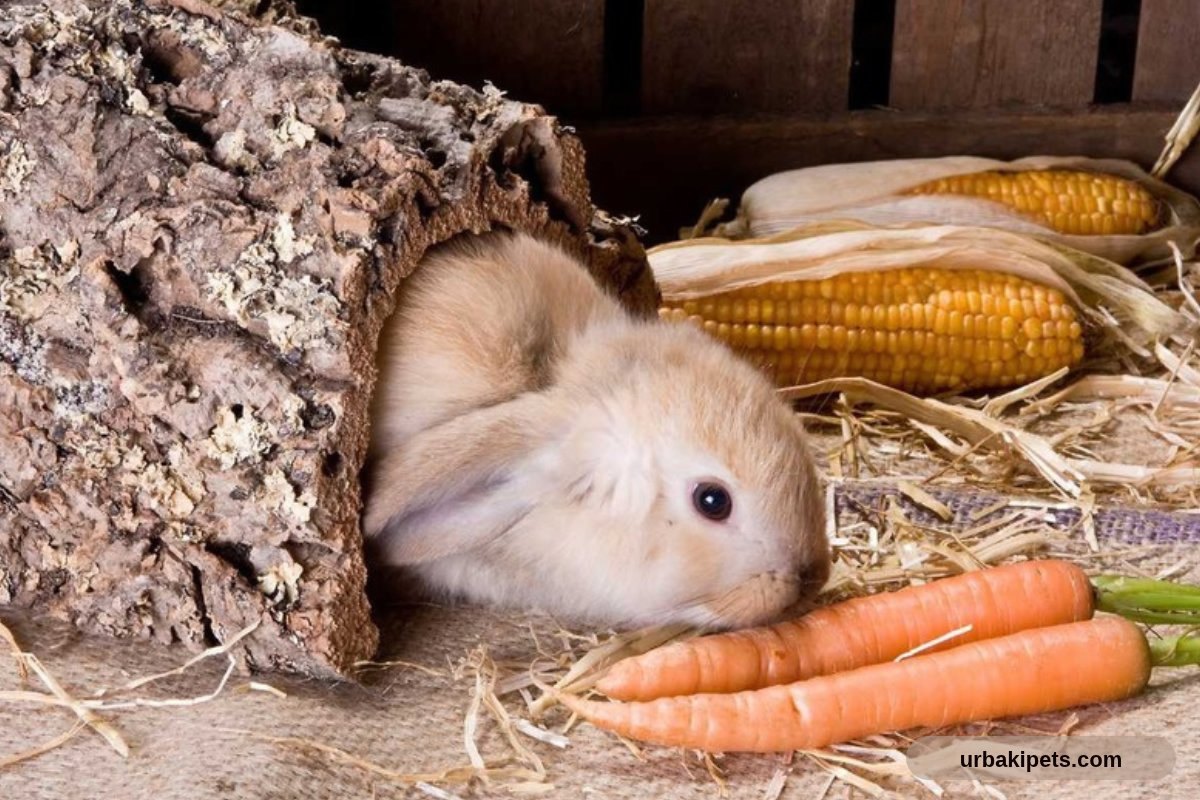
Rabbits love to explore, and an obstacle course works their bodies and their brains at the same time. You don't need anything fancy. Everyday household items make a great course.
How to set it up
- Clear a safe area. Cover or block electrical cords, houseplants, and anything you don't want chewed.
- Add things to hop over. A rolled towel, a low book, or a pool noodle on the floor works well. Keep jumps low at first.
- Add things to go through. Cardboard boxes with doors cut in both ends or a fabric tunnel make perfect passages.
- Add things to climb. A sturdy step stool or a solid wooden box gives your rabbit a lookout spot. Avoid anything that wobbles.
- Use a trail of treats. Place a few small pieces of a favorite herb along the route so your rabbit learns where to go.
Change the layout every few days. Rabbits notice when something new appears, and a rearranged course feels like a whole new playground.
2. Interactive and Foraging Toys for Mental Stimulation
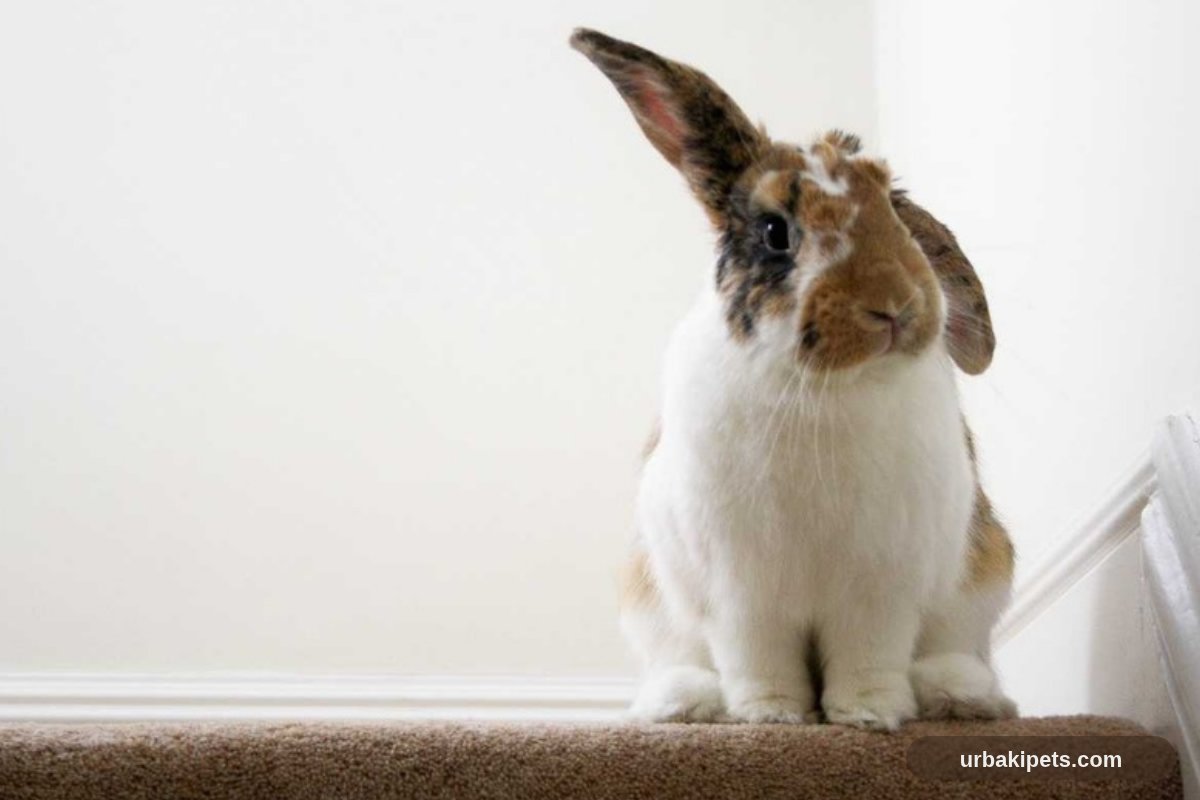
Just like us, rabbits get bored with the same old toys. Giving them a variety of interactive toys keeps their minds sharp.
Foraging toys are one of the best options because they copy what rabbits do in nature: search for food. Try these easy ideas:
- Toilet paper roll stuffers: fill an empty cardboard tube with hay and a few pellets, then fold the ends closed.
- Snuffle mats: hide pellets or dried herbs in the fabric strips and let your rabbit sniff them out.
- Paper bag surprise: put hay and a treat inside a plain paper bag (no handles, no ink) and scrunch the top.
- Scatter feeding: instead of a bowl, spread part of the daily pellets across the pen.
Chew toys matter too. Rabbit teeth never stop growing, so chewing is a need, not a hobby. Untreated apple wood sticks, willow balls, timothy hay mats, and sisal or seagrass toys are all good choices.
3. Create a DIY Rabbit Playground
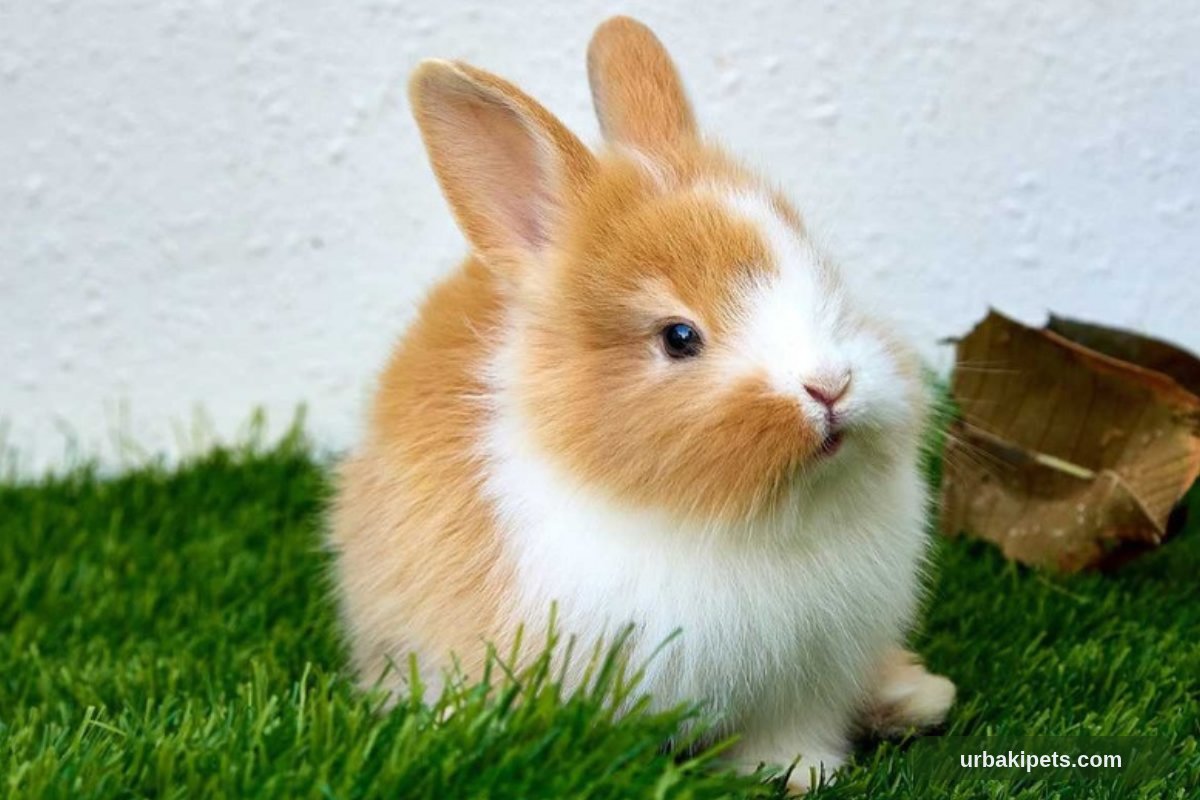
A dedicated play area gives your rabbit a place to run, jump, and do happy "binkies." A puppy or small animal playpen is the easiest base, and you can fill it with homemade features.
- A cardboard castle made from two or three boxes taped together with doorways and windows.
- A low platform or wooden ramp for climbing and lookout time.
- A hay rack or pile so your bunny can snack while they play.
- A soft rug or mat for grip, since slippery floors make rabbits nervous.
Working on a budget? Many playground pieces can come from the dollar store. See our list of things you can buy at Dollar Tree for rabbits for safe ideas.
4. Tunnels and Boxes: Natural Exploration
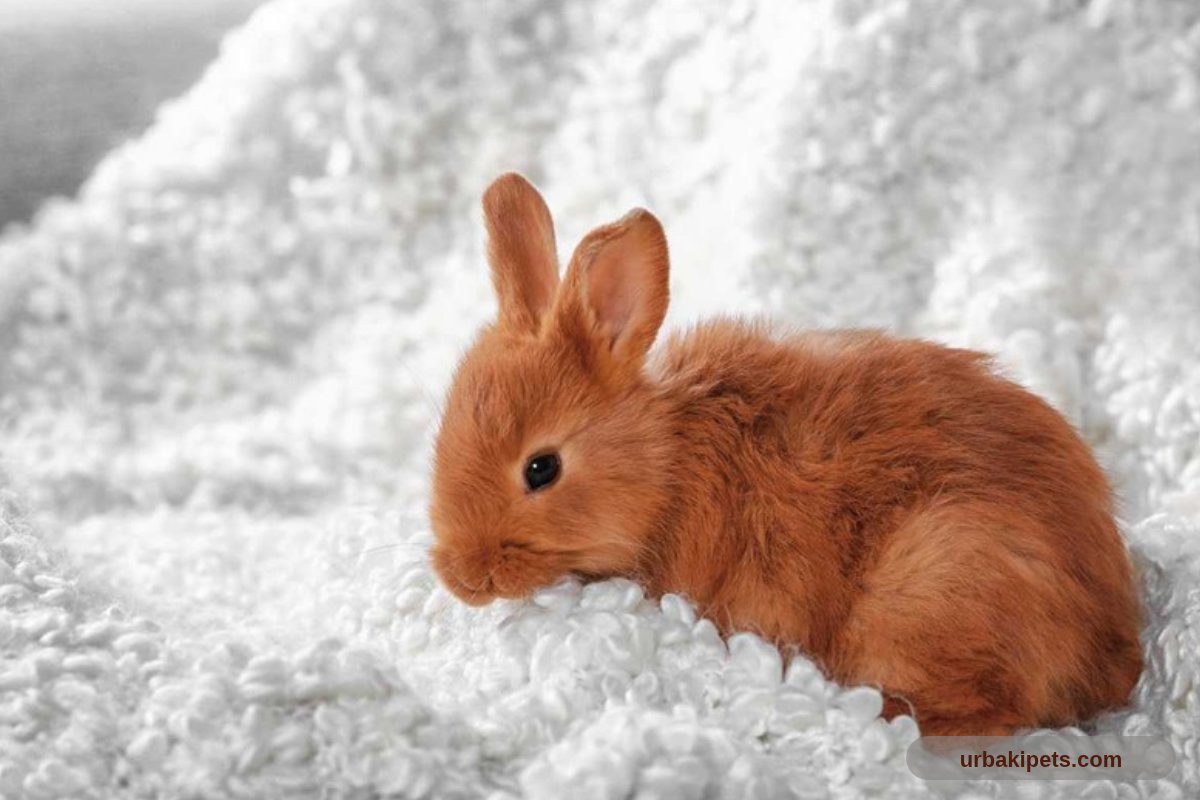
Wild rabbits live in underground burrows, so tunnels and boxes feel safe and exciting at the same time. A tunnel gives your bunny a place to zoom through and a place to hide when they want a break.
Cardboard boxes are the classic rabbit toy for good reason. They are free, chewable, and easy to replace. Cut two openings so your rabbit never feels trapped, and remove tape, staples, and glossy labels first. Fabric tunnels and woven grass hideouts are great upgrades that last longer and can be linked together into a small maze.
5. Training and Teaching New Tricks
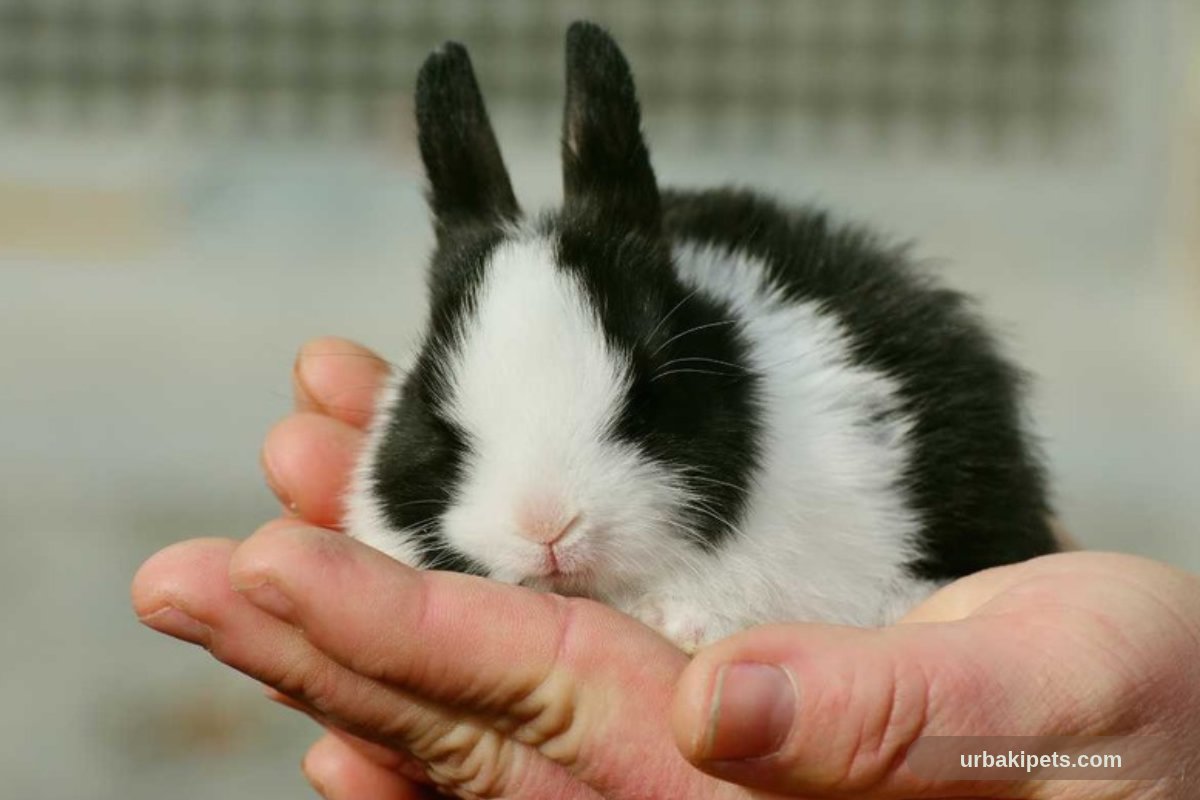
Yes, rabbits can learn tricks. Training is mental exercise, and it builds trust between you and your bunny. Easy tricks to start with include:
- Come when called: say their name and reward them when they hop over.
- Spin: lure them in a circle with a treat.
- Stand up: hold a treat just above their head.
- High five or target: teach them to touch your hand or a stick with their nose.
Keep sessions short, about five minutes, and use tiny rewards such as a small piece of herb or a single pellet. Never punish a mistake. If you want a clear system, try clicker training for rabbits. It helps your rabbit understand exactly which action earned the treat.
6. Rabbits Love Digging: Give Them a Digging Box
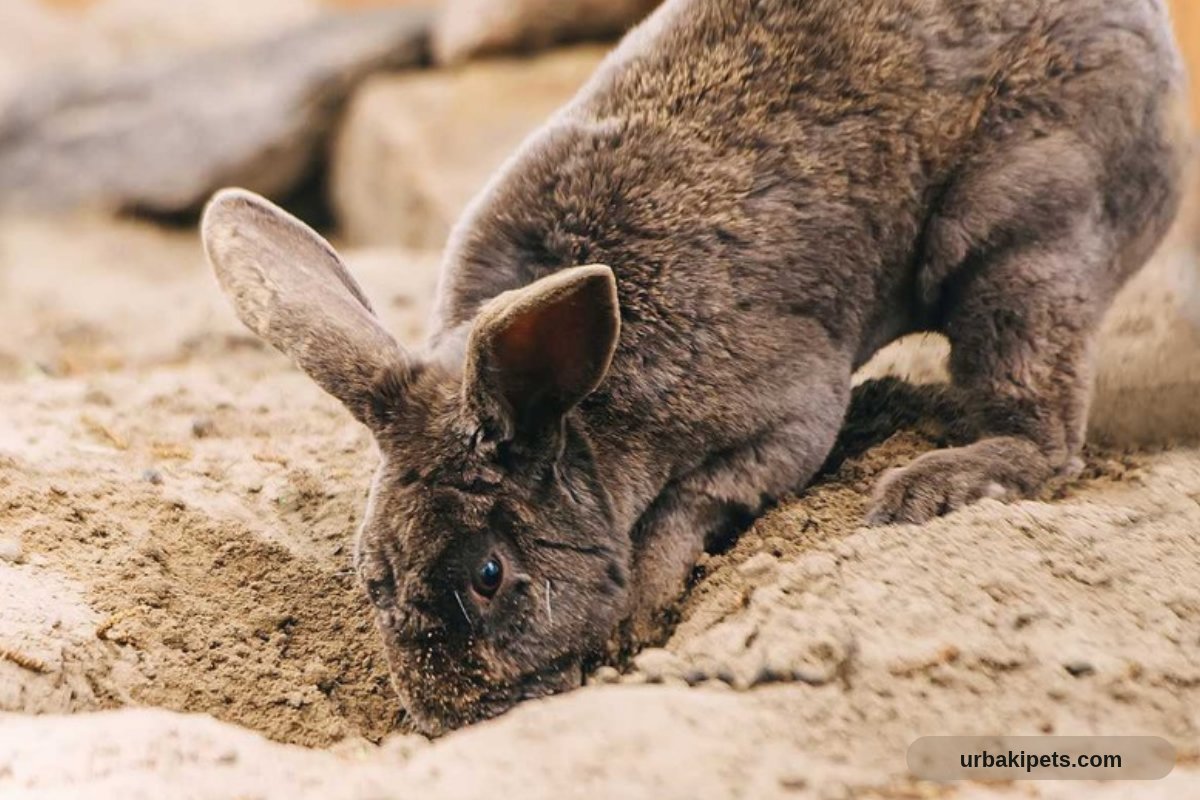
Digging is hardwired into rabbits, especially females. If you don't give them a place to dig, they will choose one for you, usually your carpet or the couch.
A dig box is easy to make: take a large cardboard box or a plastic storage bin with low sides and fill it with shredded plain paper, crumpled packing paper, or hay. Hide a few pellets inside to make it even more fun. For more fillers and designs, read DIY Rabbit Dig Box Ideas: 8 Safe Fillers.
Skip clumping cat litter, cedar or pine shavings, and dyed paper. If you use soil, make sure it has no fertilizer or chemicals.
7. Playtime Outside (Under Supervision)

Fresh grass, new smells, and sunshine are a big treat for most rabbits. Outdoor time should always be supervised and inside a secure pen, because rabbits can squeeze through small gaps and dig under fences surprisingly fast.
- Only use grass that has not been treated with pesticides or fertilizer.
- Provide shade and a hiding spot, since rabbits overheat easily.
- Avoid very hot days and keep an eye out for hawks, cats, and dogs.
- Check the area for toxic plants before you let your rabbit graze.
Thinking about a permanent setup? Our guide to outdoor rabbit enclosures covers safety and comfort in detail.
Bonus: Play With Your Rabbit Yourself
The best toy for your rabbit is often you. Sit on the floor at their level and let them come to you. Many rabbits enjoy gentle games like tossing a small willow ball, "chase" where they follow you around the room, or exploring a pile of boxes with you nearby. If your rabbit lives alone, this time together is even more important. Find more ideas in How to Play with Your Rabbit.
Safe vs. Unsafe Rabbit Toy Materials
Generally safe:
- Plain cardboard and brown paper
- Untreated apple, willow, and aspen wood
- Hay-based toys, grass mats, and seagrass
- Hard plastic baby toys such as stacking cups or keys (for tossing, not chewing)
Avoid:
- Soft rubber or soft plastic toys that can be chewed into pieces
- Painted, varnished, or pressure-treated wood
- Toys with small bells, glue, or loose parts
- Cedar and pine shavings
- Glossy or heavily inked paper
Check toys often and throw away anything that is falling apart.
Our Favorite Picks for a Busy Bunny
Homemade toys are wonderful, but a few store-bought basics make enrichment easier and last longer. These are the kinds of items we would add to any rabbit setup:
- 3-Way Foldable Rabbit Tunnel and Hideout: a fabric tunnel with several openings for zooming and hiding. It folds flat when you need the space.
- Extra Large Natural Grass House: a woven grass hideout your bunny can sit in, climb on, and chew.
- KATUMO Apple Wood and Grass Chew Toy Set: a mix of apple sticks and grass balls to keep teeth busy and give you plenty of toys to rotate.
- Rabbit Foraging Snuffle Mat: hide pellets or dried herbs in it for an easy brain game at mealtime.
- Pawaboo Small Animal Playpen: a portable, washable pen that turns any room into a safe play area.
How Much Playtime Does a Rabbit Need?
Rabbits need several hours of exercise and free-roam time every day, not a quick hop around once a week. The more space and time they get outside their enclosure, the better. Split it into a morning and an evening session if that fits your schedule better, since that matches when rabbits are naturally most active.
Rotate toys every few days instead of putting everything out at once. A toy that disappears for a week feels new again when it comes back.
When to See a Vet
Sometimes what looks like boredom is actually a health problem. Rabbits hide pain well, so call your rabbit-savvy vet right away if you notice:
- Your rabbit stops eating or stops pooping, even for part of a day
- Sudden lack of interest in toys or treats they usually love
- Sitting hunched in a corner or grinding teeth loudly
- Drooling, a wet chin, or dropping food while chewing
- Limping, head tilt, or trouble keeping balance
These can be signs of a serious condition, and quick care makes a big difference.
FAQ
What do rabbits like to play with?
Most rabbits love cardboard boxes, tunnels, hay-stuffed toys, willow balls, apple wood sticks, and anything they can dig in or toss around. Every bunny has favorites, so try a few and rotate them.
How do I entertain my rabbit when I'm not home?
Leave a fresh pile of hay, a foraging toy or two, a cardboard hideout, and a chew toy in the enclosure. Scatter part of their pellets so they have something to search for while you are away.
Do rabbits get lonely?
Yes. Rabbits are social animals, and many do best with a bonded rabbit friend. If your rabbit lives alone, plan extra daily time together on the floor.
Are cardboard boxes safe for rabbits?
Plain brown cardboard is safe for most rabbits to chew. Remove tape, staples, and plastic labels first, and avoid glossy printed boxes.
Conclusion: Keep Your Rabbit Happy and Healthy
Keeping your rabbit entertained doesn't have to cost much. A few boxes, a tunnel, a dig box, some chew toys, and daily time with you will cover most of what a rabbit needs. Mix up the setup often, watch which activities your bunny loves most, and build on those.
By investing in their happiness, you'll build a bond with your rabbit that lasts a lifetime.
Are you ready to try these ideas with your rabbit? Let us know which activity your rabbit loves the most, and share your fun experiences with us!
Enjoy The Video About Rabbits

Source: The Bunny Lady
Did you find this post useful or inspiring? Save THIS PIN to your Pets Board on Pinterest!

You may also like