
7 Horse Care Mistakes Everyone Should Avoid


Caring for a horse is a rewarding but challenging responsibility that requires a comprehensive understanding of their needs.
From nutrition to daily exercise, every aspect of their care contributes to their health and well-being.
Unfortunately, many horse owners make common mistakes that can lead to long-term health problems or unnecessary stress for both the horse and the owner.
In this article, we’ll discuss the most frequent horse care mistakes, provide practical solutions, and help you ensure your horse leads a happy, healthy life.
1. Neglecting Proper Nutrition
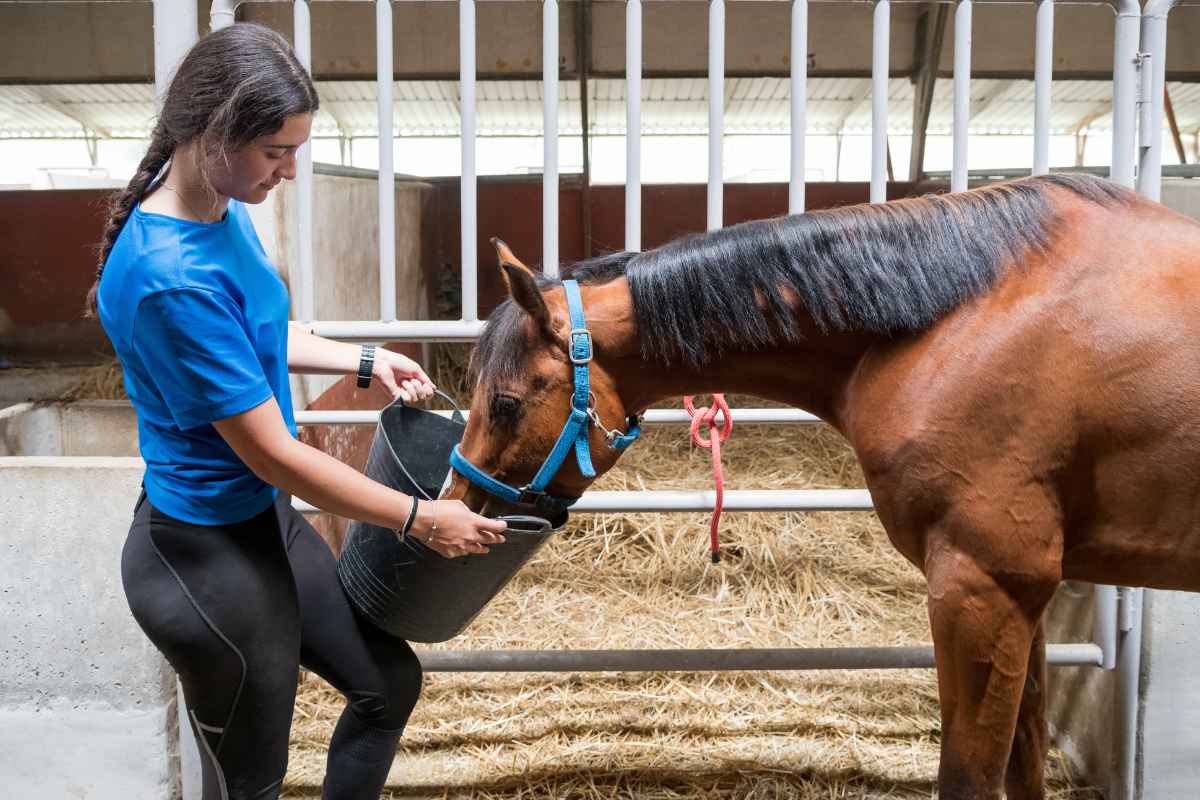
The Importance of a Balanced Diet
A horse’s diet is essential to its overall health.
Improper feeding or lack of variety in their diet can result in various health issues, such as colic, obesity, or digestive problems.
One of the most common mistakes is feeding horses too much grain and not enough roughage, such as hay.
What You Can Do:
To avoid this mistake, make sure your horse has a well-balanced diet, including high-quality hay and fresh water available at all times.
The amount of grain you feed should be tailored to your horse’s activity level, age, and weight. Consult with a vet or an equine nutritionist to determine the appropriate proportions for your horse.
Tip: When choosing hay, ensure it is free from mold or contaminants, as poor-quality hay can cause respiratory problems in horses.
2. Skipping Regular Vet Checkups
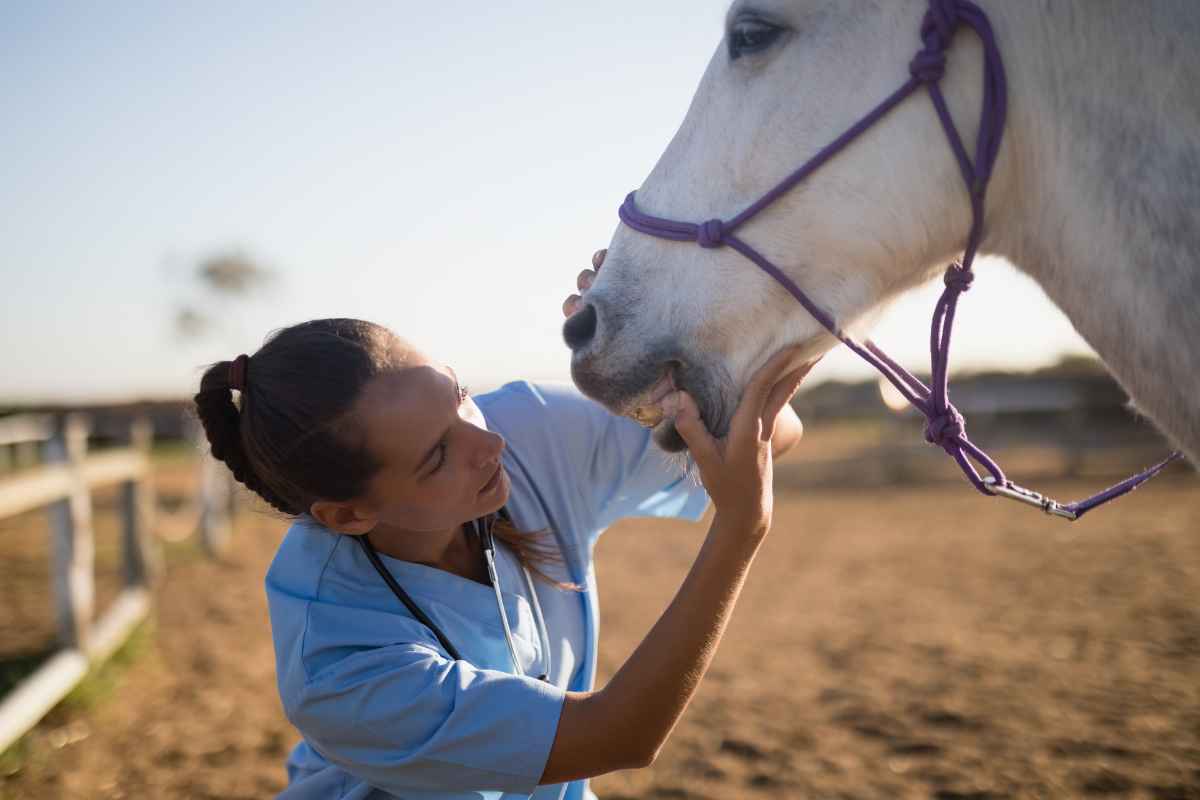
Preventive Care is Crucial
Many horse owners underestimate the importance of regular veterinary checkups.
Some wait until the horse shows signs of illness or discomfort before calling a vet.
This approach can lead to severe health complications that could have been prevented with timely intervention.
What You Can Do:
Ensure your horse has regular veterinary checkups at least twice a year.
Vaccinations, dental checkups, and deworming should be part of this routine.
If your horse shows any signs of discomfort or health changes, don’t hesitate to seek immediate medical advice.
Tip: Keeping a health log with notes on your horse’s behavior, eating habits, and physical condition can help your vet provide more accurate diagnoses.
3. Ignoring Hoof Care
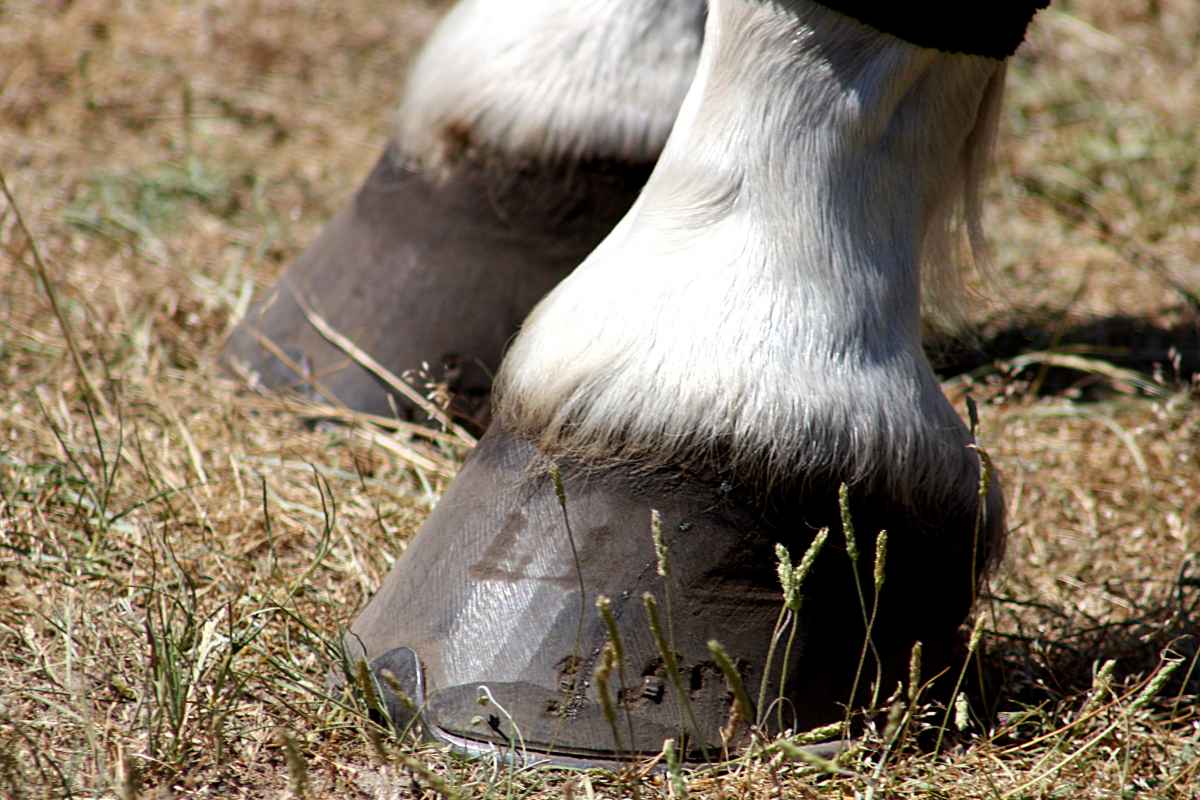
Hoof Health: A Foundation for a Happy Horse
The hooves are one of the most important parts of a horse’s body.
Without proper hoof care, your horse can suffer from painful conditions like laminitis, abscesses, and other serious infections.
Unfortunately, many owners fail to regularly check and trim their horse’s hooves.
What You Can Do:
Schedule regular visits with a professional farrier to ensure your horse’s hooves are trimmed and balanced properly.
Even if your horse is kept in an area where they are mostly on soft ground, their hooves still require attention to prevent overgrowth or injuries.
Tip: Pay attention to signs of cracking, bruising, or tenderness in your horse’s hooves, as these can indicate a need for immediate attention.
4. Not Providing Enough Exercise
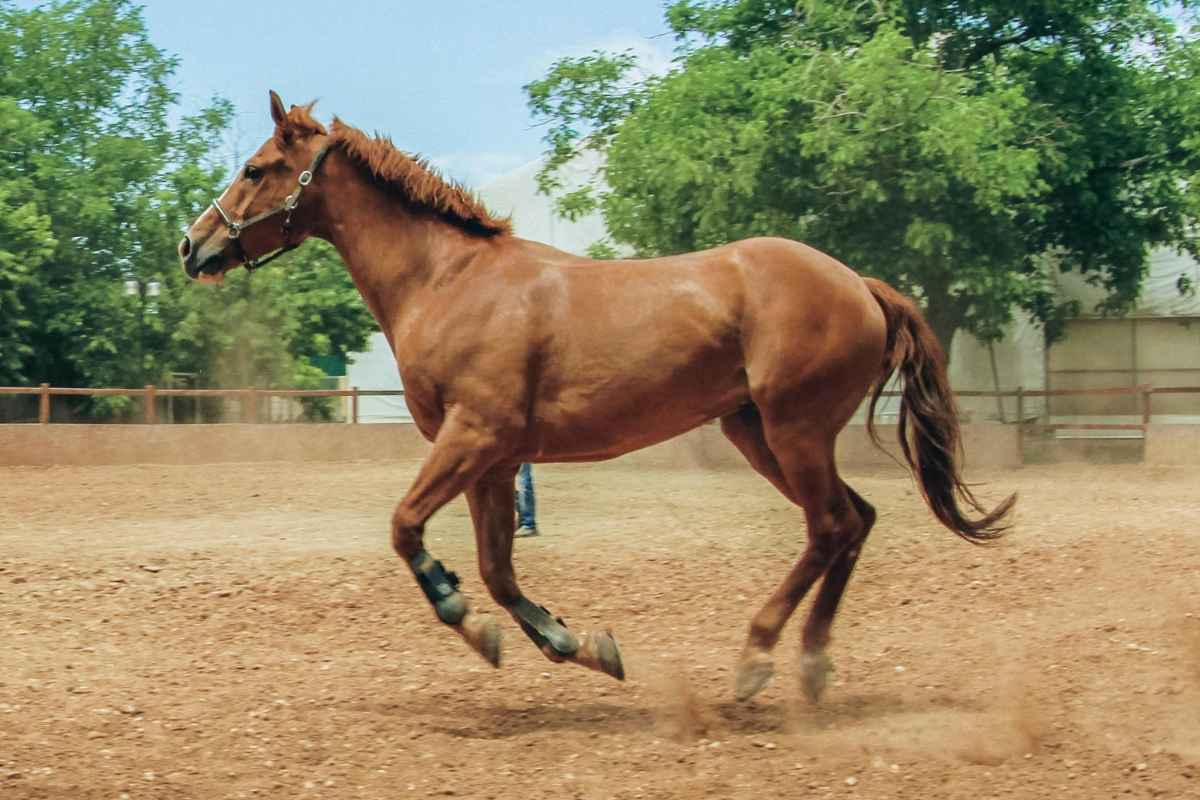
Horses Need Daily Movement
Exercise is essential for a horse’s physical and mental health. Lack of exercise can lead to obesity, depression, and behavioral problems.
While some owners may think their horse gets enough exercise by simply being in the pasture, this isn’t always the case.
What You Can Do:
Ensure your horse gets at least 1-2 hours of exercise per day.
This can include riding, lunging, or turnout in a paddock. If your horse is not ridden regularly, you can still encourage movement through free play or hand walking.
Tip: If your horse is prone to boredom or anxiety, consider incorporating puzzle feeders or other forms of mental stimulation into their daily routine.
5. Improper Grooming Techniques

Grooming is More Than Just Appearance
Regular grooming not only keeps your horse looking good but also plays a vital role in their overall health.
Poor grooming can lead to skin infections, tangled manes and tails, or discomfort from sweat buildup.
Using the wrong tools or techniques can also cause harm to your horse’s coat and skin.
What You Can Do:
Use appropriate grooming tools for your horse’s coat type and always brush in the direction of the hair growth.
Curved brushes and soft manes and tail combs are great for preventing tangling and pulling. Don’t forget to clean the hooves after every ride or turnout.
Tip: Regular grooming helps you monitor your horse’s skin condition and coat quality, allowing you to spot any unusual lumps, bumps, or irritations early on.
6. Neglecting Mental Health Needs
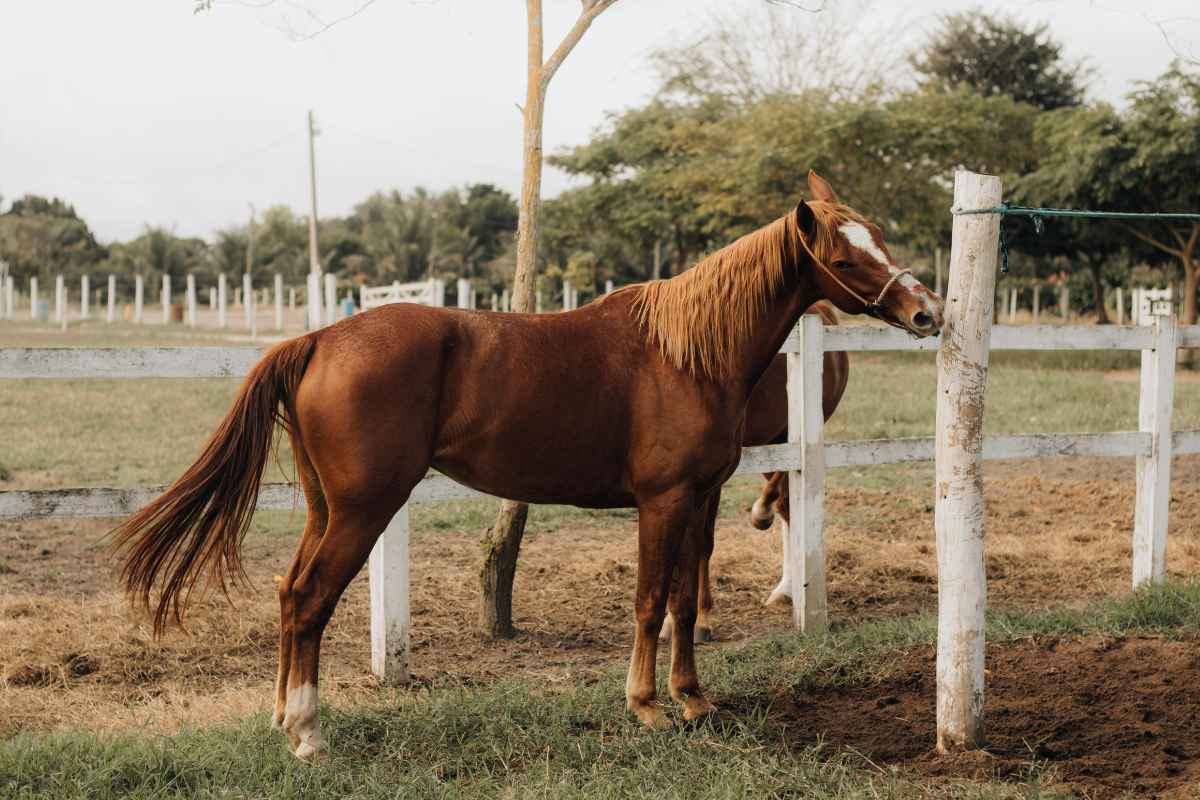
The Emotional Well-Being of Your Horse
Horses are highly intelligent and social animals that need mental stimulation and social interaction.
A horse that is kept alone or without sufficient enrichment can experience anxiety, depression, or even develop harmful behaviors.
What You Can Do:
Provide your horse with regular interaction, whether it’s with other horses or humans.
Turnout in a spacious area and allow your horse to move freely.
Incorporate mental stimulation through activities like clicker training or offering novel objects for exploration.
Tip: If you don’t have other horses, consider getting a companion animal like a goat or donkey, as they can provide much-needed social interaction.
7. Inadequate Shelter and Environment
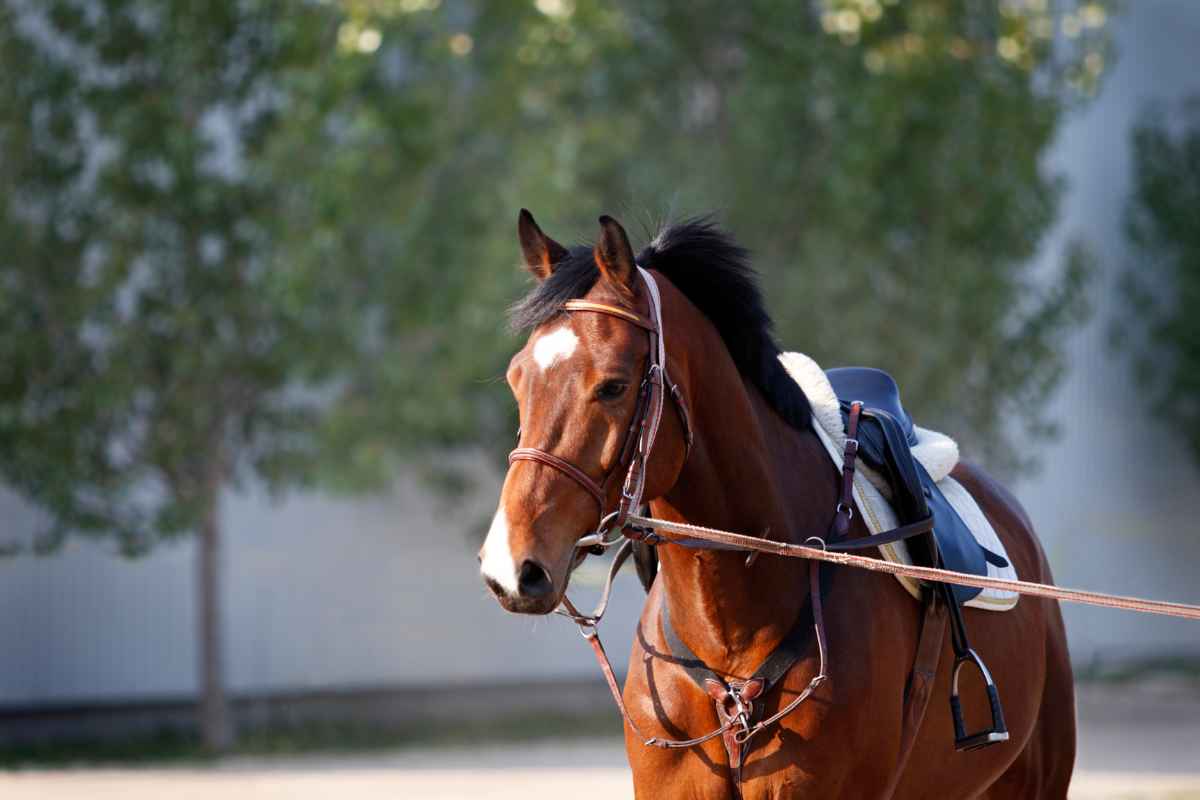
Creating a Safe and Comfortable Space
Many horse owners overlook the importance of proper shelter.
Exposure to extreme weather conditions, such as intense heat, rain, or cold, can cause health problems for your horse.
Additionally, a poorly maintained stable can lead to injuries and illness.
What You Can Do:
Ensure your horse has access to a clean, dry, and safe shelter.
The stable should be well-ventilated, with enough space for your horse to move freely.
If your horse is turned out in a pasture, make sure it is free from hazards like sharp objects, toxic plants, or poorly constructed fencing.
Tip: Regularly inspect your stable and pasture for any safety hazards and address them promptly.
Final Thoughts: Keeping Your Horse Happy and Healthy
By avoiding these common mistakes, you can help ensure that your horse stays healthy, comfortable, and happy for years to come.
Regular veterinary care, proper nutrition, sufficient exercise, and mental stimulation are all essential for your horse’s overall well-being.
Taking the time to address these areas will not only improve your horse’s quality of life but also deepen your bond with them.
Remember, horses rely on us for their care, so always be proactive in meeting their needs and seeking professional advice when necessary.
Ready to Improve Your Horse's Care?
Are you looking to take your horse care routine to the next level? Start by reviewing the tips outlined above and make the changes that best suit your horse’s needs.
Your horse will thank you for it, and you’ll enjoy seeing them thrive!

Source: Carmella Abel - Equine Helper
Did you find this post useful or inspiring? Save THIS PIN to your Pets Board on Pinterest!

You may also like