
7 Tips so That Your Bird Doesn't Bite


Bird biting is a common behavior that can be frustrating for both the bird and the owner.
However, understanding the reasons behind this behavior and taking the necessary steps to address it can lead to a more harmonious relationship.
In this detailed guide, we will provide seven comprehensive tips to help prevent your bird from biting and to foster positive interactions.
1. Understand Your Bird’s Behavior
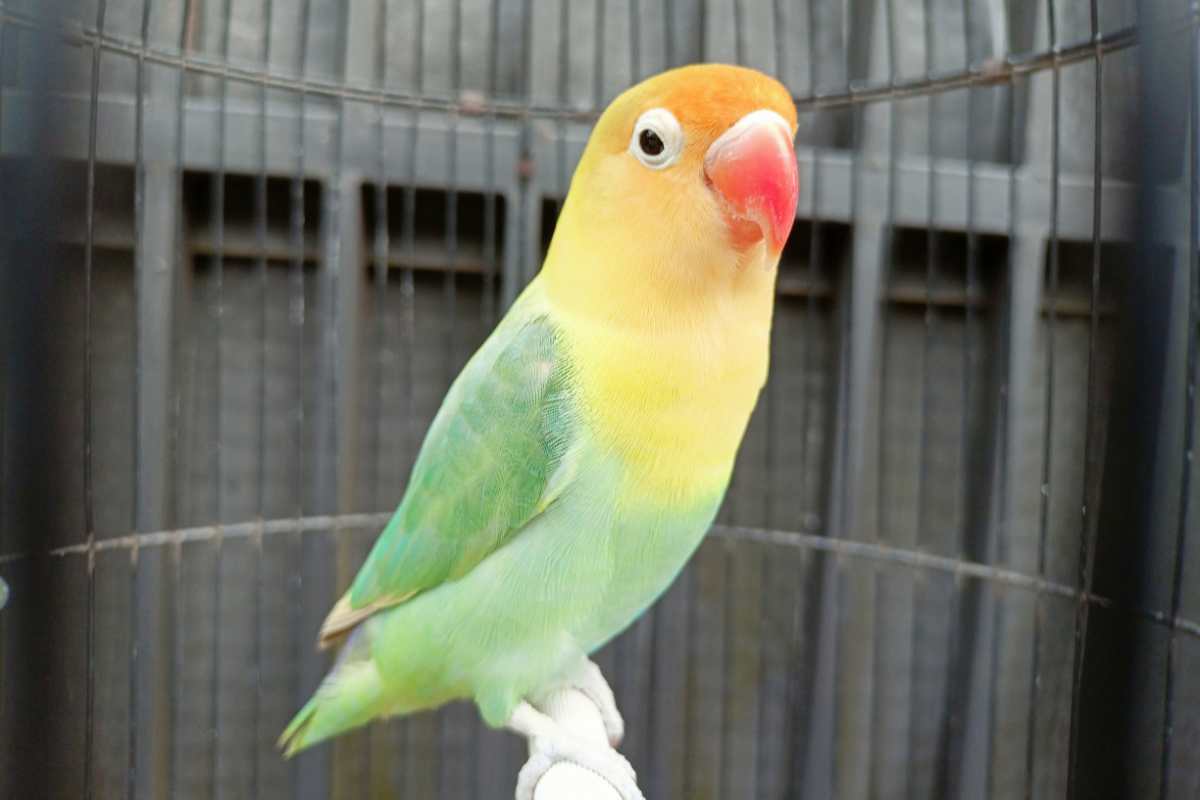
Understanding your bird's behavior is the foundation of preventing biting. Birds, like other pets, communicate through their actions.
Biting often occurs as a response to a variety of triggers, such as fear, frustration, or overstimulation.
Why Do Birds Bite?
Birds are naturally territorial, and they may use their beaks as a form of protection when they feel threatened.
Below are the common reasons why birds bite:
Fear and Anxiety: If your bird feels cornered or frightened, it may bite to defend itself. This is particularly common when new people or situations are introduced.
Overstimulation: Birds can become overwhelmed if they receive too much attention, especially when they are not in the mood for interaction. When overstimulated, they may resort to biting.
Hormonal Behavior: During breeding seasons, birds can become more territorial or aggressive, leading to increased biting.
Stress: Changes in the environment, such as moving to a new home or a new cage, can cause stress and trigger biting behavior.
How to Manage the Behavior:
To address biting, you must first understand the context. Watch for early warning signs such as rapid tail movements, raised feathers, or dilated pupils.
These behaviors indicate that your bird is feeling stressed, and it may be on the verge of biting.
Tip: Keep a behavior journal for your bird. Track when and where biting occurs, along with the environment and context. This can help you identify patterns and triggers, which can be key to preventing future bites.
2. Establish Positive Interaction Routines

A bird that feels comfortable with its owner is less likely to bite. Establishing a positive interaction routine helps build trust and comfort.
Regular and gentle interactions reinforce the bond between you and your bird, reducing its need to bite.
How to Build Positive Interactions:
Start Slowly: Let your bird come to you. Don’t rush the process. Gradually build up to more interactive sessions. Sudden movements or grabbing can trigger fear.
Gentle Voice and Actions: Always approach your bird with a calm, gentle tone and slow movements. Abrupt gestures can startle your bird, leading to defensive behavior, such as biting.
Reward Good Behavior: Use treats, praise, or petting to reward positive behavior. For example, if your bird sits on your hand calmly, reward it immediately with a small treat or a gentle scratch behind its head.
Respect Boundaries: Not every interaction should be a forced one. Allow your bird to decide when it wants to interact. Respecting their space builds trust and prevents frustration, which could lead to biting.
Tip: Use positive reinforcement techniques like clicker training to encourage your bird to perform desired behaviors, such as stepping up onto your finger or remaining calm in stressful situations.
3. Provide a Stimulating Environment
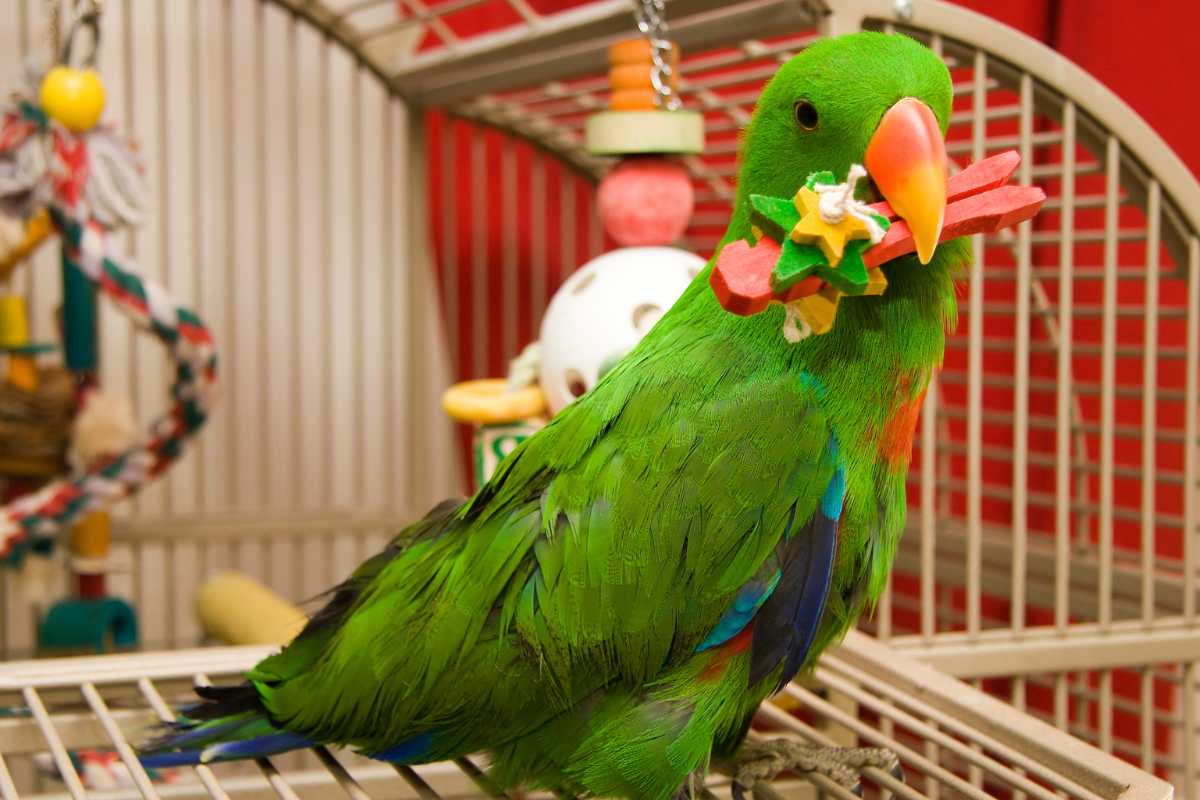
Birds are intelligent creatures that require mental and physical stimulation to stay happy.
A bird that is not mentally challenged can become bored, anxious, or frustrated, leading to biting.
Creating a stimulating environment is crucial for your bird's well-being.
How to Stimulate Your Bird:
Interactive Toys: Birds need toys that engage their mind and body. Provide toys that encourage foraging, such as food puzzles or items that require manipulation to get a treat.
Chew toys are essential, as birds like to chew, and having the right toys will prevent them from chewing on inappropriate items, such as your furniture or fingers.
Variety of Activities: Birds thrive on variety. Rotate toys regularly to prevent them from becoming bored with the same items. Introduce new toys every few weeks to maintain interest.
Out-of-Cage Time: Allow your bird to spend time outside its cage in a safe, supervised environment. This helps burn off excess energy and gives your bird the opportunity to explore new surroundings.
Play Sessions: Spend time engaging with your bird. Play games like fetch (using small, lightweight objects), hide-and-seek, or simple tricks like wave or shake hands.
Tip: If your bird is particularly active, consider providing a bird-safe playpen with climbing ropes, mirrors, and perches to encourage exploration and physical exercise.
4. Avoid Negative Reactions
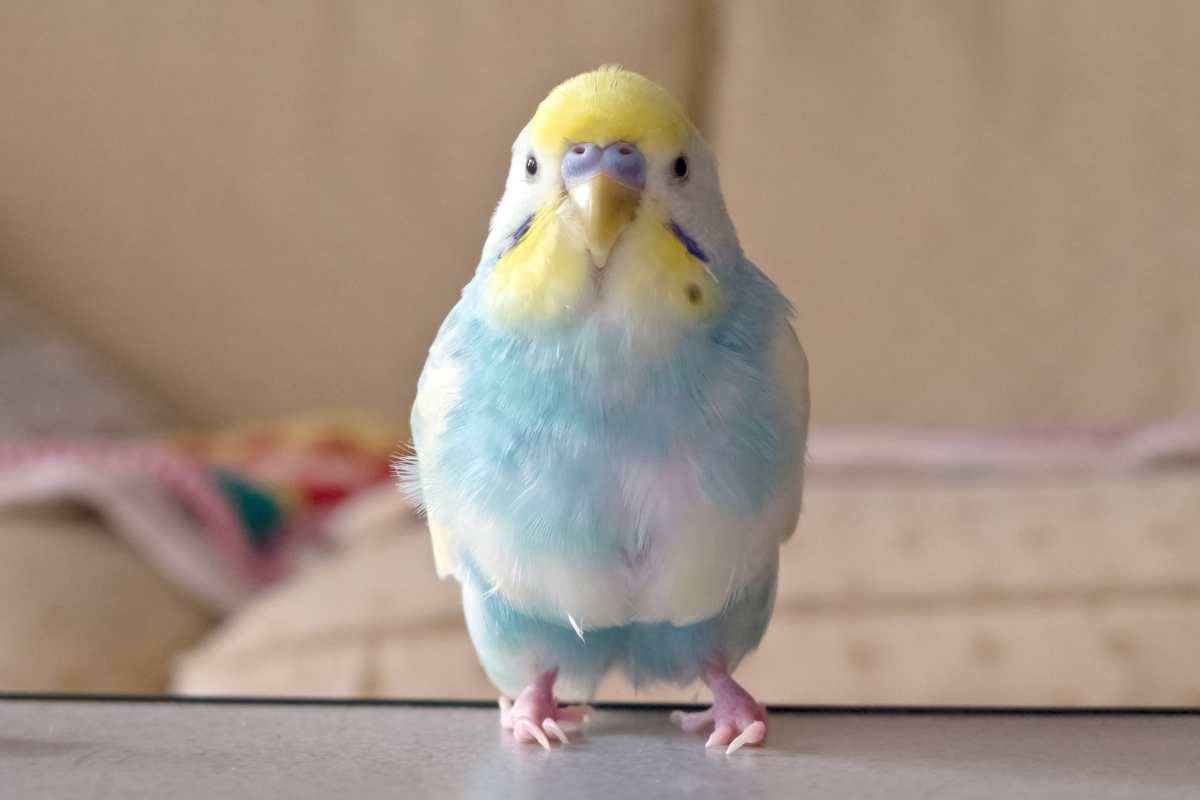
How you respond to biting is crucial in shaping your bird's behavior.
Negative reactions such as yelling, hitting, or pushing the bird away can increase fear, anxiety, and aggression, which only makes the situation worse.
Why Punishment Doesn’t Work:
Fear of Punishment: Birds are sensitive to their owners' emotions. Yelling at them will only make them afraid of you, which could escalate aggression in the future.
Confusion: Birds don't understand human punishment. What they learn from an angry reaction is that humans are unpredictable, which adds to their stress.
Increased Aggression: Birds might start associating interactions with punishment, leading to more frequent biting as a form of defense.
Instead, when your bird bites, remain calm and stop the interaction immediately. Withdraw your hand slowly, and give your bird time to cool down. Do not respond with anger, as this will only reinforce negative behavior.
Tip: After the bite, distract your bird with a toy or move it to a different environment. Let it calm down before attempting any further interaction.
5. Recognize the Signs of Stress
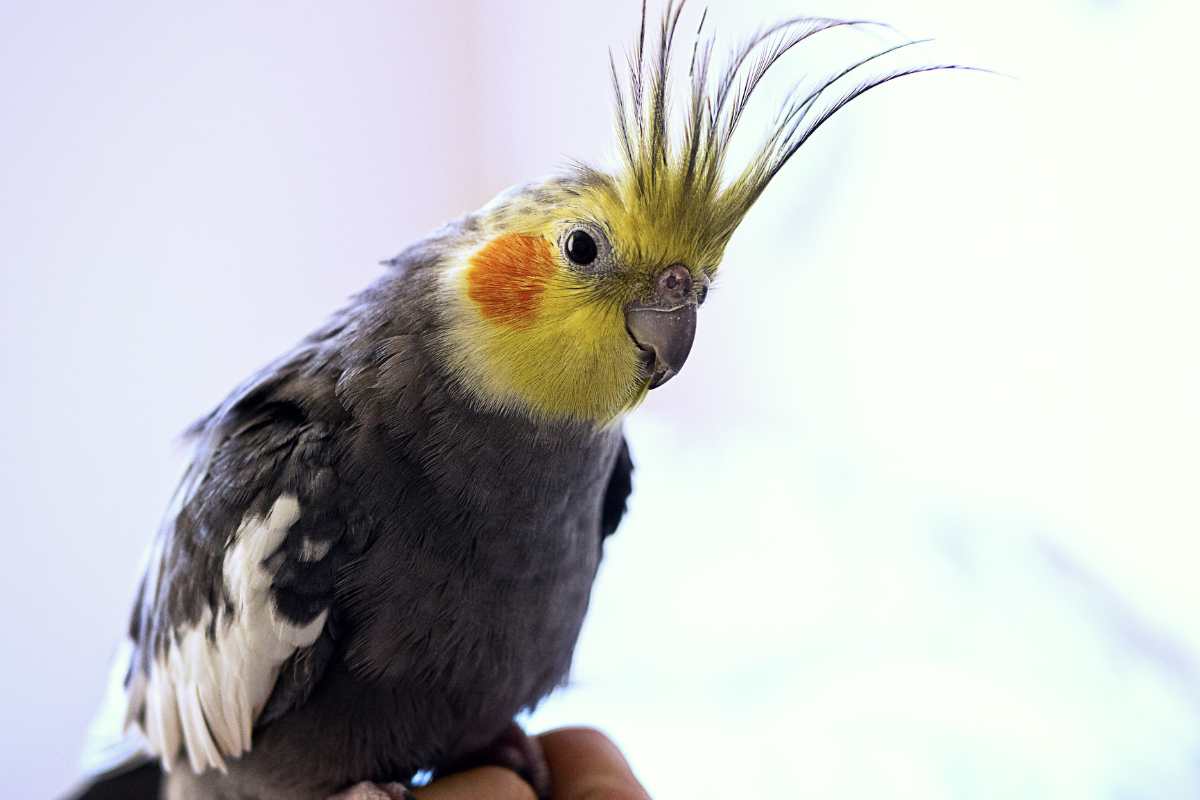
Understanding when your bird is stressed can prevent situations where biting occurs.
Birds show stress through body language, and recognizing these signs early allows you to intervene before the biting happens.
Common Stress Signs to Look For:
Fluffed Feathers: When a bird fluffs up its feathers, it may be trying to make itself appear larger in response to fear or discomfort.
Dilated Pupils: This is a strong indication that your bird is either scared, agitated, or excited.
Hissing or Lunging: If your bird starts making noise or lunging toward you, it is a clear signal that it feels threatened and may resort to biting.
Sudden Aggression: If your bird that is normally calm suddenly shows aggressive behaviors like biting, it may be an indication of stress, fear, or pain.
Tip: If you notice any signs of stress, give your bird some space. Let it retreat to its favorite perch or area where it feels safe.
6. Encourage Early Socialization
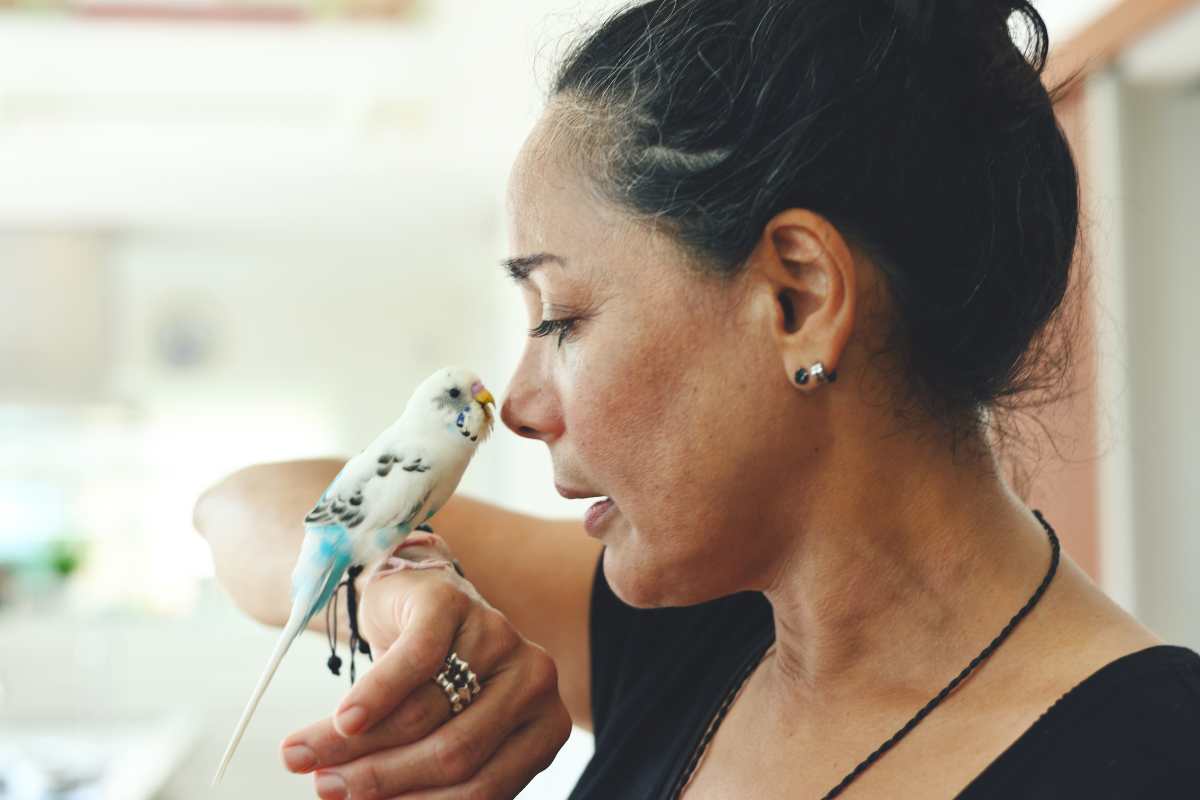
Birds that are properly socialized from an early age are much less likely to bite.
Socialization helps them become accustomed to humans, new environments, and various experiences, which leads to more confident and less fearful behavior.
Effective Socialization Techniques:
Start Early: Begin handling your bird from a young age, but don’t rush it. Allow the bird to grow comfortable at its own pace.
Expose to Different People: Introduce your bird to various people, allowing them to interact in a calm, controlled manner. This helps your bird become comfortable around different individuals and reduces territorial biting.
Gradual Exposure to New Environments: Gently introduce your bird to different environments, making sure it feels safe in each new place. Avoid overwhelming the bird with sudden or too frequent changes.
Tip: Ensure that socialization is always positive. Reward your bird after every successful interaction to reinforce good behavior.
7. Consult a Professional if Necessary
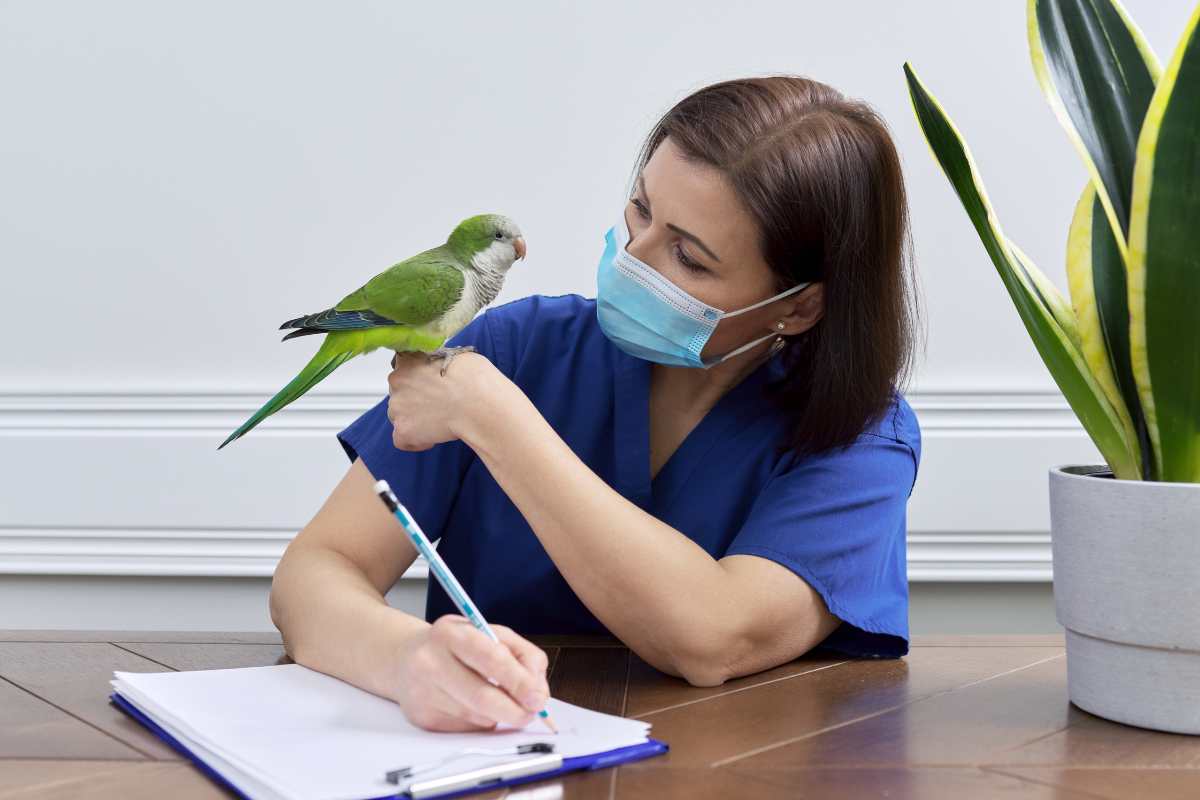
If your bird’s biting continues despite your best efforts, it may be time to consult with a professional.
An avian behaviorist or veterinarian specializing in birds can help identify the underlying causes of the aggression and suggest personalized solutions.
When to Seek Professional Help:
If biting is frequent and leads to injury or distress for either you or your bird.
If you notice sudden behavioral changes or aggressive tendencies that didn’t exist before.
If your bird seems overly anxious, fearful, or is not responding well to your attempts at training.
A professional can help determine whether there is a medical issue causing the biting or if it’s purely behavioral. They may suggest additional training techniques or therapies to help your bird adjust.
Conclusion
Preventing bird bites is a matter of understanding your bird’s behavior, building trust, and creating a stimulating environment.
Patience, consistency, and positive reinforcement are the keys to success. Remember, birds bite to communicate, and by responding appropriately, you can create a stronger bond with your feathered friend.
If all else fails, seeking professional advice ensures that your bird gets the help it needs, and you can both enjoy a happy and bite-free relationship.
To learn more tips, watch the following video
Enjoy This Video Tutorial About Birds
Source: Flying Fids
Did you find this post useful or inspiring? Save THIS PIN to your Pets Board on Pinterest! 😊

You may also like