
7 TIPS to CARE for Your DOG'S HEALTH


Caring for your dog’s health goes beyond just feeding and providing a safe place to live. As pet owners, it's important to pay attention to their physical and mental well-being.
Dogs, like humans, require a combination of the right diet, exercise, care, and love to thrive. In this article, we’ll cover the seven most important aspects of dog health to help you maintain your dog's happiness and longevity.
1. Balanced Nutrition: What Should Your Dog’s Diet Include?
Feeding your dog a balanced diet is one of the most important aspects of maintaining their health.
Just like humans, dogs need the right combination of proteins, fats, carbohydrates, vitamins, and minerals to fuel their bodies.

The type of food you choose should depend on your dog's breed, size, age, and activity level.
Proteins: Dogs are carnivores, and high-quality animal proteins are essential for muscle development and repair.
Fats: Fats provide energy and help maintain healthy skin and coat.
Carbohydrates: While not as critical as proteins and fats, carbohydrates provide fiber and help support the digestive system.
Vitamins and minerals: These nutrients support bone health, immune function, and overall vitality.
It's important to choose a commercial dog food brand that meets the nutritional standards set by the Association of American Feed Control Officials (AAFCO).
Additionally, always consult your vet to determine the best food for your dog’s specific needs.
2. Regular Exercise: How Much Activity Does Your Dog Need?

Regular physical activity is crucial for your dog’s mental stimulation and physical health. Exercise helps prevent obesity, maintains joint health, and promotes a strong cardiovascular system. However, not all dogs need the same level of exercise.
High-energy dogs (e.g., Border Collies, Labrador Retrievers) require more intense activities, such as long walks, running, or agility training.
Low-energy dogs (e.g., Bulldogs, Basset Hounds) may only need a short walk or a few play sessions each day.
The American Kennel Club suggests that dogs should get at least 30 minutes to 2 hours of exercise daily, depending on their breed and age.
Be sure to tailor the exercise routine to suit your dog’s needs, and always be mindful of weather conditions when walking or exercising outdoors.
3. Veterinary Care: How Often Should Your Dog See the Vet?
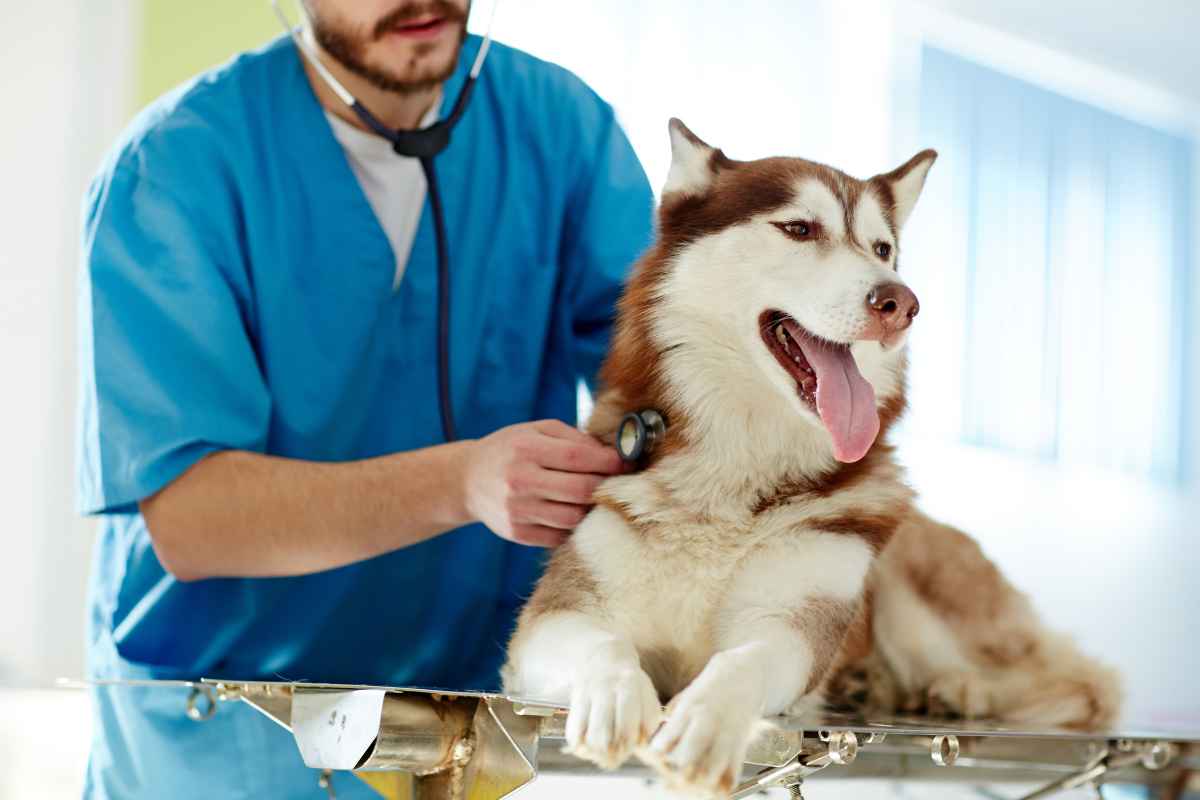
Regular visits to the veterinarian are essential for keeping your dog healthy.
Annual checkups can help catch any health issues before they become serious.
During these visits, your vet will perform routine exams, administer vaccinations, and address any health concerns.
Puppies typically require more frequent visits for vaccinations and parasite control.
Adult dogs should have a yearly checkup to monitor their overall health.
Senior dogs may need more frequent exams to detect age-related conditions like arthritis or dental issues.
Your vet will also be the best resource for any preventative care, such as flea, tick, and heartworm prevention, as well as dietary advice.
4. Dental Care: Why Is Oral Hygiene Important for Dogs?
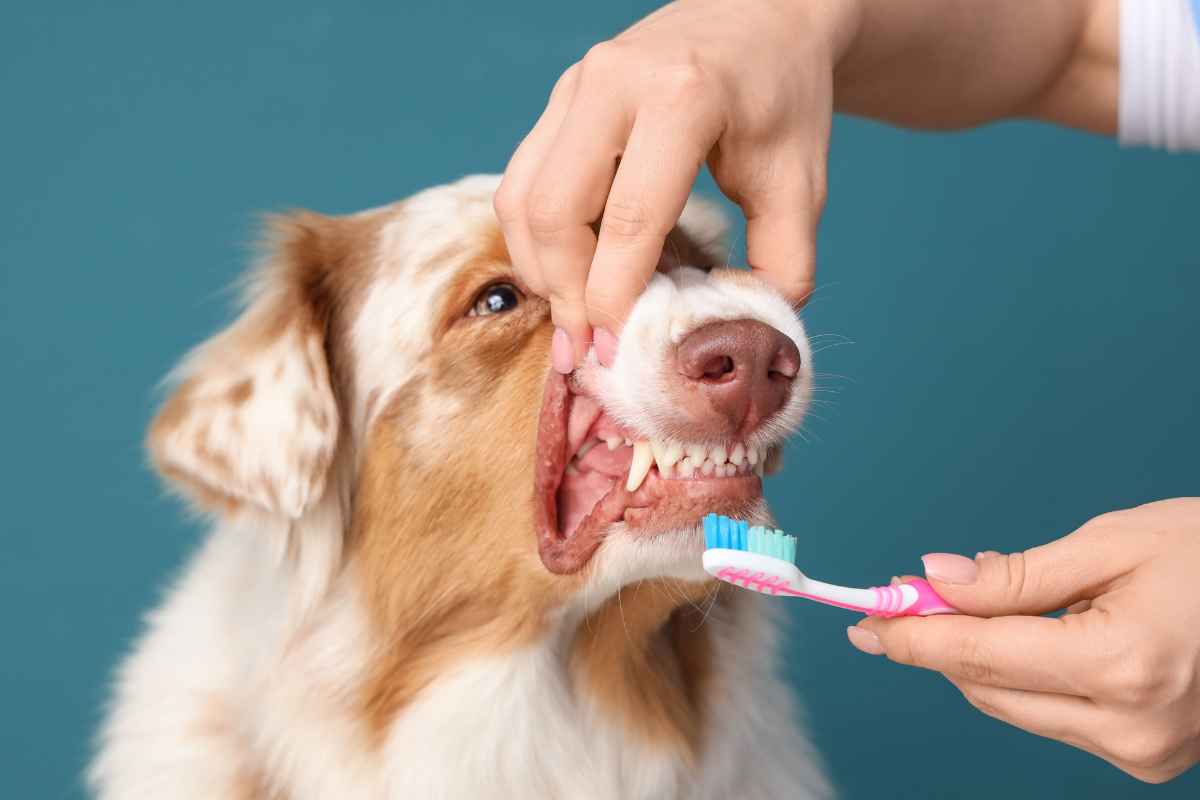
Dental hygiene is often overlooked but is critical for maintaining your dog’s overall health. Poor dental care can lead to gum disease, tooth loss, and even heart disease.
Brushing your dog's teeth is the most effective way to prevent dental issues. Use a dog-specific toothbrush and toothpaste to make the process easier and safer.
Dental chews and toys can also help reduce plaque buildup and massage the gums.
Regular checkups should include a professional dental cleaning by your vet, especially if your dog’s teeth show signs of tartar buildup.
Ensuring your dog’s teeth stay clean and healthy will help them live a longer, happier life.
5. Proper Hydration: How Much Water Should Your Dog Drink?
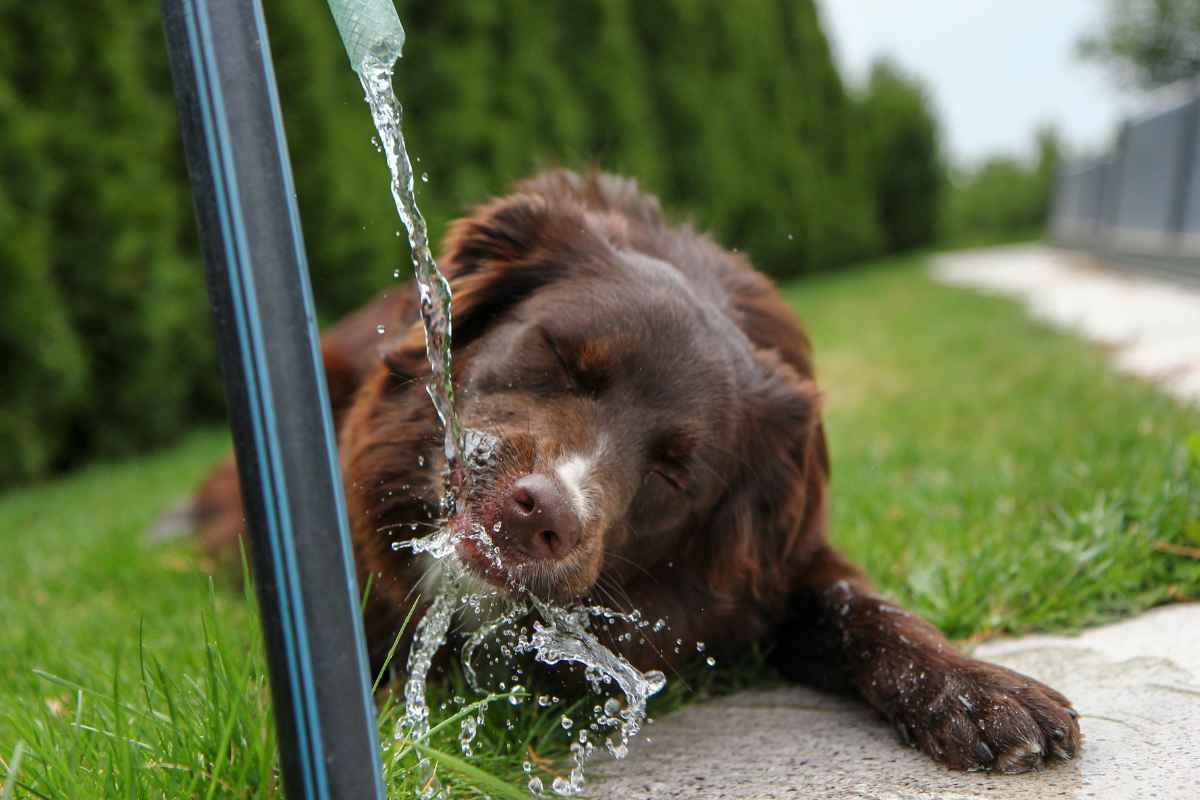
Water is essential for every living creature, and dogs are no exception.
Keeping your dog hydrated helps regulate body temperature, aids in digestion, and supports overall health.
On average, a dog should drink about 1 ounce of water per pound of body weight per day.
Several factors affect how much water your dog needs:
Exercise: Active dogs will need more water to stay hydrated.
Weather: Hot or humid weather will increase your dog’s water intake.
Diet: Dogs on a dry food diet may need more water, while those eating wet food may consume less.
Make sure your dog always has access to clean, fresh water, especially during the summer months or after physical activity.
6. A Safe and Stimulating Environment: How Can You Make Your Home Dog-Friendly?

Creating a safe and stimulating environment is key to your dog’s well-being. Dogs thrive in environments where they feel secure and mentally stimulated.
Dog-proof your home by removing hazards such as toxic plants, sharp objects, or unsecured trash cans.
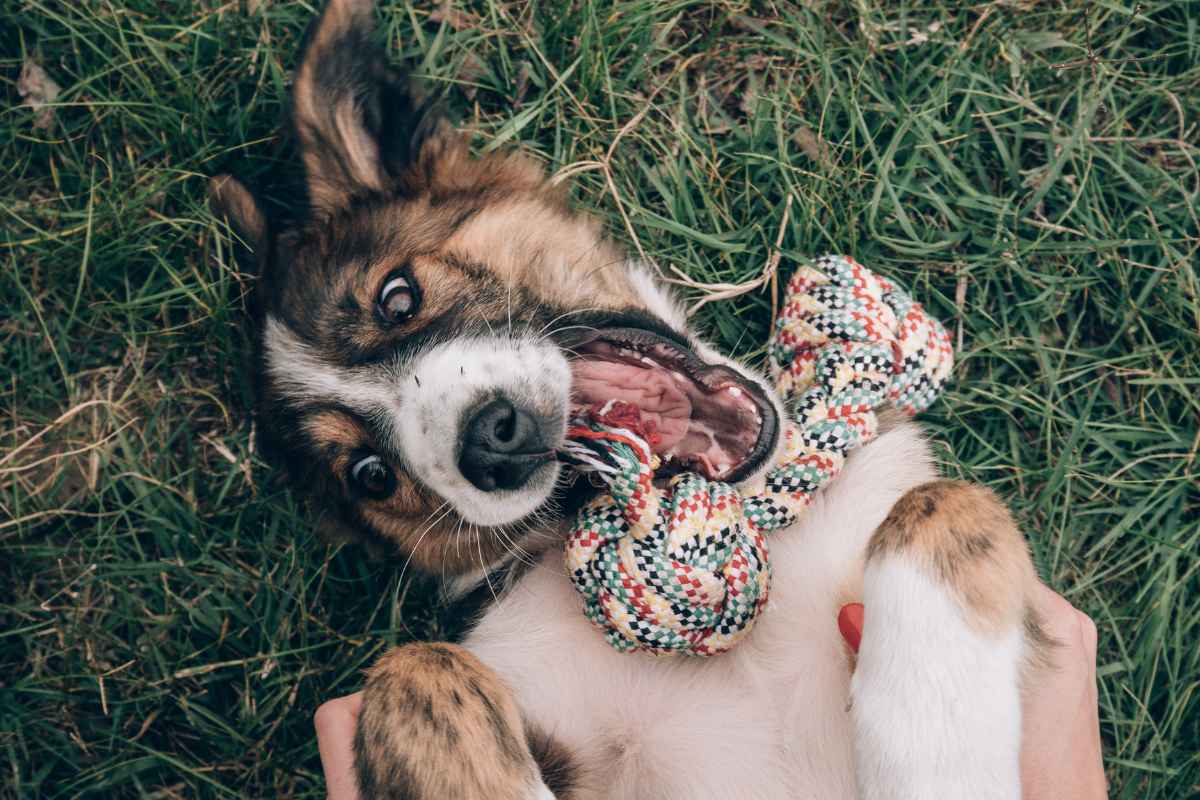
Provide plenty of toys to keep your dog entertained, and engage in interactive activities like puzzle games or hide-and-seek to challenge their minds.
A comfortable bed and a quiet, safe space in your home will help your dog relax and feel secure when resting.
Dogs are social animals, and they benefit from a balance of activity and rest. Ensuring that your home is both physically and mentally stimulating is important for a happy dog.
7. Love and Attention: Why Is Emotional Care Crucial for Your Dog?

Emotional care is just as important as physical care for your dog. Dogs are incredibly sensitive to their owners' moods and need consistent love and attention to thrive.
A lack of social interaction can lead to anxiety, depression, and behavioral issues.
Quality time with your dog can include activities like playing, training, or simply cuddling on the couch.
Training also plays a key role in emotional health, as it creates a bond and helps your dog feel secure and confident.
Positive reinforcement encourages good behavior and strengthens the bond between you and your dog.
Never underestimate the power of affection. Your dog will be happier and healthier when they feel loved and valued.
Conclusion: A Healthy, Happy Dog Starts with You
By following these seven essential tips, you’ll be well on your way to providing your dog with the best care possible.
Remember that a healthy dog is a happy dog, and their health is largely influenced by the love and care you give them.
From balanced nutrition to regular exercise, veterinary care, and emotional well-being, each aspect plays a crucial role in your dog's health.
So, take the time to implement these tips into your routine. Your dog will thank you with a lifetime of loyalty, companionship, and joy.

Source: AnimalWised
Did you find this post useful or inspiring? Save THIS PIN to your Pets Board on Pinterest!

You may also like