
9 Kindest Dog Breeds in the World: Gentle Dogs for Families


This post contains affiliate links. As an Amazon Associate, Urbaki Pets earns from qualifying purchases, at no extra cost to you.
The kindest dog breeds in the world are the Golden Retriever, Labrador Retriever, Beagle, Collie, Pug, Newfoundland, Basset Hound, Cavalier King Charles Spaniel, and Poodle. These nine breeds are known for being patient, affectionate, and easy to live with, which is why they show up again and again on lists of the best family dogs.
Of course, "kind" means more than a sweet face. A truly gentle dog stays calm when a toddler grabs an ear, greets guests without knocking them over, and still wants to curl up next to you at the end of a long day. Breed gives you a head start, but the individual dog, its upbringing, and the way you raise it matter just as much.
Below you'll find each breed's personality, what daily life with it looks like, who it suits best, and a few honest drawbacks so you can choose with your eyes open.
What Makes a Dog Breed "Kind"?
When people call a dog kind, they usually mean a mix of these traits:
- Patience: the dog tolerates noise, clumsy hands, and busy households without getting snappy.
- Low reactivity: it recovers quickly from surprises like a dropped pan or a doorbell.
- Affection: it actively seeks out people, not just food.
- Sociability: it tends to get along with strangers, kids, and other pets.
- Biddability: it wants to cooperate with you, which makes training smoother.
Many of these breeds were developed to work closely with people, whether retrieving game, herding sheep, or simply keeping someone company. That long history of teamwork is a big part of why they read people so well today. If you want more options with a similar temperament, take a look at our list of the 10 friendliest dog breeds.
Golden Retriever

The Golden Retriever has earned its reputation as the classic family dog. Goldens are patient with children, friendly with strangers, and almost always happy to see you. They were bred to carry birds gently in their mouths, and that soft, careful nature carries over into how they handle people.
Goldens are smart and eager to please, so they pick up house rules quickly. That same drive is why you see them working as therapy dogs, guide dogs, and search and rescue partners.
Life with a Golden
- Size: large, usually 55 to 75 pounds.
- Exercise: at least an hour a day. They love swimming, fetch, and long walks.
- Grooming: they shed a lot, especially in spring and fall. Plan on brushing several times a week.
- Best for: active families, kids, and anyone who wants an outdoor buddy.
Keep in mind: a bored Golden can get mouthy or chew things it shouldn't. Like many large breeds, they can be prone to joint problems such as hip dysplasia, so choose a breeder who health-screens parents and keep your dog at a lean weight.
Want to spoil your Golden Retriever with something special? Explore the best picks for your loyal friend on Amazon. Click HERE
Labrador Retriever
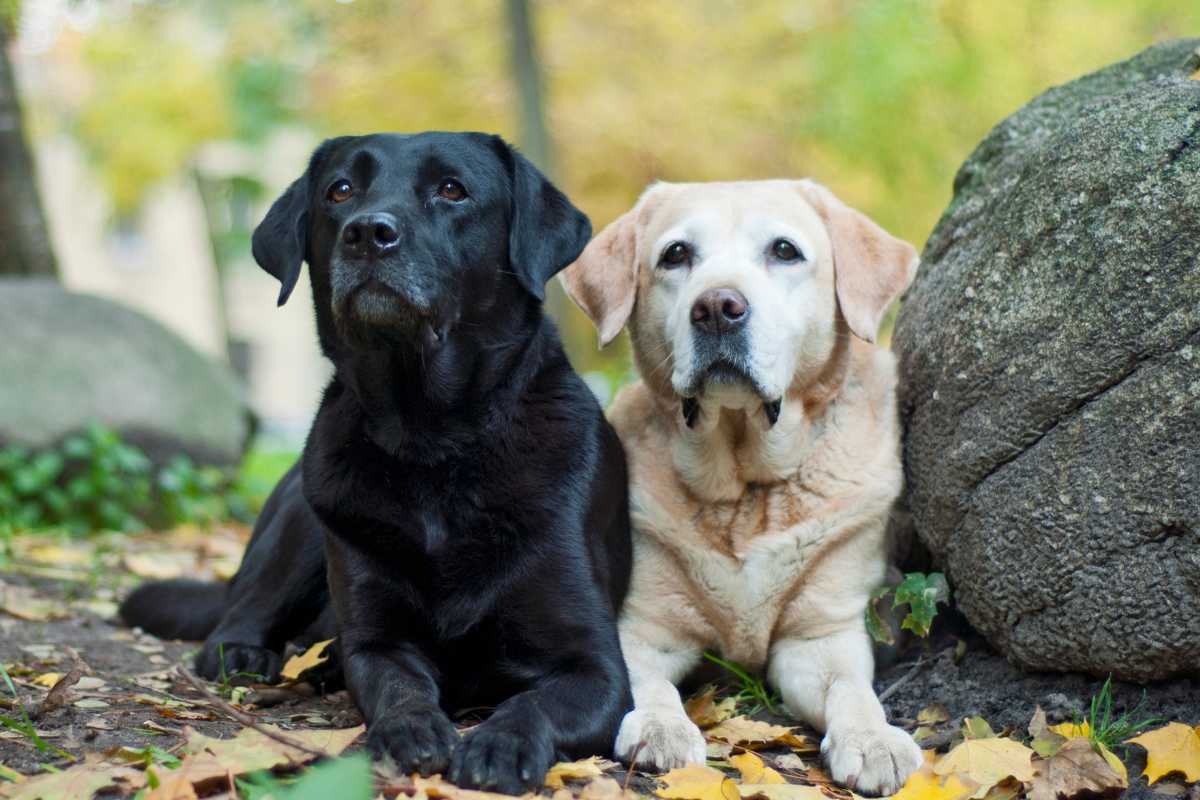
The Labrador Retriever shares a lot with the Golden: an outgoing personality, a love of people, and a strong desire to work with you. Labs are famously friendly, and most of them never met a stranger they didn't like.
Their stable temperament makes them a top pick for service and assistance work. At home, that translates into a dog that is easy to include in everyday life, from family picnics to road trips.
Life with a Lab
- Size: large, usually 55 to 80 pounds.
- Exercise: high. Young Labs especially need daily runs, games, and training sessions.
- Grooming: short coat, but heavy seasonal shedding.
- Best for: families with kids, active owners, and people who want a dog that can learn almost anything.
Keep in mind: Labs love food, and many will eat anything they find. Measure meals, keep the trash secured, and watch their weight. A Lab puppy is also bouncy and strong, so start manners training early. Our guide on daily exercise for large breed dogs has ideas for burning off that energy.
Looking for must-haves for your Labrador? See what’s trending on Amazon. Click Here!
Beagle
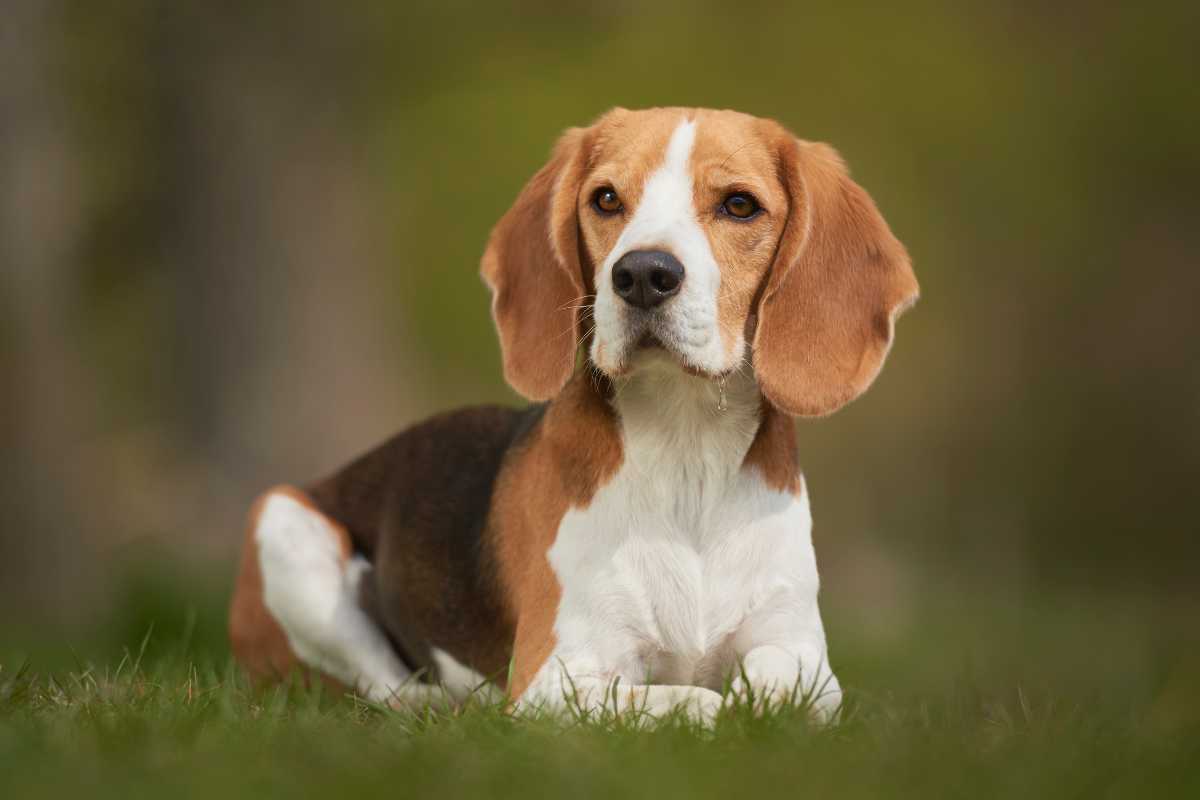
The Beagle is a cheerful, curious hound that was bred to hunt in packs. Because they had to get along with dozens of other dogs, Beagles tend to be social, tolerant, and rarely aggressive. They are a great size for kids: sturdy enough for play, small enough to handle.
Their gentle side really shows at home. Most Beagles are happy to snuggle on the couch once they've had their walk and a good sniff around the neighborhood.
Life with a Beagle
- Size: small to medium, roughly 20 to 30 pounds.
- Exercise: moderate to high. Long, sniffy walks are a must.
- Grooming: easy. A weekly brush and regular ear checks.
- Best for: families with children, homes with other dogs, and people who enjoy daily walks.
Keep in mind: a Beagle's nose rules its brain. Keep them on a leash or in a securely fenced yard, because once they catch a scent, they may not come back when called. They can also be vocal, with a baying howl that neighbors will notice. Consistent, reward-based training helps a lot; these training basics are a good place to start.
Looking for fun ideas for your playful Beagle? Check out these Amazon favorites made just for them. Click HERE!
Collie
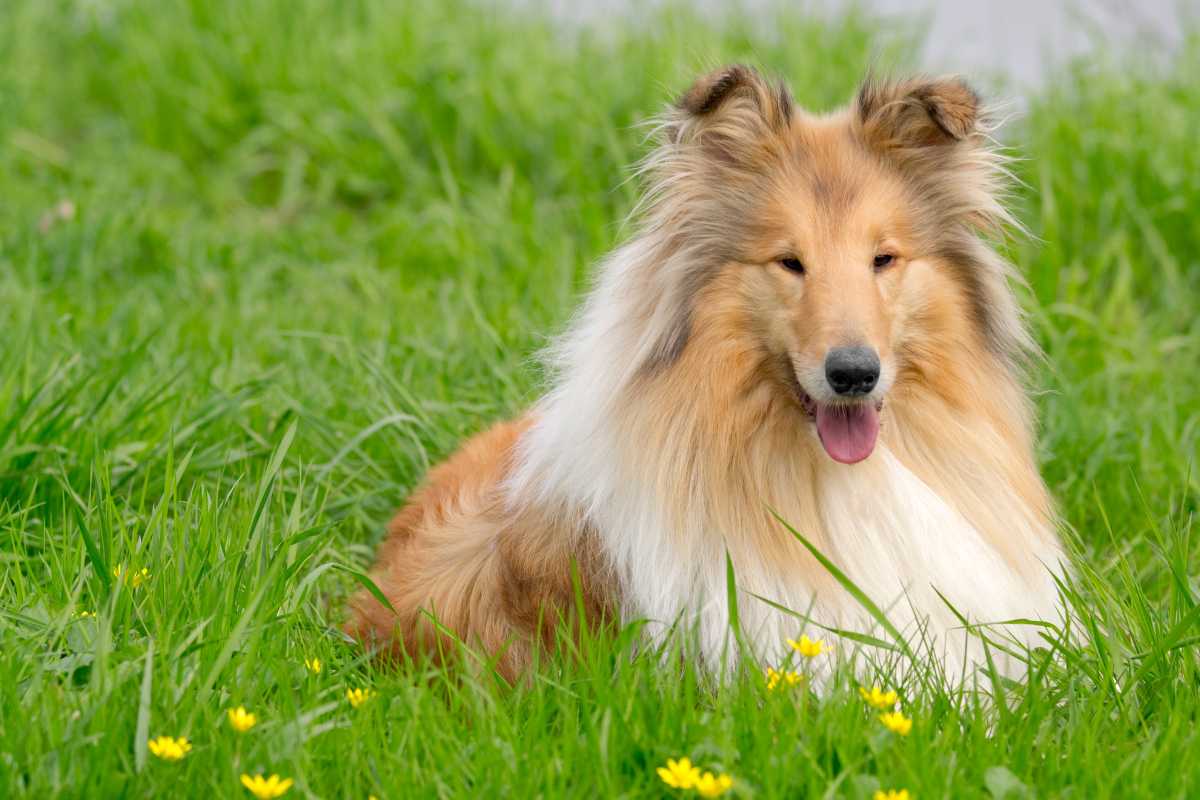
The Collie, made famous by Lassie, is loyal, sensitive, and very tuned in to its family. Collies are herding dogs, which means they are smart, watchful, and quick to notice when something is wrong. With children, many are protective in a calm, quiet way.
Collies tend to be softer than some other herding breeds. They respond best to gentle handling and praise, and they can shut down with harsh corrections.
Life with a Collie
- Size: medium to large, around 50 to 75 pounds.
- Exercise: moderate. Daily walks plus some running or games.
- Grooming: the Rough Collie's long coat needs regular brushing. The Smooth Collie is easier.
- Best for: families with some space, children, and owners who enjoy training.
Keep in mind: some Collies try to "herd" running kids by circling or nudging them. This is instinct, not aggression, and you can redirect it with training and games. If you love the herding type but want even more drive, read about the Border Collie, though it needs far more work than the classic Collie.
Want to pamper your gentle Collie? Discover smart and caring products on Amazon. Click here!
Pug
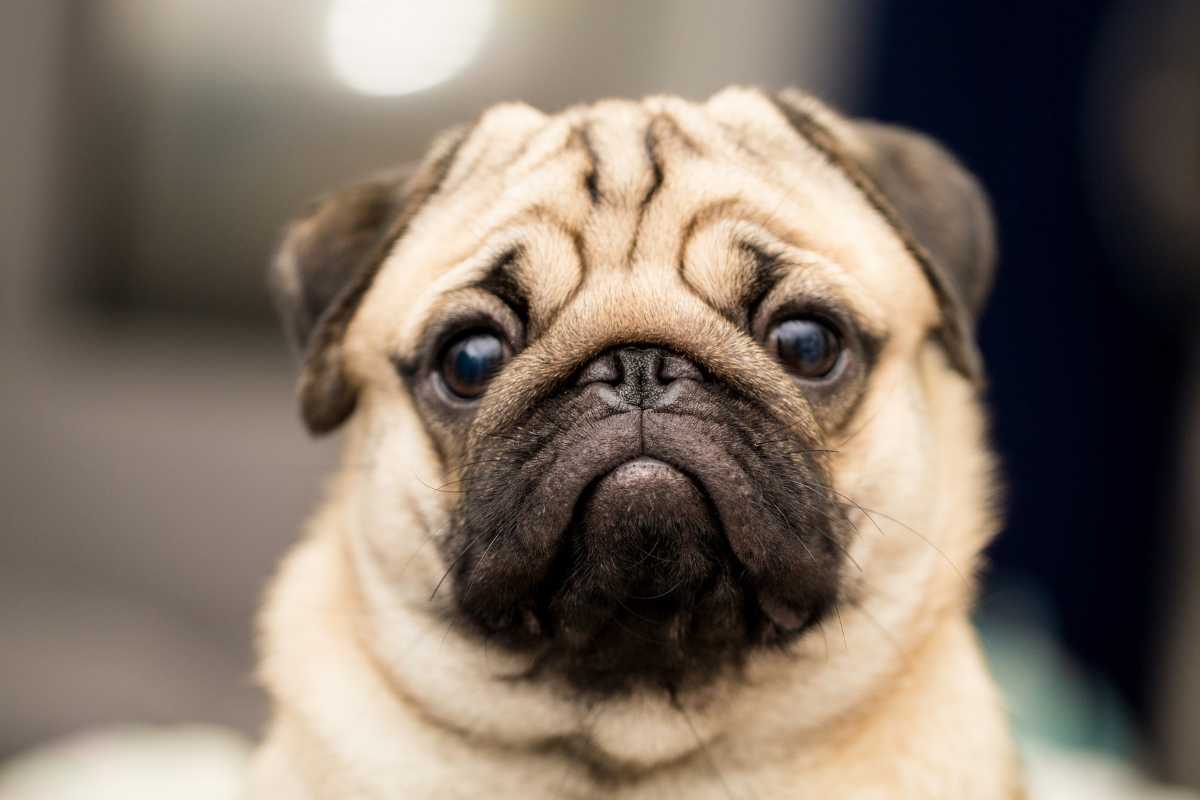
The Pug is a small dog with a big personality. Pugs were bred for one job: being companions. They are affectionate, playful, and happiest when they're right next to their people, ideally on a lap.
Pugs are usually easygoing with kids, other dogs, and visitors. Their goofy expressions and clownish antics make them a favorite in apartments and small homes.
Life with a Pug
- Size: small, about 14 to 18 pounds.
- Exercise: low to moderate. Short walks and indoor play are usually enough.
- Grooming: they shed more than people expect, and their facial wrinkles need regular gentle cleaning.
- Best for: apartment living, families with kids, and owners who are home a lot.
Keep in mind: Pugs have flat faces, which can make breathing harder, especially in heat and humidity. Keep walks short on warm days and never leave them in a hot car. Our article on health challenges in flat-faced dog breeds explains what to watch for.
Life’s better with a Pug—find adorable and practical goodies for your little companion HERE.
Newfoundland

The Newfoundland is the definition of a gentle giant. Newfies were working dogs for fishermen in Canada, hauling nets and rescuing people from cold water. Today they are known for their calm, sweet, and deeply patient personality.
Many Newfies seem to have a natural "nanny" instinct with children. They are protective without being pushy, and they tend to stay steady in busy households.
Life with a Newfoundland
- Size: giant. Adults often weigh 100 to 150 pounds.
- Exercise: moderate. Daily walks and swimming, which most Newfies love.
- Grooming: heavy. Their thick double coat needs brushing several times a week.
- Best for: larger homes, families with children, and people in cooler climates.
Keep in mind: Newfies drool, shed, and take up a lot of room in the car and on the couch. They also grow fast as puppies, so avoid high-impact exercise until they finish growing. Budget for bigger food bills and larger gear.
Have a gentle giant at home? See Amazon’s top products designed for Newfoundlands. Click HERE
Basset Hound
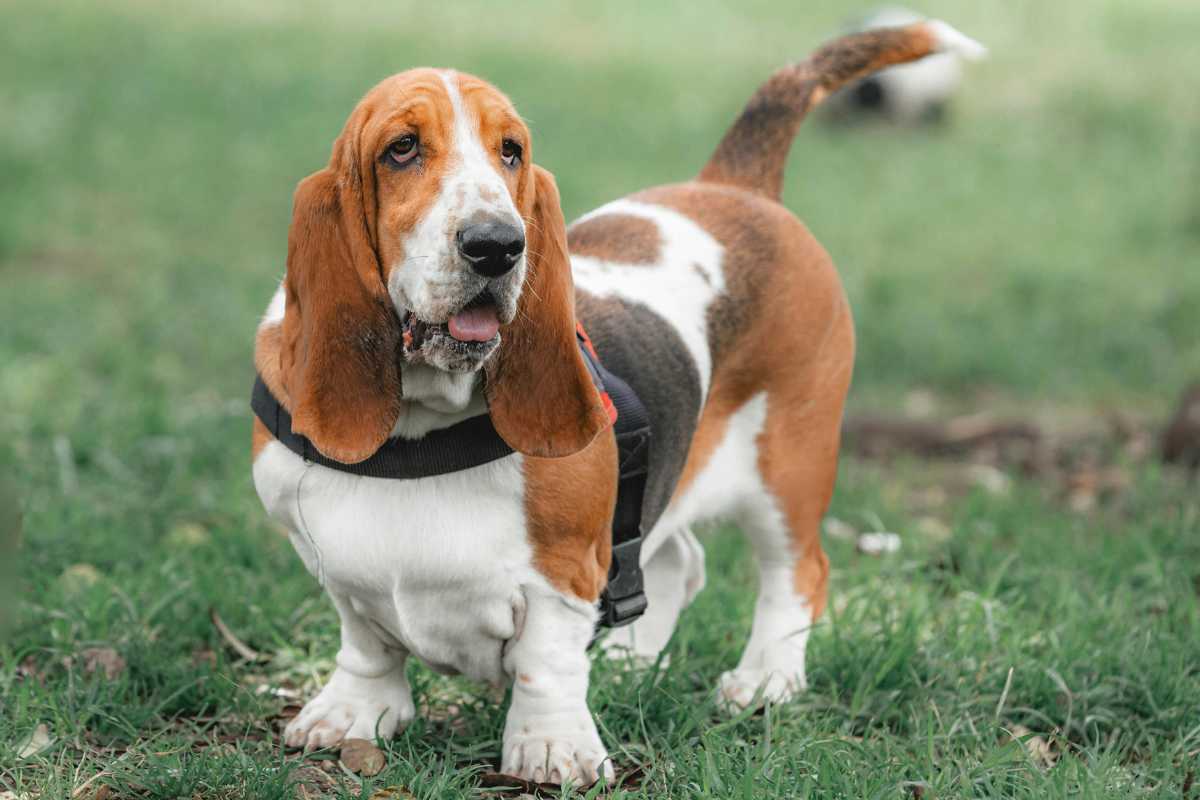
With droopy ears and soulful eyes, the Basset Hound looks as mellow as it acts. Bassets are friendly, laid-back, and rarely in a hurry. They get along well with kids and other pets, and they are content to spend a lazy afternoon napping nearby.
Like Beagles, Bassets are scent hounds that worked in groups, so they are social and easygoing. Their low-key style makes them a good match for calmer households.
Life with a Basset Hound
- Size: medium but heavy for their height, around 40 to 65 pounds.
- Exercise: moderate. Steady daily walks keep them fit.
- Grooming: short coat, but their long ears need regular cleaning.
- Best for: families looking for a calm, easygoing pet.
Keep in mind: Bassets can be stubborn, so training takes patience and good treats. Their long backs and short legs mean you should limit jumping off furniture and keep them from getting overweight.
Looking to treat your laid-back Basset Hound? Explore cozy and thoughtful finds on Amazon by clicking here
Cavalier King Charles Spaniel

The Cavalier King Charles Spaniel is one of the gentlest small breeds you can find. Cavaliers are affectionate, adaptable, and happy to match your energy, whether that means a walk in the park or a quiet evening on the sofa.
They tend to be friendly with everyone, including children, seniors, cats, and other dogs. That's why they are often recommended for first-time owners. Our list of the best dog breeds for your first dog has a few more beginner-friendly picks.
Life with a Cavalier
- Size: small, about 13 to 18 pounds.
- Exercise: low to moderate. Daily walks and play.
- Grooming: their silky coat needs brushing a few times a week.
- Best for: kids, seniors, and apartment or house life.
Keep in mind: Cavaliers bond closely with their people and may not do well when left alone for long hours. The breed is also known for certain inherited heart and eye concerns, so ask any breeder for health-testing results on both parents.
Looking for something adorable for your Cavalier King Charles? See the picks on Amazon. Click Here!
Poodle
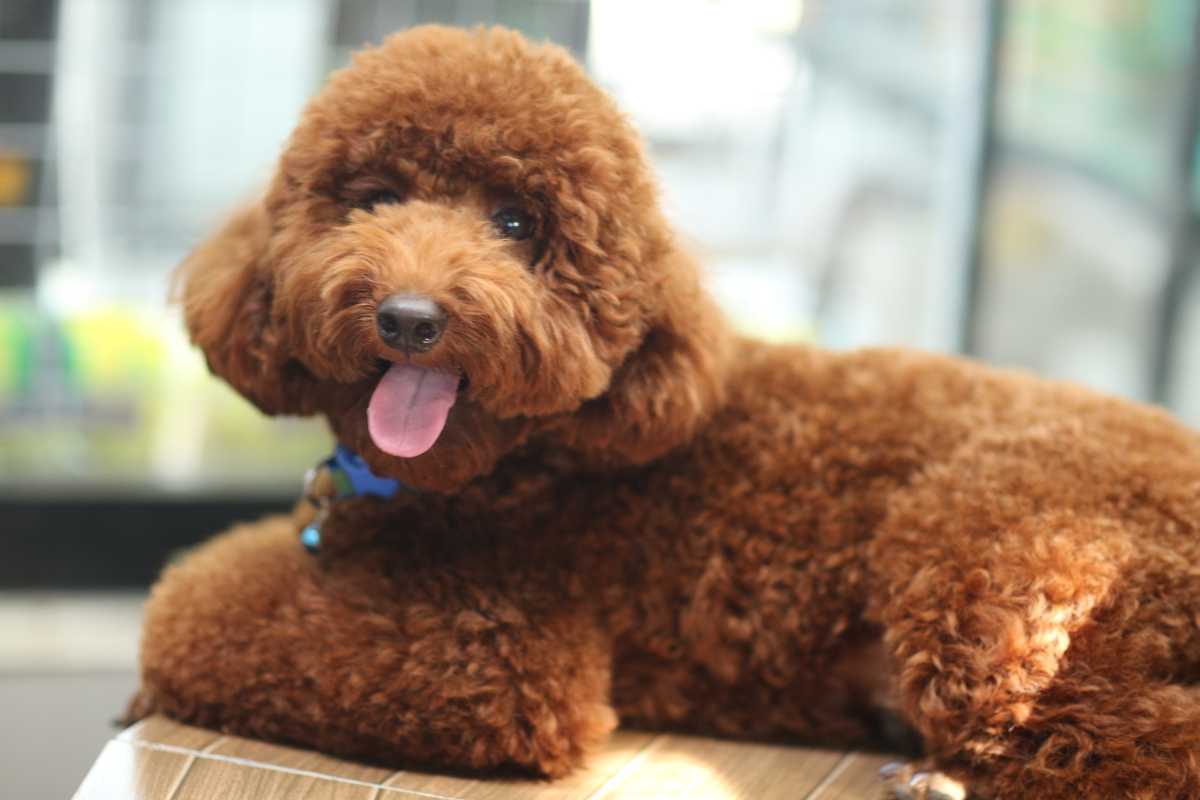
The Poodle is far more than a fancy haircut. Poodles are smart, playful, and gentle, and they come in three sizes: Toy, Miniature, and Standard. That range makes it easy to find a Poodle that fits your space.
Poodles were originally water retrievers, and they still have an athletic, fun-loving side. They are quick learners and tend to be sensitive to their owners' moods.
Life with a Poodle
- Size: varies. Toys can be under 6 pounds, while Standards often weigh 40 to 70 pounds.
- Exercise: moderate to high, depending on size. They also need mental challenges.
- Grooming: high. Their curly coat keeps growing and needs regular clipping.
- Best for: families, people who want a dog that sheds little, and owners who enjoy training.
Keep in mind: no dog is completely allergy-free, but Poodles shed very little, which many allergy sufferers find easier to live with. If that's important to you, see our top hypoallergenic dog breeds for families.
Make your Poodle feel extra special—find great picks on Amazon. HERE!
Quick Comparison of Kind Dog Breeds

| Breed | Size | Energy | Grooming | Best For |
|---|---|---|---|---|
| Golden Retriever | Large | High | High (heavy shedding) | Active families, kids, outdoor activities |
| Labrador Retriever | Large | High | Moderate | Families with kids, service roles |
| Beagle | Small/Medium | Moderate to high | Low | Families with kids, multi-dog homes |
| Collie | Medium/Large | Moderate | Moderate to high | Families with space, children |
| Pug | Small | Low | Moderate | Apartment living, families with kids |
| Newfoundland | Giant | Moderate | High | Large homes, families with children |
| Basset Hound | Medium | Low to moderate | Low | Families seeking a calm, easygoing pet |
| Cavalier King Charles Spaniel | Small | Low to moderate | Moderate | Kids, seniors, first-time owners |
| Poodle | Varies | Moderate to high | High (regular clipping) | Families, allergy-conscious homes |
How to Choose the Right Gentle Breed for Your Home
Every breed on this list is known for a kind temperament, but they are not interchangeable. Before you fall in love with a photo, ask yourself these questions:
- How much space do you have? A Newfoundland in a studio apartment is a tight squeeze. Pugs and Cavaliers adapt better to small homes.
- How active is your family? If you hike, run, or swim, a Golden or Lab will be thrilled. If evenings are for the couch, a Basset or Cavalier is a better fit.
- How much grooming can you handle? Poodles need regular professional clips, and Goldens and Newfies shed heavily. Beagles and Bassets are low-maintenance.
- How long is the dog alone each day? Companion breeds like Cavaliers and Pugs can struggle with long hours alone.
- What's your climate? Thick-coated Newfies suffer in hot weather, and flat-faced Pugs have trouble with heat.
- Do you have young kids? Larger breeds are sturdy but can knock toddlers over by accident. Smaller breeds can get hurt if handled roughly. Supervision matters either way.
Don't forget mixed breeds and shelter dogs. Many rescues have gentle personalities, and adult dogs have the advantage that their temperament is already easy to see.
How to Raise a Kind and Gentle Dog
Genetics set the stage, but a dog's kindness is shaped by how it's raised. Even the sweetest breed can become anxious or pushy without the right start. These habits help any dog grow into a calm, friendly companion:
- Socialize early and often. Gently expose your puppy to new people, sounds, surfaces, and friendly dogs. Keep each experience short and positive.
- Use reward-based training. Treats, praise, and play teach faster than punishment and build trust instead of fear.
- Teach kids how to behave around dogs. No pulling ears or tails, no hugging a dog that's trying to leave, and no bothering a dog while it eats or sleeps.
- Give your dog a safe space. A crate or bed where nobody disturbs it helps a dog relax in a busy home.
- Meet exercise and brain needs. A tired, mentally satisfied dog is much more likely to be gentle than a bored one.
- Meet the parents. If you buy a puppy, ask to meet the mother (and father, if possible) to get a feel for the temperament you can expect.
When to See a Vet
A sudden change in personality is often a sign that something is wrong. Book a visit with your veterinarian if your normally gentle dog:
- Starts growling, snapping, or avoiding touch, especially in one spot of the body.
- Becomes unusually tired, withdrawn, or hides.
- Limps, has trouble getting up, or no longer wants to use the stairs.
- Breathes noisily or struggles to breathe during light activity (common concern in flat-faced breeds like Pugs).
- Stops eating, drinks much more than usual, or has ongoing vomiting or diarrhea.
Pain is one of the most common reasons a friendly dog suddenly acts out of character. Your vet can rule out medical causes and, if needed, recommend a qualified trainer or behavior professional.
The Heart of a Kind Dog
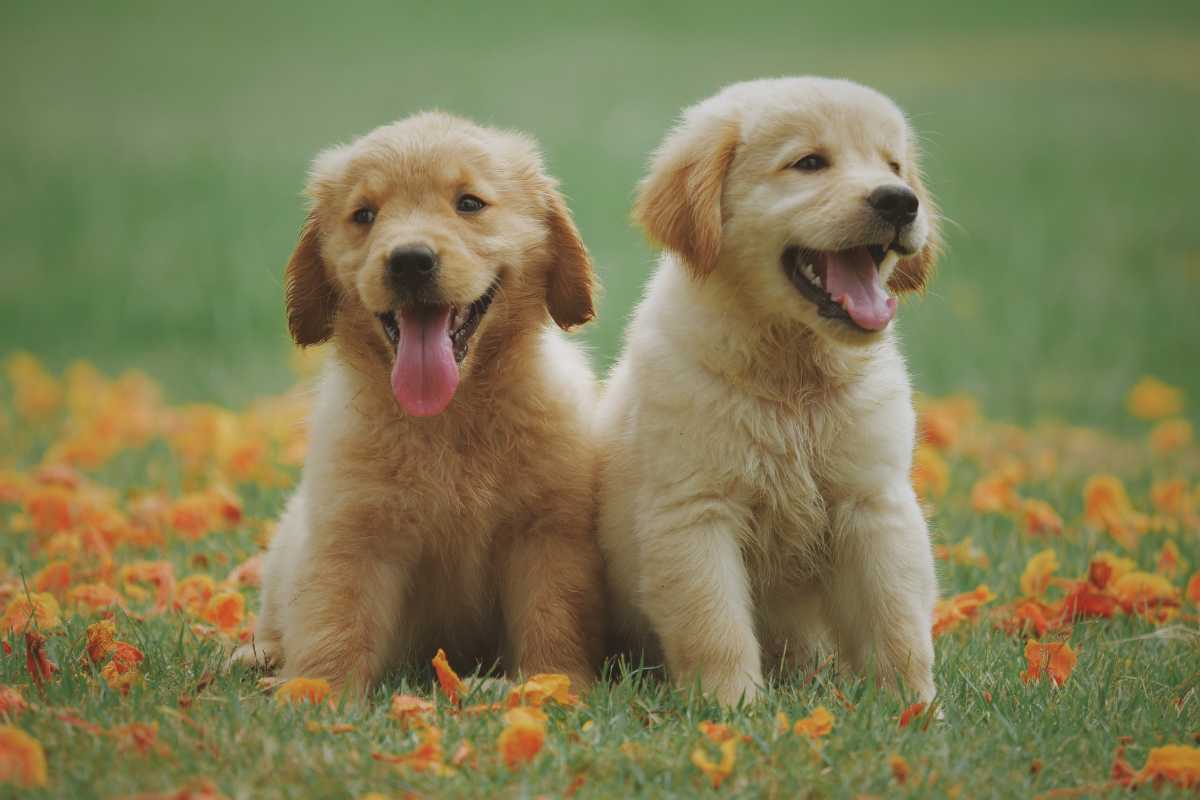
The kindest dogs share a few things: patience, a love of people, and a steady temperament that makes daily life easier for everyone in the home. Golden Retrievers, Labradors, Beagles, Collies, Pugs, Newfoundlands, Basset Hounds, Cavaliers, and Poodles all bring those qualities in their own way.
Pick the breed that fits your space, schedule, and energy level, then put in the time to train and socialize it. Do that, and you'll have more than a gentle dog. You'll have a best friend who makes every day a little brighter.
FAQ
What is the gentlest dog breed for kids?
Golden Retrievers, Labrador Retrievers, Cavalier King Charles Spaniels, and Newfoundlands are often named among the gentlest breeds for families with children. The right choice depends on your space and activity level, and any dog should be supervised around young kids.
What is the calmest kind dog breed?
Basset Hounds, Newfoundlands, and adult Cavaliers tend to be the most relaxed dogs on this list. Keep in mind that every puppy is energetic at first; calm adult behavior comes with age, exercise, and training.
Are small dog breeds kinder than big ones?
Not necessarily. Size doesn't decide temperament. Some of the gentlest dogs are giants like the Newfoundland, while some small breeds can be nervous or bossy. Look at the breed's history, the individual dog, and how it was raised.
Can any dog become kind and gentle?
Most dogs can become friendly, well-mannered companions with early socialization, reward-based training, and enough exercise. Breed tendencies help, but your daily habits have a huge influence on how your dog turns out.
Enjoy The Video Tutorial

Source: Tip Top
Did you find this post useful or inspiring? Save THIS PIN to your Pets Board on Pinterest! 😊

You may also like