
Bar Chewing Is NOT Normal, It's Harmful To Your Hamster


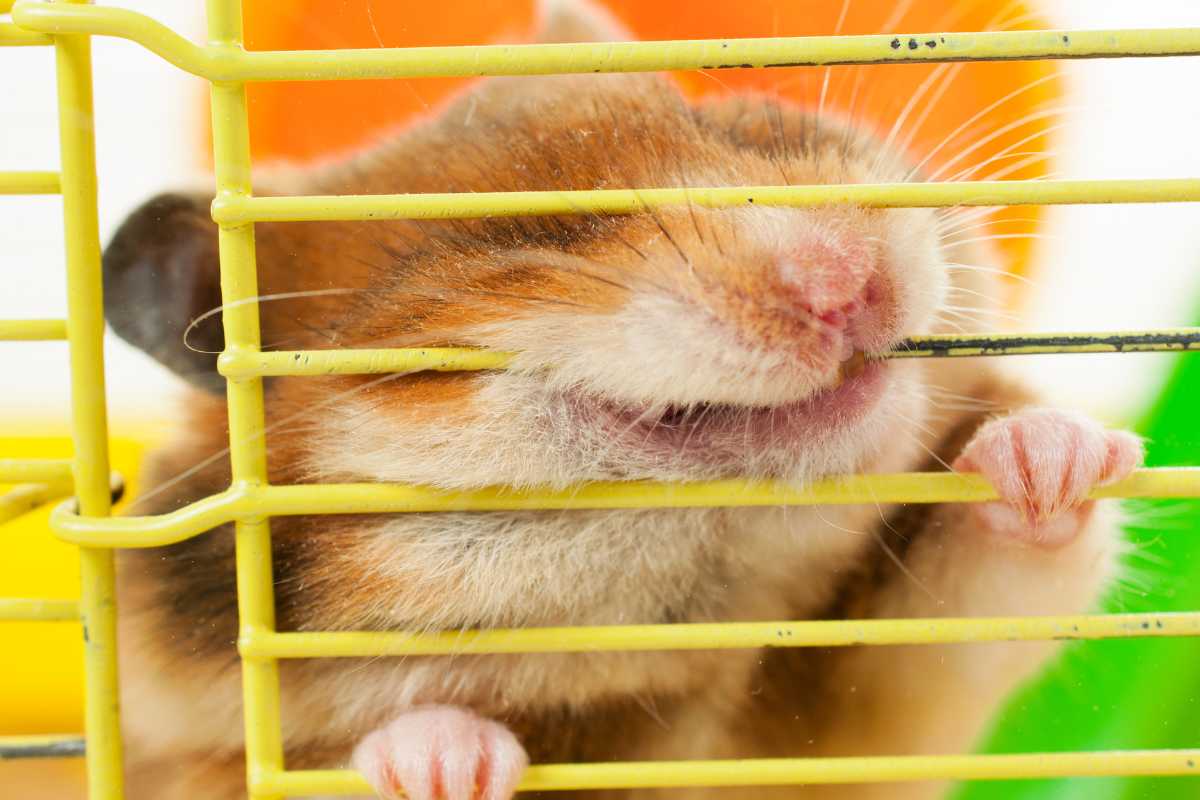
As hamster owners, we all want the best for our little furry companions. One behavior that often causes concern is bar chewing. While it may seem like a harmless activity, it's actually a sign that something is wrong.
Chewing on cage bars is not normal, and it can lead to a range of health and emotional issues for your hamster.
In this article, we'll explore the reasons why hamsters chew on their bars, the dangers it poses, and what you can do to stop it and improve your pet's well-being.
Why Do Hamsters Chew on Cage Bars?

Before diving into the risks of bar chewing, it's important to understand why hamsters do it in the first place. Several factors contribute to this behavior, and they can often point to underlying issues in your hamster's environment or health.
Boredom and Lack of Stimulation
Hamsters are naturally curious and active creatures. In the wild, they spend much of their time foraging, exploring, and tunneling. However, in captivity, they can easily become bored if they don't have enough to do.
Bar chewing can be a sign that your hamster is trying to relieve boredom or frustration. It’s their way of seeking stimulation when there’s nothing else to do in their environment.
Stress and Anxiety
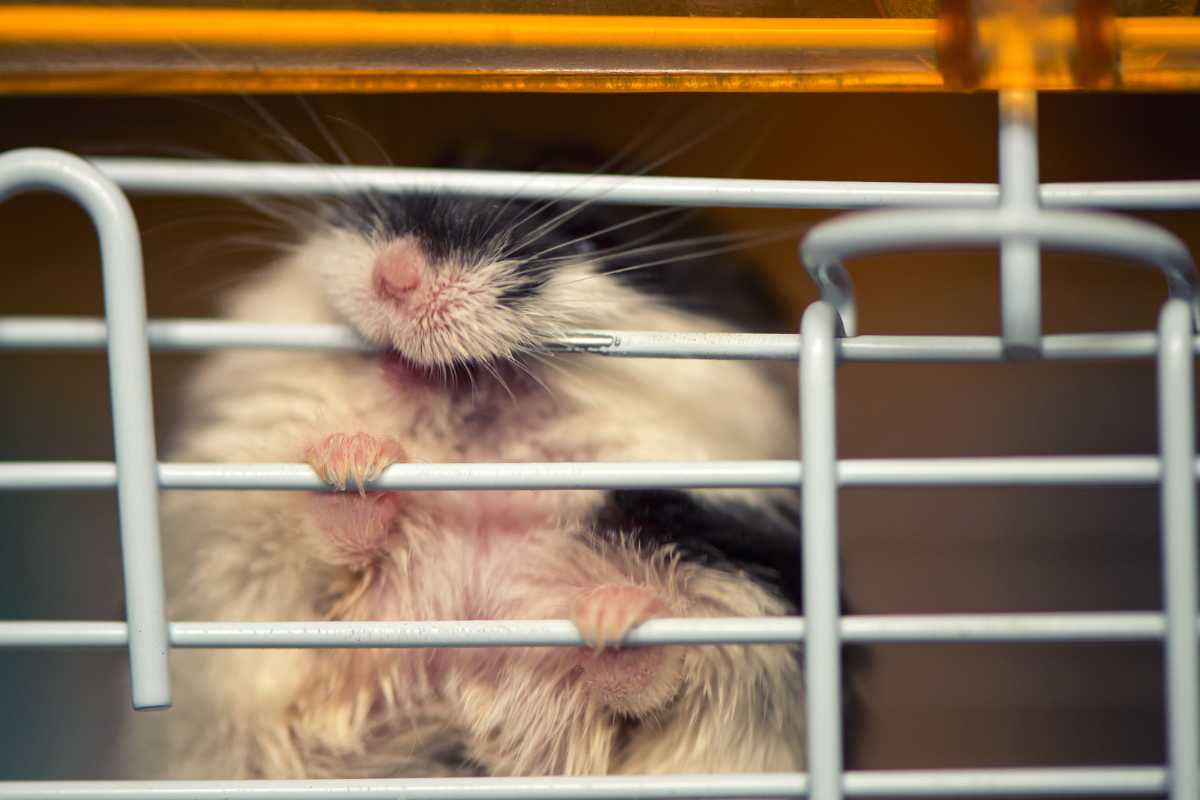
Stress is another common cause of bar chewing. Hamsters are sensitive to changes in their environment, and anything from loud noises to an uncomfortable temperature can cause them stress.
New people or pets in the household, a lack of hiding places, or even being placed in a location with constant movement can all contribute to anxiety.
When hamsters feel stressed or anxious, they may resort to bar chewing as a coping mechanism.
Dental Health and Instinct
Hamsters have continuously growing teeth, and they need to chew on things to keep them worn down. In the wild, they gnaw on various materials to maintain their dental health.
In captivity, however, the cage bars often become their chewing target. While this behavior is natural, it can still be problematic if they chew on inappropriate objects, such as the bars of their cage.
The Dangers of Bar Chewing
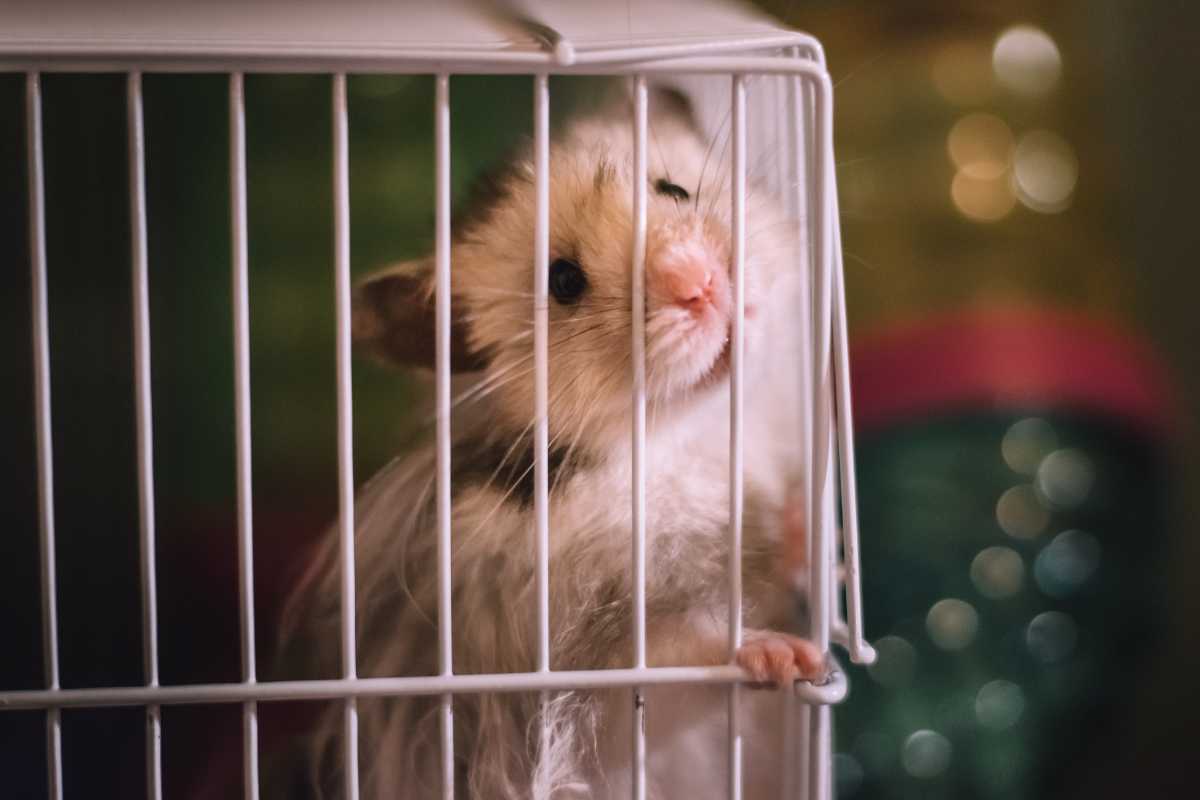
While it might seem like a minor issue, bar chewing can have serious consequences for your hamster's health. Let’s take a look at the potential risks:
Dental Problems
One of the most significant risks of bar chewing is dental damage. Chewing on metal or hard plastic can cause your hamster's teeth to wear unevenly, leading to potential tooth fractures, abscesses, or infections.
If the teeth become overgrown, your hamster might have difficulty eating or even develop painful sores in their mouth.
Physical Injury

Repeatedly chewing on the cage bars can also cause physical harm to your hamster. Their tiny teeth and jaws may become strained from the effort, leading to potential jaw misalignment, gums irritation, or mouth sores.
In some cases, hamsters can even injure their paws or nose if they are pressing against the bars too forcefully.
Stress and Psychological Issues
Bar chewing is often a sign of an underlying emotional issue, such as stress, boredom, or anxiety. Constantly engaging in this behavior can further escalate your hamster’s emotional distress.
Over time, this can lead to behavioral problems like aggression, lack of interest in food, or difficulty interacting with their environment. In extreme cases, it may even contribute to a shortened lifespan.
How to Prevent and Correct Bar Chewing
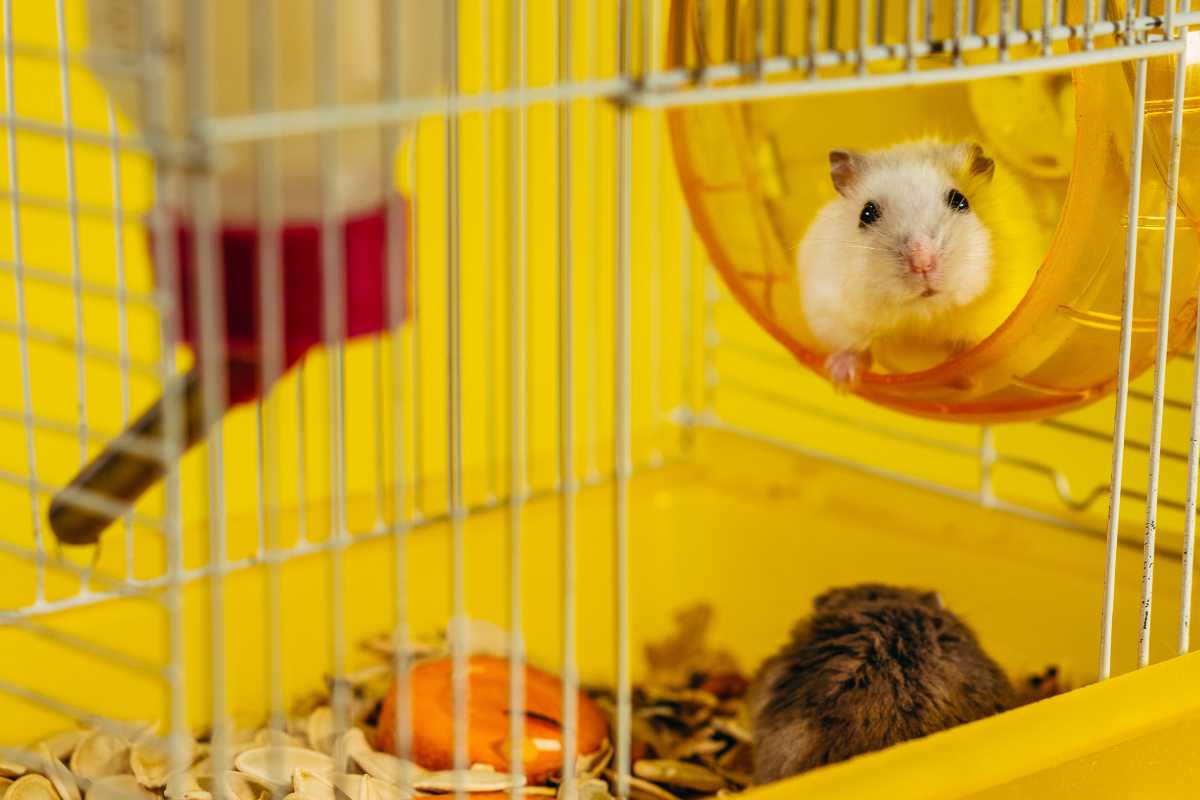
Now that we understand why hamsters chew on their bars and the dangers it poses, it’s time to focus on solutions. Fortunately, there are several steps you can take to prevent and correct this behavior.
1. Provide Adequate Enrichment
One of the most effective ways to stop bar chewing is by providing proper enrichment for your hamster. By offering a variety of toys, hiding places, and activities, you can keep your hamster mentally and physically stimulated.
Here are some ideas:
Chew toys: Provide safe chewing alternatives, such as wooden blocks or unsprayed branches.
Tunnels: Hamsters love to burrow, so adding a few tunnels or cardboard tubes can keep them engaged.
Exercise wheel: Make sure your hamster has access to an appropriately-sized exercise wheel to burn off excess energy.
Interactive toys: Items like ball mazes or treat puzzles can challenge your hamster’s mind and provide mental stimulation.
2. Improve Your Hamster’s Environment

Ensuring that your hamster’s living environment is as comfortable as possible can help reduce stress. Here are a few tips to improve their habitat:
Location matters: Place the cage in a quiet, low-traffic area of your home to minimize stress. Avoid placing it near loud appliances or other pets.
Temperature control: Keep the cage at a stable, comfortable temperature. Extreme heat or cold can stress your hamster.
Hiding spots: Provide plenty of hideaways or safe spaces where your hamster can retreat to when feeling scared or overwhelmed.
3. Switch to a Different Type of Cage
If your hamster is still chewing on the bars despite enrichment efforts, it may be time to consider a new type of cage. Wire cages with bars can be an easy target for chewing, so consider switching to a glass or plastic enclosure.
These types of cages eliminate the temptation to chew on bars and offer a more secure and comfortable environment.
4. Introduce a Balanced Routine
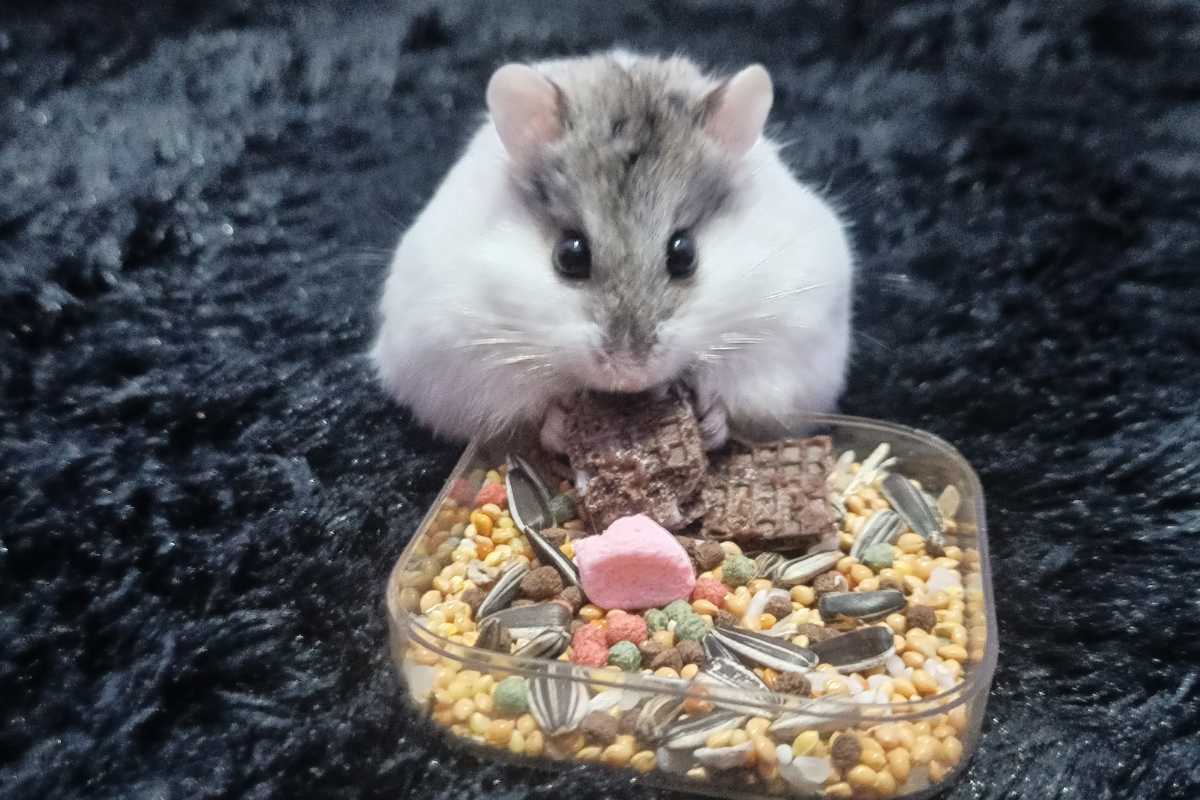
Hamsters thrive on routine, and establishing a consistent schedule can help alleviate stress.
Ensure that your hamster has a regular feeding time, a consistent cleaning schedule, and a predictable bedtime. This will give your hamster a sense of security and help reduce anxiety.
5. Be Patient and Monitor Progress
Correcting bar chewing takes time, and it’s important to be patient. Monitor your hamster’s behavior and make adjustments to their environment as needed.
If the chewing persists despite your efforts, consider consulting with a veterinarian who specializes in small mammals for additional advice and treatment.
Conclusion: Happy Hamsters, Healthy Habits
Bar chewing is not just a harmless behavior; it’s a signal that your hamster is experiencing stress, boredom, or health issues.
By understanding the reasons behind this behavior and taking steps to enrich your hamster’s environment, you can create a happier, healthier home for your pet.
With the right care, you’ll help your hamster thrive, free from the harmful effects of bar chewing.
Enjoy The Video About Hamster

Source: SomethingAnimal
Did you find this post useful or inspiring? Save THIS PIN to your Pets Board on Pinterest!

You may also like