
Bunny Basics: Must-Haves for Your New Pet


Are you thinking of adding a rabbit to your family? Rabbits are incredibly affectionate, intelligent, and low-maintenance pets that can bring joy to any household.
But before you bring one home, it’s important to understand their unique needs to ensure they thrive in their new environment.
Whether you're a first-time rabbit owner or looking for tips to improve your pet’s care, this guide will walk you through everything you need to know.
Bunnies require proper care, attention, and supplies to live a happy and healthy life. Let’s dive into the essential must-haves for your new furry friend.
1. Adequate Space for Your Bunny
Why Space Matters for Your Rabbit’s Wellbeing

Rabbits are highly active creatures that need ample space to move around. A small cage or hutch just won’t cut it.
A larger, secure space will allow your rabbit to hop, stretch, and explore—activities that are crucial for their physical and mental health.
A pen or a rabbit-proofed room is ideal, as it provides a safe environment for your bunny to exercise.
Make sure to also include a litter box, food dishes, and some cozy spots for resting. Rabbits love to roam and explore, so the more room you provide, the better.
2. A Balanced Diet: The Key to a Healthy Rabbit
What Should You Feed Your Rabbit?

Proper nutrition is one of the most important factors in keeping your rabbit healthy. A balanced diet is essential for their digestive system and overall well-being.
Hay: Your rabbit’s primary food source should be fresh, high-quality grass hay, like timothy hay. Hay promotes good digestion and helps wear down their ever-growing teeth.
Fresh Vegetables: Offer a variety of leafy greens, such as romaine lettuce, parsley, and basil, to add essential nutrients.
Pellets: While hay should be the primary food source, you can also feed your rabbit high-quality rabbit pellets in moderation. These should be high in fiber and free from artificial additives.
Water: Always ensure your rabbit has access to fresh, clean water. This is vital for hydration, especially when feeding hay.
Avoid giving your rabbit sugary fruits or starchy vegetables, as these can lead to obesity and digestive issues.
3. Litter Box and Hygiene Essentials
Keeping Your Bunny’s Environment Clean
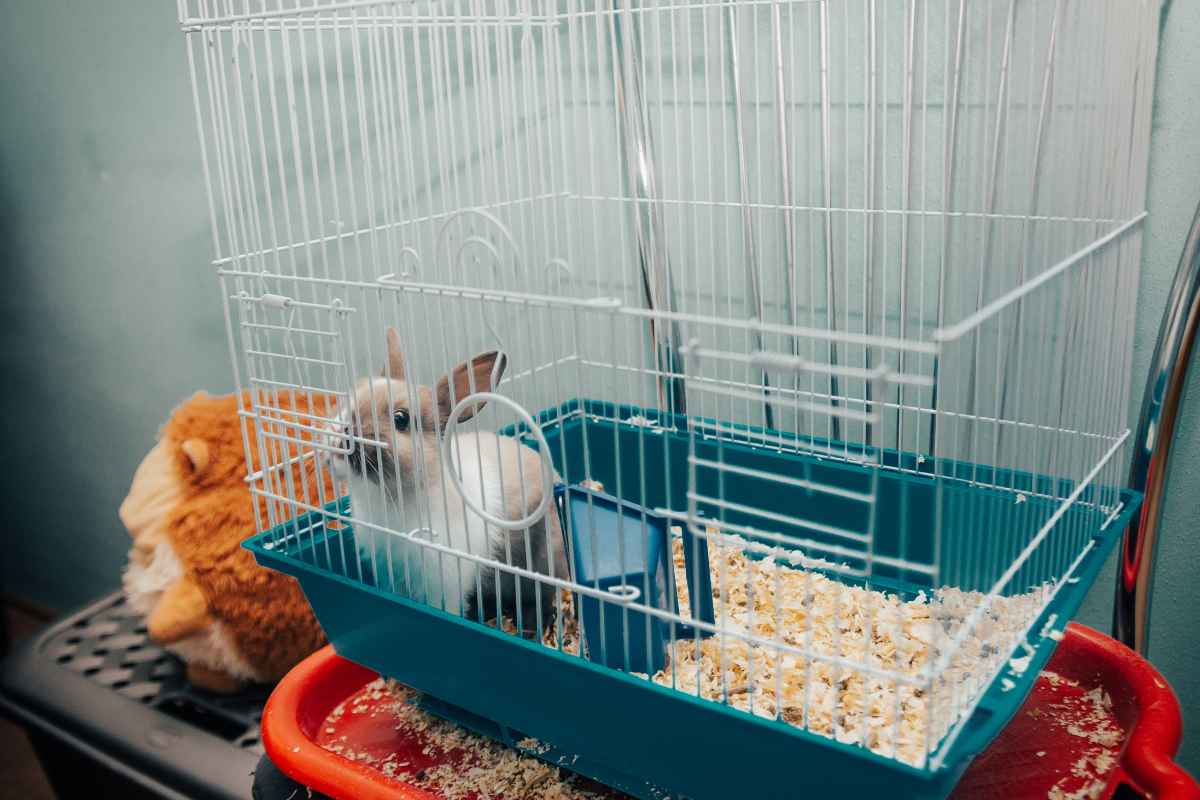
Rabbits are clean animals by nature and usually choose one corner of their space to relieve themselves.
Providing a litter box is essential for their hygiene and will also help in potty training. Use safe, non-toxic litter, such as paper-based or wood pellets, to avoid harmful chemicals.
In addition to a litter box, make sure to regularly clean their living space, changing the bedding and removing soiled areas to prevent odors and bacteria buildup.
Rabbits also require regular grooming, especially long-haired breeds. Brushing your rabbit’s fur helps prevent matting and reduces shedding.
Check their nails regularly and trim them as needed. Rabbits can also suffer from dental issues, so keep an eye out for any signs of discomfort.
4. Enrichment: Keeping Your Bunny Stimulated
Bunny-Proofing and Playtime Activities

Rabbits are highly intelligent and curious animals, and they require mental stimulation to keep them happy. Boredom can lead to destructive behavior, so it’s essential to provide enrichment.
Toys: Chew toys, tunnels, and cardboard boxes are great for rabbits to explore and chew on. Be sure to avoid plastic toys, as they can be harmful if ingested.
Hiding Spaces: Rabbits feel secure in cozy hiding spots where they can relax. Providing a soft bed or hideaway helps them feel safe and reduces stress.
Playtime: Allow your rabbit to explore a safe, bunny-proofed area in your home for at least a few hours each day. Interactive play is essential for a rabbit’s happiness and well-being.
Rabbits also love companionship, so consider adopting a bonded pair to ensure they have a friend to interact with.
5. Veterinary Care: Ensuring Long-Term Health
Routine Check-ups and Preventive Care

Like any pet, your rabbit will require regular veterinary visits to ensure they remain healthy. Rabbits are prone to certain health issues, including dental problems, obesity, and GI stasis.
A rabbit-savvy vet can help monitor your bunny’s overall health and prevent common illnesses.
Vaccinations: Ensure your rabbit is vaccinated against myxomatosis and viral hemorrhagic disease (VHD), as these are prevalent in many areas.
Spaying or Neutering: Spaying or neutering your rabbit can help prevent behavioral issues, as well as reduce the risk of reproductive cancers.
Don’t forget to regularly check for signs of parasites, such as fleas, ticks, or mites, and treat them promptly if needed.
6. The Right Bedding for Your Bunny
Choosing Comfortable and Safe Bedding

Your rabbit’s bedding should be soft, absorbent, and free from harmful chemicals. Avoid using cedar or pine wood shavings, as these can cause respiratory problems in rabbits.
Instead, opt for paper-based or hay-based bedding, which is safer and more comfortable for your pet.
Bedding not only provides a soft place for your bunny to rest, but it also helps with odor control. Make sure to clean the bedding frequently to keep the environment fresh and hygienic.
7. Grooming Tools and Tips
Essential Grooming Supplies for Your Rabbit
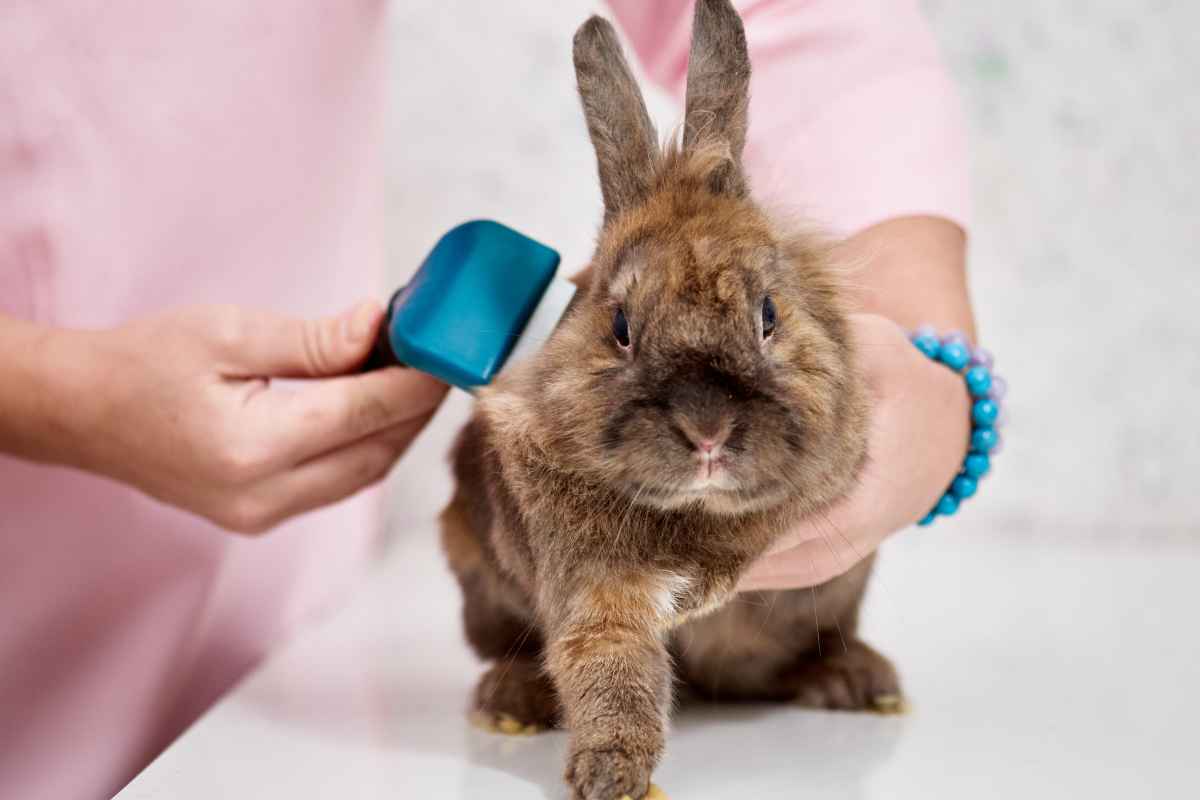
Rabbits need regular grooming to stay clean and healthy, especially for long-haired breeds. Here's what you’ll need:
Brush: A soft-bristle brush or comb to gently remove tangles and excess fur.
Nail Clippers: Rabbit nail clippers to keep their nails trimmed and prevent injury.
Ear Cleaner: Occasionally clean your rabbit’s ears using a gentle, pet-safe ear cleaner to avoid infections.
How Often Should You Groom Your Rabbit?
Short-Haired Rabbits: Groom once a week.
Long-Haired Rabbits: Brush every day to prevent mats and tangles.
8. Building a Bond: Developing a Relationship with Your Rabbit

Establishing Trust with Your New Pet
Rabbits can be timid at first, but with patience and consistency, they will grow to trust you.
Always approach your bunny gently, and offer them treats or favorite foods as a way to create positive associations.
It’s important to handle your rabbit gently but securely to avoid stress or injury. Gradually increase the time spent with your rabbit, and encourage interactive play to strengthen the bond.
Conclusion: Start Your Rabbit Journey Right
Bringing a rabbit into your home is a rewarding experience, but it’s important to provide them with the proper care, attention, and environment they need to thrive.
By investing in the right supplies and creating a safe, comfortable space for your rabbit, you will help ensure that they lead a long, healthy, and happy life.
Remember, your new pet will depend on you for their care, so it’s crucial to educate yourself and remain committed to their well-being.
If you’re unsure about any aspect of your rabbit’s care, don’t hesitate to reach out to a rabbit-savvy veterinarian or pet expert for guidance.
We hope you enjoy this video about Rabbits

Source: Training Through Life
Did you find this post useful or inspiring? Save THIS PIN to your Pets Board on Pinterest!

You may also like