
Bunny Besties: How to Get Your Rabbit to Like You


Rabbits are wonderful companions that bring joy and warmth to a home. However, developing a connection with a rabbit can be a bit of a challenge, especially if you're not sure how to approach them.
Unlike dogs or cats, rabbits have their own unique personalities and preferences, which can make them seem distant at first. But with patience and the right approach, you can create a bond with your rabbit that will last a lifetime.
In this article, we’ll explore how to build trust with your bunny, understand their behavior, and create a healthy, loving relationship.
By the end, you'll have the tools to make your rabbit feel comfortable and secure, turning them into your best furry friend.
Understanding Rabbit Behavior: A Foundation for Connection

Before you can build a connection with your rabbit, it's essential to understand their behavior. Unlike other pets, rabbits communicate in subtle ways, often using body language to express their feelings.
Reading Rabbit Body Language
Rabbits have a rich language of gestures that can tell you how they are feeling. For example, a bunny that is relaxed might flop on their side, while one that is scared might freeze or dart into a hiding place.
Learning to read these cues will help you understand your rabbit's mood and avoid overwhelming them.
Signs of Affection
A rabbit that likes you will show it in several ways. They might nudge you with their nose, follow you around the house, or even groom you by licking your skin or hair.
These actions are signs that your bunny trusts you and enjoys your company.
How to Build Trust with Your Rabbit

Trust is the cornerstone of any successful relationship with your rabbit. It's not something that happens overnight, but with patience, it can be built. Here are some key elements to consider when forming that bond.
Take It Slow
Rabbits can be easily startled, so it's important to approach them slowly and calmly. Avoid quick movements or loud noises that might scare them.
Instead of immediately picking them up, allow your rabbit to come to you on their own terms. Sit quietly next to them and let them decide when they’re ready to approach.
Respect Their Space

While it’s tempting to snuggle up with your bunny, rabbits are creatures of habit and like to have their own space.
Creating a safe and cozy environment for them is key to building trust. Set up a dedicated area for your rabbit where they can feel secure, away from noise and distractions.
Positive Reinforcement
Using treats to encourage positive behavior is a powerful tool in building a relationship with your rabbit.
Offer them small pieces of fresh vegetables or hay when they exhibit behaviors you want to encourage, like hopping into your lap or approaching you.
This will help your bunny associate you with positive experiences and create a deeper bond.
Creating a Fun and Safe Environment for Your Rabbit

Rabbits are intelligent animals that require stimulation and exercise to stay happy. In a natural setting, they would spend most of their time foraging and exploring, so it’s important to provide them with similar opportunities in your home.
Provide Mental and Physical Stimulation
One of the best ways to bond with your rabbit is through interactive play.
Create a space where they can hop around safely and encourage activities like chasing balls, hopping through tunnels, or exploring new areas of the house. You can also use puzzle toys filled with treats to keep their mind sharp.
Establish a Routine
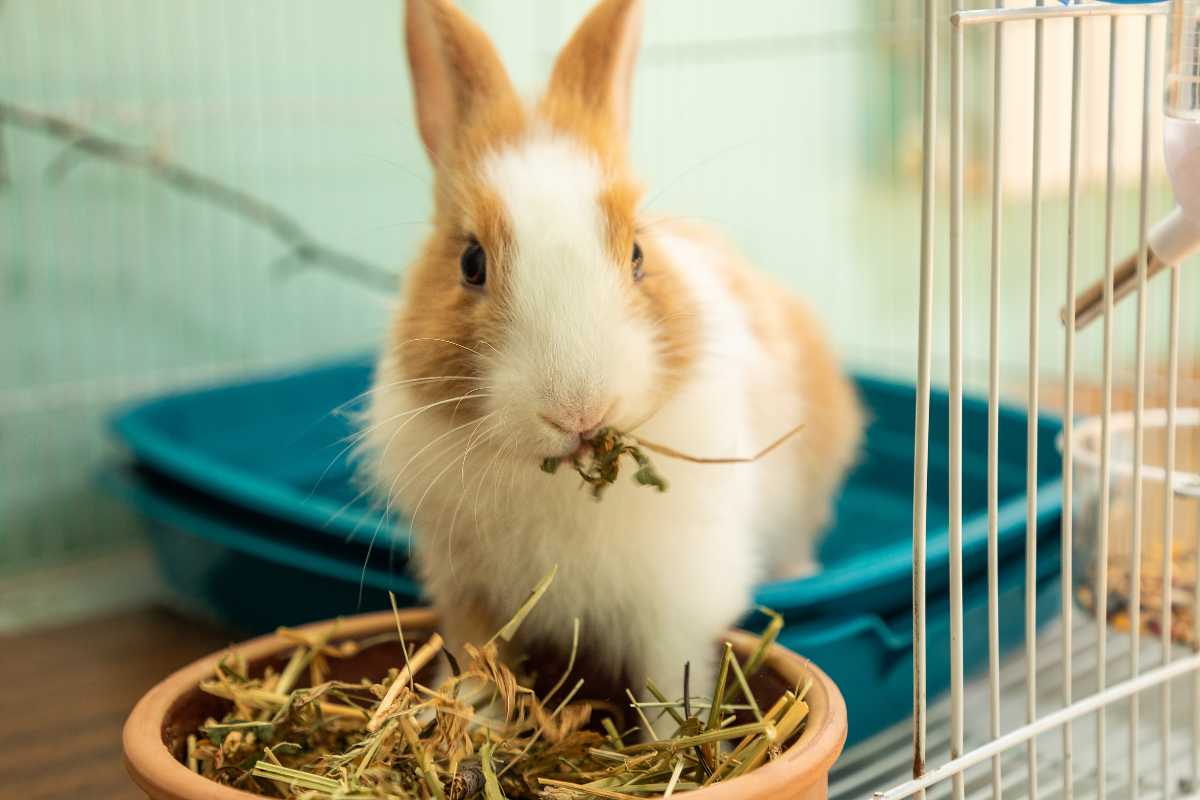
Rabbits thrive on routine, so try to keep their feeding and playtimes consistent. A set schedule will help your rabbit feel secure and comfortable in their environment, allowing them to relax and enjoy spending time with you.
Grooming Your Rabbit
Regular grooming is an excellent way to strengthen your bond with your rabbit. Brushing their fur not only keeps them clean but also allows you to spend quiet, one-on-one time with them.
Some rabbits enjoy being brushed, while others may need a little more time to get used to it. Pay attention to their comfort level and proceed slowly if they seem nervous.
The Importance of Patience in Building a Relationship

One of the most important things to remember when building a relationship with your rabbit is that trust takes time.
Rabbits are naturally cautious animals, and while some may warm up to you quickly, others may take longer to open up. It’s essential to remain patient and consistent in your efforts, allowing your rabbit to set the pace.
Be Ready for Setbacks
There may be times when your rabbit seems distant or unresponsive. This is perfectly normal and part of the process.
Don’t be discouraged if your rabbit doesn’t immediately bond with you; with time and continued positive interactions, you’ll build a meaningful relationship.
Understanding Your Rabbit’s Personality
Each rabbit is unique, and they all have different personalities. Some rabbits are more independent, while others may crave attention and companionship.
Understanding your rabbit’s specific needs and behaviors will help you better tailor your interactions and deepen your bond.
Respecting Your Rabbit's Boundaries

While it’s important to show affection and love, it’s equally crucial to respect your rabbit’s boundaries. Unlike cats and dogs, rabbits don’t always enjoy being picked up, and forcing physical affection can cause stress.
Let your bunny come to you when they’re ready, and avoid forcing interactions if they’re not in the mood.
Understanding When to Give Space
Sometimes, your rabbit might need a break from socializing, especially after a busy day or if they are feeling overwhelmed.
Recognizing when to step back and give your rabbit some space is key to maintaining a positive relationship. A rabbit that feels safe and in control of their environment is more likely to approach you willingly.
Common Mistakes to Avoid

Even the most experienced rabbit owners can make mistakes. Here are some common errors to watch out for:
Overstimulating Your Rabbit
Rabbits are sensitive creatures, and too much stimulation can cause them stress.
Avoid overwhelming your rabbit with constant handling, loud noises, or unfamiliar environments. Allow your bunny to explore their space at their own pace.
Inconsistent Handling
Rabbits are creatures of habit and thrive on consistency. Inconsistent handling, such as picking them up one day and ignoring them the next, can confuse them and damage the trust you’ve worked to build.
Stick to a consistent routine that includes regular interaction, playtime, and bonding sessions.
Ignoring Health Needs
A healthy rabbit is a happy rabbit. Make sure to provide your bunny with a balanced diet, fresh water, and regular veterinary check-ups. A well-cared-for rabbit is more likely to be open to building a relationship with you.
Conclusion: Creating a Lifelong Bond with Your Bunny

Building a relationship with your rabbit is a rewarding journey that requires patience, understanding, and consistency.
By taking the time to understand your bunny’s needs, respecting their boundaries, and offering positive experiences, you’ll create a lasting bond that both you and your rabbit can enjoy for years to come.
Remember, every rabbit is different, and it’s important to go at their pace.
Whether your bunny is a social butterfly or a more reserved individual, the key to success is building trust and creating an environment where they feel safe, loved, and comfortable.
By fostering a loving and understanding relationship, your rabbit will become more than just a pet – they’ll become a cherished member of your family.
Enjoy The Video About Rabbits

Source: Abby Morsey
Did you find this post useful or inspiring? Save THIS PIN to your Pets Board on Pinterest!

You may also like