
Bunny Bliss: Tips and Tricks for a Spotless Rabbit Habitat


Keeping a rabbit home truly fresh isn’t about scrubbing harder—it’s about a friendly, sustainable routine that respects delicate respiratory systems and sensitive paws.
The goal is a rabbit habitat that feels natural and calm, controls odor at the source, and is quick enough to maintain on busy days.
Below you’ll find a practical rhythm for how to clean a rabbit cage without harsh chemicals, plus smart tweaks to litter, flooring, and airflow so the space stays tidy longer.
What “Clean” Means for Rabbits (and why it’s different)
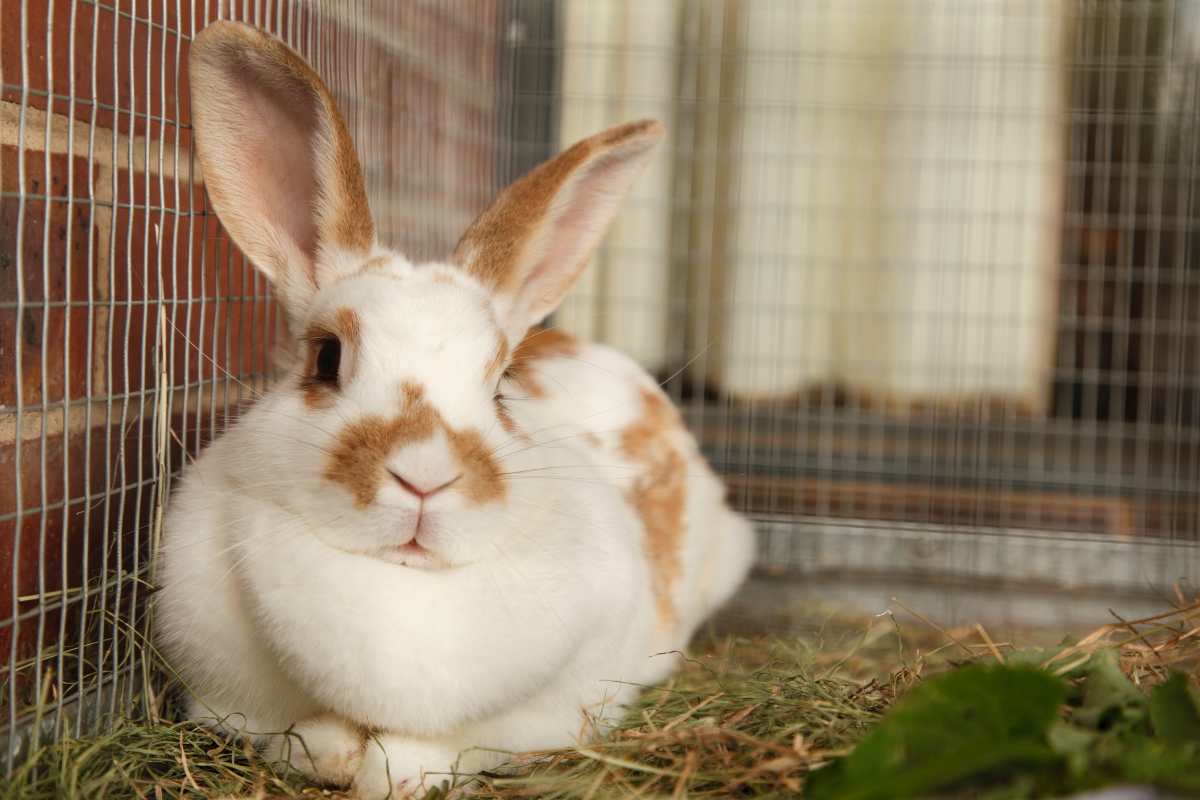
Rabbits spend most of their lives inches from the floor, so air quality, safe surfaces, and gentle cleansers matter as much as visible sparkle.
Strong fragrances can stress them; wire and gritty textures can irritate skin; lingering dampness can chill or invite bacteria.
A rabbit-friendly clean focuses on odor control through quick spot care, neutralizing urine residue, and keeping the litter system efficient—while avoiding products that overpower the nose or rough up the feet.
A Simple Routine That Actually Works
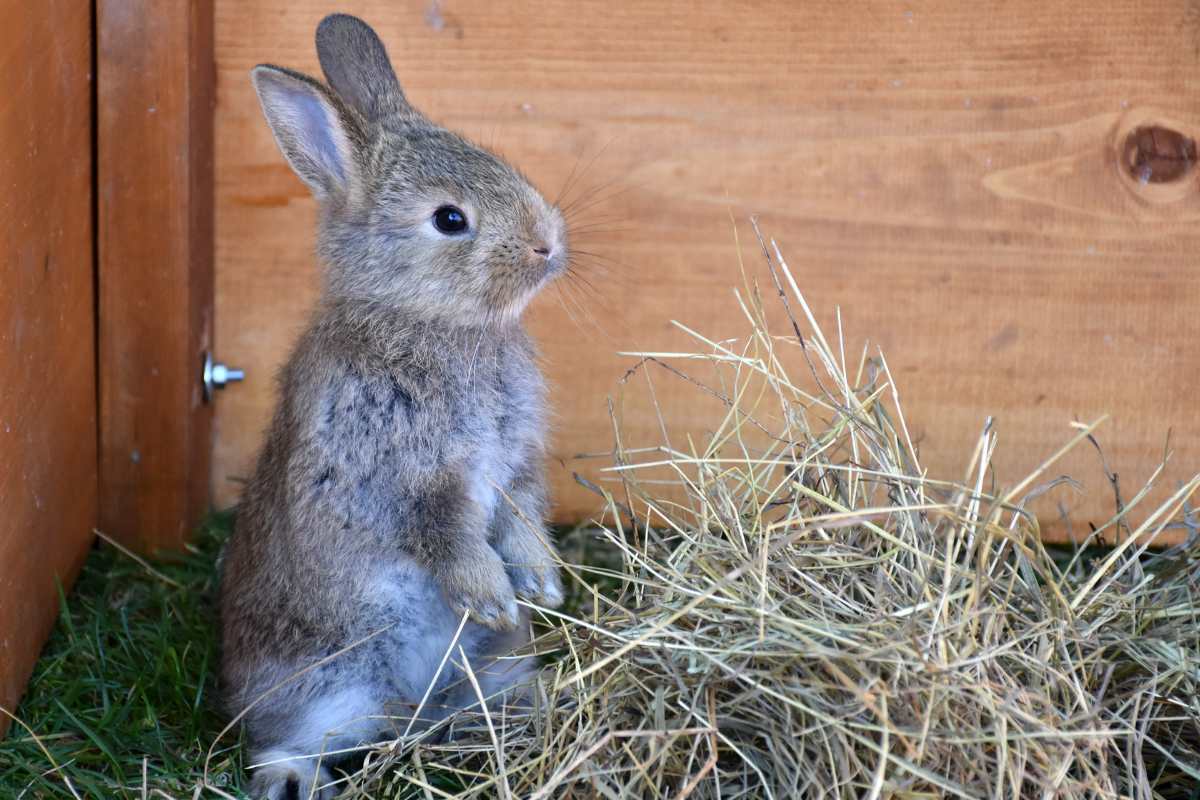
Daily touch-ups that prevent odor
Think of this as a ten-minute reset. Remove obvious wet spots in the rabbit litter box, shake out loose hay and fur from high-traffic corners, and do a quick bowl check so no food is fermenting.
These small resets keep ammonia from building up and make deeper sessions easier.
Weekly (or biweekly) refresh that resets the base

Give surfaces a thorough wipe with a rabbit-safe cleaner (details below), wash bowls and hideouts, and launder any blankets or mats that collect fur.
This is also a good time to rotate toys so the environment stays engaging and less prone to messy boredom digging.
Deep clean every 2–4 weeks—without turning it into a chore
A deep clean doesn’t need to be “move everything out and scrub like a kitchen.” Focus on areas that trap urine and crumbs: the litter setup, corners where hay accumulates, the undersides of ramps, and fabric pieces that don’t get weekly attention.
Work in sections so your rabbit isn’t displaced for long, and allow everything to dry fully before reassembly.
Safe Products And Simple Mixes
The everyday MVP: 1:1 water + white vinegar
A half-vinegar, half-water spray neutralizes urine minerals, cuts odor, and dries with almost no residue. It’s inexpensive, effective, and gentle on most cage materials, litter pans, and flooring.
Lightly mist, let it sit a minute on stubborn spots, then wipe with a soft cloth. For sensitive noses (yours or your rabbit’s), ventilate and allow a few minutes of air-out before your rabbit returns.
When you need more: pet-safe enzymatic cleaners
For stuck-on residues or “same corner” accidents, a pet-labeled enzymatic cleaner breaks down organic compounds without perfumes that overwhelm.
Use sparingly, follow the label, rinse if instructed, and always let surfaces dry completely. Enzymatics are especially helpful if you’re retraining litter habits and want to remove lingering scent cues from the wrong place.
A note on bleach and strong disinfectants
Reserve them for rare sanitizing moments (illness, heavy contamination).
If you truly need a disinfectant, choose one approved for animal areas, use the correct dilution, rinse thoroughly, ventilate well, and return your rabbit only after the surface is bone-dry and odor-free.
Bleach plus lingering ammonia fumes is a no-go—neutralize urine first, then disinfect on clean, rinsed surfaces only.
Litter Box Setup That Keeps Smells Down
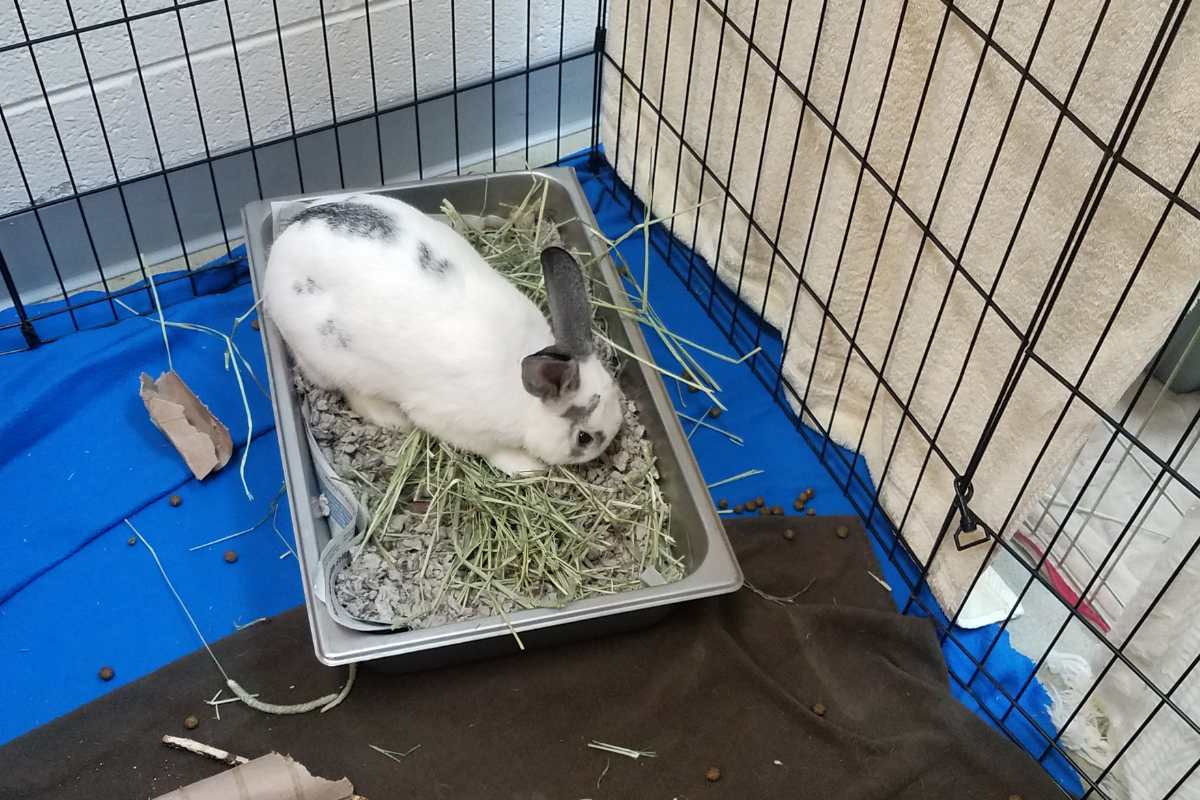
Best litters to use
Paper-based pellets and recycled paper litters are highly absorbent, low-dust, and scent-neutral. Aspen shavings are another solid option for absorption without heavy aroma.
A thin layer of litter topped with a generous hay “snack layer” encourages your rabbit to linger in the right spot, keeping everything tidier elsewhere.
Materials to avoid (and why)
Skip clumping cat litter—it’s dusty and unsafe if ingested. Avoid softwood shavings like cedar and many pine products with heavy aromatic oils that can irritate airways.
Perfumed litters often mask rather than solve smell; they can bother rabbits and make it harder to notice when a real clean is needed.
Small tweaks with big impact
Choose a litter pan sized for natural posture (think roomy, not dainty). High backs or a corner shield reduce over-the-edge accidents.
If you’re constantly changing soaked litter, try adding a metal or plastic grate on top so feet stay dry while the litter works below—just keep that upper surface flat and gentle.
Floors, Textiles and Comfort
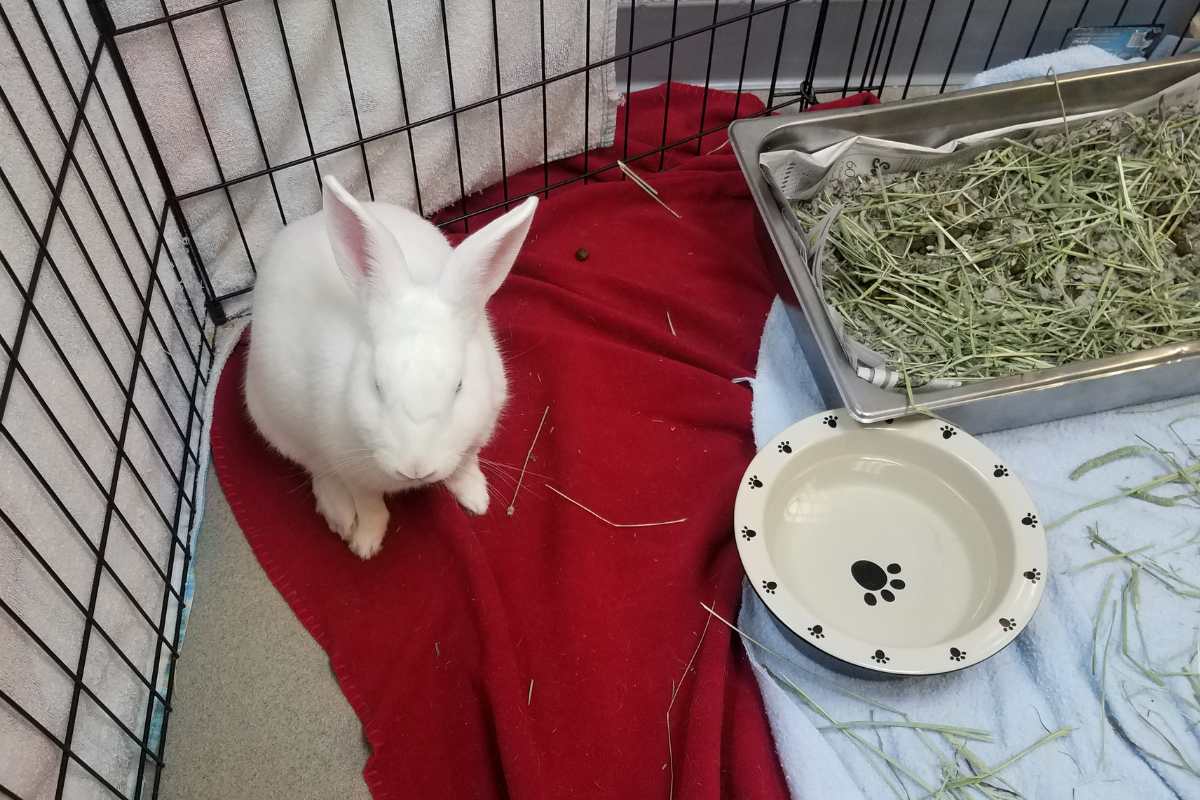
Solid, cushioned footing beats wire
Wire and narrow grids can contribute to sore hocks. Favor smooth, non-slip, easy-wipe surfaces with soft landing zones (fleece, tightly woven cotton, or thin, washable mats).
If you already have a grid in part of the habitat, cover it with a fitted, solid platform or a mat that won’t shift.
Smarter fabric care
Textiles trap the very things that cause smell: oils, dander, fine hay dust. Wash on warm with a mild, fragrance-free detergent.
Skip fabric softeners (they leave residues) and line-dry when possible for a fluff that shakes off loose fur. Keep a small rotation: while one set is down, another is in the wash.
Air Quality and Odor Control
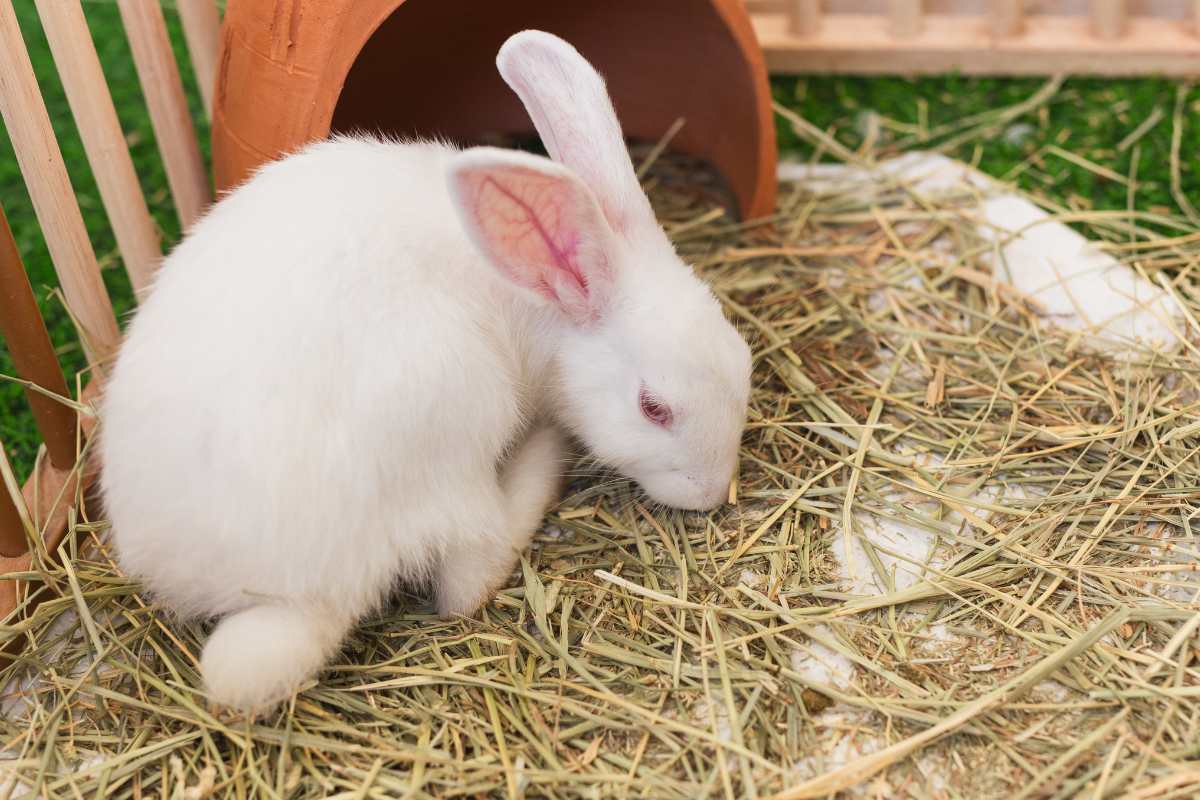
Ventilation is your silent superpower
Most rabbit smells are air-exchange problems, not “dirty rabbit” problems. Open a window for cross-breeze when weather allows, or use a basic air purifier placed where your rabbit can’t chew cords.
Even a few minutes of fresh air during daily touch-ups helps more than any scented spray.
Where smell really comes from
Urine has nitrogen that becomes ammonia as it sits. That’s why odor control is about removing damp spots fast and keeping the litter system efficient—not layering on fragrance.
If odor suddenly escalates despite good cleaning, reassess litter type, litter depth, and airflow.
Habitat Size and Layout that Stays Cleaner
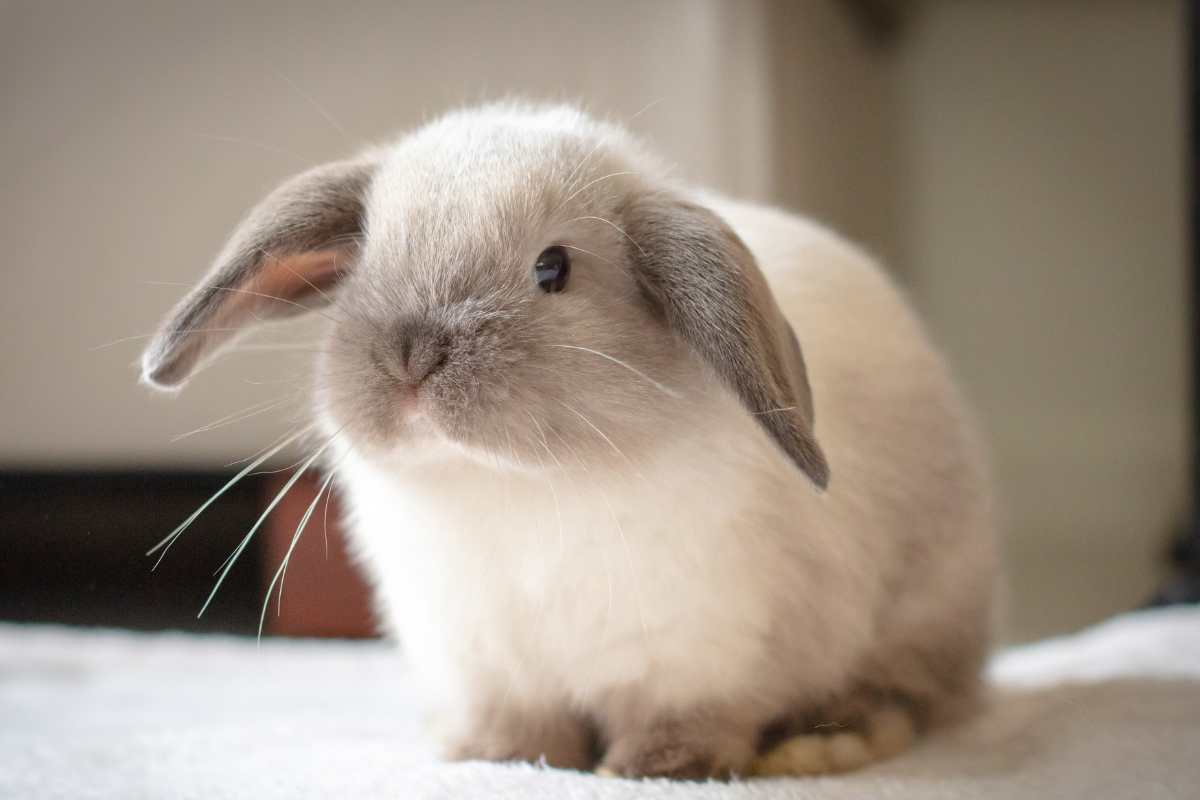
Give them room to act like rabbits
Cramped spaces concentrate mess. Ample, connected space lets rabbits separate toilet, dining, and lounging zones—nature’s built-in cleaning plan.
As a general guide for a bonded pair, aim for at least about 10 × 6.5 feet (≈3 × 2 meters) of safe, connected area with vertical variety. More freedom usually equals fewer accidents and less smell.
Zone the space for success
Keep hay and water together near the rabbit litter box so nibbling naturally pairs with using the toilet. Offer cozy rests away from food and the bathroom.
Place the most wipeable surfaces where pellets and hay tend to fall (around hay stations and litter entrances), and reserve plush textiles for lounging zones.
Quick Answers to Common Questions
Can I sprinkle baking soda in the litter box?
It’s better to improve absorption and air exchange than to add powders that can become airborne.
If you must, keep it sealed beneath a grate layer so dust can’t contact your rabbit. Usually, a higher-absorbency paper pellet and more frequent spot swaps work better.
How often should I change hay?
Daily top-ups keep hay inviting and reduce scatter raids around the habitat. Old, damp hay belongs in the bin—fresh hay invites rabbits back to the litter area and away from clean floors and beds.
Pee outside the box: cleaning issue or training issue?
A little of both. Thoroughly neutralize wrong-spot odors with an enzymatic cleaner and move hay to the litter zone to pull behavior back where you want it.
Make sure the pan is roomy and easy to enter, with sides high enough to catch spray but not so high your rabbit avoids it.
Red Flags to Watch for

A habitat that suddenly smells sharp despite the same routine can hint at dehydration, dietary shifts, or a urinary issue.
Watch for urine scald (reddened skin), straining, changes in appetite, or lethargy. Cleaning should reveal a healthy baseline; if something feels off, note what you’re seeing and check with a rabbit-savvy vet.
Make it Easy to Stick with

Consistency beats intensity. Keep a small caddy with a microfiber cloth, rabbit-safe cleaner, spare liners, and a trash bag right by the habitat.
Choose washable mats that shake clean in seconds. Build the daily touch-up into a routine you already do—refilling hay, saying hello, checking water.
The payoff is huge: a fresher home, fewer deep scrubs, and a rabbit who relaxes into a space that always feels safe and clean.
Bottom line: A gentle how to clean a rabbit cage routine—daily touch-ups, a weekly refresh, and a periodic deep clean—paired with the right litter, solid flooring, and good airflow keeps smell down and comfort up.
Your rabbit gets a calm, healthy environment; you get a home that feels fresh without the harsh chemicals.
Enjoy The Video About Rabbits

Source: Victoria Raechel
Did you find this post useful or inspiring? Save THIS PIN to your Pets Board on Pinterest!

You may also like