
Cat Care 101: How to Take Care of a Cat!


Taking care of a cat goes beyond feeding and providing basic shelter; it involves understanding their unique needs, preferences, and how to create a stimulating environment that contributes to their overall well-being.
Whether you're a first-time cat owner or an experienced one, this guide will cover everything from breed-specific needs to environmental enrichment, grooming, health, and more.
Understanding Your Cat's Specific Breed Needs
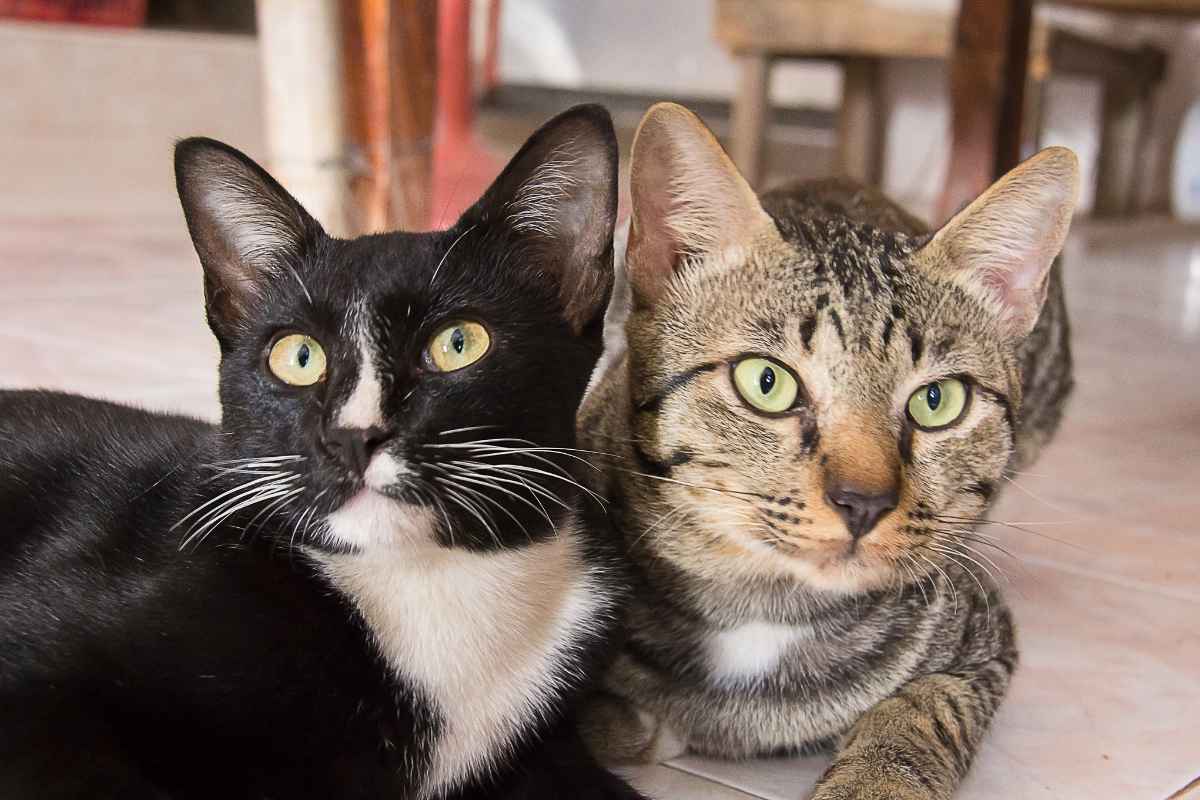
Every cat breed has its own personality and health traits that require specific care. For instance, Sphynx cats, with their lack of fur, need regular bathing to remove oils that would normally be absorbed by their coat.
Bengal cats, known for their high energy, need more physical activity and mental stimulation than most breeds. Understanding the unique requirements of your cat's breed is crucial for keeping them happy and healthy.
Breeds like the Scottish Fold, with their unique ear structure, might also need extra care for their joints, as they are prone to cartilage issues.
By considering your cat’s breed-specific characteristics, you can tailor their care to avoid potential health problems.
Providing a Stimulating Environment: Enrichment and Play
Cats are natural hunters, and providing a stimulating environment is key to preventing boredom and undesirable behaviors.
Enrichment involves more than just toys—it’s about offering mental and physical challenges that keep your cat engaged.
Interactive Playtime

Interactive play is essential for your cat's mental and physical well-being. Consider investing in puzzle feeders that challenge your cat to work for their food or laser pointers and feather wands to simulate hunting.
Cats enjoy the thrill of chasing, and these toys give them an opportunity to express their natural instincts in a safe and controlled way.
Climbing and Hiding Spaces
Cats love to climb, perch, and hide. Installing a cat tree or providing shelves near windows will allow your cat to observe their surroundings, which satisfies their curiosity.
You can also create hidden nooks for your cat to retreat to when they need a break from the hustle and bustle of the household.
Nutrition: Meeting Your Cat’s Dietary Needs
A healthy diet is fundamental to a cat's well-being. Cats are obligate carnivores, which means their diet must primarily consist of meat. A high-quality commercial cat food will provide the necessary nutrients.
Protein and Fat Needs
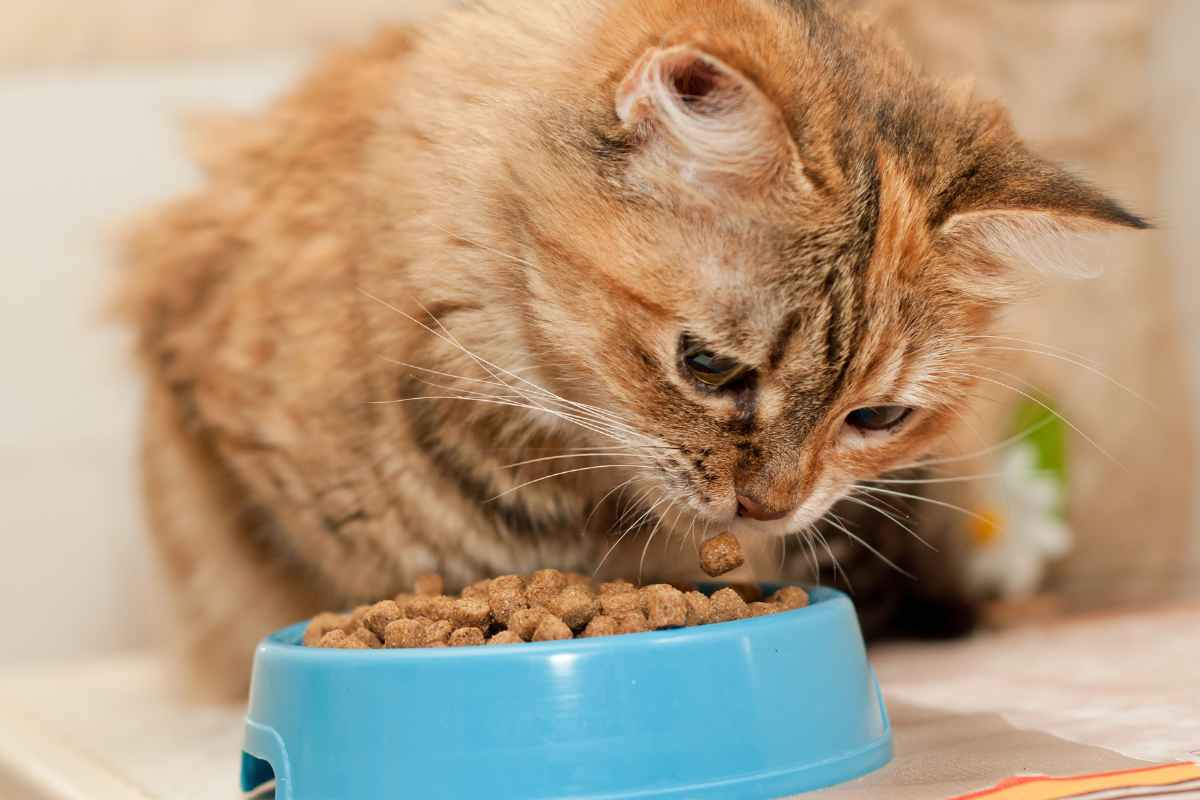
Cats, especially those with high energy levels like Bengals, require a protein-rich diet.
Look for foods with high-quality animal protein, such as chicken or fish, and moderate fat content to maintain energy levels and support healthy skin and coat.
For older cats or those with certain health conditions, consult your vet about specialized diets.
Homemade Treats for Your Cat
Homemade treats can also be a fun way to spoil your cat while ensuring they get healthy snacks. For instance, you can bake cat-friendly treats using simple ingredients like chicken or tuna.
Always be cautious and make sure the treats are nutritionally balanced and free from harmful ingredients like onions or garlic.
Grooming and Hygiene: Keeping Your Cat Clean and Healthy
Even though cats are generally self-cleaning, regular grooming is important to maintain their health and comfort.
Bathing and Brushing
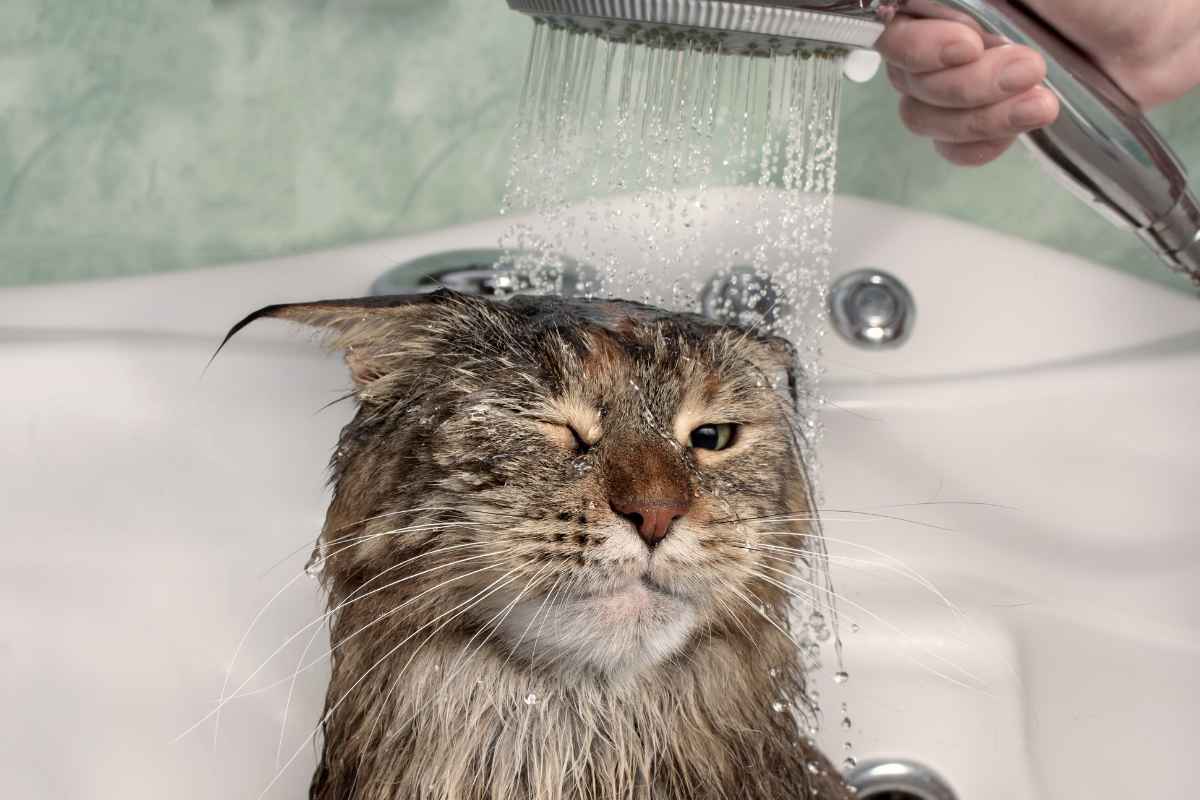
For breeds like the Sphynx, regular bathing is a must, while long-haired cats like Persians require frequent brushing to prevent mats and tangles.
Brushing also reduces shedding and helps keep your cat’s coat shiny and healthy. Ensure you use appropriate tools for your cat’s coat type to avoid skin irritation.
Ear and Nail Care
Regular ear cleaning is vital for cats, especially those with floppy ears like the Scottish Fold. Use a gentle, cat-safe ear cleaner to prevent wax buildup and infections.
Nail trimming should also be part of your regular grooming routine. Ensure you cut only the sharp tips to avoid cutting into the quick.
Health and Vet Visits: Keeping Your Cat’s Well-being in Check
Regular check-ups with the vet are essential for monitoring your cat's health, preventing diseases, and catching potential issues early.
A healthy cat will have a shiny coat, bright eyes, and be active. Keep an eye on your cat’s weight and behavior to spot any signs of illness.
Vaccinations and Parasite Prevention
Make sure your cat is up-to-date on their vaccinations. Feline distemper, feline leukemia, and rabies are critical vaccines that help protect your cat from serious diseases.
Additionally, regular deworming and flea prevention are vital to keeping your cat healthy. For indoor cats, flea prevention may be less frequent, but it’s still a good idea to monitor for signs of fleas or ticks.
Common Health Issues in Cats

Cats are susceptible to various health issues, such as kidney disease, diabetes, and arthritis, especially in older age. Regular vet visits are essential for managing these conditions.
Also, paying attention to any changes in your cat’s behavior, such as increased drinking, lethargy, or difficulty jumping, can help you identify potential health concerns.
Creating a Safe and Comfortable Home
A safe, comfortable home environment is vital for a happy cat. Ensure that your home is free from hazards like toxic plants (e.g., lilies), small objects that can be swallowed, or electrical cords that could be chewed on.
Safe Outdoor Adventures
If you plan to let your cat explore outdoors, make sure the area is safe. Consider investing in a cat harness and leash for controlled outdoor walks, or create a catio (an enclosed outdoor space) where your cat can experience the outdoors without the risks associated with free-roaming.
Temperature and Comfort
Cats are sensitive to temperature extremes. Ensure your cat has a comfortable place to sleep, away from drafts or direct sunlight. A cozy, warm bed or soft blanket will provide them with a safe retreat when they need rest.
Signs Your Cat Needs Medical Attention

Cats are masters at hiding pain, so it’s important to monitor their behavior for signs that something may be wrong. Some common signs that your cat may need medical attention include:
Change in appetite (either increased or decreased)
Excessive grooming or neglecting grooming
Sudden weight loss or gain
Frequent vomiting or diarrhea
Lethargy or lack of interest in play
Increased vocalization or behavioral changes
If you notice any of these signs, it’s important to schedule a visit with your vet as soon as possible.
Conclusion: The Key to a Happy, Healthy Cat
Taking care of a cat involves more than just feeding them and providing basic shelter.
By understanding their breed-specific needs, offering enrichment, maintaining proper grooming, and keeping up with health check-ups, you ensure your feline friend leads a long, healthy, and fulfilling life.
Remember that every cat is unique, and their care should be tailored to their personality and lifestyle.
By following these tips and creating a safe, stimulating environment, you'll foster a bond with your cat that will last for years to come. Always stay informed, and don’t hesitate to seek professional advice when needed.
We hope you enjoy this video about Cats

Source: Mia Sone
Did you find this post useful or inspiring? Save THIS PIN to your Pets Board on Pinterest!

You may also like