
Cat Care Chronicles: 20 Mistakes to Avoid as a Cat Owner


Owning a cat can be an incredibly rewarding experience, but it also comes with its challenges.
As a responsible pet owner, it's crucial to learn about the common mistakes that can negatively impact your cat's health and happiness.
In this article, we’ll walk through 20 common mistakes that cat owners make—and how you can avoid them to ensure a long, healthy, and loving relationship with your feline friend.
1. Not Providing Enough Fresh Water

Cats need access to fresh water every day. Dehydration is a serious health concern and can lead to urinary tract infections, kidney disease, and other complications.
Many cats prefer running water, so consider investing in a cat water fountain to encourage them to drink more.
2. Feeding Your Cat the Wrong Diet
While it may seem tempting to feed your cat table scraps or low-quality food, it's essential to choose a high-quality diet that suits your cat’s age, size, and health needs.
Wet food can help keep your cat hydrated, and high-protein meals promote healthy muscles and a shiny coat.
3. Overfeeding Your Cat

Obesity is a common problem for cats, especially indoor ones. Overfeeding can lead to severe health problems, including diabetes, arthritis, and heart disease.
Always follow feeding guidelines and measure your cat’s portions carefully.
4. Not Providing Enough Stimulation
Cats are intelligent and curious creatures. If they don't have enough stimulation, they can become bored, which may lead to destructive behavior.
Interactive toys, scratching posts, and climbing trees are essential for your cat's mental and physical health.
5. Skipping Regular Vet Visits

Regular vet check-ups are crucial to monitor your cat’s health.
Vaccinations, parasite control, and dental care should never be neglected. Regular exams help catch health issues early, giving your cat the best chance for a long, healthy life.
6. Neglecting Litter Box Maintenance
Cats are very clean animals, and they expect their litter boxes to be clean, too.
A dirty box can lead to behavioral problems, like eliminating outside the box. Make sure to scoop the litter box daily and change it completely at least once a week.
7. Not Spaying or Neutering

Unspayed or unneutered cats are at risk of certain cancers and other health issues. Additionally, they contribute to the overpopulation of stray cats.
Spaying or neutering your cat will not only help control the cat population but can also prevent behavioral problems.
8. Ignoring Your Cat’s Social Needs
Cats can be independent, but they still need affection and interaction. If you're away from home often, consider adopting two cats so they can keep each other company.
Pay attention to your cat’s social needs and spend quality time with them daily.
9. Not Giving Your Cat Enough Privacy

While cats enjoy affection, they also need their own space. Ensure your cat has a quiet spot where they can retreat to relax.
A safe space helps reduce stress and allows them to recharge.
10. Using the Wrong Cleaning Products
Some cleaning products can be toxic to cats. Always make sure the products you use are safe for pets, and avoid strong chemicals around your cat.
Opt for pet-safe cleaning solutions whenever possible.
11. Assuming Your Cat Likes Other Pets

Not all cats get along with other animals. If you have multiple pets, it’s essential to introduce them slowly and carefully.
Be patient and understand that some cats may never become best friends with other animals in the household.
12. Punishing Your Cat
Cats don’t respond well to punishment. Negative reinforcement, such as yelling or hitting, can cause fear and anxiety.
Instead, focus on positive reinforcement—rewarding your cat when they exhibit good behavior.
13. Letting Your Cat Roam Outdoors Unsupervised

Allowing your cat to roam outdoors unsupervised increases their risk of injury, disease, and predators.
Consider building a catio (a cat patio) or taking your cat outside on a leash to keep them safe while enjoying nature.
14. Overlooking Your Cat’s Grooming Needs
Regular grooming is essential, especially for long-haired cats. Brush your cat’s fur regularly to prevent matting and reduce shedding.
Additionally, regular nail trimming and ear cleaning are important parts of cat care.
15. Not Identifying Your Cat

Cats can easily wander off or get lost. Ensure your cat is properly identified with a microchip or a collar with an ID tag.
This simple step can make all the difference if your cat ever goes missing.
16. Leaving Toxic Foods Around
Certain foods, like chocolate, onions, garlic, and alcohol, can be toxic to cats.
Keep harmful substances out of reach, and be mindful of what you’re feeding your cat. Safe treats are available to indulge your cat without the risk.
17. Not Providing Enough Playtime

Cats love to play, and it’s not just for fun. Playtime provides valuable physical exercise, mental stimulation, and strengthens the bond between you and your cat.
Interactive toys like laser pointers and feather wands are great choices.
18. Not Watching for Changes in Behavior
Changes in your cat's behavior can be a sign of illness or stress. If your cat starts hiding more often, eating less, or displaying unusual behavior, it’s time to consult your vet.
Early detection of health problems can save your cat’s life.
19. Not Giving Your Cat a Comfortable Resting Spot
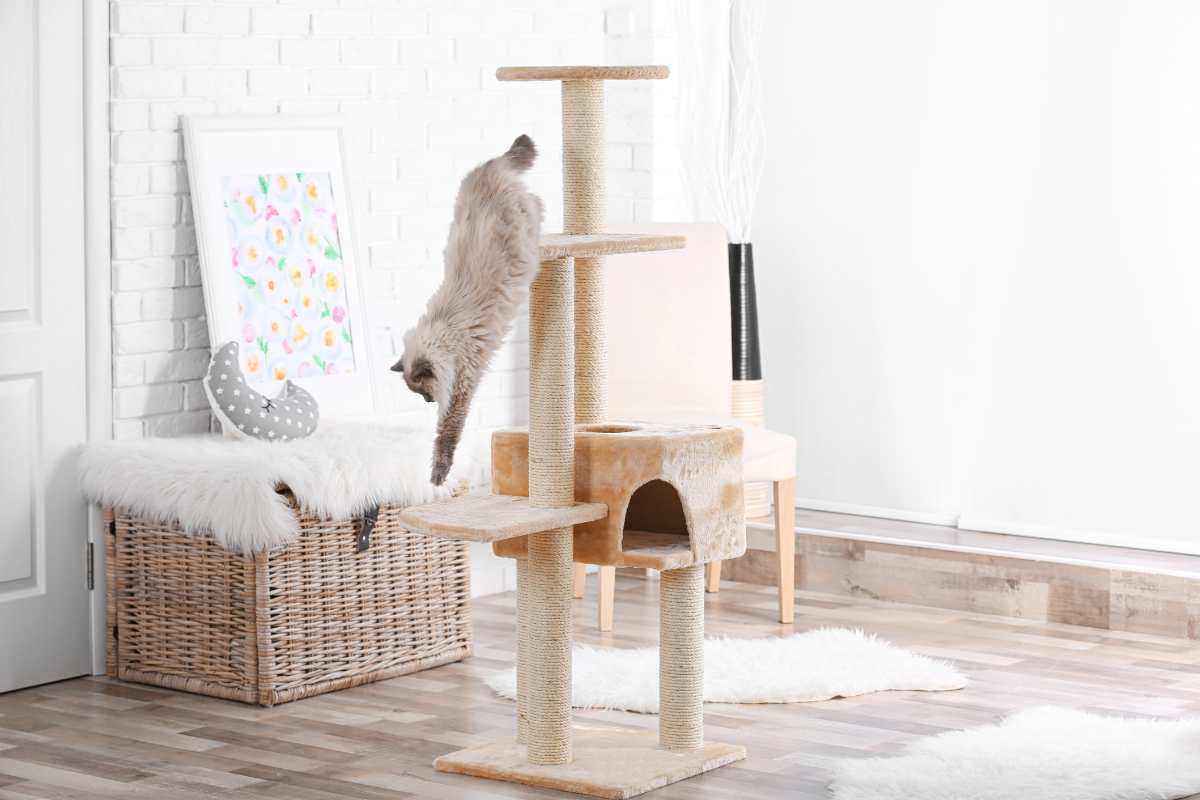
Cats sleep for a significant portion of the day, and they need a comfortable and cozy resting spot.
Invest in a soft bed in a quiet location to ensure your cat gets the rest they need.
20. Assuming Cats Don’t Need Training
Cats can be trained! Whether it’s teaching them to use the litter box, not scratch furniture, or come when called, cats respond well to training with patience and positive reinforcement.
It's never too late to start training your cat.
How to Be the Best Cat Owner
Being a responsible cat owner requires understanding your cat's needs and avoiding common mistakes that can impact their health and well-being.
By following these tips, you can ensure your cat leads a long, healthy, and happy life. If you’re a new cat owner or even an experienced one, taking the time to learn and improve your cat care routine can make a world of difference.
Don’t forget to share these tips with fellow cat lovers and keep up with regular vet visits to maintain your cat's health!
We hope you enjoy this video about Cats

Source: Jaw-Dropping Facts
Did you find this post useful or inspiring? Save THIS PIN to your Pets Board on Pinterest!

You may also like