
Decoding Your Feline Friend: A Guide to Understanding Your Cat's Behavior


Cats are some of the most beloved companions in many households around the world.
Known for their independent nature and unique personalities, understanding your cat's behavior can be a delightful yet sometimes puzzling experience.
In this guide, we'll decode the most common cat behaviors, offer expert insights based on the latest research, and provide practical advice on how to strengthen the bond with your feline friend.
Whether you’re a new cat owner or a seasoned one, this article will help you better understand your cat’s needs and how to respond to them.
The Science Behind Cat Behavior: How Research Explains Feline Actions

While cats have been domesticated for thousands of years, much of their behavior is still influenced by their wild ancestors.
In recent years, scientific research has deepened our understanding of feline cognition and emotions. Studies show that cats have a much more complex emotional range than once thought.
For instance, cats are capable of experiencing a variety of emotions, from joy and affection to fear and anxiety.
Do Cats Have a "Personality"?
One of the most fascinating aspects of cats is their unique personalities. Research has shown that cats, like humans, have individual temperaments.
Some cats are social butterflies, seeking interaction with their humans, while others are more reserved or independent.
This behavior is influenced by genetics, early experiences, and environment. Understanding your cat’s personality can help you determine how to best meet their needs and build a stronger relationship.
Vocalizations: Decoding Your Cat’s Meows, Purrs, and Hisses
Cats are communicators, but their methods of communication can be difficult for us to understand.
While we often think of dogs as vocal animals, cats also use a variety of sounds to express their emotions and desires.
Each sound has a different meaning, and understanding these vocalizations is key to knowing your cat better.
The Meaning Behind Your Cat’s Meows

Cats use meowing primarily to communicate with their human companions.
Unlike wild cats, who typically only meow to their kittens, domestic cats have learned to use this vocalization to communicate with their owners.
A short, rapid meow can signal excitement or a desire for attention, while a low, drawn-out meow might indicate hunger or frustration.
Purring: A Sign of Contentment or Anxiety?
Most people associate purring with contentment, and while that’s often the case, cats also purr when they’re anxious, in pain, or trying to calm themselves down.
Understanding the context in which your cat is purring can help you better gauge their emotional state. For example, if your cat purrs while snuggling with you, it’s likely a sign that they’re comfortable and content.
However, if they’re purring while hiding or acting defensively, it may signal distress.
Hissing and Growling: A Warning Sign
When cats feel threatened or cornered, they may hiss or growl to warn potential threats to stay away.
These vocalizations are a cat’s way of saying, "I’m scared" or "I’m not happy." Hissing is often accompanied by an arched back, fluffed tail, and wide eyes, which are clear signs that your cat feels uncomfortable or threatened.
If your cat hisses, it's important to assess their environment and remove any sources of stress or fear.
Body Language: Understanding What Your Cat is Telling You

While vocalizations are an important part of feline communication, cats also rely heavily on body language to convey their feelings.
Learning to read your cat’s posture, tail movements, and facial expressions can give you valuable insights into their emotional state.
Tail Position: A Window Into Your Cat’s Mood
Your cat's tail can tell you a lot about how they're feeling. A straight-up tail typically indicates a happy, confident cat, while a puffy, bristled tail signifies fear or aggression.
A tail flicking rapidly can indicate irritation, while a slow tail wag may mean they are focused or interested in something.
Ears: What’s Your Cat Saying?
The position of your cat's ears is another strong indicator of their mood.
Forward-facing ears suggest curiosity or friendliness, while flattened ears indicate fear, annoyance, or aggression.
If your cat’s ears are constantly swiveling, they are likely highly alert and listening to their environment.
Eye Contact and Dilated Pupils

Dilated pupils are often a sign of excitement or arousal, especially in dim lighting or during playtime.
On the other hand, if your cat stares at you with slow blinks, it’s often a sign of affection and trust. In fact, slow blinking is sometimes referred to as the “cat kiss,” a way for them to show they feel comfortable and safe with you.
The Role of Enrichment in Your Cat's Behavior
Cats are intelligent, curious creatures that need mental and physical stimulation to remain healthy and happy.
Without proper enrichment, cats may develop behavior issues such as excessive grooming, aggression, or destructive scratching.
Creating a Stimulating Environment
One of the best ways to keep your cat entertained is by providing them with plenty of toys and activities that encourage play and exploration.
For example, interactive toys such as laser pointers or feather wands can mimic hunting behaviors and help satisfy your cat’s instincts. Puzzle feeders can also challenge their minds and reward them with treats for solving puzzles.
Cat Trees and Scratching Posts
Scratching is a natural and essential behavior for cats. Not only does it help them maintain their claws, but it also serves as a way to mark territory.
Providing your cat with a scratching post or cat tree can help protect your furniture while giving them a space to stretch, scratch, and climb.

Health and Behavior: How Your Cat’s Health Affects Their Actions
A cat’s behavior is often linked to their physical health. Changes in behavior can sometimes indicate an underlying medical issue, so it’s important to be aware of any shifts in their habits or actions.
How to Spot Illness in Your Cat
If your cat suddenly becomes more lethargic, stops eating, or exhibits unusual behavior like excessive meowing or hiding, it could be a sign of illness.
Cats are experts at hiding discomfort, so subtle changes in behavior are often the first indication of a problem.
If you notice any sudden changes, it’s always a good idea to consult with a veterinarian to rule out health issues.
Stress and Anxiety in Cats
Just like humans, cats can experience stress and anxiety, especially when there are changes in their environment.
A new pet, moving to a new house, or changes in the household routine can all contribute to a cat feeling anxious.
Providing a safe space where your cat can retreat and offering calming products like pheromone diffusers can help ease their stress.
Building a Strong Bond: How to Respond to Your Cat’s Needs

As a cat owner, one of the most rewarding parts of having a feline companion is developing a strong, trusting bond. Understanding your cat’s behavior is key to building a relationship that’s both fulfilling and rewarding.
Respecting Their Boundaries
Cats are known for their independent nature, and they often appreciate having their own space. While some cats love cuddling and being petted, others prefer to be left alone for stretches of time.
Understanding and respecting your cat’s boundaries is crucial to fostering a positive relationship. If your cat shows signs of irritation, like flicking their tail or turning their head away, give them space and try again later.
Engaging in Playtime
Play is a great way to bond with your cat.
Engaging in regular play sessions not only helps keep your cat physically fit but also strengthens the bond between you two.
Playtime can be a great way for cats to expend energy and can help reduce stress and behavioral issues.
Conclusion: The Key to Understanding Your Cat’s Behavior
Understanding your cat’s behavior is essential for building a strong, trusting relationship.
By observing their vocalizations, body language, and overall behavior, you can better meet their emotional and physical needs.
With the help of enrichment activities, consistent routines, and respect for their boundaries, you can provide a loving and comfortable home for your feline friend.
Remember, every cat is unique, and building a relationship with them is a gradual process.
Be patient, observe their behavior, and respond with love and respect. This way, you can create a happy and fulfilling environment for both you and your cat.
We hope you enjoy this video about Cats
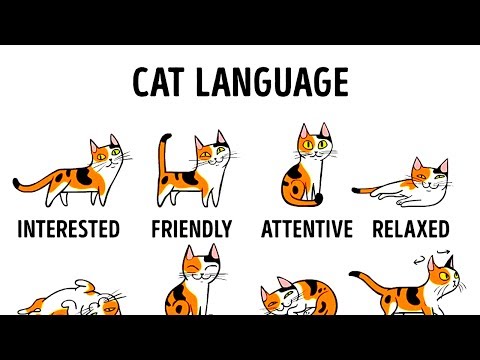
Source: BRIGHT SIDE
Did you find this post useful or inspiring? Save THIS PIN to your Pets Board on Pinterest!

You may also like