
- Urbaki Pets
- Pets
- Designing a Pet-Friendly Home for Seniors and Disabled Animals
Designing a Pet-Friendly Home for Seniors and Disabled Animals

11/08/2025 · Updated on: 14/08/2025

Caring for a senior pet or an animal with a disability is more than just love—it’s about creating a home that truly supports their comfort, health, and independence.
As pets age or face certain conditions, they may struggle with mobility, lose their senses, or experience chronic pain.
Spaces that were once safe and easy to navigate can suddenly become challenging or even risky.
In this guide, we’ll explore the most common issues pets face, why they happen, and practical ways to adapt your home so your furry companions feel secure, happy, and loved—without sacrificing style or warmth.
Problems to Watch For – and What to Do
As pets age or face disabilities, certain challenges can make daily life harder or even risky.
By understanding these issues—like mobility struggles, sensory loss, or chronic pain—you can take simple steps to make your home safer, more comfortable, and easier for them to navigate.
Mobility Issues

Pets with arthritis, hip dysplasia, joint wear, spinal problems, or muscle loss may find walking, climbing, or even turning a challenge.
You might notice your dog slipping on the floor, hesitating at stairs, or taking longer to rise.
Solutions: Place non-slip rugs or runners in key areas. Add low-incline ramps for beds, sofas, or cars. Choose orthopedic beds that are firm, low to the ground, and warm. Keep hallways wide and free from obstacles.
For cats, opt for low-entry litter boxes and ramps to reach favorite shelves instead of jumping.
Vision Loss

Senior pets can develop cataracts, glaucoma, or retinal degeneration, causing bumps into furniture or uncertainty with steps, especially in dim light.
Solutions: Keep furniture in consistent positions so pets can navigate by memory. Add tactile markers like small rugs or mats at doorways and stairs.
Ensure hallways are well-lit with soft lighting and use nightlights for nighttime safety.
Bowls and beds with contrasting colors help pets locate essentials more easily.
Hearing Loss
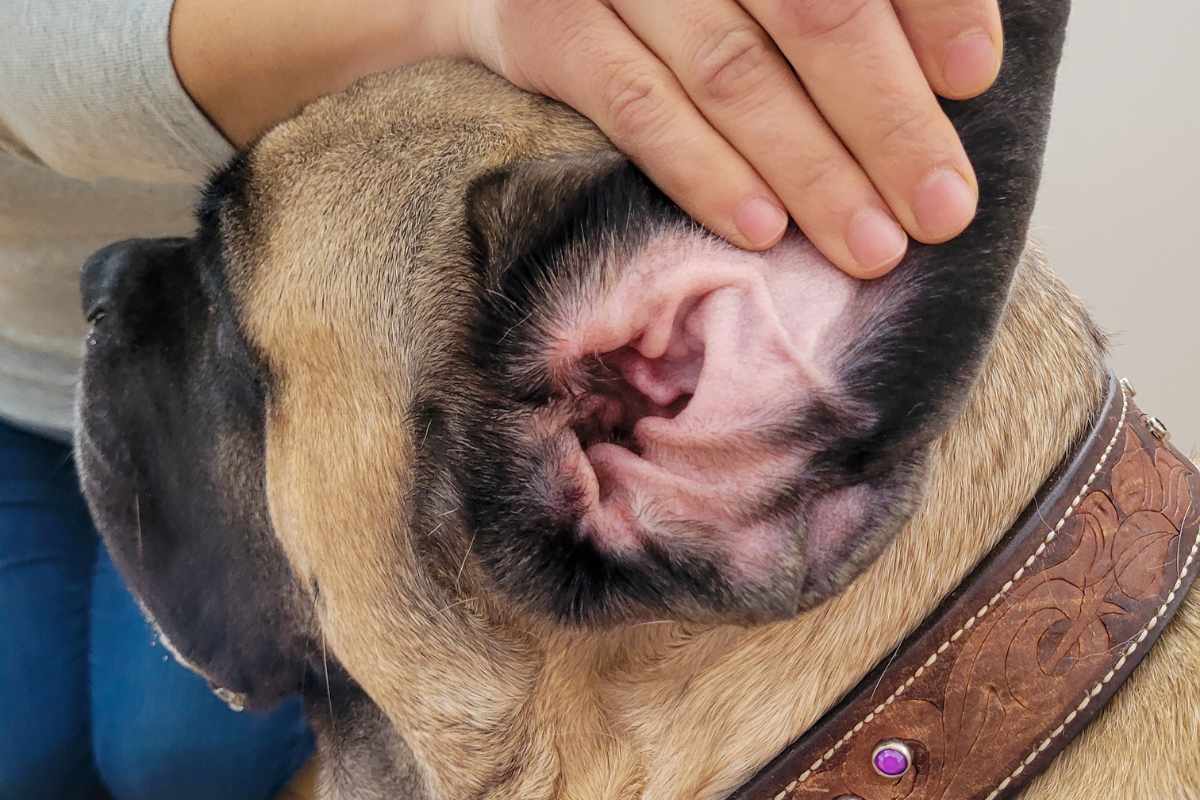
Older pets or those with chronic ear conditions may no longer respond to calls and can startle easily.
Solutions: Use visual cues, like a light flash or hand gestures, to communicate. Gentle vibrations—tapping the floor—can alert them to your presence.
Always approach from the front so they see you before you touch them.
Chronic Pain & Arthritis
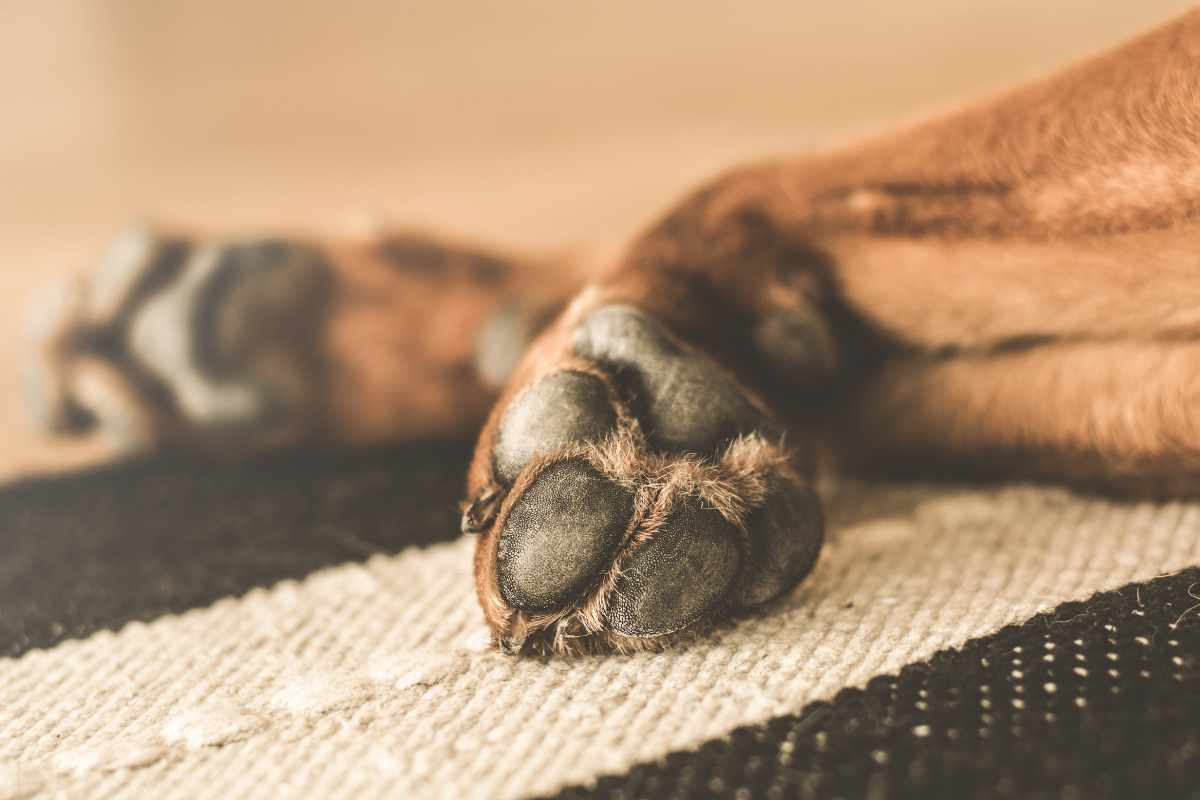
Joint inflammation and old injuries can make pets stiff or reluctant to jump, climb, or play.
Solutions: Provide soft but supportive beds in multiple areas. Consider low-heat warming pads if recommended by your vet.
Avoid cold or hard flooring in resting areas, and use ramps instead of stairs or jumps for favorite spots.
Incontinence
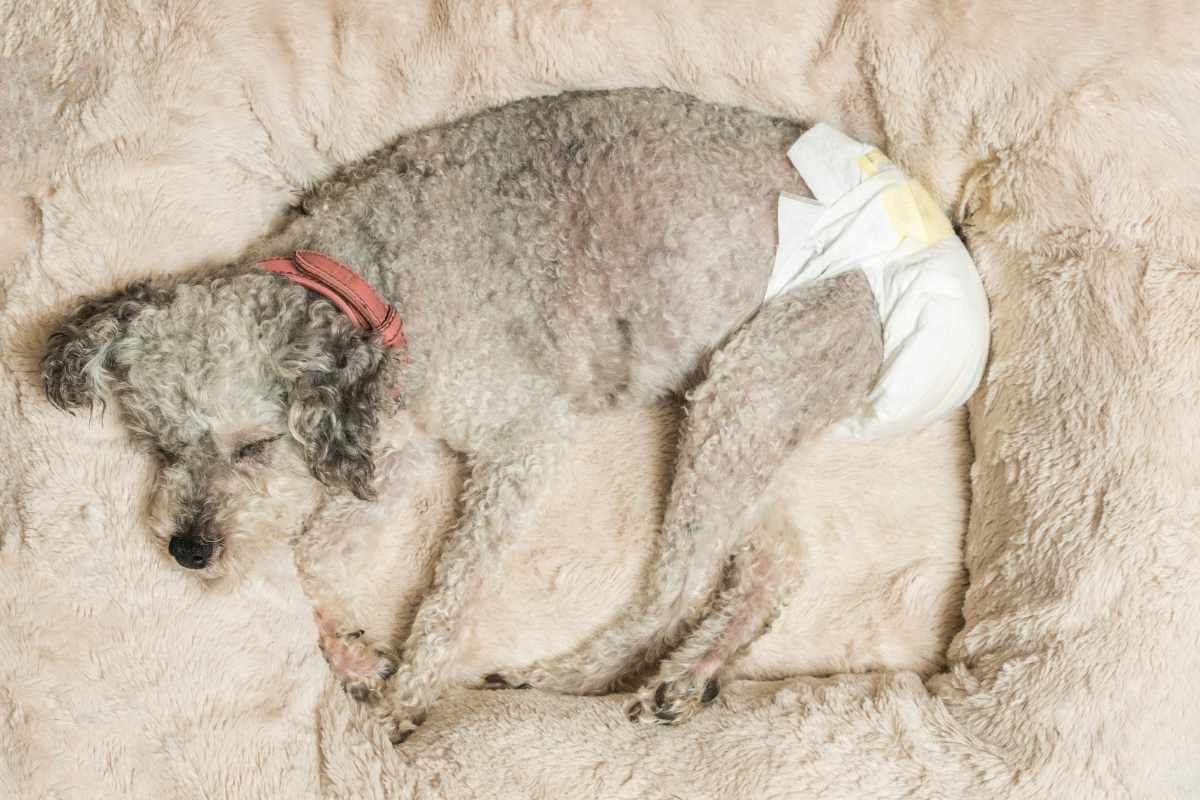
Age, weak muscles, or certain medical conditions can cause accidents.
Solutions: Use waterproof covers on bedding and furniture. For cats, provide multiple low-entry litter boxes; for dogs, consider pee pads or small grass patches.
Keep paths to these areas clear, and use enzyme cleaners to prevent repeat accidents.
Cognitive Decline

Pets experiencing confusion, nighttime wandering, or disrupted sleep cycles may be showing signs of age-related brain changes or dementia.
Solutions: Keep a consistent daily routine and familiar routes.
Create a quiet, safe resting area, add dim night lighting for evenings, and offer gentle mental stimulation with scent games, food puzzles, or short training sessions.
Common Mistakes That Make Life Harder (and How to Avoid Them)
Slippery floors → Add rugs or textured mats.
Beds or sofas too high → Provide ramps or low steps.
Strong scents → Stick to unscented cleaning products and good ventilation.
Constantly moving furniture → Keep the layout consistent.
Open stairs → Install barriers or railings with grip strips.
Difficult litter boxes or bowls → Switch to low-entry litter trays and raised feeders.
Style and Materials That Work
Pet-friendly homes don’t have to compromise on style. Choose washable, scratch-resistant fabrics like microfiber or canvas, and consider slipcovers for easy cleaning.
Rounded furniture edges reduce injury risk, and multi-functional pieces with storage keep toys, leashes, and medications organized.
Flooring should be safe and comfortable—textured vinyl, cork, or rubber provide non-slip surfaces and are easy to maintain.
Closed-weave rugs help manage hair and give pets soft spots to rest, while contrasting colors can guide visually impaired pets safely through the home.
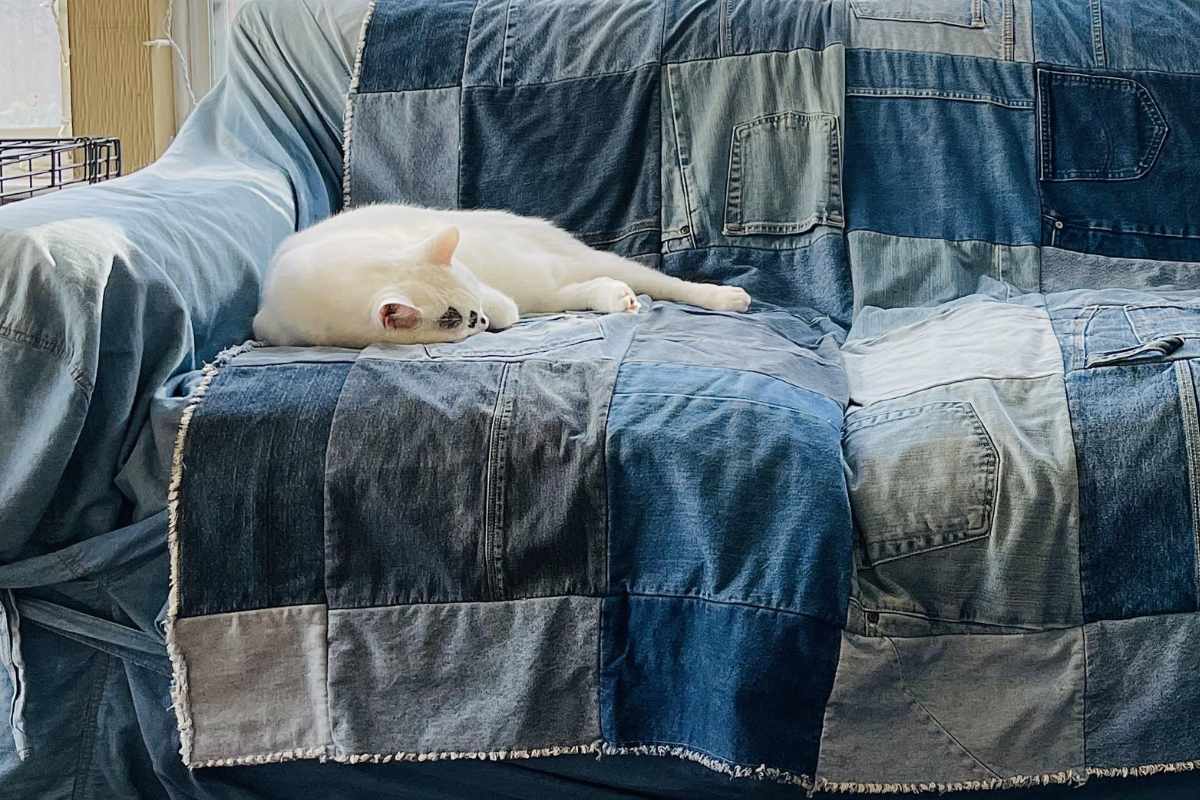
Conclusion: Turning This into a Simple Plan
Identify 2–3 challenges your pet faces today (slips, difficulty with stairs, disorientation).
Start with safety upgrades: traction, lighting, and clear paths.
Adapt rest and feeding areas: orthopedic bed, raised feeders, low-entry litter box.
Add one mental enrichment activity daily.
Check outdoor areas for hazards and improve access.
By focusing on small, manageable changes, you can create a home where your senior or disabled pet feels secure, comfortable, and loved every single day.
Did you find this post useful or inspiring? Save THIS PIN to your PETS Board on Pinterest!
Urbaki Editorial Team is the collaborative byline behind our pet-care guides. Our writers and editors turn evidence and real-life experience into clear, humane advice on training, wellbeing, nutrition basics, and everyday life with animals. Every article is planned, written, and edited by humans, fact-checked against reputable veterinary sources, and updated over time. This is an editorial pen name—see our Editorial Policy. Educational only; not a substitute for veterinary advice.
You may also like