
Differences Between Male and Female Dogs


When it comes to adopting a new dog, understanding the differences between male and female dogs can be an important factor in deciding which one best fits your lifestyle.
While there are some general behavioral differences, it’s crucial to remember that each dog is an individual, and gender is just one of many factors that can influence behavior.

General Behavioral Differences
While gender can have an impact on a dog’s personality and behavior, there are many other factors at play, such as breed, socialization, and age.
Here's a breakdown of some common differences observed between male and female dogs, but it's important to remember that these traits may not apply to every dog.
Male Dogs

Male dogs are often seen as more territorial and dominant, especially if they are not neutered. Neutering can help reduce this territorial behavior.
Male dogs may also be more affectionate and playful, but they can sometimes show more aggression towards other males, especially if they have not been socialized properly.
Many owners find that male dogs are more energetic and less likely to settle down easily. However, this is largely dependent on breed and training. It’s also worth noting that male dogs may mark territory more frequently, a behavior that can be reduced through neutering.
Female Dogs
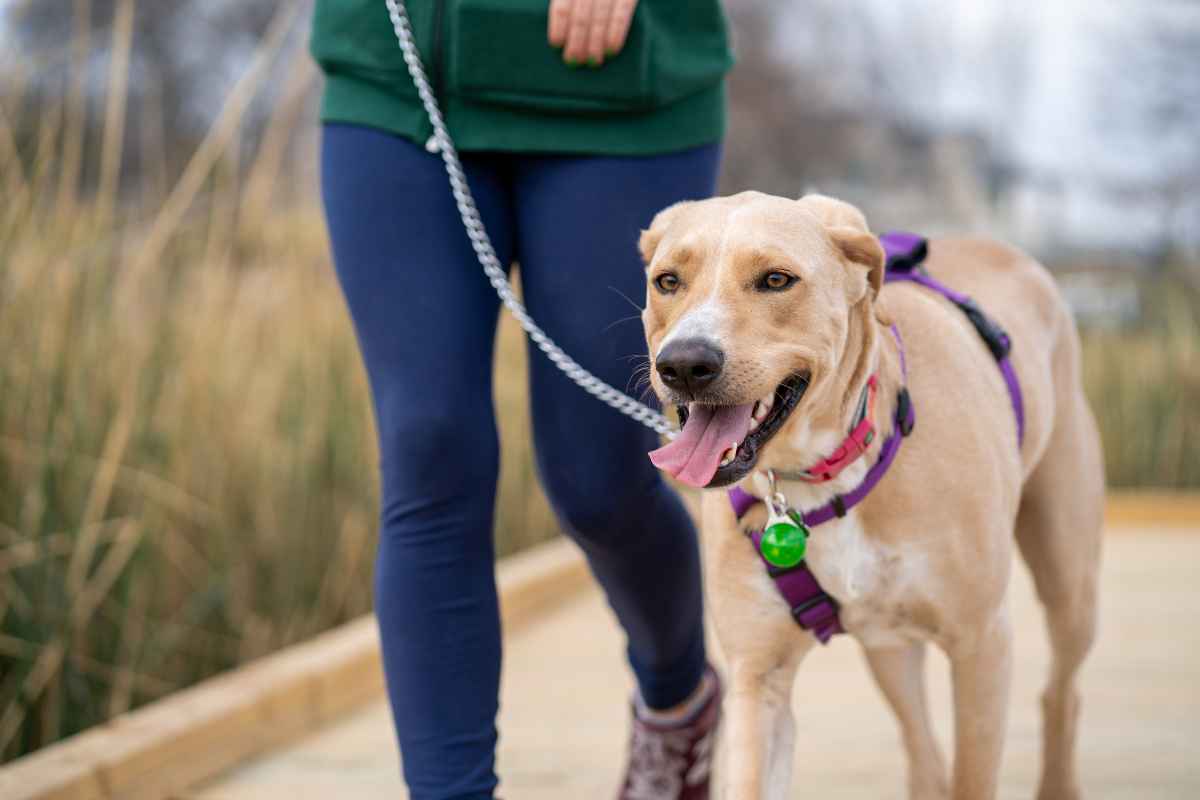
Female dogs are often considered to be more independent and protective of their home and family. Unspayed females can sometimes display more mood swings due to their estrus cycles, which can influence behavior.
However, after spaying, many of these behaviors tend to reduce.
Female dogs tend to have a more calm demeanor compared to males, especially as they get older. This is not always the case, as some females can be just as energetic and excitable as their male counterparts.
However, many owners find that females are often easier to train due to their focused nature.
| Aspect | Male Dogs | Female Dogs |
|---|---|---|
| Personality | More outgoing and social, often seeking attention. | Generally more independent and reserved, forming strong bonds. |
| Energy Levels | Higher energy, often playful throughout life. | Typically more calm and controlled as they mature. |
| Training | Can be stubborn or dominant, especially unneutered. | Usually more focused and easier to train. |
| Aggression | More likely to show territorial or aggressive behavior. | Less aggressive, but can be protective of their family. |
Spaying and Neutering: Effects on Behavior

One of the most significant factors influencing a dog’s behavior is whether or not they are spayed or neutered. Spaying and neutering can help eliminate certain unwanted behaviors, such as marking territory, aggression, and mood swings.
It's essential to note that spaying or neutering your dog is a personal choice, but it is often recommended by veterinarians to help with both health and behavioral issues.
Individual Variability: More Than Just Gender

While gender can influence a dog’s behavior, it is important to recognize that individual personality plays a significant role in how a dog behaves. Factors such as early socialization, training, and life experiences have a much larger impact than gender alone.
For example, a male dog that was poorly socialized as a puppy may display signs of aggression or territorial behavior regardless of his gender.
Similarly, a female dog that has been trained properly and received plenty of socialization may have the same friendly and playful behavior as a male dog.
Breed-Specific Behaviors

It's also crucial to consider that breed is one of the most important factors when it comes to understanding dog behavior. Some breeds are naturally more protective, while others are more affectionate or independent.
For example, herding breeds may be more territorial, while companion breeds may be more gentle and sociable.
Always keep in mind that while gender can play a role in a dog’s behavior, the breed and environment should always be prioritized when making a decision about the best pet for you.
It's Not Just About Gender: Choosing the Right Dog for You
In conclusion, the differences between male and female dogs are not as black and white as they may seem. While gender can impact certain behaviors, it’s important to consider the breed, socialization, and individual personality of the dog.
Spaying and neutering can significantly affect behavior, but it's ultimately the combination of various factors that shapes how a dog behaves.
Ultimately, when deciding between a male or female dog, the best approach is to consider your lifestyle, the specific breed you're interested in, and the individual dog's temperament.
Enjoy This Video About Dogs

Source: Jaw-Dropping Facts
Did you find this post useful or inspiring? Save THIS PIN to your Pets Board on Pinterest! 😊

You may also like