
Equine Whispers: Decoding Subtle Stress Signs in Your Horse


Understanding the emotional state of your horse is crucial for building a healthy relationship. Horses are not only physically sensitive but also emotionally intelligent, expressing their feelings through subtle signs.
While they may not communicate verbally, horses give off cues that indicate their stress levels. This article will help you decode these signs, ensuring you can provide better care and improve your connection with your equine companion.
Recognizing Subtle Stress Signs in Horses

Horses, like humans, experience stress, and it's vital to recognize when they are feeling overwhelmed. While major signs like aggressive behavior or injury are easier to spot, stress often manifests in more subtle ways.
These signs are often missed by inexperienced caretakers, leading to undiagnosed problems that could worsen over time.
1. Facial Expressions and Eye Movements
Horses are highly expressive animals, and their face can reveal a lot about their emotional state.
Tension in the Jaw: A tense or clenched jaw can indicate stress or discomfort. You may notice the horse tightening its jaw or grinding its teeth, often a sign of frustration or anxiety. This can also be linked to pain, especially in the mouth or teeth.
Wide Eyes and Rapid Blinking: If your horse's eyes are wide open or exhibit rapid blinking, it could be a sign of discomfort or anxiety. Horses often widen their eyes when startled or stressed. Prolonged eye strain or dilation may indicate underlying issues.
Ear Position: The position of a horse’s ears can tell you a lot about their mood. Ears laid flat against the neck often signal anger or fear, while ears that flicker or move in all directions may indicate nervousness or unease.
2. Body Language

A horse’s body language speaks volumes. From their posture to their movements, these subtle cues should never be overlooked.
Tensed Muscles: When a horse is stressed, you may notice their muscles becoming stiff or rigid. Tension in the neck, back, or legs can signal that the horse is feeling anxious or uncomfortable.
Tail Position: A high, stiff tail may indicate alertness or tension, whereas a tail that is tucked between the legs can be a sign of fear or submission. A relaxed, low tail often signals contentment.
Constant Movement: If your horse is pacing or constantly shifting weight from one foot to another, they could be experiencing anxiety or frustration. Horses are creatures of habit and need routine, so disruptions can lead to stress.
3. Behavioral Changes
Changes in your horse’s normal behavior can also point to stress. These might be difficult to spot at first, but by paying attention to the horse’s actions over time, you can detect these changes early on.
Avoidance or Aggression: A normally friendly horse may suddenly become aggressive or shy away from interaction. This could be caused by stress from a change in environment or routine, or it could signal discomfort from an injury or illness.
Decreased Performance: If your horse is underperforming in training or showing reluctance to engage in activities they once enjoyed, it could be a result of emotional stress. This change is often linked to fear, anxiety, or physical discomfort.
Increased Vocalization: Horses are generally not vocal animals, but some may whinny or whicker excessively when stressed. Increased vocalization can be a cry for attention or an indication that something is wrong in their environment.
4. Physical Symptoms

Stress can also take a toll on a horse's physical health. These symptoms may be subtle but should not be ignored.
Elevated Heart Rate and Breathing: Stress causes the body to go into "fight or flight" mode, which can result in an increased heart rate and rapid breathing.
If your horse is breathing heavily after moderate exercise or seems to be having difficulty catching its breath, stress may be a contributing factor.
Sweating: Excessive sweating, especially without any physical exertion, can be a sign that your horse is experiencing anxiety.
This type of stress sweat is different from the sweat that naturally occurs during exercise and usually indicates emotional or psychological distress.
Loss of Appetite: A stressed horse may lose interest in food, resulting in a decrease in appetite or changes in eating habits. This can be particularly concerning if it persists over time, as it can lead to weight loss or nutritional deficiencies.
5. Changes in Coat Condition
The condition of a horse’s coat can also be an indirect indicator of stress. Stress impacts the horse’s overall health, which in turn affects the coat’s shine and texture.
Dull Coat: If a horse’s coat appears lackluster or rough, it could indicate a stress-related imbalance in the horse’s system, such as nutrient deficiencies or hormonal imbalances.
Patchy Coat or Hair Loss: Prolonged stress can cause a horse to lose hair in patches. This can be especially common around the mane or tail, where the horse may rub excessively in response to anxiety.
Common Causes of Stress in Horses

Horses experience stress for a variety of reasons. Understanding these causes can help you prevent and manage stress more effectively.
1. Pain or Injury
Undiagnosed pain can cause a horse significant distress. Conditions such as arthritis, colic, or ulcers can cause chronic discomfort, making it difficult for the horse to relax.
Pay attention to any signs of lameness, reduced appetite, or behavioral changes, which could indicate an underlying issue.
2. Changes in Routine
Horses are creatures of habit, and they thrive in environments with predictable schedules. Significant changes to their routine, such as moving to a new barn, changing trainers, or altering their feeding schedule, can be stressful.
Additionally, new horses introduced into the herd may lead to social stress and tension.
3. Improper Training Methods

Harsh or inconsistent training techniques can cause psychological stress in horses. Negative reinforcement, such as punishment or excessive pressure, can create anxiety, making it difficult for the horse to trust its handler.
It’s important to use positive reinforcement methods that promote confidence and understanding.
4. Environmental Stress
Horses can also experience stress from environmental factors such as poor weather, loud noises, or unfamiliar surroundings.
Horses that are kept in isolation or deprived of social interaction with other horses may experience loneliness, which leads to emotional distress.
How to Manage and Reduce Stress in Your Horse

Once you recognize the signs of stress in your horse, it's time to take action. Addressing the root cause of stress and creating a more supportive environment is key to helping your horse feel at ease.
1. Provide a Comfortable and Familiar Environment
Ensure that your horse’s environment is as comfortable and familiar as possible. Make sure they have access to clean water, nutritious food, and a clean stable.
If your horse is kept in a paddock, ensure they have enough space to roam and interact with other horses.
2. Establish a Consistent Routine
Horses thrive on routine. Try to feed, exercise, and interact with your horse at the same times each day. Regular grooming sessions and quiet time together can also help your horse feel more relaxed.
3. Gentle Training Techniques

Use gentle, consistent training techniques that prioritize positive reinforcement over punishment. Building trust with your horse through patience and clear communication will reduce anxiety and help them feel more confident.
4. Physical Care and Veterinary Attention
Regular veterinary check-ups are essential to ensure that your horse is not suffering from any undiagnosed physical problems. If your horse is showing signs of stress or discomfort, consult a vet to rule out medical conditions.
5. Stress-Relief Activities
Incorporating stress-relieving activities into your horse's routine can be beneficial. Activities like slow, relaxing walks, massage therapy, or even aromatherapy can help your horse relax and de-stress.
Conclusion: A Holistic Approach to Horse Care
Recognizing and managing stress in horses requires a holistic approach that combines environmental adjustments, careful monitoring of behavior, and ongoing physical care.
Understanding the subtle signs of stress and taking proactive steps to address them will help ensure your horse’s physical and emotional well-being.
By tuning into the "whispers" of your horse and acting on them, you can foster a deeper bond and provide the care and support your equine friend needs to live a happy, healthy life.
Remember, your horse is not just a companion—it's a sensitive creature whose needs go beyond the physical. Recognize their emotional needs, and you’ll both thrive together.
Enjoy The Video About Horses
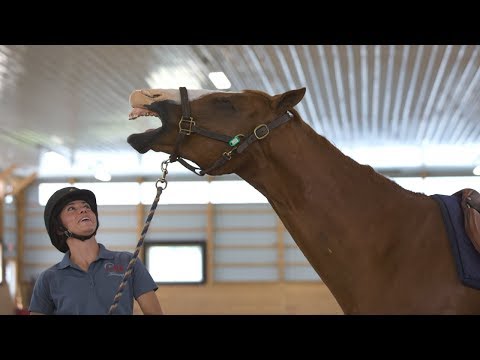
Source: HorseClass
Did you find this post useful or inspiring? Save THIS PIN to your Pets Board on Pinterest!

You may also like