
- Urbaki Pets
- Horses
- Essential Winter Horse Care Tips
Essential Winter Horse Care Tips

22/03/2024 · Updated on: 22/10/2026

As winter rolls in, it’s crucial to provide your horse with the care it needs to stay healthy, comfortable, and safe throughout the colder months.
The drop in temperature can pose several challenges, but with the right precautions, your horse can thrive during this season.
Here, we will dive into essential tips for winter horse care that will help you ensure their well-being, from proper feeding to maintaining their comfort in harsh weather conditions.
Feeding Your Horse in Winter
Adjusting Their Diet for Cold Weather
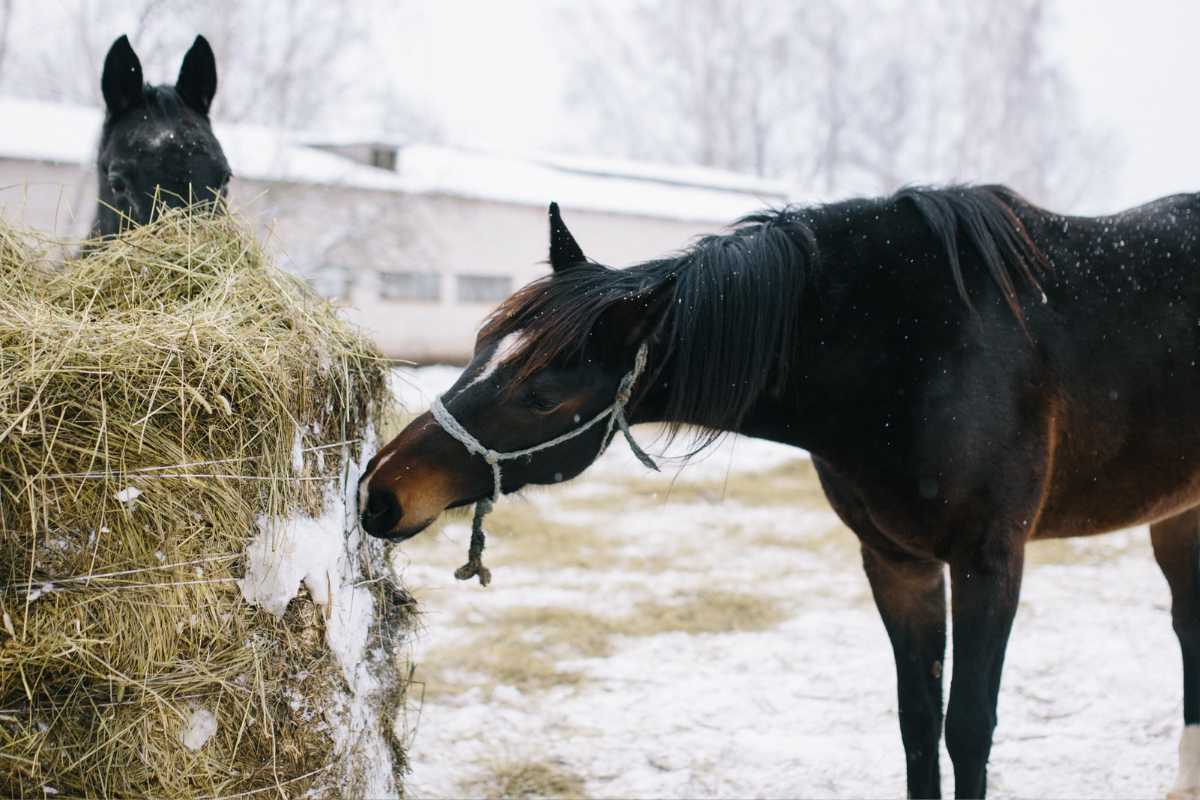
During the colder months, horses need more calories to maintain their body temperature. Forage is the primary source of energy for horses in winter, and increasing its intake is key.
Provide them with quality hay that is free from mold or dust. A good rule of thumb is to give your horse between 1.5% and 2.5% of their body weight in forage daily. For example, a 1,000-pound horse should consume 15 to 25 pounds of hay each day.
Additionally, winter tends to reduce the availability of fresh grass, making supplemental feeding essential.
You may consider adding grains or vitamins to their diet to ensure they receive the nutrients they need, but always do this gradually and consult with a veterinarian to avoid digestive issues.
Water Intake: Don’t Forget Hydration
It’s easy to overlook water intake in winter, but it’s just as important as during the summer months. Cold water can discourage horses from drinking, which can lead to dehydration, colic, and kidney problems.
Try offering lukewarm water or heated water buckets to make it more appealing. Make sure that water sources do not freeze over by checking and refilling them regularly.
Providing Nutritional Supplements
If your horse is aging or has special health concerns, wintertime is an excellent opportunity to provide supplements that support joint health, digestion, and coat condition.
Omega-3 fatty acids and probiotics can enhance your horse's immune system and keep their coat shiny and healthy despite the cold. Again, always check with a vet before adding new supplements to your horse's routine.
Creating a Warm and Comfortable Shelter
Proper Shelter Against the Cold
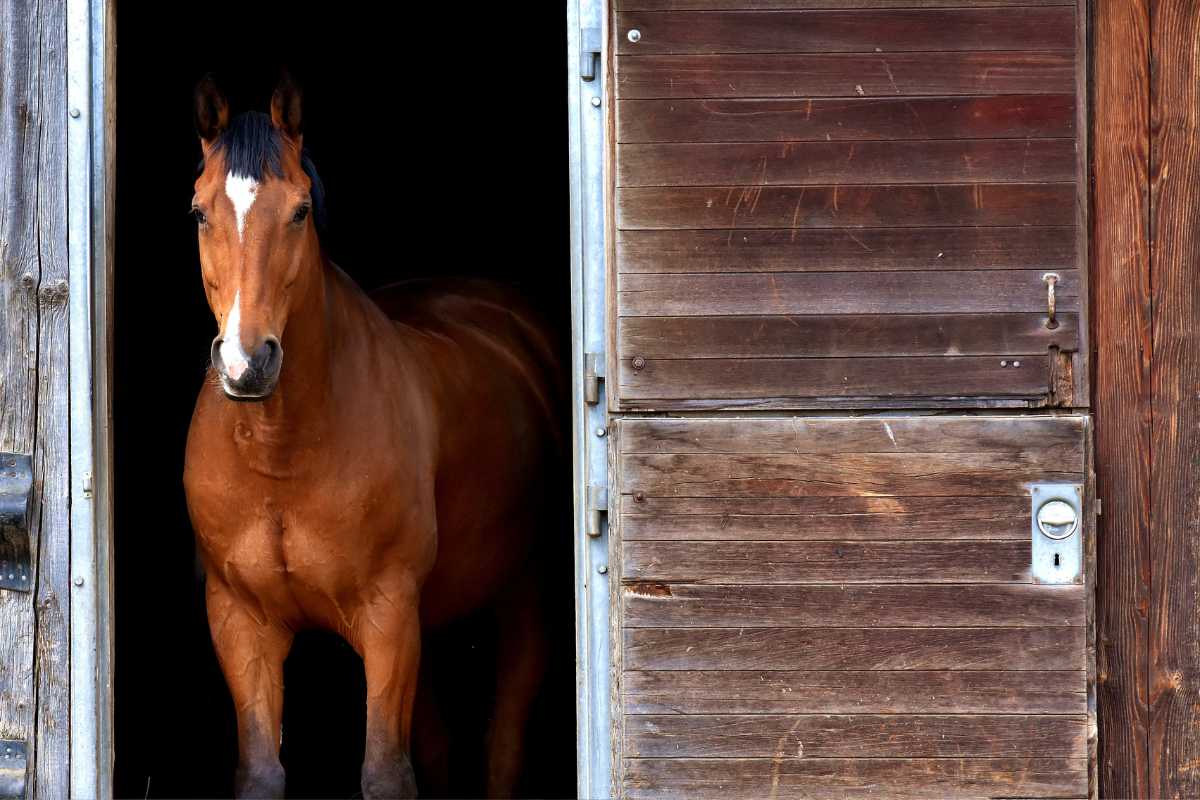
Horses need a safe and sheltered space to escape the elements. In winter, it's essential that they have access to a windproof and waterproof shelter.
Even though horses have a natural ability to withstand cold weather with their coats, they are vulnerable to wind and wet conditions, which can lead to illness or stress.
Make sure your barn or shelter has adequate ventilation to reduce moisture buildup, which can cause respiratory issues.
It's important to strike a balance between warmth and airflow — a well-ventilated area will help keep your horse comfortable while preventing respiratory problems like pneumonia.
Bedding and Comfort
The bedding inside the shelter should be dry, clean, and comfortable. Straw and shavings work well as bedding, as they help to insulate your horse from the cold floor.
Ensure that the bedding is fluffed up and regularly changed to keep it from becoming damp, as wet bedding can lead to thrush or other hoof infections.
Protecting From the Elements
If your horse is turned out in a paddock or pasture during the winter, make sure there are areas where they can find refuge from the wind and rain, such as windbreaks or natural shelters like trees or hedges.
If you're concerned about your horse's exposure to extreme weather, you might consider using a horse blanket for added protection, especially for those with thinner coats or older horses who may be more vulnerable.
Maintaining Hoof Health
Daily Hoof Inspections
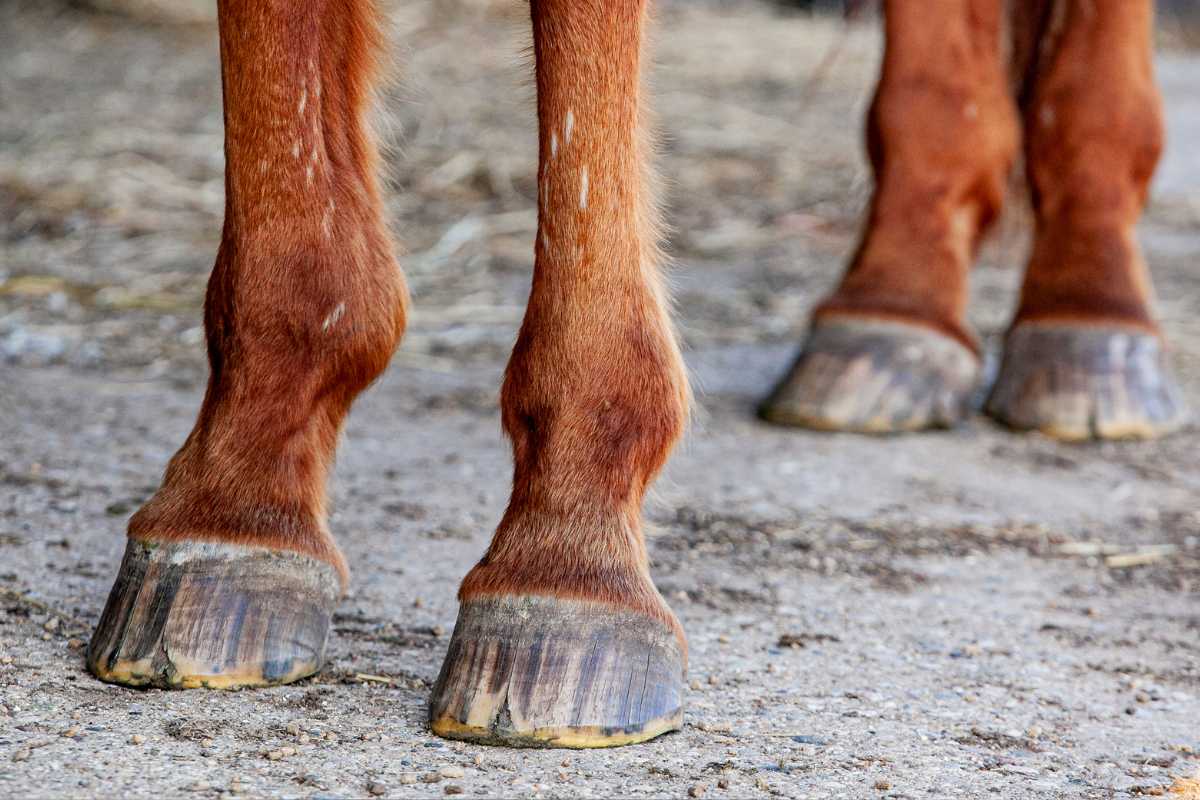
The winter months are hard on a horse's hooves. Wet conditions and freezing temperatures can cause cracks and hoof rot, so it’s vital to inspect hooves daily.
After they’ve been outside, clean their hooves thoroughly to remove snow, ice, and debris, which can cause discomfort or even injury.
Trimming is just as important in winter as it is in warmer months. Schedule a visit from your farrier to ensure your horse’s hooves are properly maintained and that there is no excess growth that could affect their movement or balance.
Using Hoof Protection
If the ground is covered with snow or ice, or if you're working your horse on frozen surfaces, consider using hoof boots or protective shoes to prevent injury.
This extra layer of protection can help absorb the shock of hard, frozen ground and prevent slipping.
Ensuring Adequate Exercise and Mental Stimulation
Keep Your Horse Active
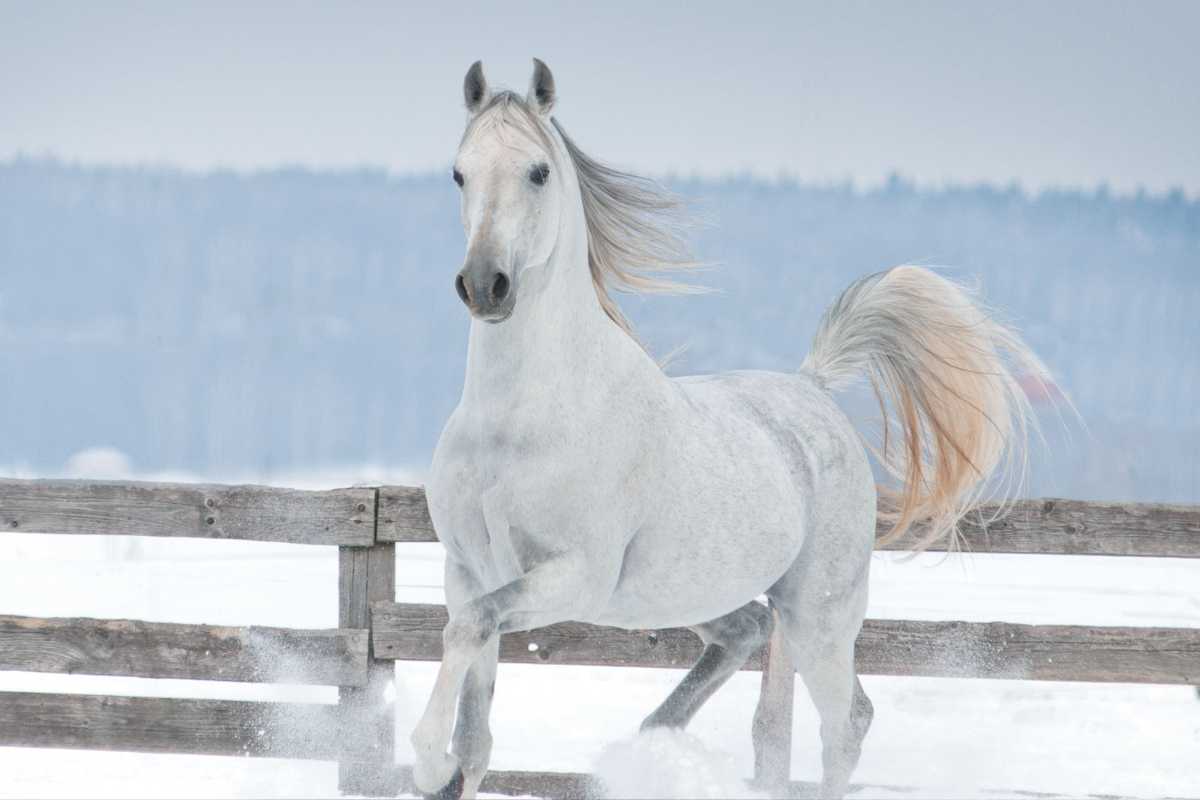
Even during the cold months, exercise is important for your horse's physical and mental well-being. A daily routine of exercise helps keep your horse in shape and prevents boredom.
Depending on the weather conditions, you can opt for lunging, groundwork, or riding in an indoor arena if available.
If the outdoor conditions are too harsh for riding, try taking your horse for a walk or doing some light groundwork that will keep them mentally engaged and physically active. Always be mindful of icy patches that could cause accidents.
Provide Mental Stimulation
Horses are intelligent animals and need mental stimulation to stay happy and healthy. In winter, consider introducing puzzle feeders or toys that encourage problem-solving.
You can also rotate toys or offer different activities every few days to keep things interesting for your horse.
Adapt Your Training to Weather Conditions
If riding outdoors is not an option due to heavy snow or icy conditions, adjust your routine by incorporating indoor training such as ground exercises or lunge work.
You can also increase your horse's turnout time, provided the ground is safe, as being outside in the fresh air can reduce stress.
Grooming and Coat Care
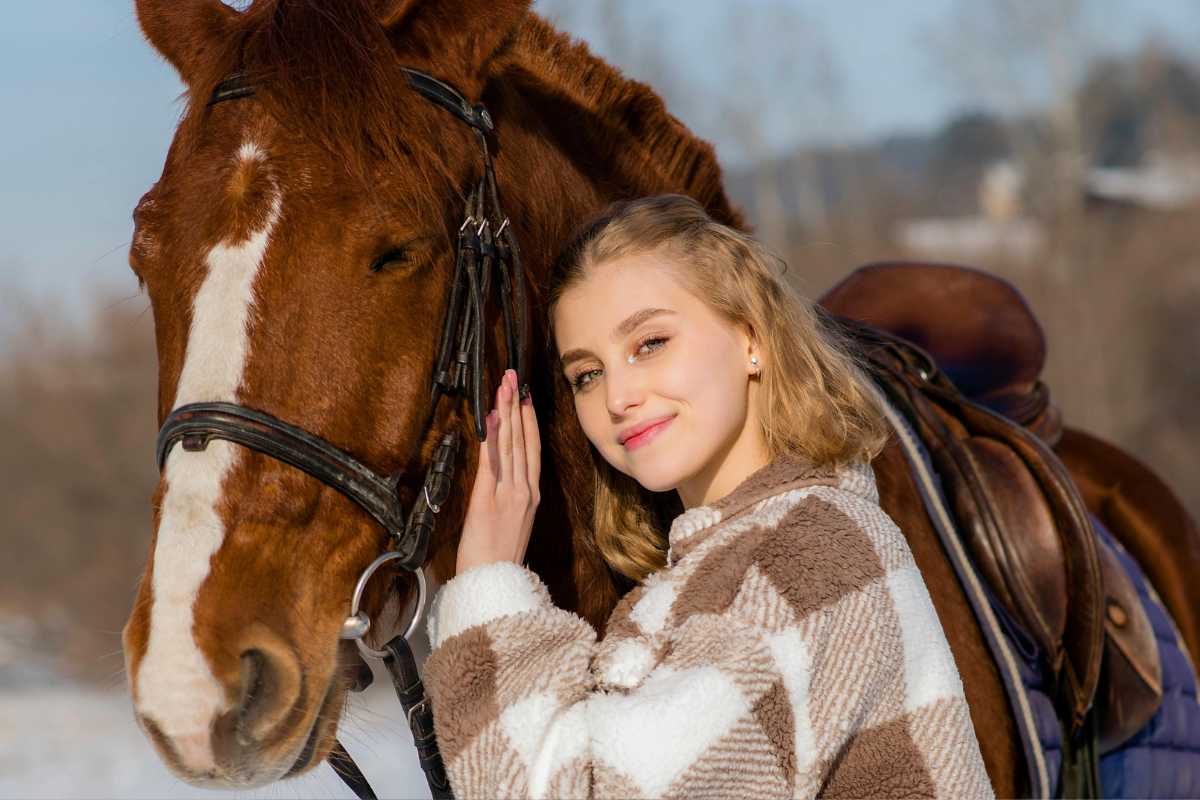
Winter Coat Maintenance
A thick winter coat is natural for horses, but it requires special care during the colder months. Horses with longer coats will shed dirt more easily, but it’s important to continue grooming regularly to prevent matting.
Curry combs and dandy brushes are excellent tools for removing loose hair, dirt, and sweat.
However, be cautious of grooming too much if your horse has a thin coat or needs extra warmth. If your horse is blanketed, adjust the amount of grooming to avoid removing the insulating layer of hair that helps keep them warm.
Bathing in Winter
While it’s essential to keep your horse clean, avoid giving them a full bath in freezing temperatures unless absolutely necessary. If your horse does get dirty, spot cleaning is a better option.
Ensure your horse is completely dry before they go back into the cold to prevent them from getting chilled.
Use Blankets When Necessary
If your horse is not accustomed to winter weather, consider using a horse blanket to provide extra warmth. However, not all horses need blankets, especially those with thick coats.
If you choose to blanket your horse, ensure the blanket fits properly, is waterproof, and is changed regularly to avoid any irritation or rubbing.
Conclusion: Winter Care for a Happy, Healthy Horse
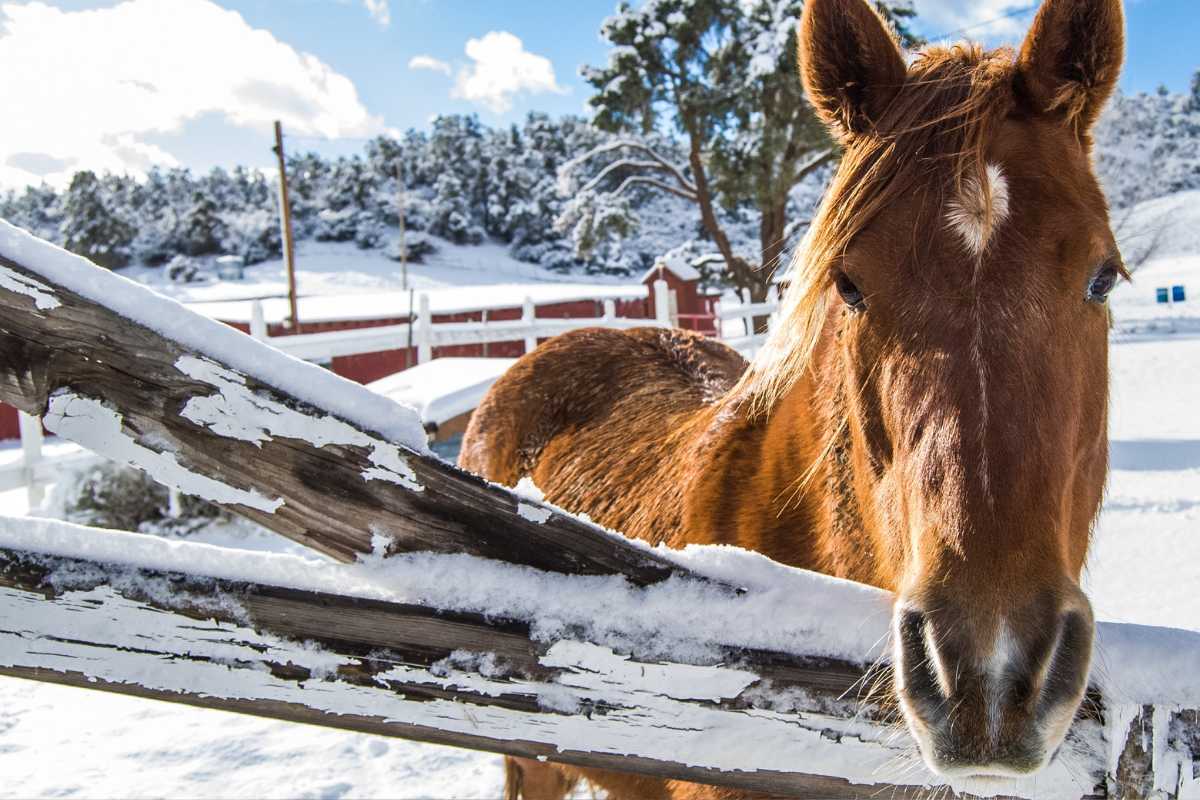
Taking care of your horse during the winter months involves more than just keeping them warm.
It’s about ensuring they have the proper nutrition, shelter, exercise, and grooming to remain healthy and happy despite the challenges cold weather brings.
By following these essential winter horse care tips, you can help your horse stay comfortable, safe, and in excellent condition throughout the season.
With attention to detail and the right care, winter can be just another season for your horse to enjoy. Don’t forget to monitor their health closely and adjust their care routine as needed. Winter is just one chapter in the life of a happy, well-cared-for horse.
Enjoy The Video About Horses

Source: This Esme
Did you find this post useful or inspiring? Save THIS PIN to your Pets Board on Pinterest!
I'm Amy, and my home has always been full of animals: dogs, cats, a very opinionated parrot and more hamsters than I can count. I'm not a veterinarian, just a lifelong pet lover sharing practical care tips, fun facts and ideas for all kinds of pets. For anything health-related, always check with your vet.
You may also like