
Feathered Fun: 3 DIY Foraging Toys for Your Bird in Minutes


Your bird isn’t bored—your bird is brilliant. In the wild, parrots spend hours searching, shredding, and solving.
At home, that curiosity has nowhere to go, which is why foraging is the single most powerful enrichment you can add to your routine.
These DIY bird foraging toys take only a few minutes, cost almost nothing, and work beautifully for budgies, cockatiels, lovebirds, conures, and other small parrots.
Expect less restlessness, fewer attention-seeking screams, and a happier, busier companion.
What Foraging Really Does for Your Bird
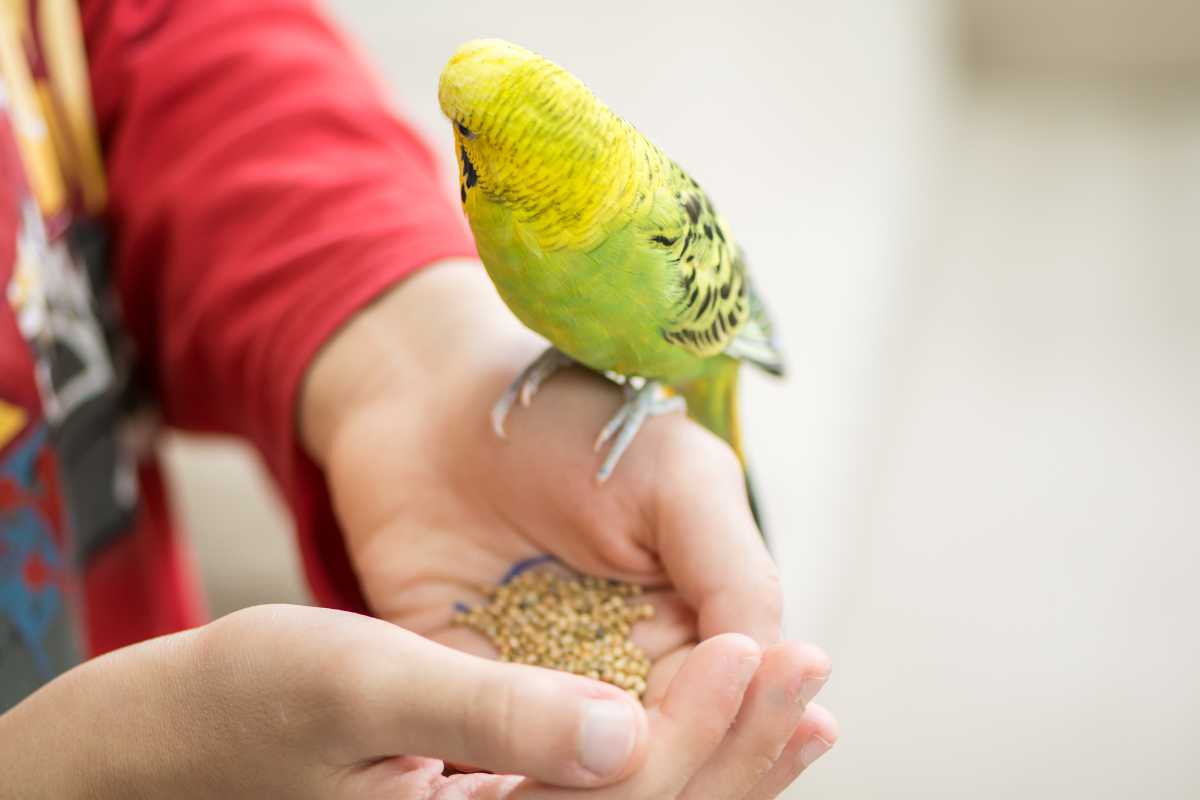
Foraging channels natural instincts into safe, bite-sized “puzzles.” It slows down eating, stretches problem-solving muscles, and replaces random chewing with purposeful play.
Birds that work for part of their diet often show better feather condition, steadier moods, and more confident exploration. It’s not a gimmick—it’s a humane way to let your parrot be a parrot.
Bird-Safe Materials at a Glance
Safe Picks That Keep Things Simple
Choose plain cardboard, kraft paper, paper towels, paper muffin liners, uncoated paper cups, and cotton, sisal, or jute twine that’s undyed and unscented.
Small wooden beads or blocks made for birds are fine, and so are stainless-steel hardware parts designed for avian toys. If you add color, use bird-safe vegetable-based dyes or skip color altogether.
What to Skip Every Time
Avoid pressure-treated or aromatic woods (like cedar), zinc-coated metals, rubber bands, frayed synthetic rope, adhesives, glues, tapes, and colored inks you can’t verify as food-safe.
If you’re using egg cartons, stick to new, clean paper cartons and discard them after use to prevent moisture buildup or contamination.
Prep and Presentation Notes
Keep pieces large enough to prevent accidental swallowing, trim any long filaments or threads, and supervise new toys. The goal is shred, search, succeed—not frustration.
Foraging Toy #1: The Cardboard Foraging Roll
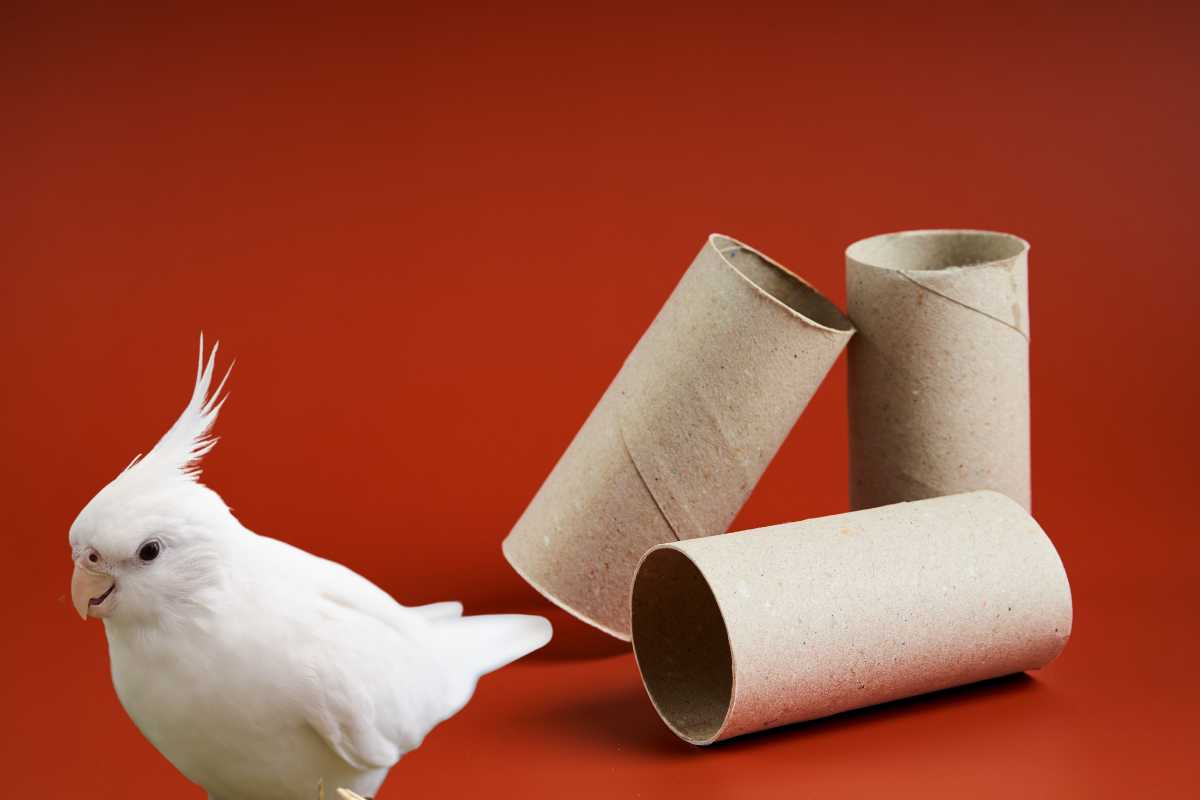
This effortless classic turns a humble tube into a puzzle with levels. Tuck a few pellets, millet sprays, or tiny nut slivers inside, add gentle blockers (paper twists or muffin liners), and let your bird investigate, tug, and tear.
- Best for: Budgies and cockatiels love it; conures turn it into a shredding fiesta.
- Time & cost: About 1–2 minutes, essentially free.
- Difficulty dial: Start with ends partially open so the reward is visible. As confidence grows, compress paper more densely or make small peek holes to scent-tease without revealing the whole treat.
- Why it works: The tube provides resistance and a satisfying crunch, mimicking the feel of bark or seed heads. Birds get auditory feedback (the rip) and tactile payoffs (the pull), which keeps the loop rewarding.
Variations:
Slide the roll over a perch or hang it with sisal to bring the puzzle higher, encouraging climbing and balance.
Nest a mini roll inside a larger sleeve to add a second layer your bird must breach.
Foraging Toy #2: The Woven Paper Braid
Think of this as a soft, flexible puzzle rope. Braiding paper strips creates pockets, folds, and tension points where tiny rewards can “hide.” Birds must pry, pinch, and preen the weave to earn each crumb.
- Best for: Birds that adore preening and weaving—cockatiels, lovebirds, and budgies thrive on the fine motor work.
- Time & cost: 3–4 minutes, still virtually free.
- Difficulty dial: Keep the braid loose at first so treats peek out; tighten the weave as your bird masters the idea.
- Why it works: The weave encourages beak tip precision and gentle pulling, great for cautious birds who need early wins without overwhelming resistance.
Variations:
Thread the braid through a stainless-steel skewer made for bird toys to suspend it and encourage vertical foraging.
Introduce textures—alternate smooth paper with corrugated strips to create new mouthfeel cues and keep curiosity high.
Foraging Toy #3: The Egg Carton Treasure Box
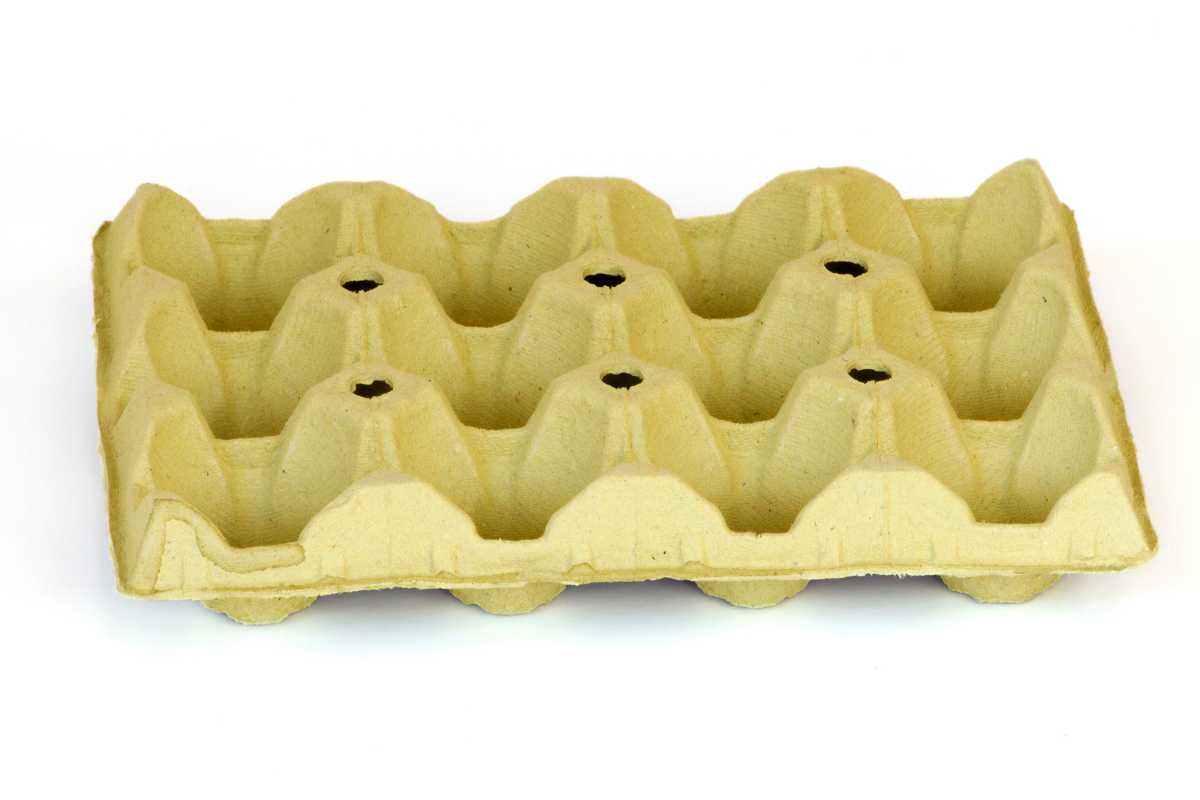
A compact, compartmentalized box that invites nosey exploration. Place safe tidbits in a few wells, cap them with paper, and close the lid so your bird lifts, tears, and checks each chamber.
- Best for: Conures and curious cockatiels that enjoy lifting and levering objects.
- Time & cost: 2–3 minutes, free if you keep new, clean paper cartons on hand.
- Safety note: Use only unused paper cartons, remove if damp, and discard after a session.
- Difficulty dial: Start with single-layer paper caps over the wells, then stack two thin layers or press a liner plug in place for more challenge.
- Why it works: The carton offers a clear search pattern—open, check, repeat—while the paper seal provides the right amount of “small victory” resistance to keep engagement high.
Variations:
Hide one high-value reward and several low-value ones to create a jackpot moment that reinforces persistence.
Punch tiny scent vents so aroma teases the solution without giving it away visually.
Adjusting Difficulty Without Frustration
Your bird should win often, but not instantly. Keep the success rate high by changing only one variable at a time: visibility, compression, thickness, height, or treat value.
Gauge engagement window—for most small parrots, 3–8 minutes of focused foraging per toy is a sweet spot. If they breeze through in seconds, add a layer or elevate the toy; if they ignore it, make the reward obvious and reduce resistance.
Cleaning, Rotation, and Safety Checks
Rotate toys every few days to keep novelty alive. Paper and cardboard options are single-session: remove once shredded or damp. Inspect hanging elements for frays; trim or retire at the first sign of dangerous threads.
Wipe nearby perches where paper dust collects, and keep the foraging zone well-lit and stable so your bird feels secure while experimenting.
Quick Picks by Bird Type
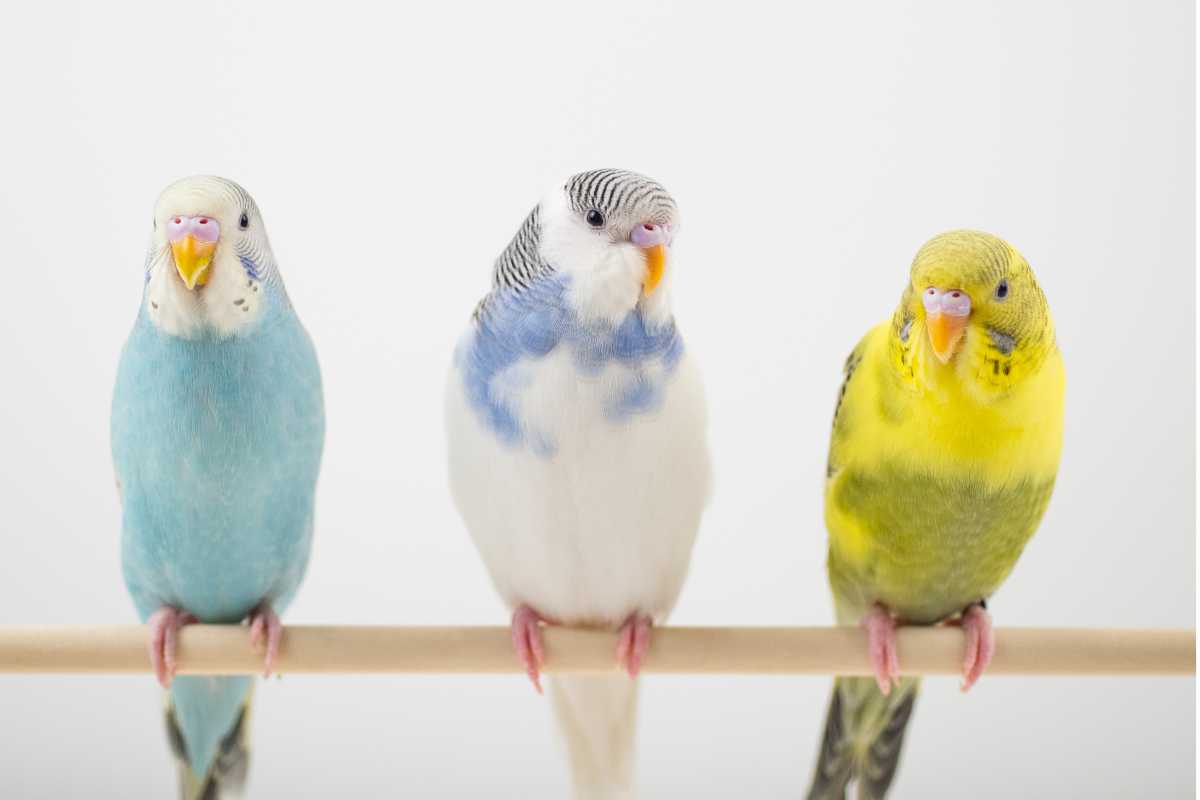
Budgies: Prefer light resistance and high visibility. The braid and roll shine here.
Cockatiels: Enjoy gentle puzzles with preening motions; all three toys work, with the braid as a standout.
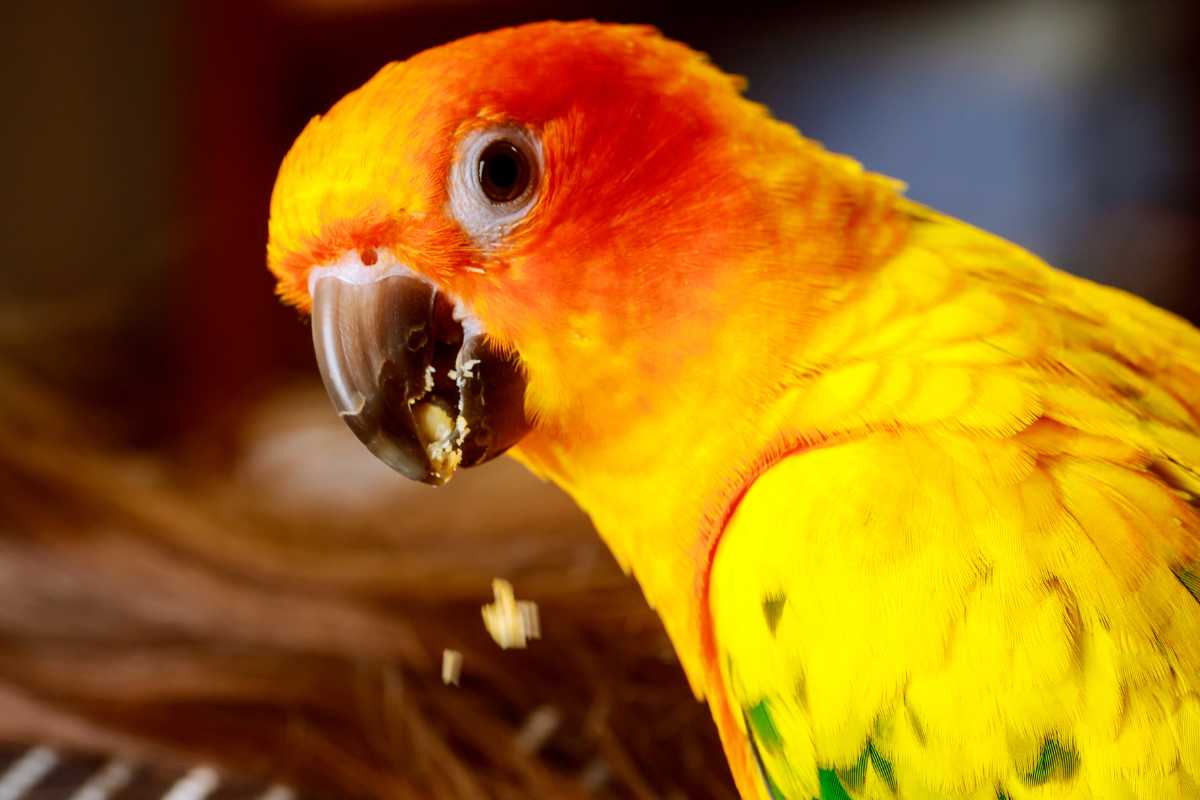
Conures (green-cheek, sun): Lean into ripping and levering—the egg carton is usually a hit, followed by a denser roll.
Helping a Shy Bird Engage
If Interest Is Low
Use a favorite food your bird gets only during foraging, sprinkle crumbs on the outside to create a scent trail, and model curiosity—tap, lift, and gently rustle the toy while your bird watches.
Perch placement matters: start at chest height, not overhead, to reduce intimidation.
If It’s Too Easy
Hide smaller, drier rewards that don’t rattle as loudly, double the paper, or raise the toy so mild acrobatics are needed. Add micro-tasks—a twist to untuck, a flap to lift—without making the first bite discouraging.
Species-Sensitivity Notes
Budgies benefit from short bursts of easy wins; cockatiels appreciate quiet environments to try new puzzles; conures often prefer a dynamic toy that moves a bit when tugged.
The Video Boost: Watch, Then Try
If you’re including a video, set expectations with three quick takeaways: what “success” looks like for a new forager, one way to dial up and one way to dial down difficulty, and a reminder to supervise and retire damp or over-chewed parts.
End with a direct prompt: try one toy right after the video while curiosity is primed.
Smart Interlinking Inside Your Site
Within the article body, link naturally to beginner enrichment guides, safe toy parts, or bonding games.
Internal links keep readers exploring and reinforce your E-E-A-T by clustering related expertise. Keep anchor text descriptive, like “bird-safe rope and hardware basics” rather than generic “click here.”
Mini FAQ
Is it safe to use toilet-paper rolls?
Yes—plain, scent-free, glue-free tubes are commonly used for DIY bird toys. Inspect each tube, remove any loose flakes, and supervise.
How often should I rotate foraging toys?
Plan on every 2–3 days for paper toys, sooner if they’re damp or heavily chewed. Rotation keeps novelty high and prevents hoarding.
What’s the best first reward?
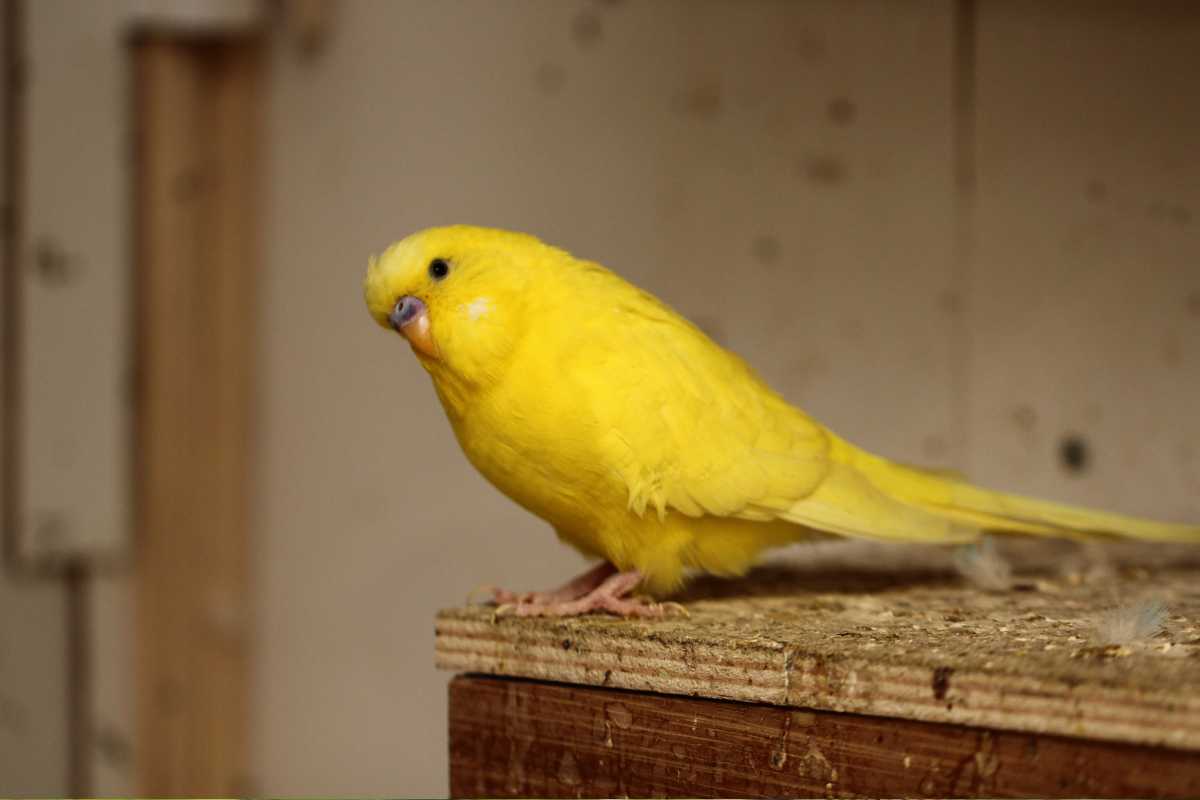
Use something irresistible your bird doesn’t get in the normal dish—tiny nut crumbs, a favorite millet fragment, or a special pellet brand.
My bird only destroys—does that still count as foraging?
Absolutely. Shredding is success when the reward is embedded. You’re reinforcing natural chew-and-search behaviors.
Can I combine toys?
Yes. Nest a braid through a roll or park a roll inside the carton. Just increase challenge gradually to avoid frustration.
Try One Today
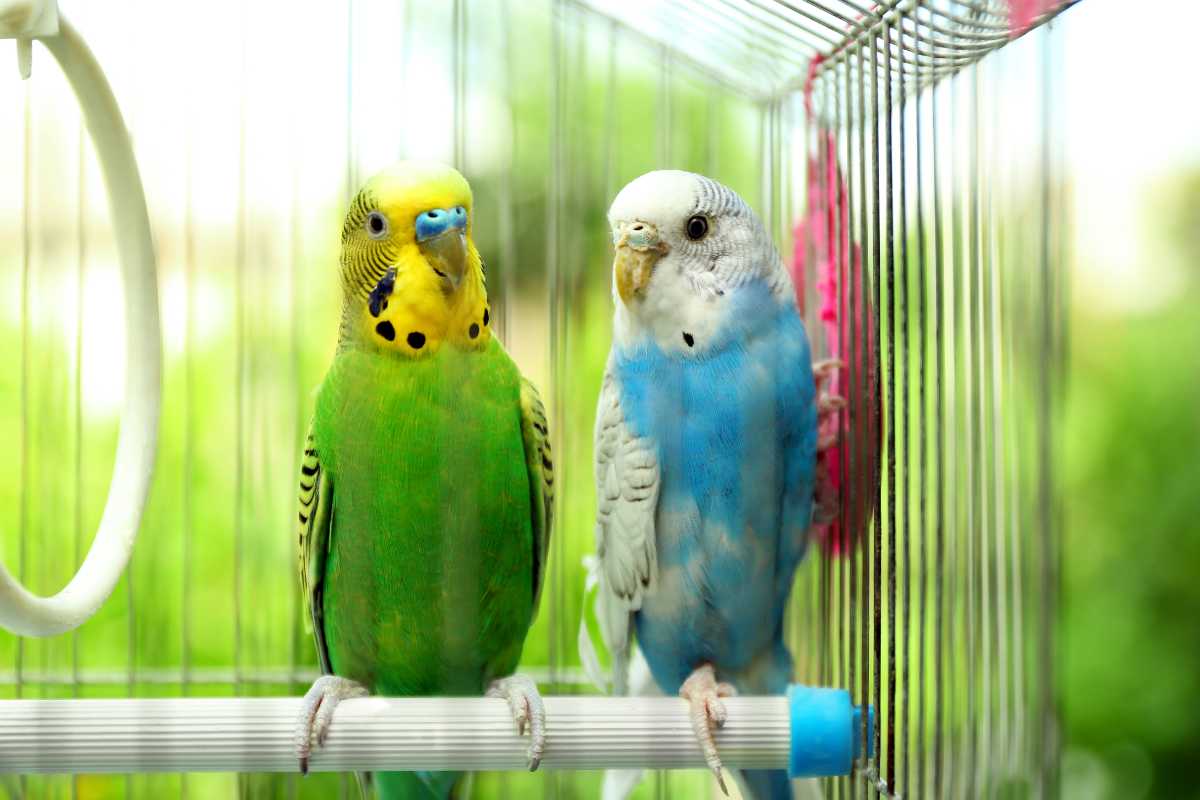
Pick the toy that fits your bird’s style: roll for rippers, braid for preeners, carton for lifters.
Jot the start time when your bird notices the puzzle and the finish time when the last crumb is earned; that quick metric helps you adjust difficulty next time.
Most of all, enjoy the transformation: a cage that looks like curiosity central, a bird that’s busy and bright, and a daily routine that’s kinder to both of you.
Bottom line: DIY bird foraging toys are simple, safe, and incredibly effective. With a few household materials and a dash of creativity, you’ll unlock healthier habits, reduce boredom, and turn mealtime into the best game of the day.
Enjoy The Video About Birds
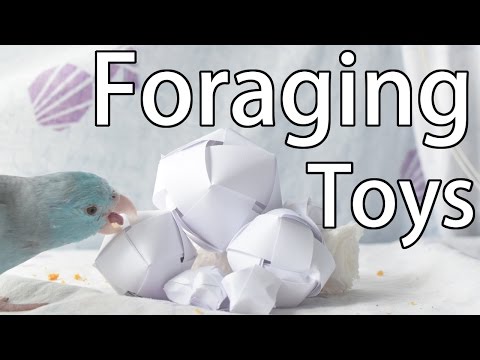
Source: Flock-Talk
Did you find this post useful or inspiring? Save THIS PIN to your Pets Board on Pinterest!

You may also like