
Feline-Friendly Foods: Surprising Human Treats Your Cat will Love


Sharing a tiny bite of your meal with your cat can feel like love—but felines are obligate carnivores, and many human foods don’t suit their digestive system.
This guide explains which foods are safest, how to prepare them, and what to avoid so you can treat your cat without risking an upset stomach or something more serious.
How to Share People Food Safely

The “10% treat rule”
Keep all extras to no more than 10% of your cat’s daily calories. Treats shouldn’t replace a complete, balanced cat diet.
A practical way to think about it: for an average 4–5 kg (9–11 lb) cat, treats usually mean teaspoon-sized portions—not handfuls.
Simple preparation, always
Offer foods plain, fully cooked, and unseasoned—no salt, garlic, onion, butter, oil, sauces, or breading.
Remove bones, skin, cores, seeds, pits, and rinds. Serve at room temperature in pea-sized pieces to prevent choking.
When to skip treats altogether
If your cat has kidney disease, urinary crystals/stones, pancreatitis, diabetes, allergies, or is on a prescription diet, talk to your vet before adding any new foods. When in doubt, don’t offer it.
Protein Picks Your Cat Can Try
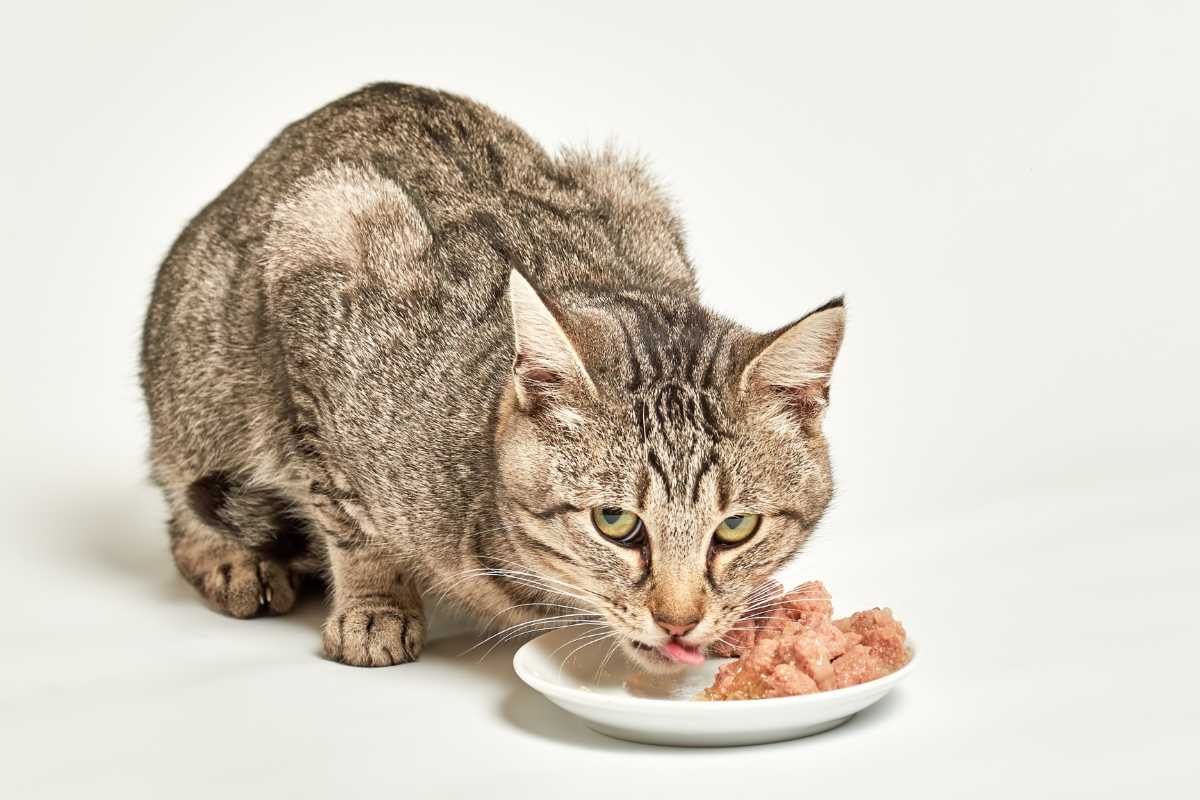
Chicken and turkey (plain, cooked)
Lean poultry is the safest, most familiar human food for cats. Use skinless, boneless meat cooked without seasonings.
Offer 1–2 teaspoons of shredded chicken or turkey as an occasional topper or training treat. It’s a good source of high-quality animal protein without unnecessary carbs.
Lean beef or pork (well-done, unseasoned)
Small bites of lean steak, roast, or pork tenderloin can be fine when cooked through and trimmed of fat.
Avoid deli meats (too salty) and anything marinated, smoked, or heavily seasoned. Keep portions modest—a few tiny cubes is enough.
Eggs (fully cooked only)
Scrambled or hard-boiled eggs provide complete protein and B-vitamins. Serve a teaspoon or two and avoid butter, milk, or salt. Raw eggs are off-limits because of bacteria risk and avidin, which can interfere with biotin.
Fish: benefits with boundaries
Cats love fish, and cooked salmon can supply omega-3s that support skin and coat. Keep fish occasional, not daily.
If offering tuna, choose water-packed, no-salt-added and keep it to a spoonful now and then—it’s not nutritionally complete and frequent servings may contribute to imbalances. Never feed raw fish due to parasites and bacteria.
Fruit and Veggies in Cat-Sized Bites
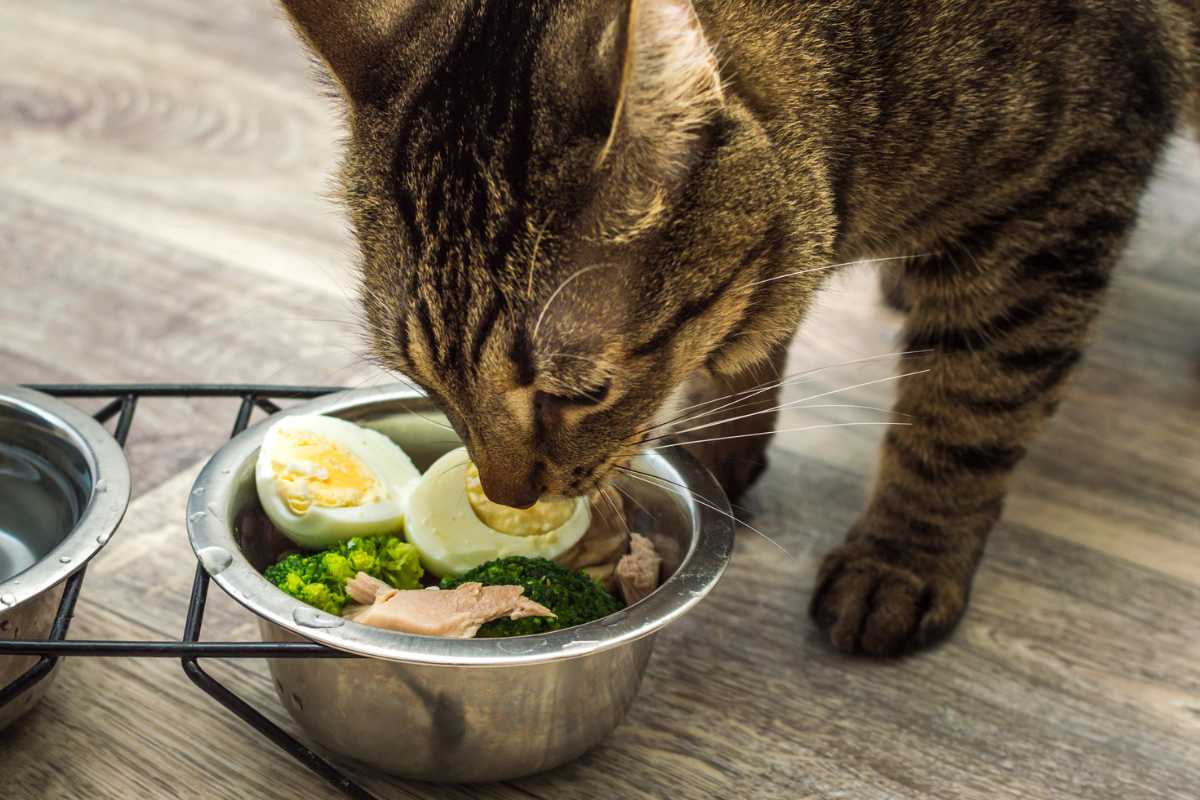
Cats don’t need produce, but a few safe options can add gentle fiber or moisture. Introduce one new food at a time and watch for soft stools or refusal.
Pumpkin (plain)
A teaspoon of plain pumpkin purée (not pie filling) can help some cats with mild constipation or stool quality. Mix into food or offer on a spoon.
Blueberries
Many cats enjoy 2–3 blueberries as a refreshing nibble. Serve whole or halved. Skip anything sweetened.
Apple
Offer peeled slices in tiny pieces. Remove the core and seeds entirely. Apple adds crunch and a bit of fiber without many calories.
Green beans, zucchini, cucumber, carrots
Lightly cooked or finely chopped, these can be low-calorie snacks for food-motivated cats. Start with a few small bits. Avoid butter, oil, and seasonings.
Spinach (with caution)
Spinach is nutrient-dense but contains oxalates. If your cat has a history of urinary issues or calcium oxalate stones, choose other vegetables instead.
Foods to Avoid Every Time

Some human foods are dangerous for cats, even in small amounts. Keep this list in mind whenever you’re tempted to share.
Onions, garlic, leeks, chives (alliums): can damage red blood cells.
Chocolate, coffee, tea, energy drinks: caffeine and theobromine are toxic.
Grapes and raisins: linked to kidney injury in pets.
Alcohol and raw yeast dough: alcohol poisoning and painful gas expansion.
Xylitol (in sugar-free gum, candies, baked goods, some peanut butters): can cause hypoglycemia and liver injury.
Cooked bones and fat trimmings: choking, perforations, pancreatitis.
Salty, cured, or processed meats: excessive sodium and preservatives.
Dairy: many cats are lactose-intolerant; if you offer dairy at all, use lactose-free and only a lick.
Avocado: best avoided due to persin content, high fat, and GI upset risk; the pit and skin are also hazards.
Quick Treat Ideas (Right-Sized and Simple)
Shredded chicken topper: 1–2 teaspoons of plain cooked chicken over your cat’s regular food.
Egg day: a teaspoon of chopped hard-boiled egg sprinkled into dinner once a week.
Salmon sampler: a pea-to-teaspoon of baked, unseasoned salmon as an occasional reward.
Pumpkin swirl: mix 1 teaspoon of plain pumpkin purée into wet food for extra fiber.
Remember: treats should be tiny and infrequent. If your cat begs, break one teaspoon into several micro-bites to stretch the fun without overfeeding.

If Your Cat Eats Something Risky
Remove the food and any remaining pieces your cat could access.
Check the label (ingredients, sweeteners, seasonings, percentage cocoa, etc.).
Watch for symptoms such as vomiting, diarrhea, restlessness, tremors, weakness, or pale gums.
Call your veterinarian or an emergency clinic for guidance tailored to your cat’s size and health. Do not induce vomiting unless a professional instructs you to do so.
Bring packaging to the clinic if you go in—it helps the team treat your cat faster.
FAQs
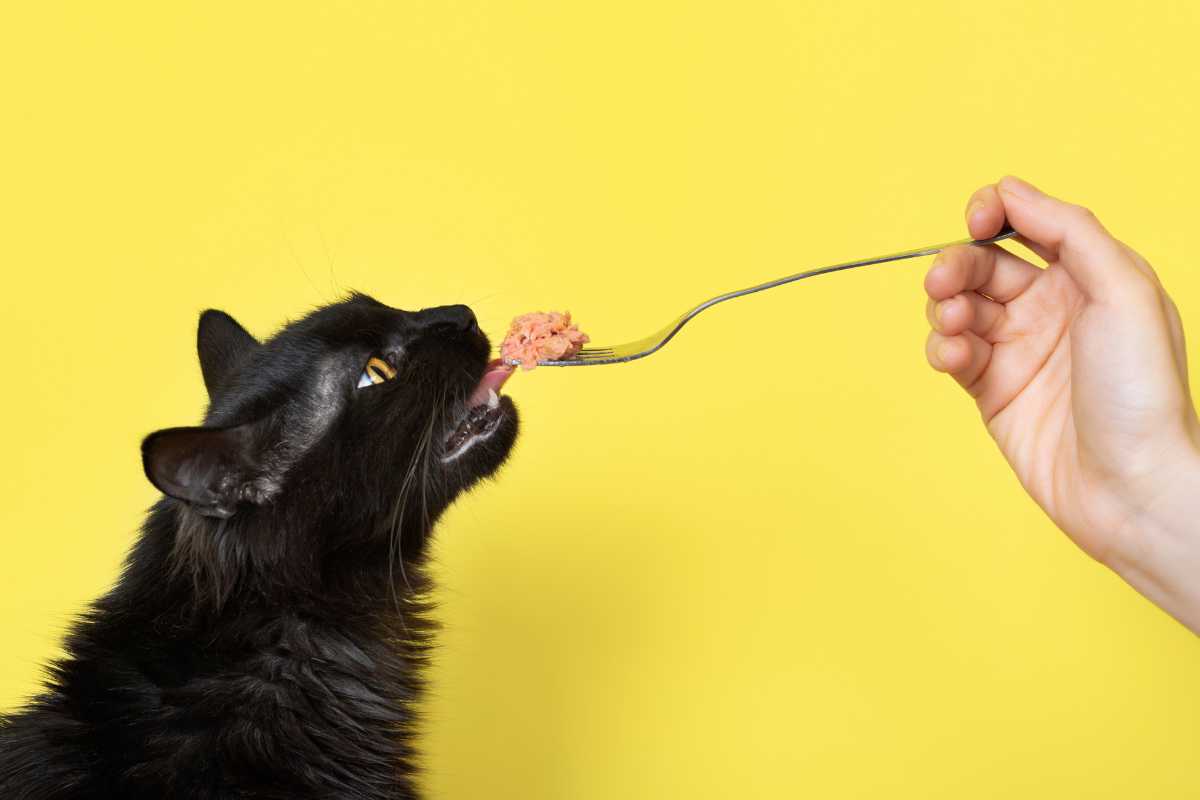
Can cats have a little tuna?
Occasionally, yes—but sparingly. Tuna (for people) isn’t a complete diet and can be high in sodium or contaminants. Use water-packed, no-salt-added tuna and stick to a spoonful once in a while, never as a staple.
Are raw diets or raw treats safe?
For this list, raw foods aren’t recommended because of bacteria and parasites. If you’re considering raw feeding, talk in depth with your vet about safe handling and balanced formulation.
What if my cat won’t eat people food at all?
That’s perfectly fine. Cats don’t need human foods to be healthy. A complete, balanced cat diet is all they require; treats are purely for enrichment.
Final Thoughts for Caring Owners
The safest way to treat your cat is to think small, keep it plain, and choose animal proteins first.
Rotate options, introduce one new food at a time, and watch your cat’s stools and appetite over the next 24–48 hours.
If anything seems off—or if your cat has medical conditions—check with your veterinarian before experimenting. When you treat thoughtfully, you’ll keep mealtimes safe, enriching, and genuinely feline-friendly.
Enjoy The Video Tutorial

Source: Jaw-Dropping Facts

You may also like