
Feline Fun: 5 Hacks Your Cat Will Love


Indoor life can be cozy for cats, but it can also get predictable fast. When a routine never changes, curious minds and agile bodies don’t get the challenges they crave.
That’s where cat enrichment comes in: simple, safe ideas that spark natural behaviors—sniffing, climbing, hunting, grooming—and keep stress low.
Most cats sleep a lot (think half the day or more), so the key is creating opportunities for short, rewarding bursts of activity. Done well, enrichment improves mood, curbs nuisance behaviors, and supports a healthy weight for indoor cats.
What “Enrichment” Actually Means
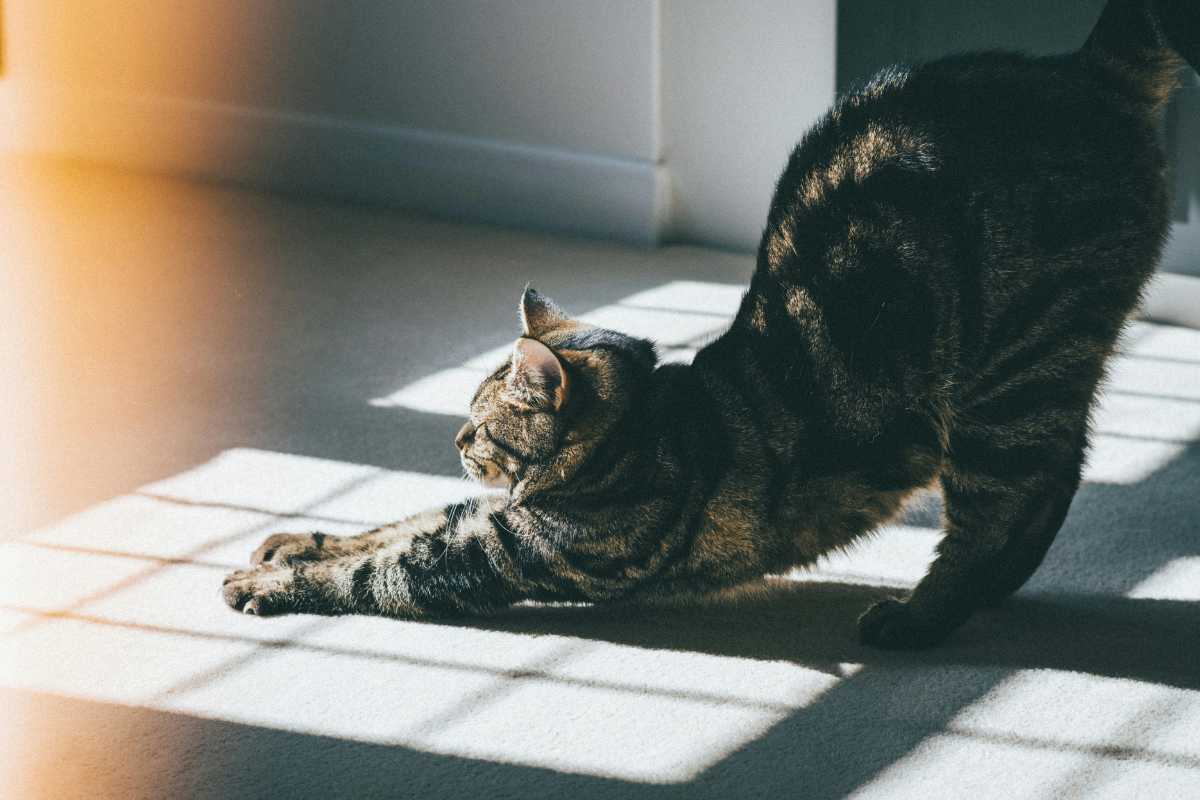
Enrichment isn’t about expensive gadgets; it’s about meeting species-specific needs with everyday objects and thoughtful setups.
Cats are scent-driven, love elevated vantage points, and thrive on mini chases that end in a “capture.” When you offer outlets for scratching, climbing, foraging, and self-grooming, you’re not “spoiling” your cat—you’re speaking their language.
Even small upgrades—like repositioning a bed near a sunny sill or rotating toys—can turn idle moments into satisfying micro-adventures.
The Behavior Behind the Fun
Cats mark with cheek glands (that adorable head rub on the sofa leg), scan scenes from up high to feel secure, and follow a predatory sequence: search → stalk → pounce → “dissect” (batting, biting, licking).
Enrichment taps into that sequence in safe, household-friendly ways. Keep this in mind as you pick ideas below, and your cat’s enthusiasm will guide you.
5 Enrichment Hacks Your Cat Will Love
1) Corner Self-Groomer Station
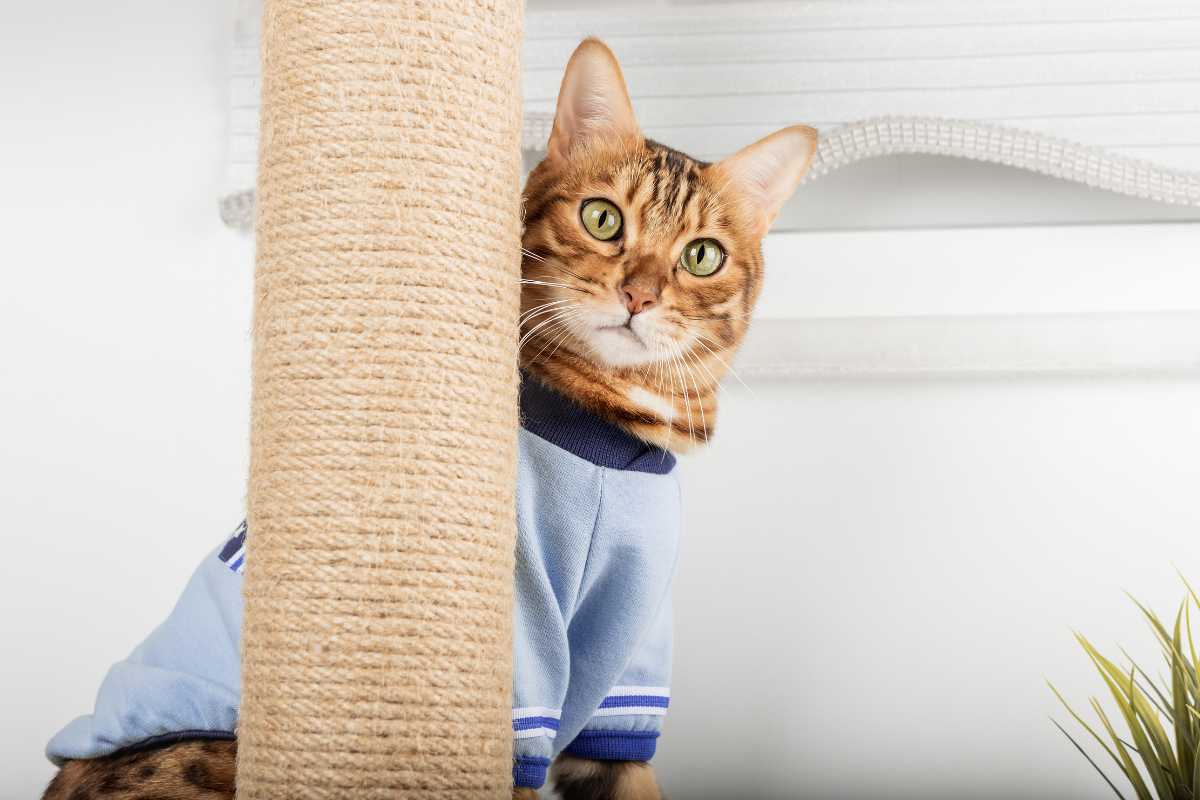
A corner-mounted brush or a bristle panel becomes an instant spa stop. It leverages your cat’s drive to facial-rub and collect familiar scents, which reduces tension and gives them control over their environment.
Place the brush where “cat traffic” already happens—doorways, hall corners, or the leg of a favorite table. Choose flexible bristles, mount it firmly, and check it weekly for hair build-up.
The beauty of a self-groomer is how it channels rubbing and shedding to a designated, easy-to-clean spot—great for coat care and for furniture protection.
2) The “Keyboard Decoy” Bed
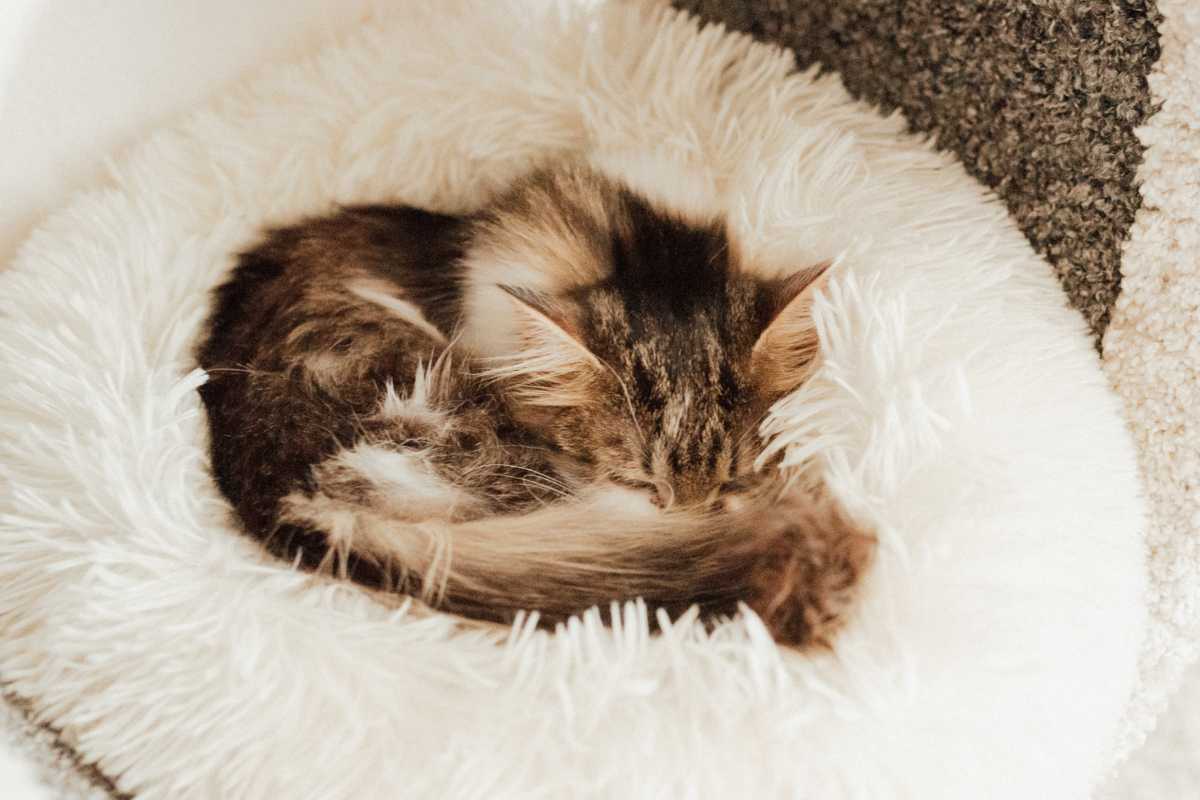
If your cat believes your laptop is the best seat in the house, they’re not wrong: keyboards are warm, central, and smell like you.
Instead of constant shooing, offer a premium alternative inches away. A shallow basket or plush bed placed at desk height is often irresistible—especially if it has a soft liner that holds your scent.
The goal isn’t to forbid the desk; it’s to redirect with a more rewarding, stable platform where your cat can supervise without stepping on your work. Add occasional scritches or a feather flick toward the basket, and you’ll see the new habit stick.
3) Food-Foraging with Puzzle Toys
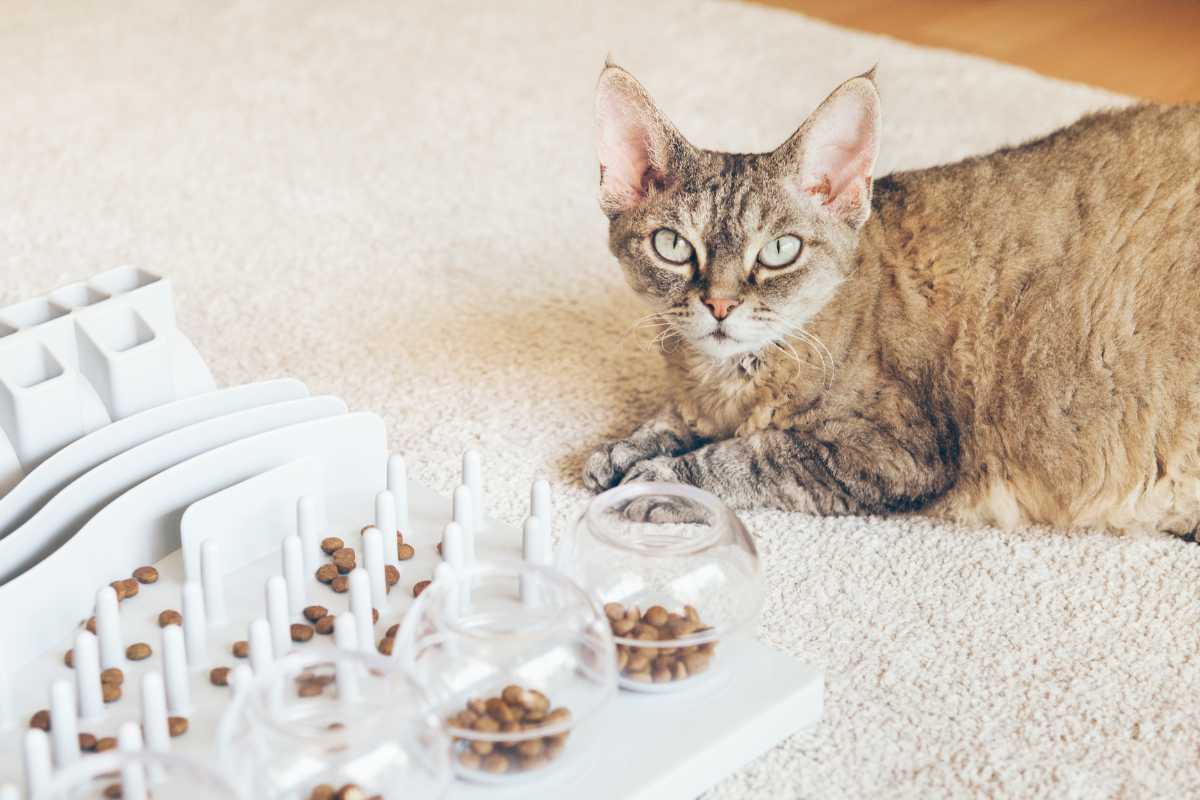
Turning snack time into a mini mission satisfies both body and brain. Puzzle feeders and foraging toys slow down eating, encourage movement, and reduce boredom that can lead to pestering or nighttime zoomies.
You can use commercial feeders or make a simple version out of a safe container with smooth openings—just ensure edges are sanded and holes are large enough to prevent frustration.
Start with larger openings and easy treats; as your cat “graduates,” slightly increase the challenge.
Keep servings modest: treats should be no more than 10% of daily calories, with the rest coming from a complete, balanced diet. This keeps enrichment fun from turning into extra pounds.
4) Window Watch + Bird TV (Done Right)
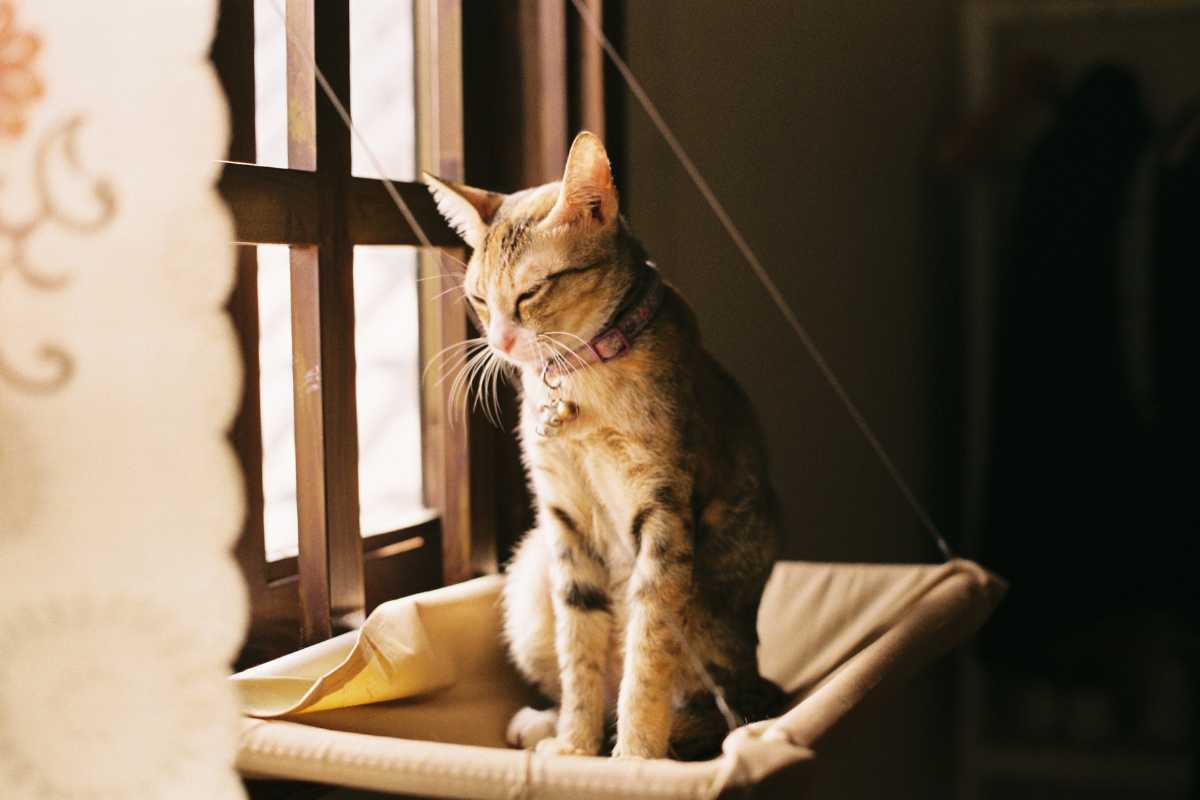
A window perch taps into a cat’s love of height and moving scenery. Position a sturdy perch where your cat already lingers, ideally facing a view with natural action—trees, a courtyard, or a quiet street.
If you add a bird feeder outside, set it at a comfortable distance so your cat is engaged but not agitated.
Some cats relax with gentle “Bird TV” videos; others get overstimulated, so watch body language: loose posture and slow blinks are good; tail lashing or chattering with tense body means dial it back. The endgame is calm engagement, not overdrive.
5) Toy Rotation + Micro Play Sessions
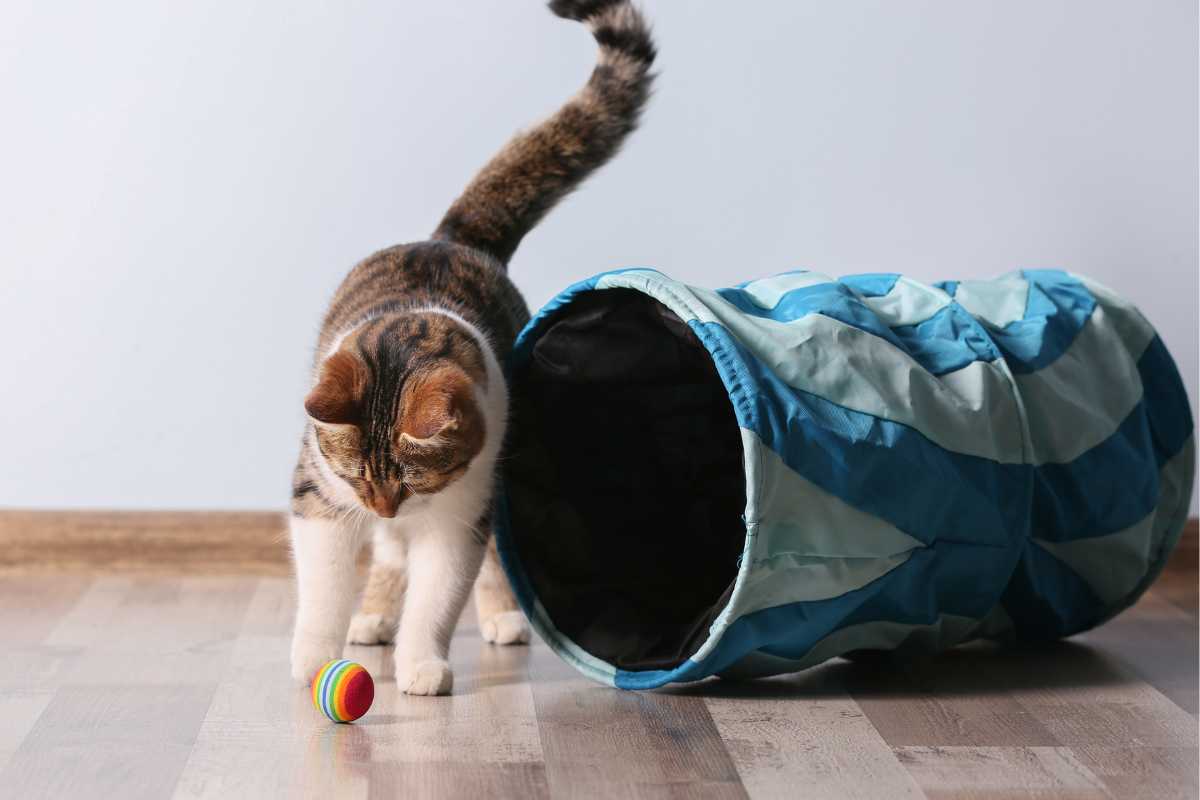
New toy day is exciting—until the novelty fades. That’s why toy rotation is a secret weapon. Store most toys out of sight and “relaunch” a few every few days, especially ones that move like prey (wand toys, small kickers, crinkly “mice”).
Pair rotation with micro play sessions that match your schedule: two or three 10–15 minute bursts are wonderful, but even several 3–5 minute chases sprinkled through the day make a difference.
End sessions with a small “catch” (a soft toy they can hold) and, occasionally, a nutritious bite to complete the prey cycle.
Safety & Welfare Essentials

Safety keeps enrichment stress-free. Choose materials that won’t splinter, crack, or shed small parts. Smooth any DIY edges and secure anything that mounts to furniture or windows.
Supervise with string or ribbon toys to prevent tangling, and inspect items weekly for wear. If your cat has mobility limits, opt for lower perches and softer play.
Multi-cat homes benefit from duplicates of hot-ticket items (beds, scratchers, perches) to minimize resource guarding.
Treats, Calories & Healthy Rewards
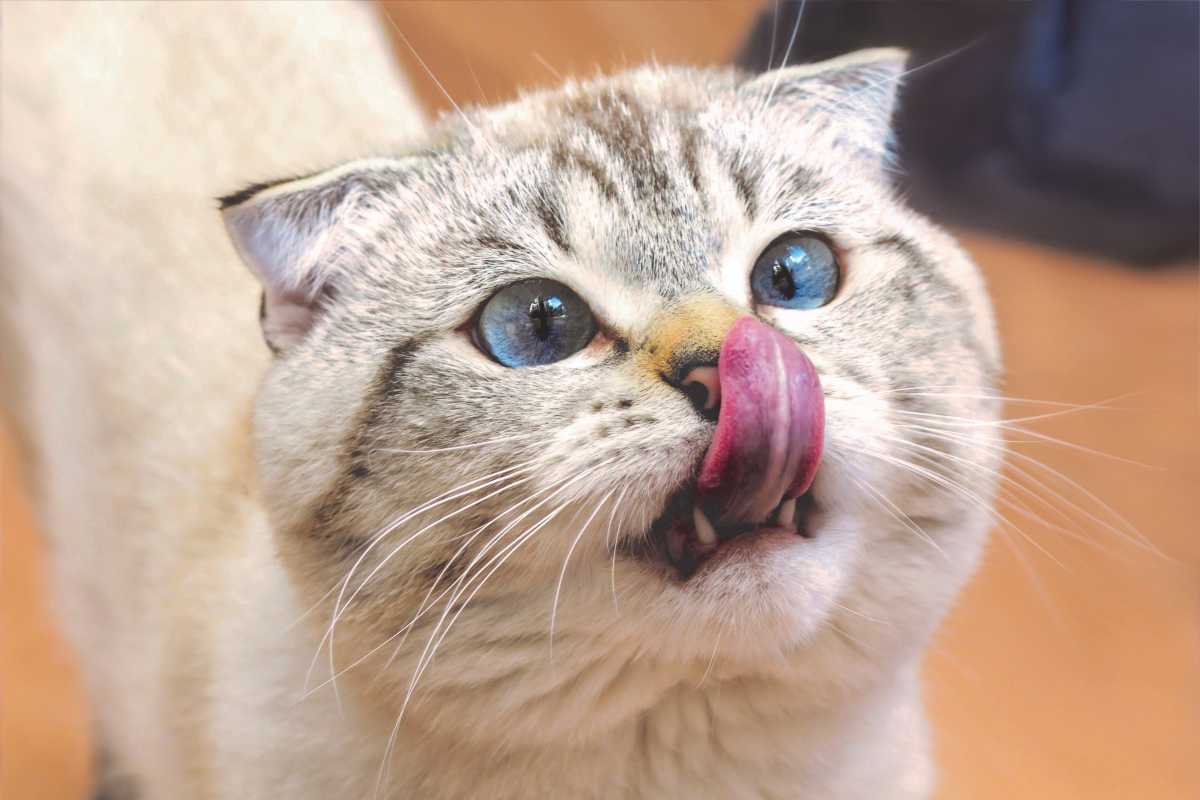
A little “paycheck” after hard play is motivating—just do it smartly. As a rule of thumb, keep treats under 10% of daily calories. The rest should come from a complete diet that fits your cat’s life stage and health needs.
Favor high-quality, single-ingredient morsels or a portion of their regular food used as a “jackpot” reward. If weight is a concern, weigh out the day’s food, reserve a portion for training/play, and adjust bowl meals accordingly.
Hydration counts too: add a splash of warm water to wet food or place a pet fountain near favorite hangouts to nudge more sips.
Reading Your Cat: What Success Looks Like

You’ll know enrichment is working when you see relaxed body language, predictable naps, and smoother transitions between rest and activity.
Many cats become less vocal at night, scratch posts instead of couches, and show calmer greetings when routines include foraging and play.
If your cat escalates in intensity (dilated pupils, tail swishes, sudden nips), shorten sessions or switch to quieter enrichment (sniffing mats, slow foraging) before returning to faster chases another time.
Enrichment should build confidence and control, not frenzy.
Multi-Cat Households
Group dynamics matter. Offer separate “stations”: one window perch per cat, multiple scratchers, and scattered puzzle feeders to reduce competition.
Stagger play so each cat gets one-on-one time tailored to their style—some like ground chases, others prefer aerial pounces.
Watch for subtler tension (blocking a perch, staring contests); adding an extra route up or down can dissolve a lot of drama.
Quick Wins to Start Today

If you do only two things this week, make them these: install a corner self-groomer where your cat already rubs, and start a toy rotation with micro play.
Those two alone can transform the rhythm of your cat’s day—more scent satisfaction, more “hunting,” and fewer pleas for entertainment exactly when you open your laptop.
Mini-FAQ

How much should I play with my cat each day?
Aim for two or three 10–15 minute sessions if you can; otherwise, several 3–5 minute bursts spread across the day are fantastic.
Quality matters more than duration—follow your cat’s energy and stop before they’re overstimulated.
Are puzzle feeders frustrating for beginners?
They shouldn’t be. Start easy: wide openings, highly motivating bites, and short sessions. As your cat gains skill, tweak the challenge a little. The goal is engaged success, not struggle.
What if my cat won’t use the new bed or perch?
Cats are conservative about change. Place the item along a current “cat highway,” add your scent (a worn T-shirt works), sprinkle a few treats, and give it time. Many cats “discover” new stations once they’re part of the landscape.
Editorial Notes & Care Disclaimer
This article offers general guidance on indoor cat enrichment and doesn’t replace personalized veterinary advice. If your cat shows sudden behavior changes, weight shifts, or signs of pain, consult your veterinarian.
For households with medical diets, confirm which treats are appropriate and how to integrate puzzle feeders without disrupting nutrition.
Try One Idea, Then Build Momentum

The secret to enrichment is not doing everything at once—it’s adding one delightful challenge and observing what your cat loves.
Maybe it’s the window perch that turns afternoons into nature viewing. Maybe it’s the self-groomer they can’t pass without a rub. Or maybe it’s the quiet thrill of micro play sessions paired with an occasional foraging win.
Follow that tail twitch of curiosity, keep things safe and simple, and you’ll raise a happier, calmer, more confident indoor companion—one small hack at a time.
Enjoy The Video About Cats

Source: SomethingAnimal
Did you find this post useful or inspiring? Save THIS PIN to your Pets Board on Pinterest!

You may also like