
Female or Male Hamsters? Temperament and Behavior


If you’re torn between adopting a male or a female hamster, you’re not alone. The truth is that individual personality matters more than sex, but there are still helpful trends and care nuances that can guide your choice.
Below you’ll find a friendly, research-informed overview that compares temperament, handling, scent and heat cycles, health notes by sex, and species-specific insights—plus a practical checklist to help you choose confidently.
Male vs. Female Temperament (What Really Changes?)
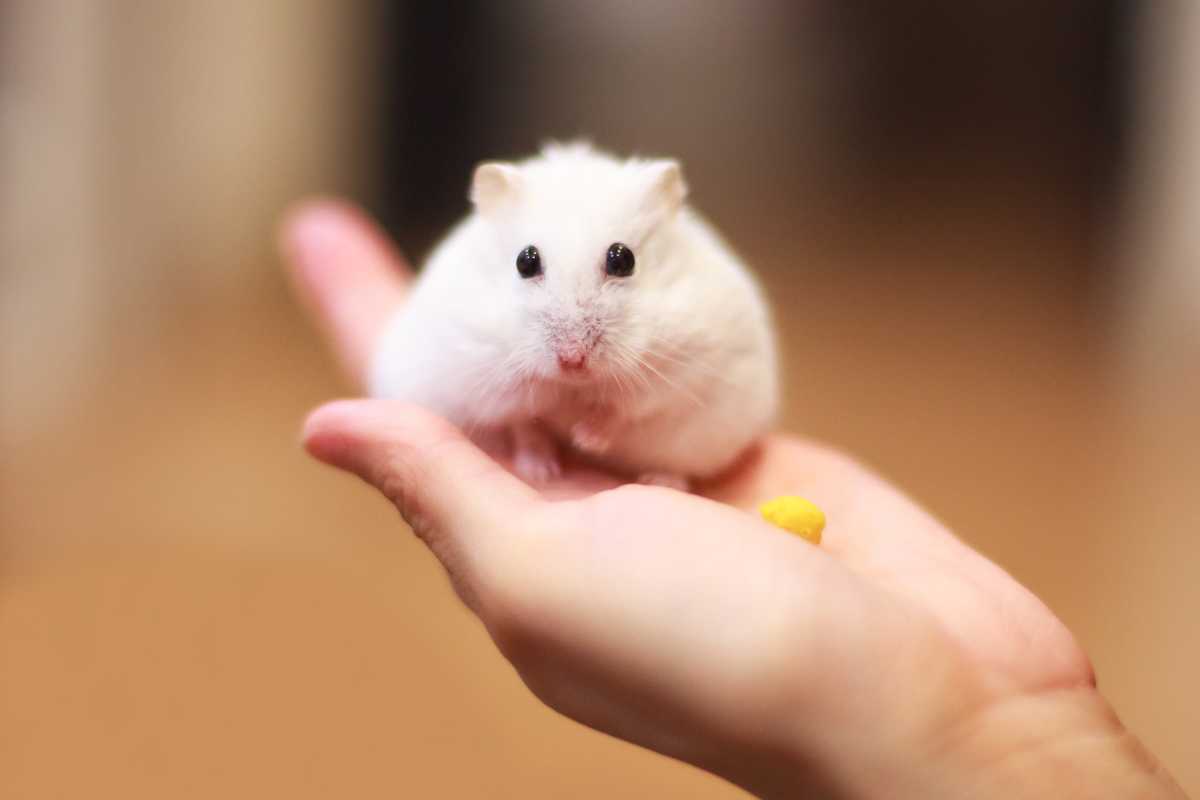
When people search for hamster temperament, they often hear that males are calmer and females are feistier.
That can be generally true in Syrian hamsters, yet it’s not a rule and certainly not a guarantee. What you’ll actually notice day to day is a blend of species tendencies and individual temperament.
Males of many lines—especially male Syrian hamsters—are often perceived as a bit more laid-back, sometimes easier to handle, and more predictable once they settle into a routine.
Females can be wonderfully curious and energetic; they may cover more ground at night and show more exploratory behaviors. However, every hamster is an individual.
A patient, respectful approach to taming will usually outweigh sex-based differences within just a few weeks.
Personality Over Stereotypes
It’s helpful to observe the hamster you’re considering rather than relying solely on sex.
Watch how they respond to slow movement near their enclosure, how quickly they return to curious exploration after a small startle, and whether they investigate hands calmly after a minute of scent familiarization.
These small behavioral cues are more reliable than any stereotype about males vs. females.
Scent, Heat Cycles & Odor (What to Expect)
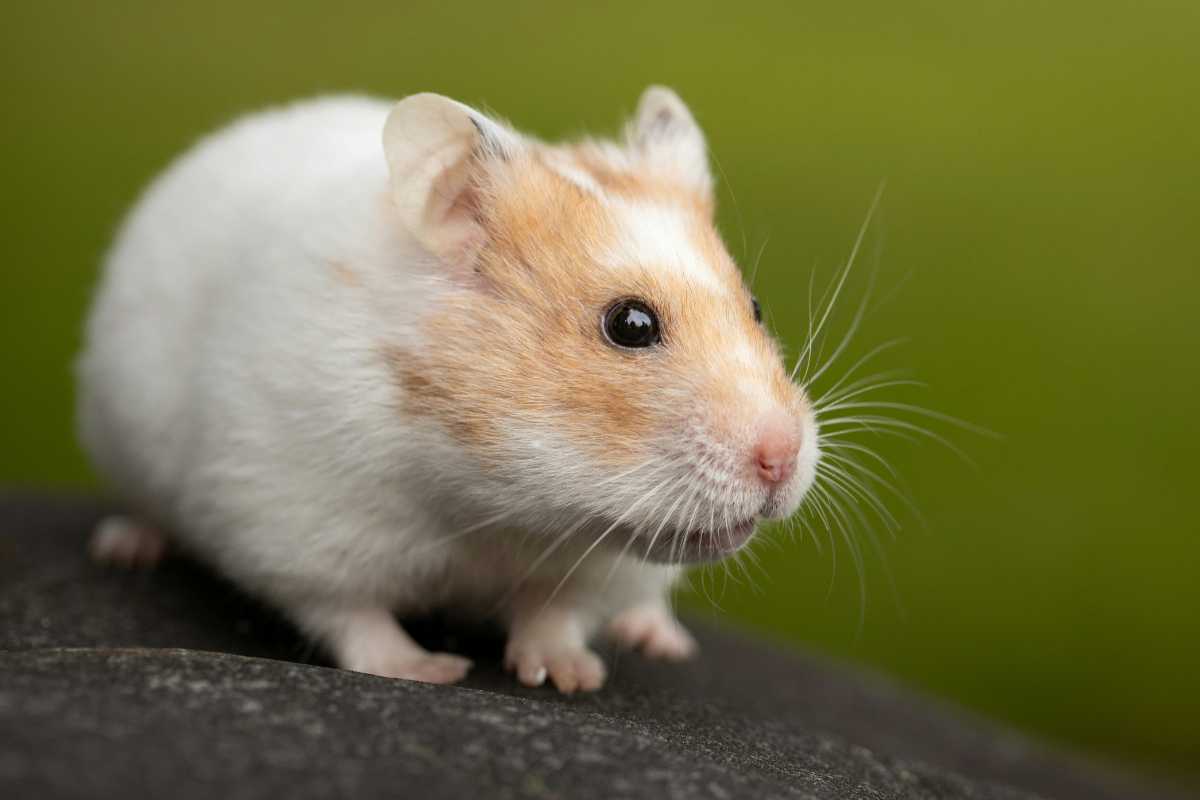
This is where some practical differences begin to matter. Male hamsters (especially Syrians and some dwarf species) can have noticeable scent glands they use for marking.
The markings may produce a mild musky aroma, which many people find manageable with good habitat hygiene.
Female Syrian hamsters experience an estrus (heat) cycle roughly every four days. On “in-heat” nights, you may notice a stronger scent or a small amount of discharge that is normal for a healthy adult.
Most owners get used to that rhythm quickly. If you or a family member is very sensitive to odors, this is a useful consideration when choosing sex.
Normal vs. Concern
Hamsters do have natural smells. Musky marking in males and heat-cycle scent in females are normal.
What’s not normal is sudden, strong, foul odor, wetness around the tail that doesn’t resolve after a night, or discharge with blood—these can be health flags and warrant a veterinary check.
Keeping bedding dry, spot-cleaning high-traffic corners, and offering an appropriate sand bath for grooming can help both sexes stay fresh.
Health Notes by Sex (Red Flags to Know)
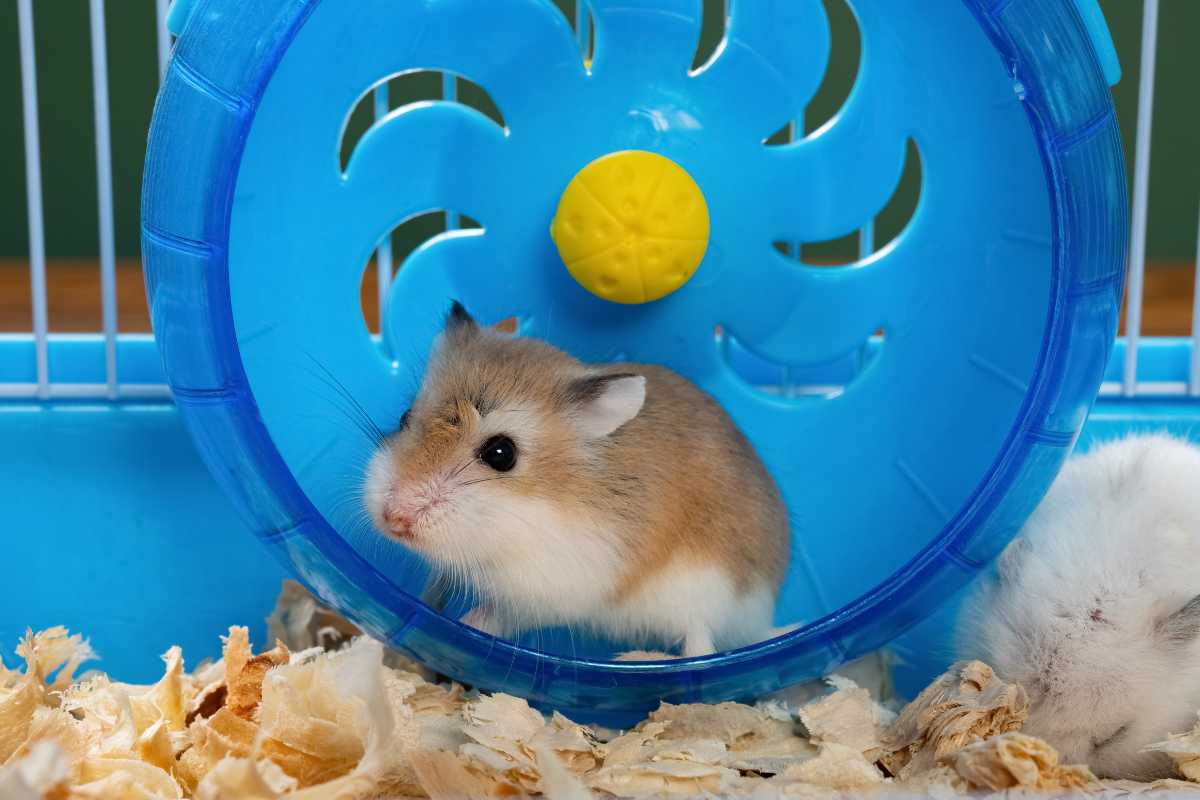
Both males and females can enjoy long, healthy lives with proper care, but each sex has distinct health watchpoints you should know.
Female-Specific: Pyometra & Reproductive Issues
In unspayed females, pyometra (a uterine infection) can occur and is potentially life-threatening if not treated promptly. Warning signs include lethargy, reduced appetite, a swollen or tense abdomen, and abnormal discharge with a strong odor.
Early veterinary care is crucial. While spaying a hamster is not common as a preventive measure (and can be high risk due to size), recognizing symptoms early dramatically improves outcomes.
Male-Specific: Scent Glands & Testes
Male hamsters have prominent scent glands (flank glands in dwarfs; a more diffuse midline gland area in Syrians) and visible testes—especially noticeable in relaxed or warm conditions.
New keepers sometimes mistake these structures for tumors. Learn what normal anatomy looks like: symmetrical, smooth, non-tender structures and glands that are flat to slightly raised.
If you see rapid growth, asymmetry, ulceration, or pain, schedule a vet visit.
Housing & Social Behavior (Why They Should Live Alone)
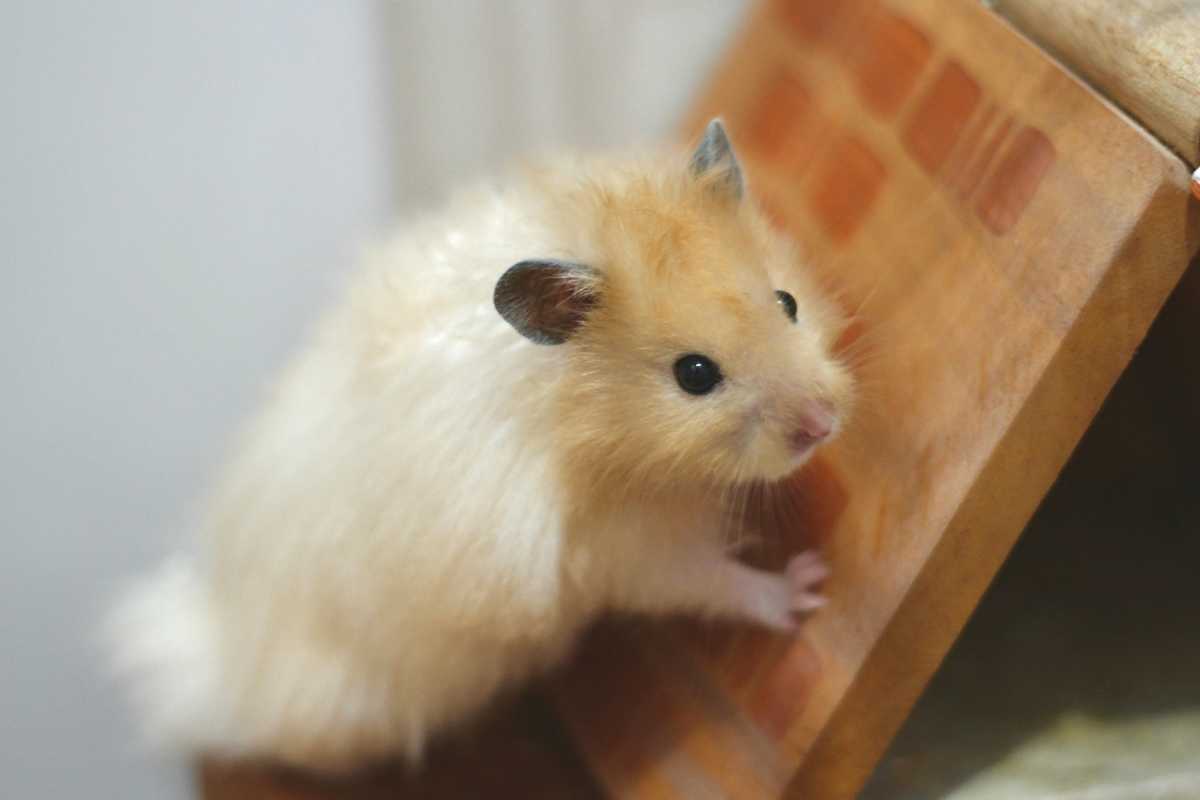
For almost all pet scenarios, hamsters should be housed individually. Syrian hamsters are famously solitary and territorial as adults; co-housing nearly always ends in stress or injury.
Some dwarf species may tolerate cohabitation in rare, carefully managed cases, but even then fighting can erupt suddenly, and separating into individual habitats is often necessary.
Because stress undermines health and temperament, individual housing is the safest, kindest default for both males and females.
Space & Setup That Support Good Temperament
A well-designed habitat softens many temperament quirks.
Aim for a spacious enclosure with deep bedding for burrowing, a solid-surface wheel of the correct diameter (large enough to avoid back arching), abundant hideouts, and a varied enrichment layout (tunnels, chew items, scatter feeding).
A predictable night routine, low disturbance during daytime sleep, and treat-based taming sessions help both sexes thrive.
Picking Your Hamster: A Quick, Humane Checklist
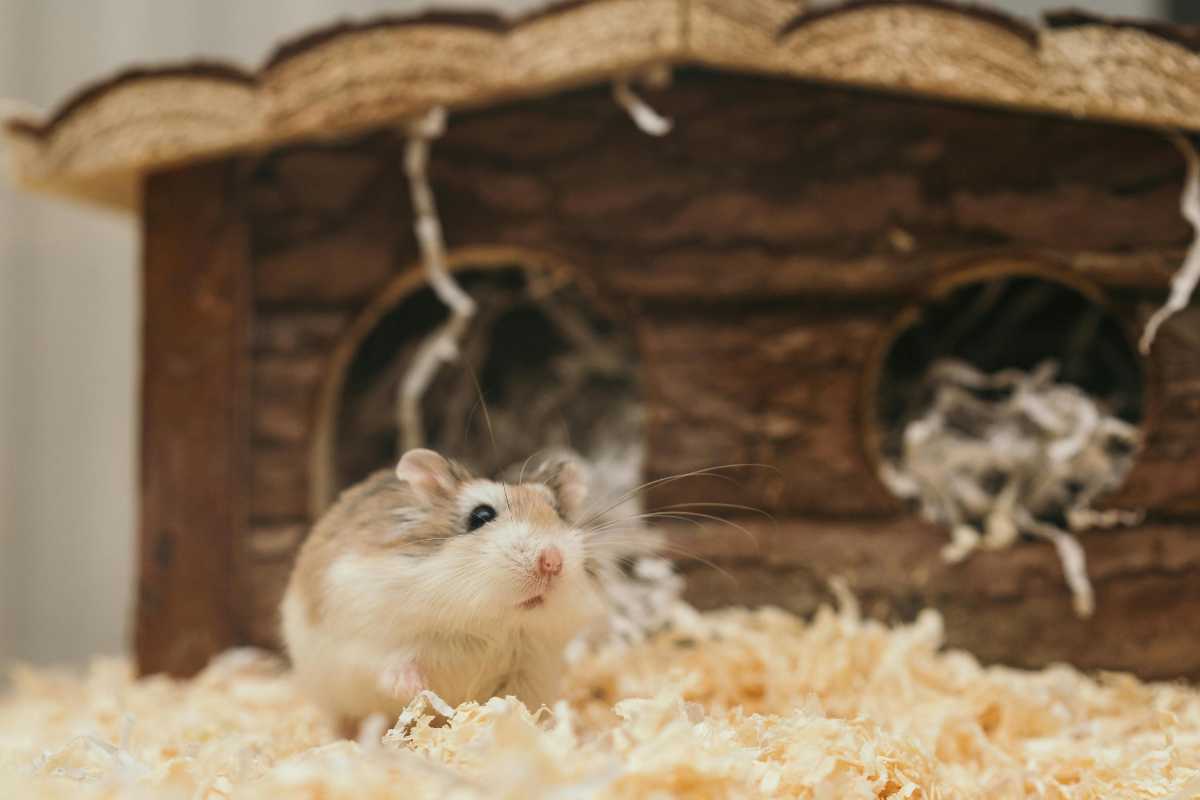
Choosing between a male and female hamster is easier when you evaluate the individual:
At the Store or Rescue
Watch at dusk if possible (they are crepuscular). You want a hamster that transitions from mild startle to curious investigation.
Look for clear eyes, clean nose, even breathing, smooth, glossy coat, and balanced movement. Ask to see the hamster walk in a secure space so you can observe gait and confidence.
Temperament & Handling Signals
Offer your hand near the enclosure without grabbing. A good sign is sniffing followed by calm interest or a gentle paw on your sleeve.
Avoid choosing based purely on boldness—some of the best companions are thoughtful, slightly cautious hamsters who warm up beautifully with patient handling.
First Two Weeks at Home
Prioritize trust-building over handling volume. For the first few days, let them settle while you speak softly nearby.
Begin hand-feeding favored treats, then transition to scoop-style handling (never pinching) for very short sessions, ending before your hamster becomes restless. Consistency, not sex, will shape friendly behavior.
Comparison Table: Male vs. Female at a Glance
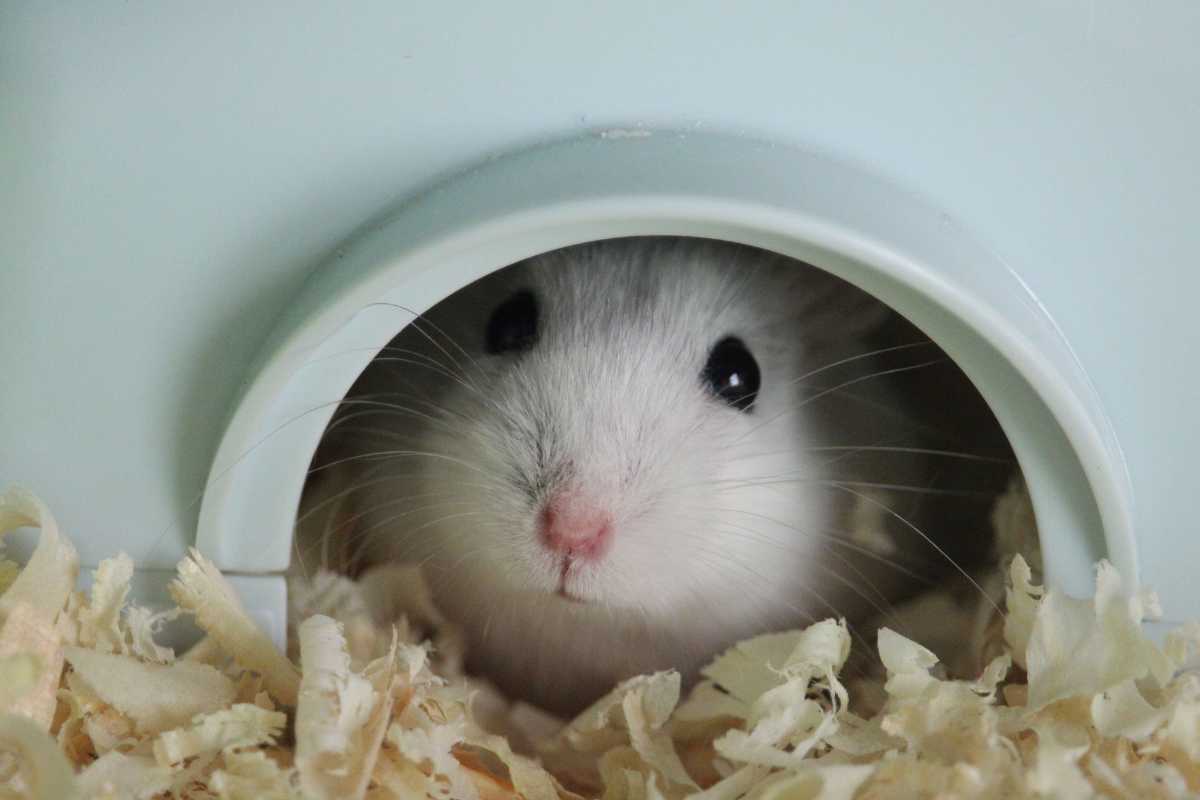
| Aspect | Male Hamsters | Female Hamsters |
|---|---|---|
| Temperament trend | Often more laid-back in Syrians; still varies by individual | Often more active/curious; energy can feel “busier” |
| Scent/marking | Musky marking from scent glands is common | Heat-cycle scent every ~4 days in Syrians |
| Handling | May settle into routine handling quickly | Often playful and exploratory; still tame well with patience |
| Health watchpoints | Misread scent glands/testes as tumors; monitor symmetry & changes | Pyometra risk in unspayed adults; watch for discharge and lethargy |
| Ideal for… | Families who prefer a predictable, mellow companion | Keepers who enjoy a lively, inquisitive personality |
| Housing | Individual housing only | Individual housing only |
Remember, these are tendencies, not promises. Your hamster’s environment and taming will shape their behavior more than sex alone.
By Species: Syrian vs. Dwarf (Fast Notes)
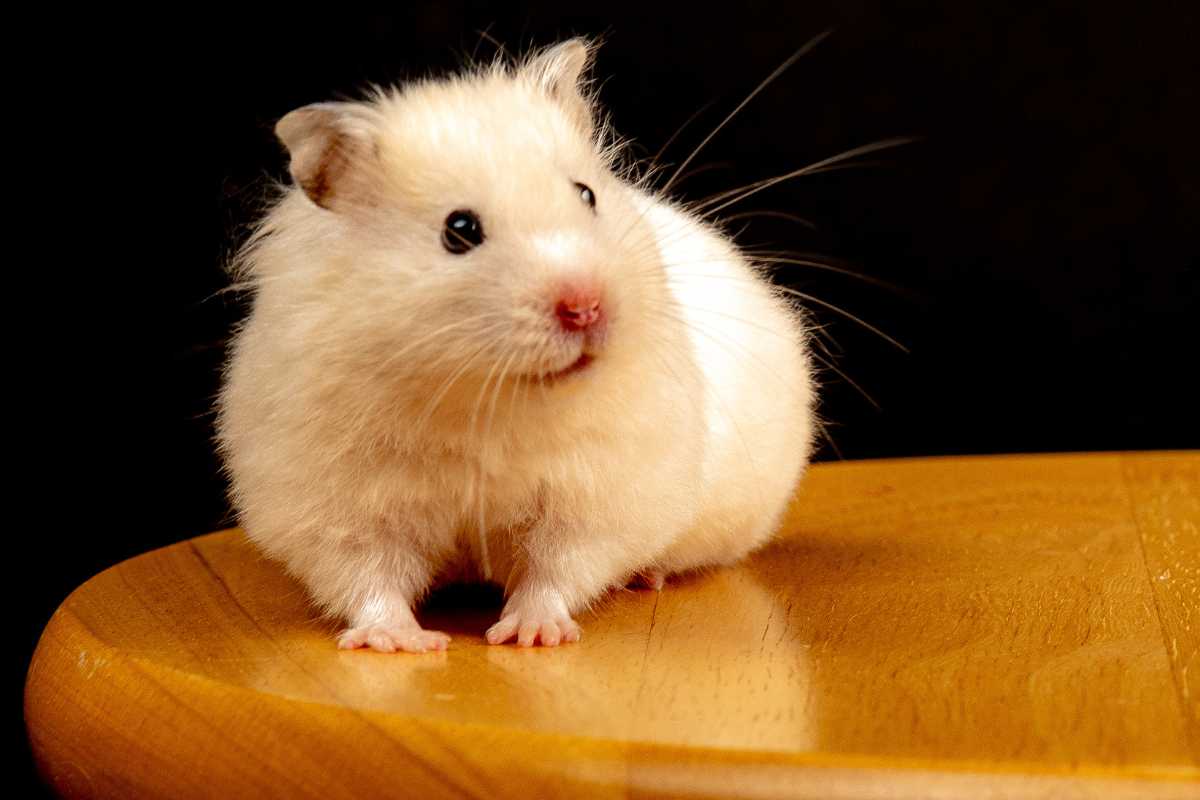
Syrian hamsters are the most common pet species and are strictly solitary as adults. They’re often a bit larger, which some people find easier to handle.
Many owners feel male Syrians lean mellow, and female Syrians lean energetic, but individual variation is huge. Syrians also make the estrus cycle in females more noticeable to owners (scent and behavior).
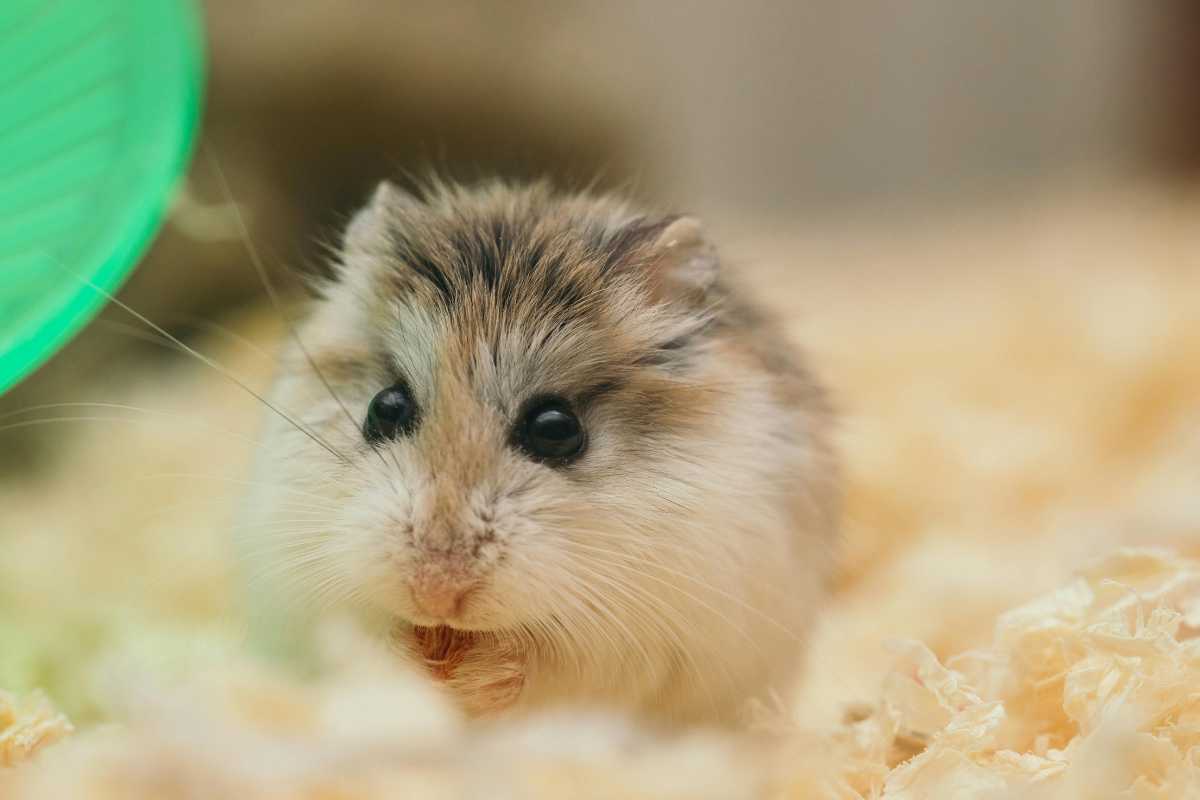
Dwarf hamsters (like Campbell’s, Winter White, Roborovski) are smaller and faster, which can make handling a touch more technical at first.
Some dwarfs in nature may live in pairs, but in home setups the risk of conflict is substantial. Choose individual housing as your default, regardless of sex.
In temperament, dwarfs tend to be zippy and curious, and with patient taming they can be wonderfully interactive.
Handling & Taming Tips That Work for Both Sexes

Whether you pick a male or female, positive, predictable handling turns a shy hamster into a confident companion.
Start with scent introduction (place your hand nearby without movement), then treat association (sunflower seed, tiny nut sliver), and progress to hands-in-habitat exploration where the hamster chooses to step on.
Keep sessions short and sweet, end on a good note, and build up to gentle, two-handed scoops. Avoid waking a sleeping hamster—grogginess can look like grumpiness—and work during their natural active window.
Common Misconceptions to Avoid
A few myths can set new owners up for disappointment:
“Males never smell.” Males can smell musky from scent marking, just as females can smell stronger on heat nights. Good husbandry and spot-cleaning matter more than sex.
“Females are mean.” Females are not inherently mean; many are clever, social with their humans, and superb to handle once trust is built. “Feisty” often reflects under-enrichment, too-small wheels, or interrupted sleep rather than sex.
“Two hamsters are happier together.” For pet hamsters, company means conflict. Individual housing supports well-being and longevity.
Choosing What’s Right for You
If you prefer a companion who may settle quickly into routine handling, a male Syrian is a strong bet—though you should be comfortable with visible testes and mild musky marking.
If you’re excited by a busy little explorer and you maintain a rich, stimulating habitat, a female Syrian can be delightful—as long as you’re fine with an occasional heat-cycle scent.
For dwarf lovers, choose by individual behavior rather than sex; focus on a spacious habitat and gentle, consistent taming.
Final Tips for a Happy, Tame Hamster

The most important factors for a calm, friendly hamster aren’t sex-based at all. They’re about space, enrichment, and respect.
Provide a roomy enclosure with deep bedding, a properly sized solid wheel, and multiple hides and tunnels so your hamster feels in control of their world.
Keep the habitat clean and dry without over-cleaning whole-scale (which can erase comforting scent maps). Build a routine of short, positive handling sessions and end every interaction on success.
When you choose with your eyes open to normal biology—from scent glands in males to estrus cycles in females—and you commit to kind, consistent care, you’ll discover that the best hamster for you is the one whose individual personality clicks with your home and habits.
Key takeaway: Whether you pick male or female hamsters, the path to a great bond is the same—adequate space, smart enrichment, and patient taming.
Choose the individual that feels right, understand the small biological differences that come with sex, and you’ll have a confident, healthy companion who thrives under your care.

Source: Victoria Raechel
Did you find this post useful or inspiring? Save THIS PIN to your Pets Board on Pinterest!

You may also like