
Flying Flips: Mastering the Art of Bird Somersaults


Training your bird to perform tricks can be an incredibly rewarding experience, and one of the most fun tricks to teach is the somersault.
Imagine your bird performing a graceful flip in the air – it’s not just entertaining, but it also builds trust and strengthens the bond between you and your feathered friend.
This guide will walk you through the steps to master the art of bird somersaults, with tips, techniques, and expert advice to make training smooth and enjoyable.
Why Teach Your Bird Somersaults?
Before diving into the "how-to," it’s essential to understand why somersaults are such a great trick to teach your bird.
Benefits of Teaching Bird Tricks
Enhances Bonding: Teaching tricks requires a positive, consistent interaction, helping you build a stronger connection with your bird.
Physical Exercise: Birds need physical activity to stay healthy, and performing tricks like somersaults is an excellent way to provide that.
Mental Stimulation: Trick training keeps your bird mentally sharp, providing stimulation that can help reduce boredom and associated behavioral problems.
Somersaults are an engaging trick that combines physical agility and mental focus. It’s not just about showing off, but it’s also a way to enrich your bird’s life with fun challenges.
Step-by-Step Guide to Teaching Bird Somersaults
1. Building Trust with Your Bird
The first and most crucial step in training any bird is building trust. Without trust, your bird is less likely to respond positively to your commands.
Spend time together: Talk to your bird gently and spend time near their cage. Let them get used to your presence before beginning any training.
Positive Reinforcement: Use treats that your bird loves, but make sure they’re small to avoid overfeeding. Treats will serve as the reward for every success during the training.
2. Starting with Basic Training: "Step-Up" Command
Before attempting the somersault, ensure your bird has mastered basic commands like "step-up" (where the bird climbs onto your finger or hand). This is a vital first step that ensures your bird is comfortable being guided by you.
Hold your hand or perch in front of the bird and wait for them to step up.
Reward immediately with a treat when your bird follows the command.
Once your bird is confidently stepping up, you can start introducing the somersault trick.
Teaching the Somersault Trick: Breaking It Down
3. Encourage the Flip Movement with a Target Stick
A target stick is a fantastic tool for guiding your bird through the movements. This step-by-step approach will gradually teach your bird to flip.
Place a target stick (such as a chopstick) just above your bird’s head and move it slowly to one side, just out of reach.
As your bird reaches for the stick, gently guide them into a flip motion by moving the stick in a way that forces them to spin and turn.
Reward them immediately with a treat when they complete the flip successfully.
4. Shaping the Trick with Repetition
Repeat the process of moving the target stick, but gradually reduce your assistance. Let the bird attempt more of the movement on their own, and only intervene when necessary.
Over time, your bird will begin to recognize the movement associated with the somersault and attempt it without the stick.
Consistency is key: Perform this exercise in short sessions (5-10 minutes) to avoid tiring your bird out.
5. Adding the Verbal Command
Once your bird can perform the somersault consistently with the target stick, it’s time to add a verbal cue.
Use a word like "flip" or "somersault" right before you guide your bird into the motion.
Gradually phase out the target stick, relying solely on the verbal cue to prompt the somersault.
Common Challenges and How to Overcome Them
Training a bird can come with challenges, and somersaults are no exception. Here are some potential problems and solutions:
Problem: Bird is Too Nervous or Shy
Solution: If your bird is hesitant to try the trick, increase the level of positive reinforcement and reduce the training time. Sometimes, birds need a bit more time to build confidence.
Problem: Bird Isn't Completing the Flip
Solution: If your bird struggles to complete the flip, don’t push too hard. Go back to simpler steps, like guiding the bird through smaller, manageable motions before trying the full somersault again.
Problem: Training Sessions Are Too Long
Solution: Keep training sessions short and sweet. Birds have short attention spans, so sessions of five to ten minutes are ideal for preventing fatigue or frustration.
Advanced Tips to Perfect the Somersault
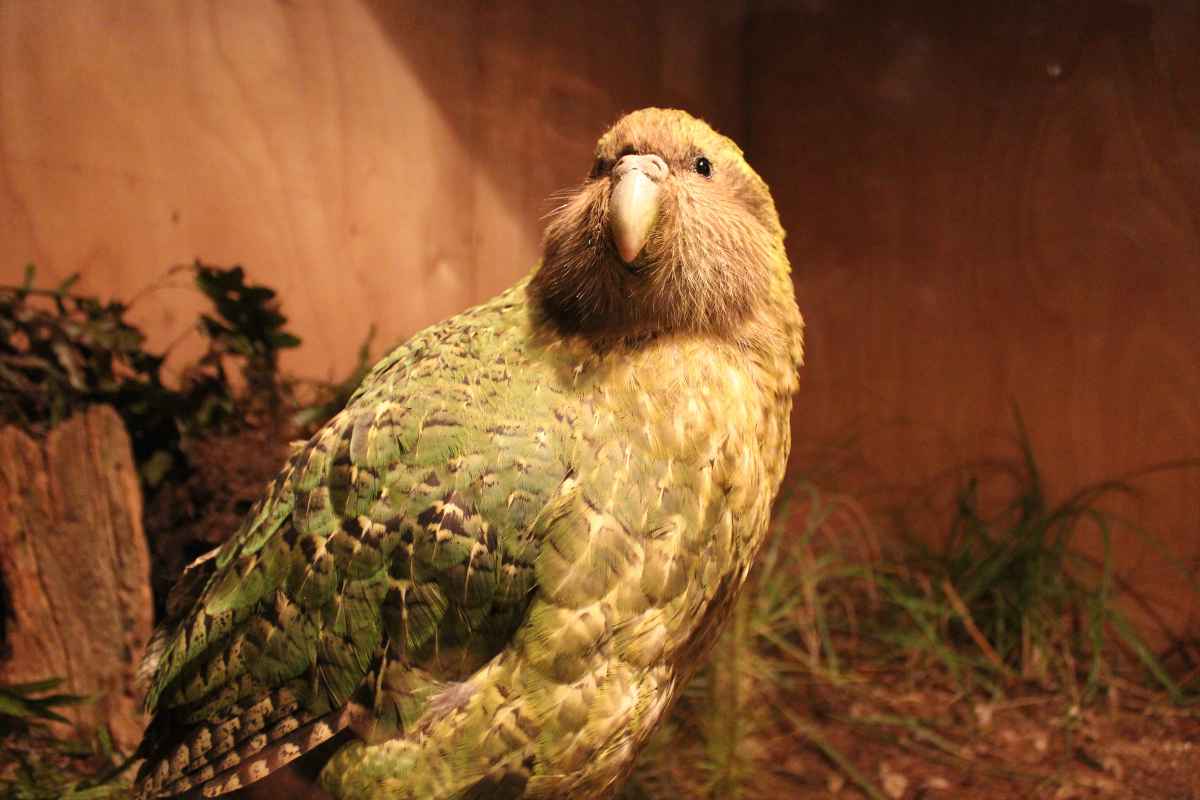
Once your bird has mastered basic somersaults, you can continue to refine and advance the trick.
Change the Environment: Practice in different locations around your home to ensure your bird can perform the trick in various settings.
Add Style: Once your bird is flipping, try varying the speed of the flip or teaching them to flip from one perch to another for added flair.
Final Thoughts on Training Somersaults
Training your bird to perform a somersault is a rewarding experience for both you and your bird.
It not only challenges their physical abilities but also strengthens the bond you share through trust and positive reinforcement.
By following these steps, breaking down the trick, and being patient, you can help your feathered friend master this impressive trick in no time.
Frequently Asked Questions
Q: How long does it take to teach a bird somersaults?
It can take anywhere from a few weeks to a few months, depending on your bird’s personality, prior training, and how often you practice. Consistency is key!
Q: What bird species are best for learning tricks?
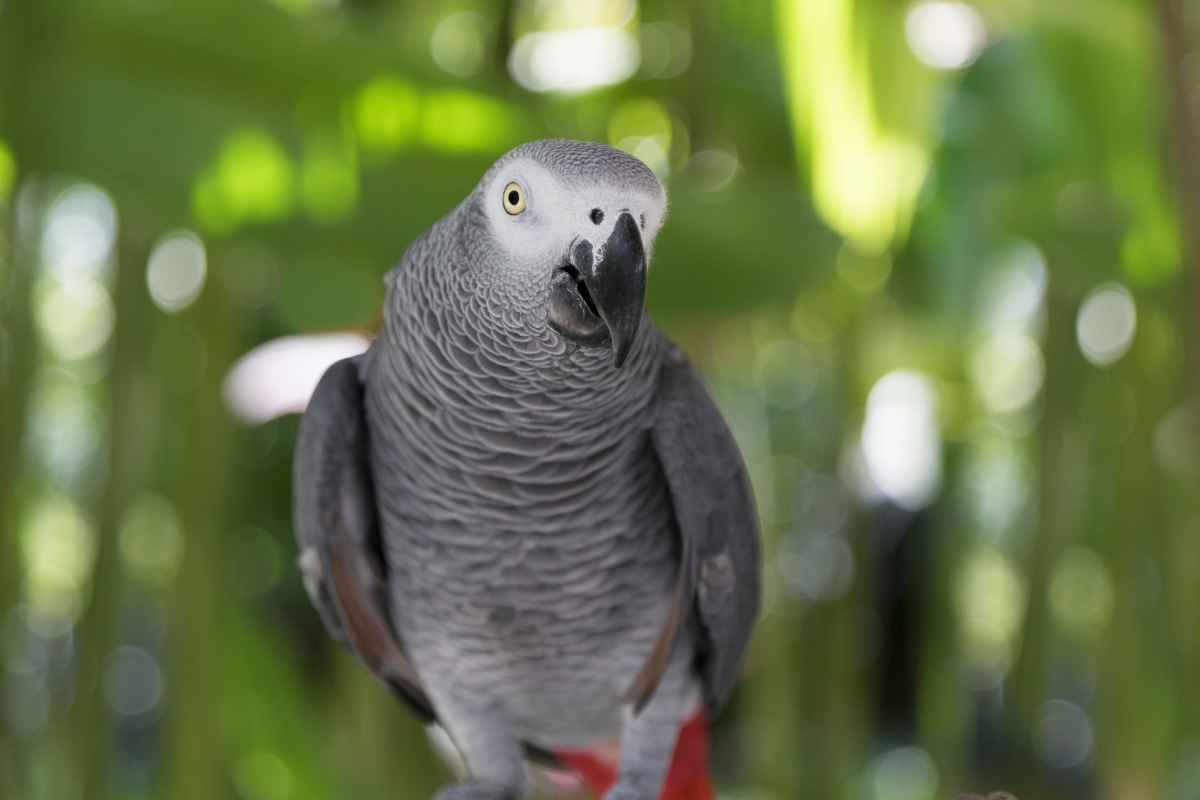
While many bird species can learn tricks, parakeets, cockatiels, and African grey parrots are especially known for their ability to learn complex behaviors like somersaults.
Q: What if my bird is not interested in learning?
If your bird is not showing interest in the somersault trick, try other training activities first to build their trust and engagement with you before revisiting the somersault.
Join Our Bird Training Community!
If you're passionate about training your bird or want to connect with other bird enthusiasts, join our community on Urbaki Pets.
Share your progress, exchange tips, and enjoy exclusive training guides. Sign up today for more expert advice on bird behavior and training!
We hope you enjoy this video about Birds
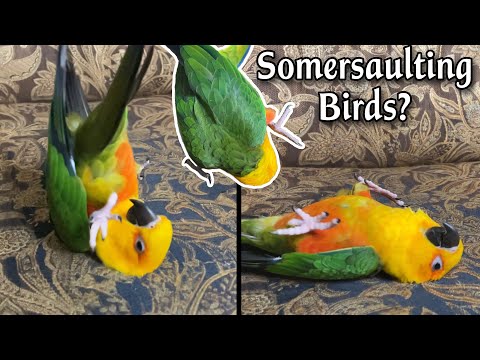
Source: ElleAndTheBirds
Did you find this post useful or inspiring? Save THIS PIN to your Pets Board on Pinterest!

You may also like