
For Beginners! Tips for Riding Bareback


Bareback riding is a unique experience that can strengthen your bond with your horse while improving your skills as a rider.
However, it requires preparation, proper technique, and a strong emphasis on safety. This guide will provide you with the essential knowledge needed to confidently begin riding without a saddle.
1. Preparing Your Horse for Bareback Riding
Before attempting to ride bareback, your horse must be comfortable with your presence and touch.
A well-prepared horse will respond better to your commands and provide a safer riding experience.
Desensitize your horse: Gradually expose your horse to various stimuli, including the sensation of your bare back against them. Start with groundwork and work towards gentle rubbing and body contact.
Establish trust: Spend time building trust with your horse. Horses are sensitive animals and need to feel safe and secure with their rider. This will make them more relaxed when you begin riding bareback.
Warm-up before riding: Start with basic groundwork, lunging, or walking your horse to get their muscles warmed up. This ensures a smooth and safe ride for both you and your horse.

2. Preparing Yourself for Bareback Riding
As the rider, it's crucial to wear the appropriate gear and prepare your body for the physical demands of riding without a saddle.
Wear the right clothing: Choose comfortable and suitable clothing for bareback riding. Wear long pants and boots with a heel to help maintain your position. Always use a helmet for safety.
Activate your core muscles: Bareback riding requires you to engage your core for balance. Perform exercises that strengthen your core and improve your posture before you begin riding.
Proper footwear: It's essential to wear sturdy boots with a heel. This will prevent your foot from slipping through the stirrup if you use one, or ensure a stable position without a stirrup.

3. Mastering Your Posture for Bareback Riding
Your posture is one of the most important factors when riding bareback. Proper alignment and balance are crucial to avoid unnecessary strain on your body and your horse.
Maintain correct alignment: When sitting on your horse, keep your body aligned with your horse’s back. Your ears, shoulders, hips, and heels should be in a straight line. This alignment helps maintain balance and prevent back strain.
Sit tall and relaxed: Do not slouch. Instead, sit up tall with your shoulders back and chest open. Tension in your upper body can be transferred to the horse, making it uncomfortable for both of you.
Engage your core: Bareback riding requires more core strength compared to riding with a saddle. Use your abdominal muscles to support your body and keep your back straight.
4. Using Your Aids Effectively

In horseback riding, aids are the signals you use to communicate with your horse.
When riding bareback, it's even more important to use your aids properly since you don’t have the saddle or reins to help control your position.
Leg aids: Use your legs to signal your horse. Apply gentle pressure with your legs to guide your horse forward or to turn. Be mindful not to apply too much pressure, as this can cause discomfort or confusion for the horse.
Hand aids: Even without a saddle, your hands should be relaxed and hold the reins lightly (if using them). Avoid pulling on the reins; instead, use soft, subtle movements to communicate with the horse.
Seat aids: Your seat can also be used to convey signals to the horse. For example, shifting your weight forward can indicate a transition to a faster gait, while leaning back slightly can signal the horse to slow down.
5. Ensuring Safety While Riding Bareback
Riding bareback can be exhilarating, but it’s crucial to prioritize safety for both you and your horse.
Start in a controlled environment: Begin riding in an enclosed arena or paddock where your horse is familiar with the area. This minimizes distractions and reduces the chances of unexpected situations.
Mount and dismount carefully: Always mount and dismount in a controlled manner. Use a mounting block to help you get on the horse, and be mindful of your balance while getting off.
Know how to fall safely: Falling is a part of riding, but knowing how to fall can reduce the risk of injury. Always try to fall to the side and roll rather than landing directly on your back.
Wear protective gear: Always wear a helmet when riding bareback. While riding bareback, you may be at a higher risk of falling, so it’s important to protect your head.

6. Progressing Gradually
Bareback riding is not something that should be rushed. Start with small sessions and gradually build up your confidence and skill.
Begin with walking: At first, focus on walking. Get comfortable with maintaining your balance and using your aids at a slower pace.
Move to trotting: Once you are comfortable at the walk, try trotting. This will challenge your balance and posture further, but make sure you are steady and confident before trying this faster gait.
Increase the duration: As you become more confident, gradually increase the amount of time you spend riding bareback. This will help build endurance for both you and your horse.

7. Common Mistakes to Avoid
Even experienced riders can make mistakes when riding bareback. Here are some common mistakes to watch out for:
Slouching: This can cause discomfort for both you and your horse. Always focus on sitting tall with a strong core.
Gripping with your legs: While you may feel the need to hold on tightly with your legs, this can cause your horse to become tense. Use light, soft pressure with your legs to maintain your position.
Not paying attention to your horse's behavior: Always be aware of your horse’s body language. If your horse seems uncomfortable or restless, stop and reassess the situation.

Conclusion
Bareback riding is a wonderful way to connect with your horse and develop your skills as a rider.
With patience, practice, and attention to safety, you can enjoy the unique experience of riding without a saddle.
By focusing on your posture, using your aids effectively, and progressing gradually, you can build confidence and achieve success in bareback riding. Remember to always prioritize safety, and enjoy the journey with your horse!
We hope you enjoy this video about Horses
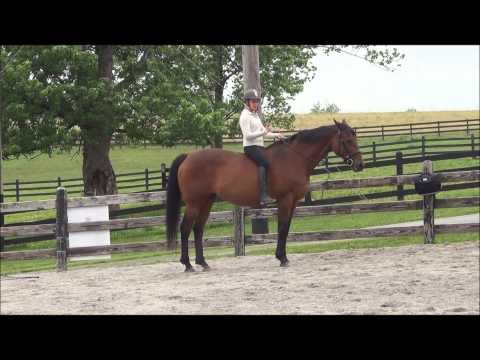
Source: HorseClass
Did you find this post useful or inspiring? Save THIS PIN to your Pets Board on Pinterest!

You may also like