
From Walk to Canter: How to Ride a Horse like a Pro


Equestrian sports can seem daunting at first, but with the right approach, you can master the basics and begin riding like a pro.
Whether you're stepping into the saddle for the first time or looking to refine your skills, this guide will help you transition smoothly from walk to canter, while ensuring a safe and enjoyable ride.
Let's dive into the essential techniques that will set you on the path to becoming a skilled rider!
The Basics of Horseback Riding

Before we move on to more advanced gaits like the canter, it’s essential to understand the foundations of horseback riding.
Proper posture, a calm demeanor, and effective communication with your horse are key to making your riding experience comfortable and effective.
Start by ensuring that your heels are down and your toes are pointed forward.
Your back should be straight but relaxed, and your shoulders should remain aligned with your hips. Keep your hands soft on the reins, making subtle adjustments without pulling.
It's also important to maintain a relaxed grip on the reins. Tension in your hands can be felt by the horse, which might make it more difficult to control its movements.
Mastering the Walk

The walk is the slowest gait and a great place to start. It’s a comfortable, four-beat movement where the horse has one foot on the ground at all times.
Here's how to ride it like a pro:
Sit deep into the saddle: This provides you with better control and balance.
Move with the horse: Allow your body to gently move with the rhythm of the walk. Think of it as swaying along with the horse’s natural movement.
Use your legs: Keep your legs gently on the horse’s sides. This signals the horse to keep moving forward and ensures that it stays at a steady pace.
At first, try focusing on staying relaxed and letting the rhythm of the walk guide your movements.
Trot: Finding Your Balance

The next step in your riding journey is mastering the trot.
This two-beat gait is faster than the walk and requires you to post, which means rising and sitting in the saddle in sync with the horse’s movement.
Here’s how to master the trot:
Rise and sit with the horse's motion: As the horse moves, you’ll need to lift yourself out of the saddle when the horse’s diagonal pair of legs moves forward, and sit when they move back.
Keep your elbows bent: This helps with maintaining fluidity while trotting. Keep your hands soft and ensure you’re not pulling on the reins.
Relax your core: Tensing up can make the trot uncomfortable, so focus on staying loose while maintaining your balance.
At first, this can feel bouncy, but with practice, it becomes second nature.
Canter: The Next Step in Your Journey
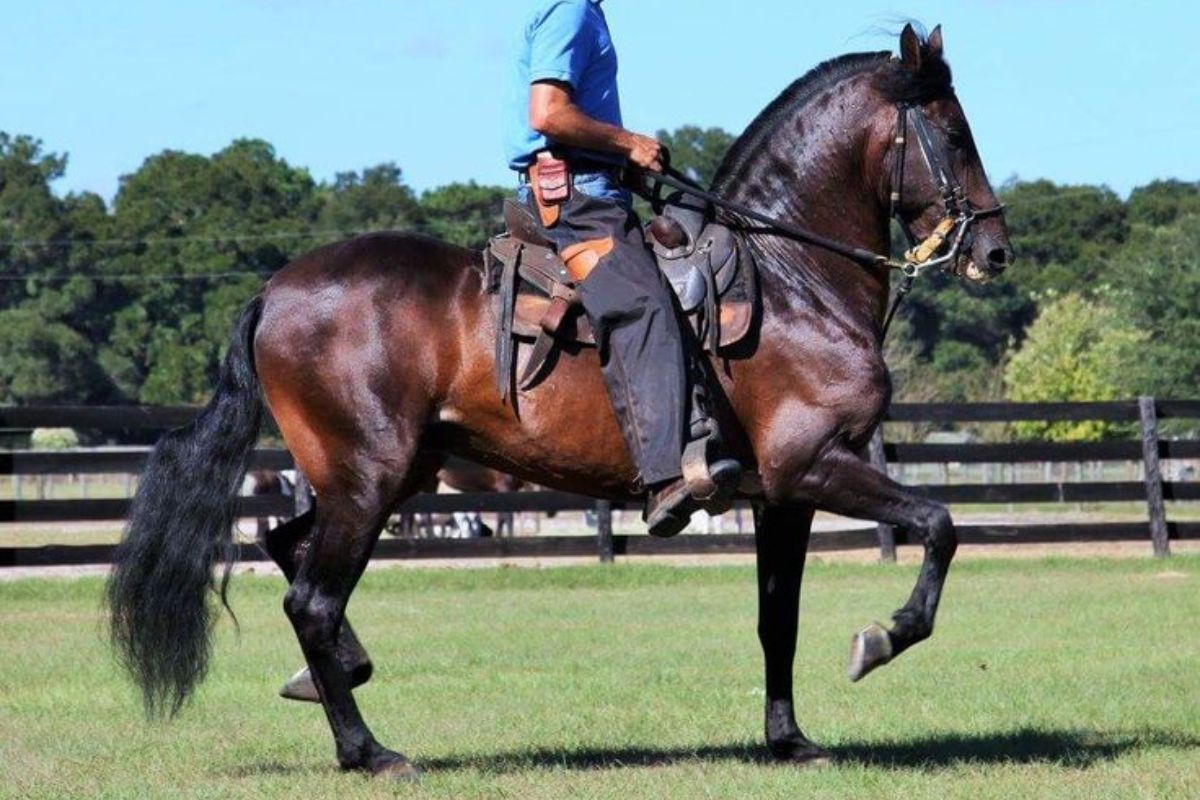
Once you’re comfortable trotting, it’s time to move on to the canter—a three-beat gait that is faster and more fluid than the trot.
Here’s how to transition from a trot to a canter:
Prepare to give the correct signal: Gently push your outside leg (the leg furthest from the wall of the arena) back and apply light pressure. At the same time, subtly ask with your inside rein.
Be mindful of your seat: When the horse begins to canter, try to stay with the rhythm by gently sitting back into the saddle and lightening your seat with each stride.
Keep a soft contact with the reins: Don’t pull, but rather guide the horse by maintaining a consistent, relaxed connection.
The canter may feel more dynamic, but with practice, you’ll learn to flow seamlessly with the horse’s movement.
The Importance of Communication with Your Horse

Successful riders understand that riding is not just about technical skill, but also about communication with the horse.
You need to establish trust and be clear in your intentions.
Here’s how to improve your communication with your horse:
Use your legs wisely: Apply soft pressure with your calves to guide the horse in the right direction. Be gentle and consistent.
Voice commands: Horses respond well to voice cues. Use calm commands like “walk,” “trot,” or “canter” to let your horse know what you want.
Stay calm and confident: Horses are sensitive to your emotions. When you’re calm and confident, your horse will be more likely to respond positively.
Conclusion: From Novice to Pro
Becoming a pro rider takes time, but with the right foundation, you’ll be cantering like a seasoned equestrian before you know it.
Remember, riding is about consistency, patience, and a strong connection with your horse. Keep practicing, stay positive, and enjoy the ride!
Are you ready to take the reins and begin your equestrian journey? Start by practicing the basics and gradually moving to more advanced gaits like the canter. With each ride, you'll gain more confidence and skill.
We hope you enjoy this video about Horses
Source: JSHorsemanship
Did you find this post useful or inspiring? Save THIS PIN to your Pets Board on Pinterest!

You may also like