
Giddy Up: Essential Tips for New Horse Owners


Owning a horse can be a rewarding and fulfilling experience, but it comes with its challenges. For new horse owners, the journey can be both exciting and overwhelming.
Whether you're planning to keep your horse for pleasure riding, show jumping, or just as a companion, there are essential tips to ensure you and your horse build a strong, positive relationship.
This guide will provide practical advice to help you navigate the early stages of horse ownership with confidence.
Choosing the Right Horse for You

The first step in your horse ownership journey is selecting the right horse. This decision will greatly impact your experience as an owner.
When choosing a horse, consider factors such as your riding experience, the horse's temperament, and your specific goals.
A beginner rider may be more comfortable with a calm, steady horse that has some training experience.
Conversely, if you have experience, you may be more suited for a younger or more energetic horse. Make sure to have a vet check and talk to the seller about the horse’s history, including any health issues.
Creating a Safe and Comfortable Living Environment

Once you've chosen your horse, the next important step is to create a safe, comfortable environment for them. Horses require ample space, proper shelter, and a clean, well-maintained barn or paddock.
Stabling: Your horse's living space should be large enough for them to move around comfortably. A standard stall size should be at least 12x12 feet.
Feeding Area: Ensure your horse has access to clean, fresh water at all times, and choose a feeding area that’s quiet and free from distractions.
Turnout Area: Horses need time to graze and move freely. A spacious pasture or paddock is essential for their well-being.
Proper Nutrition for Your Horse

Good nutrition is a key factor in your horse's health. A well-balanced diet not only supports their energy needs but also keeps their coat shiny and their hooves strong.
Hay and Grass: Horses are herbivores, and their primary source of food should be high-quality hay or grass. Make sure to choose the right type of hay for your horse’s age, breed, and activity level.
Grain: If your horse is particularly active or underweight, they may need a grain supplement. Consult your veterinarian for specific feeding recommendations based on your horse’s needs.
Supplements: Some horses may require additional vitamins and minerals, especially if they are older or have specific health concerns. Always consult with a vet before introducing new supplements.
Regular Grooming and Health Care

Regular grooming is vital for your horse’s health and helps to build trust between you and your horse. A clean coat and hooves also make it easier to spot any health issues.
Brushing: Groom your horse at least a few times a week to remove dirt, sweat, and debris. Pay attention to areas like the mane, tail, and underbelly, where dirt can accumulate.
Hoof Care: Regular hoof care is essential to avoid problems like lameness or infections. Make sure to have your horse's hooves trimmed by a professional farrier every 6-8 weeks.
Vet Visits: Schedule annual veterinary check-ups and keep up-to-date with vaccinations, deworming, and dental care.
Training and Handling: Building a Positive Relationship

Building a strong relationship with your horse is crucial for both your safety and their well-being. Training and handling should be done with patience, consistency, and a positive attitude.
Basic Training: Start with simple commands and work on leading your horse, mounting, and getting used to basic tack (saddles, bridles, etc.). Reward good behavior with treats and praise.
Handling and Behavior: Pay attention to your horse's body language and reactions. Understanding your horse’s moods and behavior can help prevent accidents and build trust.
Dealing with Fear: Horses are prey animals, and they may become scared easily. If your horse reacts negatively to certain situations, handle the situation calmly and give them time to adjust.
Tack and Equipment: Finding the Right Fit

The right tack is essential for both your comfort and the horse's safety. Properly fitted saddles, bridles, and girths are critical for avoiding pain or discomfort during rides.
Saddle Fit: A poorly fitting saddle can cause back pain or even lead to long-term injuries. Consult a professional saddle fitter to ensure your saddle is the correct size and shape for your horse.
Bridle Fit: Make sure the bridle fits snugly but comfortably. A bridle that is too tight can cause rubbing and discomfort, while a loose one may not provide proper control.
Protective Gear: Invest in appropriate protective gear like leg wraps or boots, especially if your horse is active in sports like jumping or racing.
Exercise and Mental Stimulation

Exercise is crucial for keeping your horse physically and mentally fit. Regular riding sessions, as well as groundwork and lunging, help to keep your horse in good shape.
Riding: Aim for regular rides to keep both you and your horse active. Tailor your rides to your horse’s level of fitness and ensure the intensity increases gradually.
Groundwork: Groundwork, such as lunging or long lining, can help improve your horse's balance, flexibility, and obedience without putting too much strain on them.
Variety: Horses, like people, enjoy variety. Changing up your routines with different types of work and environments will keep them engaged and prevent boredom.
Understanding Your Horse’s Behavior

Every horse has its unique personality and quirks. Getting to know your horse’s behavior is crucial for managing them effectively.
Body Language: Learn how to read your horse's body language to understand their emotions and reactions. Horses use their ears, eyes, and posture to communicate how they feel.
Temperament: Some horses are naturally more relaxed, while others may be more high-strung or anxious. Understanding your horse’s temperament will help you approach training and handling more effectively.
Seeking Professional Help When Needed

As a new horse owner, you might encounter challenges that require professional assistance. Whether it’s training, health issues, or behavior problems, it’s important to know when to ask for help.
Trainer: If you're struggling with training, a professional trainer can provide valuable insight and assistance. Look for trainers who have experience working with young horses or first-time owners.
Vet: Always consult a veterinarian if you notice any unusual behavior, signs of illness, or injuries. Timely medical care can prevent minor issues from turning into major health problems.
Farrier: Regular hoof care is essential, so don’t hesitate to call a farrier if you notice your horse’s hooves are becoming uneven or damaged.
Conclusion: Embracing the Journey
Horse ownership is a long-term commitment that requires dedication, patience, and love. By following these essential tips, you’ll be well on your way to creating a happy, healthy relationship with your horse.
Remember, the journey may have its ups and downs, but with the right mindset and resources, you and your horse will thrive together. Keep learning, stay patient, and enjoy the wonderful experience of being a horse owner.
Enjoy The Video About Horses
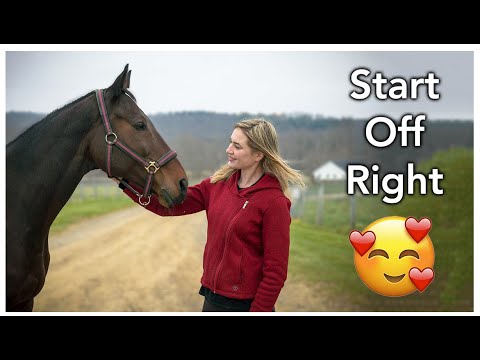
Source: JSHorsemanship
Did you find this post useful or inspiring? Save THIS PIN to your Pets Board on Pinterest!

You may also like