
Handle With Care: Essential Body Handling Techniques for Your Dog


A calm dog is a safe dog. Learning low-stress dog handling and reading dog body language turns everyday care—nail trims, ear checks, brushing—into moments of trust instead of tension.
Whether you live with a wiggly puppy or a dignified senior, the way you touch, lift, and examine your dog can either build confidence or chip away at it.
This guide shows how to create a handling routine rooted in patience, predictability, and positive experiences so your dog can relax while you take care of essential grooming and health tasks.
At the heart of great handling is a simple idea: your dog is communicating long before they bark or growl. When we slow down and listen—eyes, ears, tail, breathing, and posture—we prevent conflict and help our dogs feel secure.
Add cooperative care techniques that give your pet a sense of choice, and routine husbandry becomes easier, faster, and much safer for everyone.
Reading Your Dog: Stress Signals You Must Respect
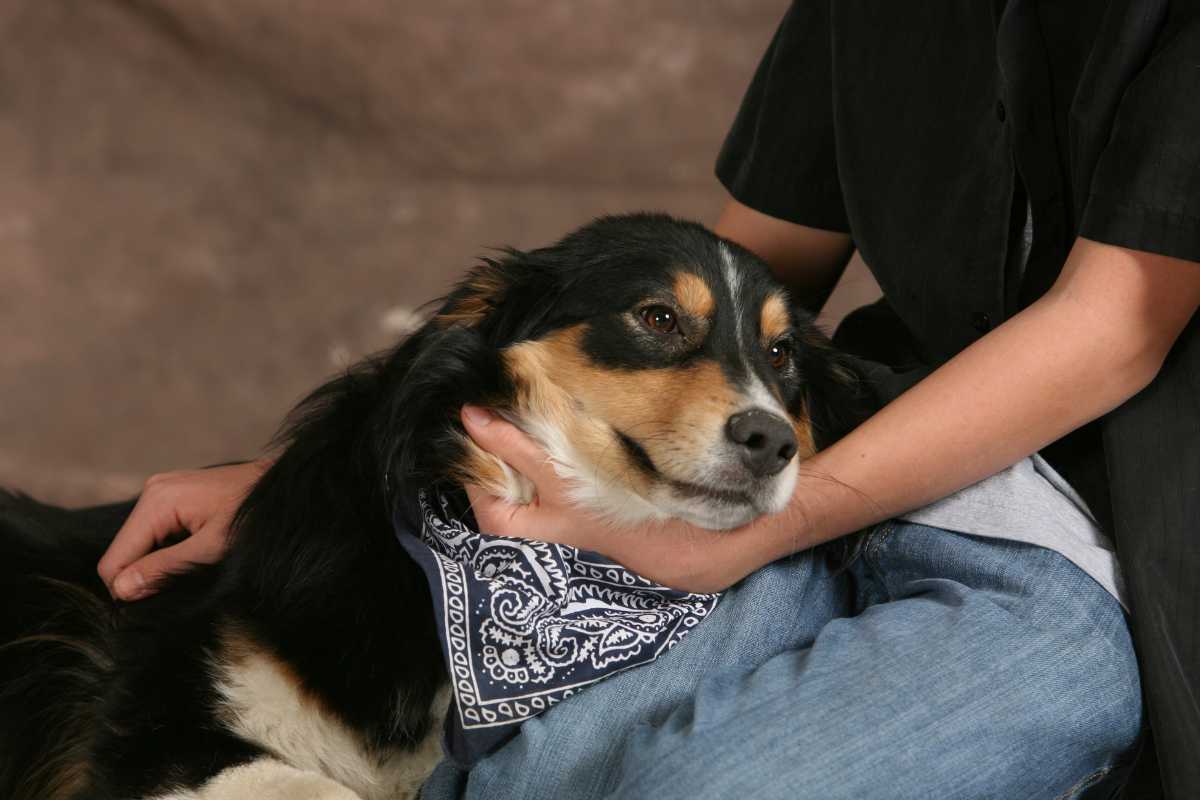
Handling begins with observation. Dogs constantly broadcast how they feel, especially when a human hand reaches toward sensitive areas like paws or ears. Recognizing these signals keeps interactions friendly and prevents escalation.
“Yellow-light” body language
Think of early stress signs as a polite whisper: “I need a second.” You might notice quick lip-licks, a yawn that doesn’t match the situation, subtle whale eye where a crescent of white shows, or a sudden stillness that replaces natural, loose movement.
The tail may sink a little, the mouth may close, and the dog might turn their head away to diffuse tension. These are not dramatic behaviors, but they are meaningful.
When you see them, pause, soften your voice, and give space. Pair your next approach with a gentle touch and a small treat so your dog begins to associate your hands with good things.
“Red-light” body language
If the whispers are ignored, dogs speak more clearly. A frozen statue-like posture, tucked tail, ears pinned tight, growling, air-snapping, or a full-body flinch are red-light signals that say “stop.”
Respond by ending the session, guiding the dog to a calm activity, and resetting your plan for later. Respecting these boundaries is not “giving in.” It is how trust-based handling is earned.
Building Trust at Home: Low-Stress Handling Fundamentals
You don’t need long sessions or complicated routines. Instead, use short, predictable moments woven into daily life. Over time, these micro-sessions build a positive history of touch.
Paws & nails: from tense to tolerant
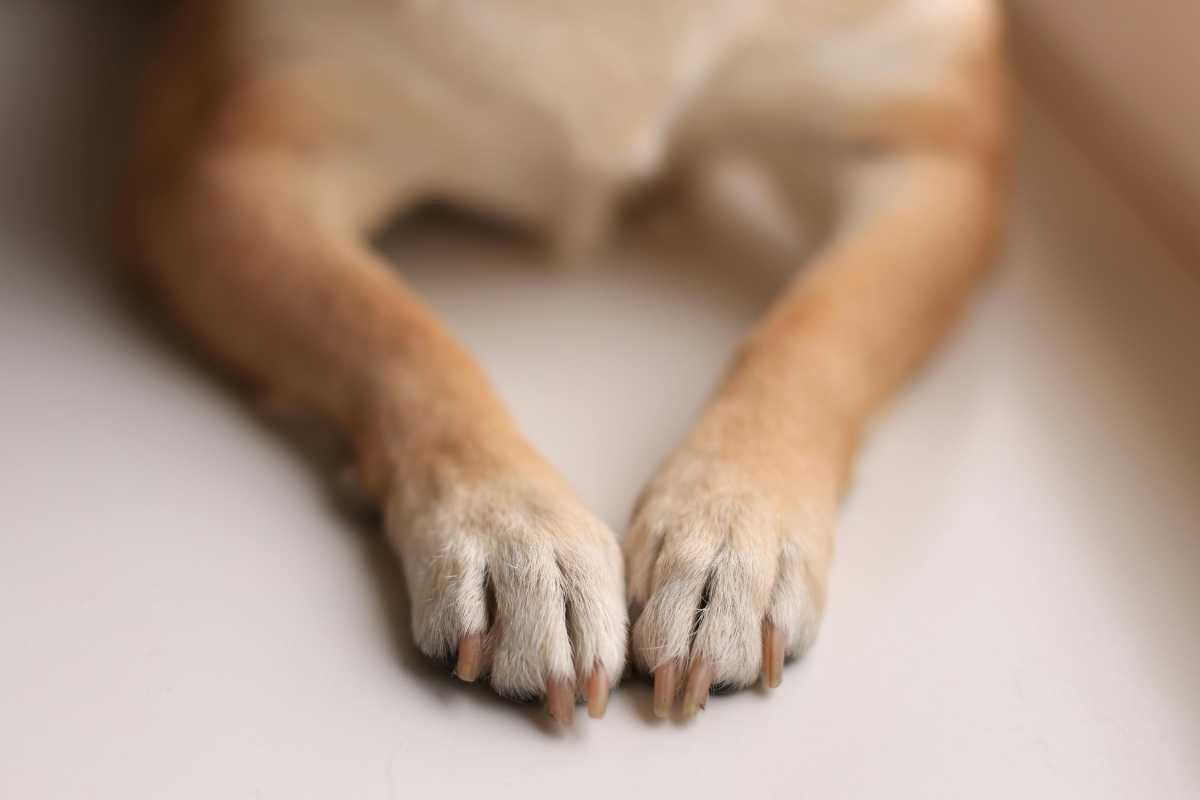
Paws are sensitive, and nails can be a flash point. Start outside of “grooming mode.” While relaxing together, lightly touch a shoulder or foreleg, then briefly brush the top of a paw and release.
Follow with a calm “good” and a tiny reward. This touch-and-release rhythm prevents the feeling of being trapped and accelerates comfort.
Introduce the sight and sound of clippers or a grinder away from the paw, adding high-value reinforcement whenever the tool appears.
Over days, the distance shrinks. If you notice tension, step back to the last place your dog was comfortable and repeat that easy rep.
The goal isn’t perfection in one sitting—it’s a steady pattern of success that makes nail care for dogs genuinely manageable.
Ears, mouth, tail & coat: short touches, big payoffs
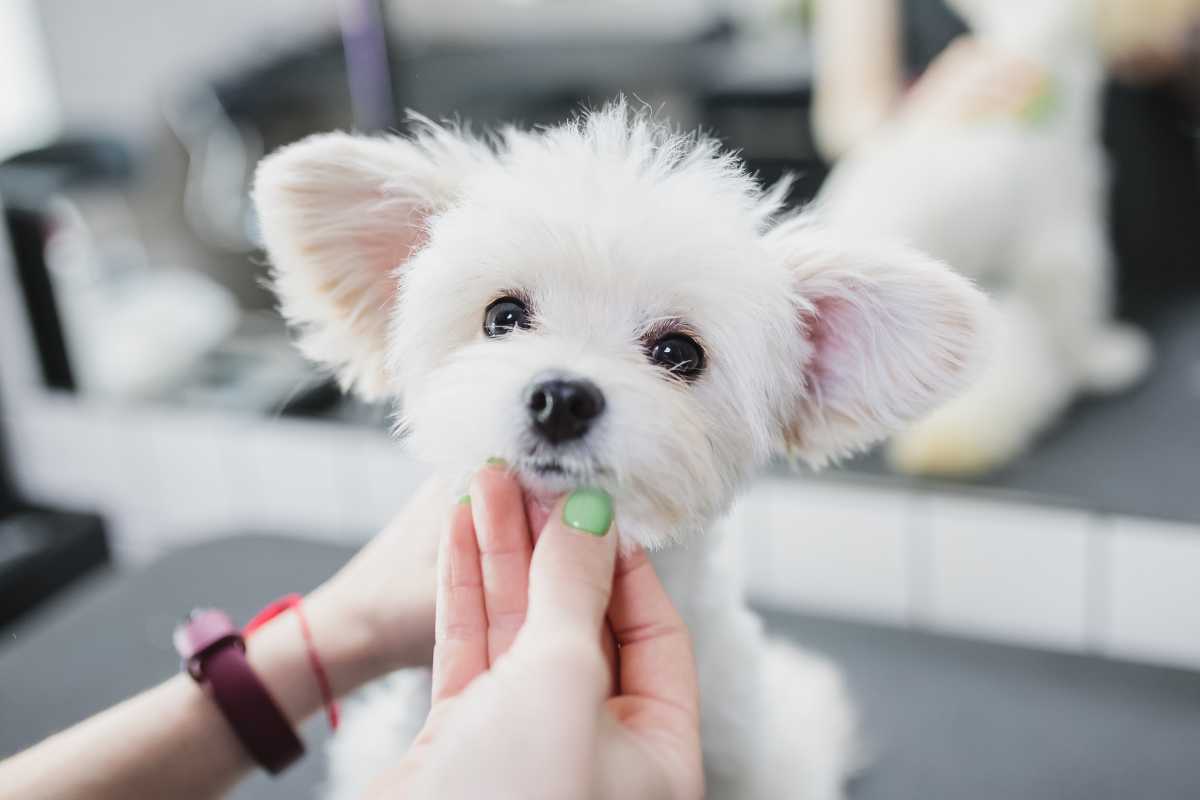
Gentle ear checks, a quick lip lift to peek at teeth, lifting the tail an inch for a second—each micro-action teaches your dog that brief handling is predictable and goes away fast.
Pair every new sensation with something your dog loves: a soft voice, a slow exhale, a food reward. For brushing, begin with one or two strokes in an area your dog enjoys and stop while it still feels easy.
Ending on a “win” tells your dog that staying calm makes the interaction end sooner—ironically building tolerance more quickly than pushing through resistance ever could.
Cooperative Care: Let Your Dog Say “Yes”

Cooperative care adds a powerful layer to low-stress handling: it gives the dog a clear way to opt in. When an animal can predict what will happen and signal readiness, fear drops, and cooperation rises.
The chin-rest “start button”
A favorite cooperative-care behavior is the chin rest. Your dog learns to place their chin on your palm or a rolled towel. Chin down means “I’m ready for brief handling.” If the chin lifts, you pause.
This simple start-button behavior turns care into a conversation. During ear checks or paw touches, you pause and wait for the chin to return to the rest before continuing.
Over time, the dog discovers that choosing stillness makes handling clear, gentle, and short. That sense of control is transformative, especially for sensitive dogs.
Predictability beats restraint
Most handling problems come from uncertainty, not stubbornness. Narrate what you do in a calm voice, keep your movements slow, and create a familiar sequence: position, touch, reward, release.
A consistent pattern reduces surprise and replaces restraint with consent-based handling.
Puppies: Early Handling That Pays Off for Life

Puppies are sponges for new sensations. Building puppy socialization around touch sets the stage for a lifetime of cooperative care.
Keep interactions quick, playful, and varied: brief paw holds, soft brush strokes, a second of ear contact, a moment with a toothbrush near the gums.
Pair each novelty with tiny rewards and frequent breaks so excitement doesn’t tip into overwhelm.
Invite your puppy to climb onto a bath mat, stand still for a breath, and earn a treat—this early “micro-grooming” paves the way for future nail trims, baths, and vet visits.
Equally important is teaching recovery. If your puppy startles, lead them to a predictable activity—sniffing, chewing, or a simple cue they love.
Resilience grows when a mild stressor is followed by something the puppy can do successfully. That balance of challenge and control is the secret ingredient of fear-free handling later on.
When Handling Gets Hard: Safety and Professional Help
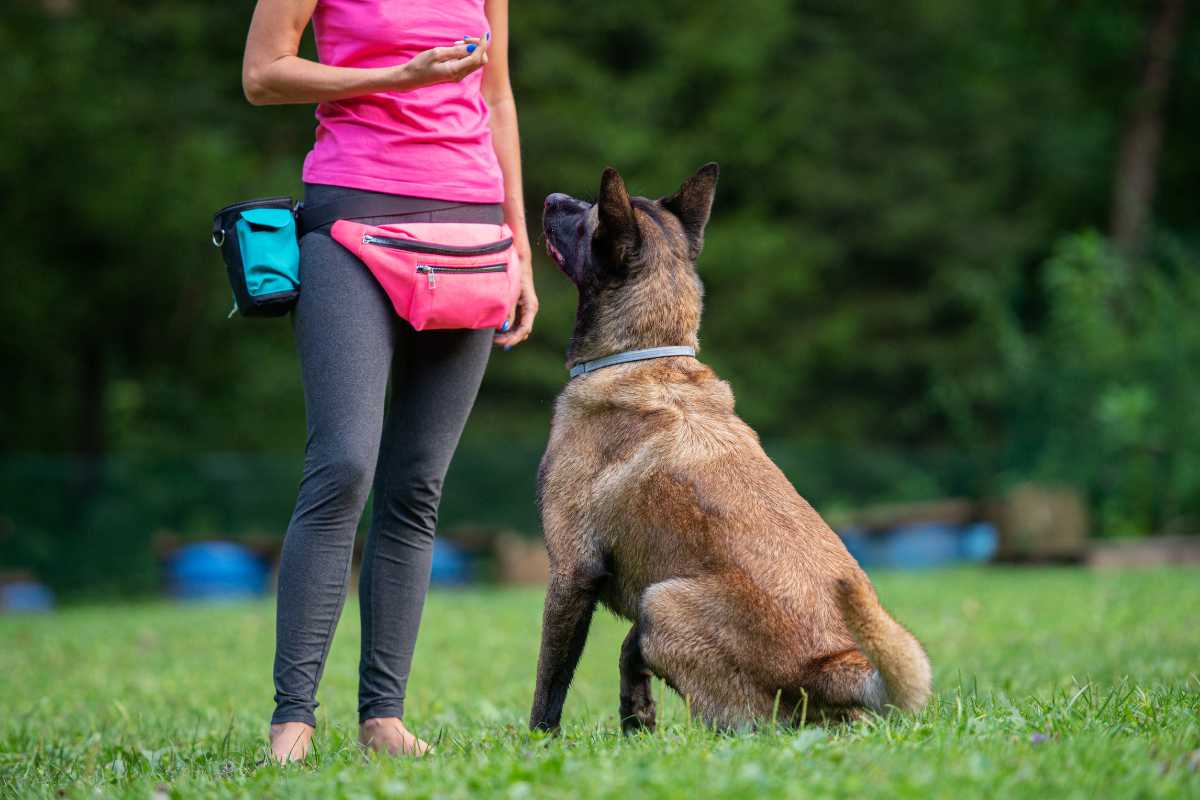
Some dogs carry a history we can’t see—pain, trauma, or chronic fear. If handling consistently triggers intense reactions, pause the DIY approach.
A check-up can rule out medical causes like dental pain, skin irritation, ear infections, or orthopedic issues that make touch uncomfortable.
Your veterinarian may recommend temporary support, from anti-nausea meds for car travel to calming aids for grooming days, while you work on training.
If fear or aggression appears, partner with a qualified trainer or behavior consultant who uses positive reinforcement and modern, humane methods.
They can design a plan using desensitization and counterconditioning—gradually pairing tiny doses of the scary thing with truly great outcomes—so your dog’s feelings change from “uh-oh” to “this is okay.”
For heavy shedders or dogs with mats, consider a fear-free groomer who schedules extra time, uses gentle handling aids, and respects stop signals. There is no prize for pushing through; there are huge rewards for going slow.
Make Everyday Life Your Training Ground
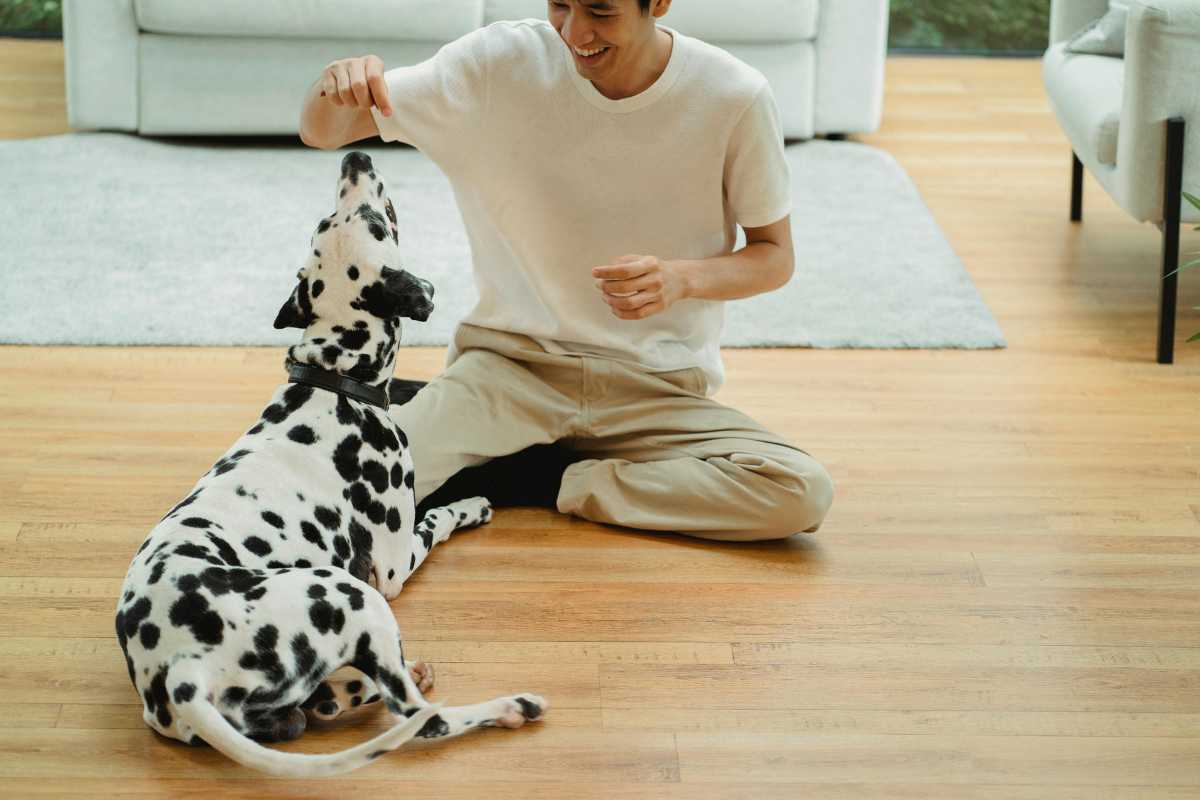
The magic of low-stress dog handling is that you can practice without carving out a training block. Pause a movie to touch a shoulder and release.
Scratch a chest fluff, then briefly lift a paw. Before dinner, invite a chin-rest for three calm breaths. Each micro-moment deposits trust in your account.
Keep sessions short, celebrate small wins, and stop while your dog still seems eager to continue. The result is a dog who understands the pattern: touches are brief, rewards are frequent, and I can opt out.
FAQs That Keep Care Calm

How do I know my dog wants me to stop?
Look for early stress signals—lip-licks, yawns, stillness, head turn, or whale eye. If you see them, pause and reset. Think of these as yellow lights that keep you from hitting a red light like a growl or snap.
What if my dog hates nail trims?
Shift the goal from “finish all nails” to “create relaxed reps.” Present the tool, feed, and end. Build to a second of contact, then two.
This desensitization and counterconditioning approach is faster in the long run because it prevents setbacks and builds true tolerance.
Can I teach an older dog cooperative care?
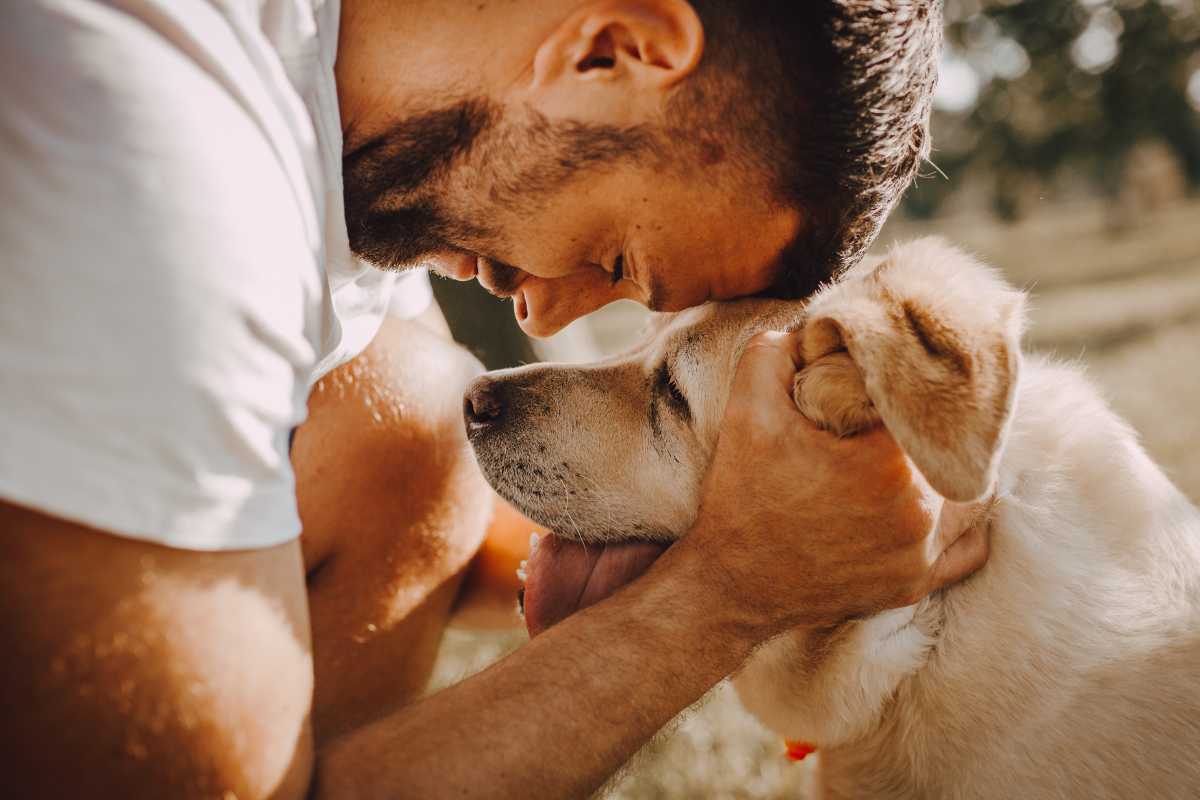
Absolutely. Start with what your dog already finds easy—perhaps a chin near your palm while you do nothing—reward generously, and only add tiny bits of handling as your dog chooses to continue.
Choice and predictability work at every age.
Is restraint ever okay?
Safety matters. Gentle, brief restraint may be necessary for emergencies or medical procedures.
Even then, you can cushion the experience with calm handling, soft surfaces, and rewards afterward. For routine care, aim to replace restraint with consent as much as possible.
From Restraint to Relationship

Great handling is not a checklist—it’s a relationship practice. When you honor canine body language, build in cooperative care, and let your dog’s comfort guide the pace, you transform ordinary grooming and health checks into trust-building rituals.
The payoff shows up everywhere: easier vet visits, smoother grooming, safer interactions with kids, and a dog who approaches your hands with confidence instead of concern.
Start small. Choose one moment today—perhaps a single chin-rest before dinner or a brief paw touch during a cuddle—and make it predictably positive.
Those tiny, respectful reps add up quickly. With low-stress handling as your foundation, care becomes more than maintenance; it becomes a daily way of saying, “I see you, I hear you, and you’re safe with me.”
Enjoy The Video About Dogs
Source: vetstreet.com
Did you find this post useful or inspiring? Save THIS PIN to your Pets Board on Pinterest!

You may also like