
Healthy Habits, Happy Horse: Tips for Improving Your Horse's Diet


A healthy diet is essential for your horse’s overall well-being, just as it is for humans. Proper nutrition ensures they have the energy for work, play, and living a happy life.
As a horse owner, it's crucial to understand the importance of balanced nutrition to maintain a happy, healthy horse.
In this article, we’ll dive into the best habits you can implement to improve your horse’s diet and keep them in top shape.
Understanding Your Horse’s Nutritional Needs

Horses are herbivores with unique dietary requirements. Unlike us, their digestive system is designed for continuous grazing, so a consistent intake of roughage is crucial for their health.
Their stomachs are relatively small, and it’s essential to provide them with frequent, smaller portions of food throughout the day.
The Importance of Forage
At the foundation of a horse’s diet is forage, primarily grass or hay. A high-quality hay such as timothy, alfalfa, or orchard grass should be provided in abundant amounts.
Forage is rich in fiber, which aids in digestion and keeps their digestive tract functioning smoothly.
A good rule of thumb is to offer at least 1.5% of your horse’s body weight in forage daily. This will help your horse maintain a healthy weight and avoid digestive issues such as colic or ulcers.
Balancing Concentrates and Supplements

While forage should make up the bulk of your horse’s diet, adding concentrates like grains or specially formulated horse feed is important for horses with higher energy needs.
These include performance horses, pregnant mares, or growing foals.
When to Add Grain
Grain can be beneficial, but it should not be overused. Horses who are working hard or those with higher caloric needs may require grain, but for most horses, too much grain can lead to obesity, colic, and digestive issues.
If your horse is not performing at a high level, they likely don’t need grain. Opt for low-starch, high-fiber feed to maintain digestive balance.
Supplements: To Use or Not to Use?
Supplements can support your horse's health, but they should be used only when necessary. If your horse has a deficiency or specific health concerns, consult your veterinarian to determine whether a supplement is needed.
Common supplements include joint health formulas, vitamin E, and omega-3 fatty acids.
Don’t Forget Hydration
Water is one of the most important elements of your horse’s diet. Horses can drink anywhere from 5 to 10 gallons of water a day, depending on their activity level, size, and weather conditions.
Ensure that your horse always has access to clean, fresh water. Dehydration can lead to serious health complications, including colic and kidney problems.
Treats and Extras: Moderation is Key

Horses love their treats, but it’s important to offer them in moderation. Excessive treats can lead to obesity and behavioral problems.
Always choose treats that are specifically made for horses, like carrot slices, apple pieces, or horse-safe cookies. Avoid feeding them human food or sugary treats, as these can upset their digestive systems.
For Healthy Teeth
Chewing on hay and other fiber-rich foods also promotes dental health. Horses naturally wear down their teeth through continuous chewing.
However, if your horse is older or has dental issues, you may need to consult a vet for specialized care, such as dental floats or other treatments.
Don’t Overdo It With Carrots and Apples
While apples and carrots are classic treats for horses, they should be given in moderation.
Too many carrots can cause hoof issues or digestive upset due to the sugar content. Treats should be no more than 10% of your horse’s daily intake.
Managing Weight and Keeping a Balanced Diet

Maintaining a healthy weight is crucial for your horse's health. Both underweight and overweight horses can face serious health risks, such as laminitis or joint problems.
Monitoring Weight
Regularly monitor your horse’s body condition using a body condition score (BCS) scale, which ranges from 1 (emaciated) to 9 (obese).
Ideal weight is typically between 4 and 6. If your horse falls outside of this range, consult your vet to adjust their diet.
Feeding for Performance
If your horse is a performance horse or has more demanding energy needs, their diet must be tailored to boost stamina and enhance recovery.
Horses involved in high-intensity activities like racing or eventing require specialized feeding to maintain muscle mass, energy, and performance levels.
Consult with a nutritionist to create a customized feeding plan to support your horse’s specific needs and performance goals.
Environmental Factors and How They Affect Diet

Your horse’s environment can impact its eating habits and nutritional needs.
For example, in colder climates, horses may need more calories to maintain their body temperature, whereas in warmer climates, they may require fewer grains and more electrolytes to maintain hydration.
Seasonal Changes
In the winter months, when fresh pasture isn’t available, hay becomes even more important. Horses may also need more vitamins and minerals to cope with the harsh conditions.
In summer, your horse might need extra salt and electrolytes to replenish the minerals lost through sweating.
Pasture Grazing: A Natural Supplement
If your horse has access to pasture, they can benefit from grazing, as it provides additional nutrients and mental stimulation.
Make sure the pasture is free of harmful plants like loco weed or toxic plants that can harm your horse.
Regular Vet Checkups and Feeding Adjustments

Even with a well-balanced diet, it’s crucial to regularly consult with your veterinarian.
Your vet can perform tests to check for nutritional deficiencies or potential health problems that may be affecting your horse’s diet or overall health.
The Role of Veterinary Guidance
Your vet can also provide guidance on feed formulations, supplements, and treatments to ensure that your horse receives all the essential nutrients for optimal health.
Additionally, regular dental checkups are vital as dental problems can affect a horse’s ability to chew and digest food properly.
Conclusion: Tailor Your Horse’s Diet for Lifelong Health

A horse’s diet plays a significant role in its overall health and well-being.
By providing high-quality forage, managing grain intake, offering supplements when needed, and maintaining proper hydration, you can help your horse live a healthy, happy life.
Regular checkups, monitoring weight, and understanding your horse’s specific nutritional needs are essential to achieving a balanced diet.
Remember, every horse is unique, and their dietary needs can change over time. Adapt your feeding habits to meet those needs, and you’ll have a happy and healthy horse ready to enjoy life to the fullest.
Enjoy The Video About Horses
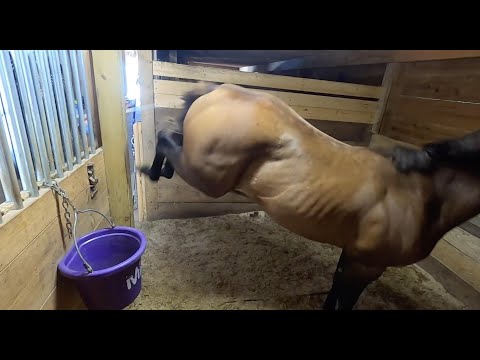
Source: Ryan Rose
Did you find this post useful or inspiring? Save THIS PIN to your Pets Board on Pinterest!

You may also like