
How Do I Know if My HAMSTER is HIBERNATING?


When a normally busy hamster suddenly feels cold, limp, and very still, it’s easy to panic. The good news is that many pets aren’t truly “hibernating” in the wild sense.
Most pet hamsters experience torpor, a short, reversible energy-saving state triggered by cold or environmental stress.
This guide explains the exact signs to look for, safe warming steps, the ideal cage temperature, and when to call a vet—so you can act quickly and confidently.
Quick First-Aid Snapshot
If your hamster is cold and barely moving, check three things right away: temperature next to the cage, breathing (slow but present), and response to gentle touch.
If you detect slow breathing and faint movement, follow the warming steps below and raise the ambient temperature to a safe range.
If breathing is labored or absent, or if there are other worrying signs (diarrhea, bleeding), contact a veterinarian immediately.
Torpor vs. Hibernation: What’s Really Happening

Torpor is a temporary, shallow energy-saving state that can last hours to a day. It’s the body’s way of coping with sudden cold or insufficient light/food, and it often resolves once conditions improve.
Hibernation, by contrast, is a long, seasonal state with deeper metabolic suppression—rare in properly housed pet hamsters.
Syrian hamsters are more likely than dwarf species to enter a deeper form of torpor if exposed to prolonged cold and short daylight.
Dwarf hamsters (Campbell’s, Winter White, Roborovski, Chinese) more commonly show brief torpor episodes and are less prone to prolonged hibernation under normal pet conditions.
Key takeaway: in home environments, what you’re seeing is usually torpor from inadequate warmth or light, not classic hibernation.
What to Check First (30-Second Triage)
Before you move the cage or add heat sources, run through this fast checklist:
Cage-side temperature: Measure right next to the enclosure, not across the room. Aim for 18–26 °C (64–79 °F) day-to-day.
Drafts and placement: Look for cold air leaks, open windows, A/C vents, or a cage on a chilly floor or near exterior walls.
Lighting schedule: Very short daylight or long darkness can contribute to torpor. Keep a consistent light/dark cycle (around 12–14 hours of light).
Food and water access: Confirm fresh food and unfrozen water are available.
Breathing and reflexes: Torpor breathing is slow and shallow. A torpid hamster may barely respond but often twitches whiskers or paws after gentle stimulation and gradual warming.
If these checks point to cold-induced torpor, begin safe warming right away.
Exact Temperatures and Common Triggers

Hamsters thrive in a stable, draft-free environment with an ambient range around 18–26 °C (64–79 °F).
Prolonged drops toward 10 °C (50 °F) and below greatly increase the chance of torpor. Short photoperiods (very little daily light), sudden cold snaps, or insufficient nesting material compound the risk.
Practical tips:
Place an indoor thermometer at cage height to monitor the true microclimate.
Avoid placing the enclosure on tile, concrete, or near windows where temperatures swing.
Use deep, fluffy bedding and plenty of nontoxic nesting material so your hamster can retain heat naturally.
Keep a consistent routine for feeding, cleaning, and lighting to reduce stress.
Step-by-Step: How to Warm a Cold Hamster Safely
The goal is gentle, steady rewarming while avoiding overheating or shock. Follow these steps calmly:
Move the enclosure to a warm, quiet room. Target 20–24 °C (68–75 °F) to start.
Add room warmth, not direct heat. Close drafts, raise the thermostat, and let the entire environment warm up gradually.
Use your hands and a towel. If your hamster tolerates handling, cup them gently in warm hands or wrap lightly in a soft, slightly warmed towel. Your body heat is safe and steady.
Avoid direct heaters. Do not point a hairdryer, heat lamp, or unregulated heating pad at your hamster. These can cause burns and overheating.
Offer fluids only when more alert. Once your hamster starts to rouse (blink, reposition, or react to touch), you can offer a few drops of lukewarm water from a clean syringe or spoon. If a vet has advised it, a very dilute sugar/electrolyte solution can provide a small energy boost. Never force liquids.
Monitor breathing and movement. As the room stabilizes, you should see gradual improvement: slightly faster breathing, attempts to groom, and exploratory movements.
Stabilize the habitat. Refresh nesting material, ensure water flows freely, and keep the cage away from drafts. Maintain the new, warmer setting for the next 24–48 hours.
What to Avoid During Rewarming

No sudden high heat (heating pads without a thermostat, hot water bottles directly on the body, electric blankets).
No forced feeding or fluids if your hamster is unresponsive—this risks aspiration.
No constant handling; brief, gentle contact is helpful, but let them rest as they recover.
Torpor vs. Deep Sleep vs. Illness (At-a-Glance)
| Feature | Torpor | Deep Sleep | Illness/Emergency |
|---|---|---|---|
| Body feel | Cool to cold | Warm | Variable (sometimes cold or hot) |
| Breathing | Very slow, shallow | Slow but regular | Rapid, labored, or gasping |
| Response to touch | Minimal, may twitch after gradual warming | Wakes with a gentle touch | Weak, painful, or no response; may cry out |
| Time of day | Often after cold nights | Any routine sleep time | Any time, unrelated to temperature |
| Other signs | Triggered by cold/short light | Normal routine | Diarrhea, discharge, wet tail, bleeding, strong odor |
| Improves with warmth | Yes, within hours | N/A (wasn’t cold) | Not reliably; may worsen |
| What to do | Warm gradually, monitor | Let sleep | Call a vet if red flags are present |
Use this table alongside your temperature and environment checks to decide the next step.
When to Call a Vet: Red Flags You Shouldn’t Ignore

Contact a small-animal veterinarian immediately if you notice any of the following:
No improvement after several hours in a room above 20 °C (68 °F)
Labored breathing, open-mouth breathing, clicking sounds, or blue/gray gums
Wet tail (profuse diarrhea, soiled hindquarters), bloody discharge, or vomiting
Severe lethargy unrelated to cold, repeated collapse, or seizures
Injuries (falls, limb deformity, bleeding) or suspected poisoning
Repeated torpor episodes despite warm, stable housing
It’s always appropriate to call a vet if you’re unsure. A quick phone consult can prevent complications.
Prevention: Keep Torpor From Returning
The best strategy is a stable, cozy environment with predictable routines.
Warmth and Placement
Keep the cage in a draft-free spot away from windows, exterior doors, and A/C vents.
Maintain 18–26 °C (64–79 °F) at cage height. Use a reliable indoor thermometer.
Elevate the enclosure off cold floors; a simple insulating mat under the base reduces heat loss.
Bedding and Nesting

Provide deep, diggable bedding and plenty of soft nesting material so your hamster can self-insulate.
Spot-clean rather than fully stripping the habitat in winter; leaving some familiar nesting scent reduces stress.
Light and Routine
Maintain a consistent light/dark cycle (12–14 hours of light daily).
Keep feeding, play, and cleaning on predictable schedules to reinforce normal rhythms.
Food and Hydration
Ensure fresh water is always available and doesn’t freeze in cooler rooms.
Offer a balanced diet with quality pellets, occasional fresh veg in safe amounts, and a small protein treat when recovering from torpor.
Seasonal and Travel Tips
During cold snaps or travel, pack extra nesting, use an insulated carrier, and avoid leaving the enclosure in a car or near vents.
If your home gets cold at night, consider slightly raising the thermostat overnight or moving the enclosure to a warmer interior room.
Quick FAQ

How long does torpor last?
Torpor from a cold room typically lasts a few hours and improves as the environment warms. If there’s no improvement within several hours at >20 °C (68 °F), call a vet.
Do dwarf hamsters hibernate?
Most dwarf species in home settings experience brief torpor rather than prolonged hibernation. Keeping stable warmth and light makes torpor unlikely.
Should I try to wake my hamster?
If you suspect torpor, focus on warming the environment rather than shaking or prodding. Gentle handling is okay while providing steady room warmth. Avoid startling or over-handling.
Can torpor be dangerous?
Torpor itself is a protective response, but it can be risky if the environment remains too cold or if your hamster is ill. That’s why temperature control, careful monitoring, and knowing red flags are essential.

Final Notes on Safety and Trust
This guide is educational and not a substitute for veterinary care. When in doubt, call a small-animal veterinarian.
By prioritizing ideal cage temperature, draft-free placement, deep nesting, and a steady routine, you’ll dramatically reduce the chances of torpor and keep your little explorer comfortable year-round.
Key takeaways: keep the habitat 18–26 °C (64–79 °F), watch for slow but present breathing during suspected torpor, use gentle rewarming, and seek veterinary help if there’s no improvement or if red flags appear.
We hope you enjoy this video about Hamsters
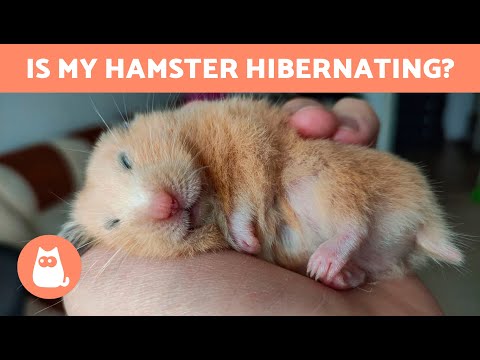
Source: AnimalWised
Did you find this post useful or inspiring? Save THIS PIN to your Pets Board on Pinterest!

You may also like