
How Long Can a Cat Be Safely Left Alone


Leaving a cat alone in the house can be a stressful situation for both the pet owner and the cat.
Cats, unlike dogs, are often seen as more independent creatures, but this doesn’t mean they can be left alone for indefinite periods.
In this article, we will explore how long you can safely leave your cat alone, factors that influence this decision, and measures you can take to ensure your cat is comfortable, safe, and content during your absence.
Key Factors to Consider Before Leaving Your Cat Alone
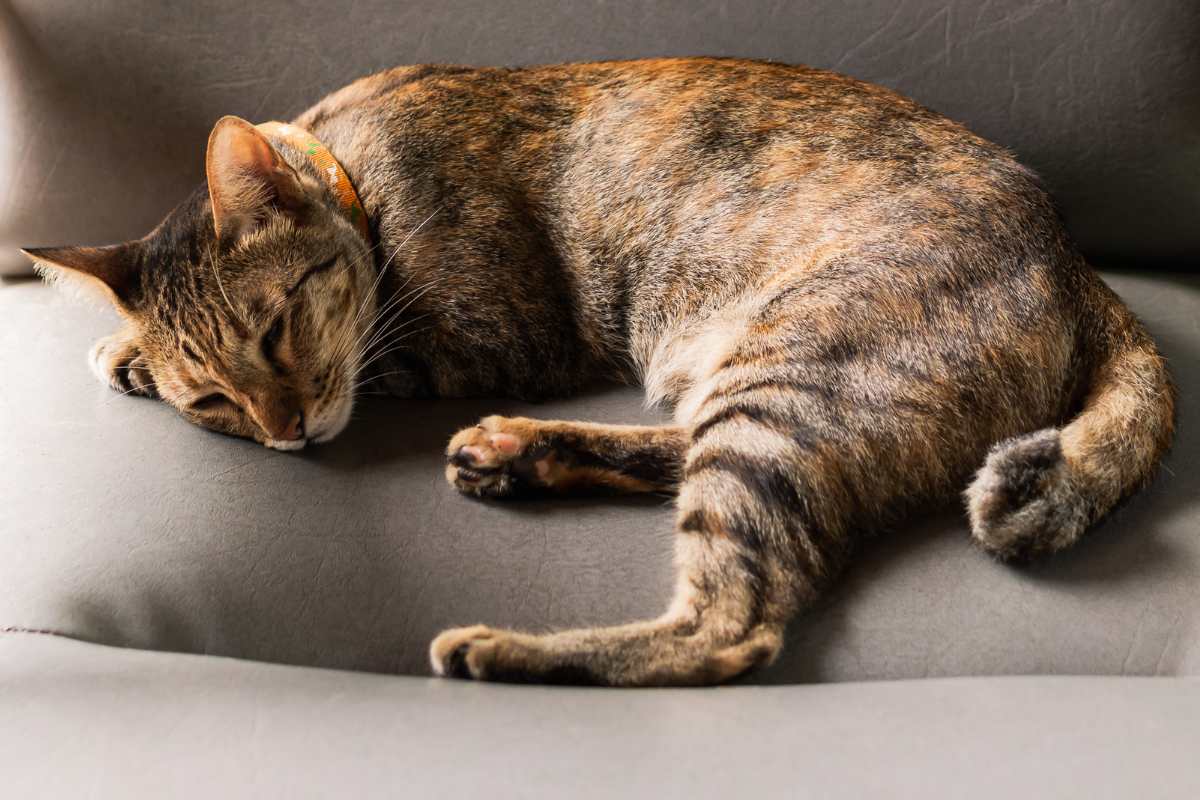
Before you decide how long you can leave your cat alone, it is essential to consider several factors that affect your cat's well-being.
1. Cat’s Age: A Major Factor in Alone Time
Kittens (Under 6 Months Old): Kittens are like human babies—they need constant care and attention. Their tiny bodies are still developing, and they are naturally curious, which can lead them into trouble.
It is not recommended to leave a kitten alone for more than 2–3 hours. Kittens also need socialization and playtime, which they get from their interactions with their owners or other pets.
Adult Cats (1–10 Years Old): Healthy adult cats are typically fine being left alone for 4 to 6 hours. They are more independent than kittens, and many can entertain themselves with toys or naps.
However, even adult cats need regular interaction to prevent boredom, stress, or behavioral problems. If you are gone for longer than 6 hours, it’s a good idea to have a neighbor, friend, or pet sitter check on your cat.
Senior Cats (10+ Years Old): Older cats often have different needs compared to younger cats. They may suffer from conditions such as arthritis, vision loss, or other age-related issues that can make them more vulnerable to accidents.
Senior cats should not be left alone for more than 4–5 hours, as they may need more frequent care, like medication, special diets, or simply companionship.
2. Health and Behavior of Your Cat
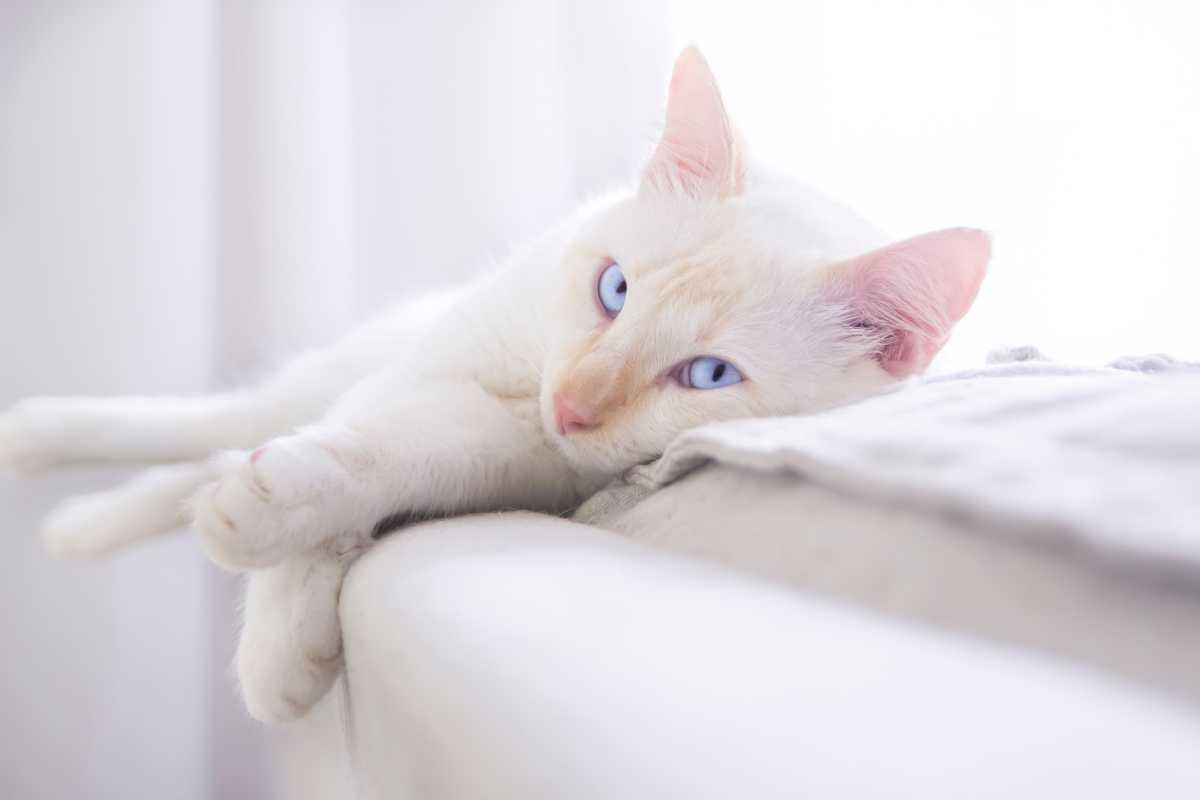
The health of your cat can dramatically influence how long they can be safely left alone. Cats with certain health conditions require more frequent monitoring to ensure their safety.
Chronic Conditions: Cats with diseases like diabetes or kidney issues require regular monitoring, including insulin injections, hydration, and special diets.
It’s important to consult your veterinarian if your cat has any medical condition to determine how long they can safely be left alone.
Behavioral Issues: Cats with anxiety disorders, such as separation anxiety, are more likely to experience stress when left alone for long periods.
These cats might exhibit signs like excessive meowing, destructive behavior, or even self-harming behaviors like over-grooming.
If your cat has any of these signs, it’s essential to consider their emotional well-being and make adjustments to your plans for leaving them alone.
3. Personality of Your Cat: Independence vs. Attachment
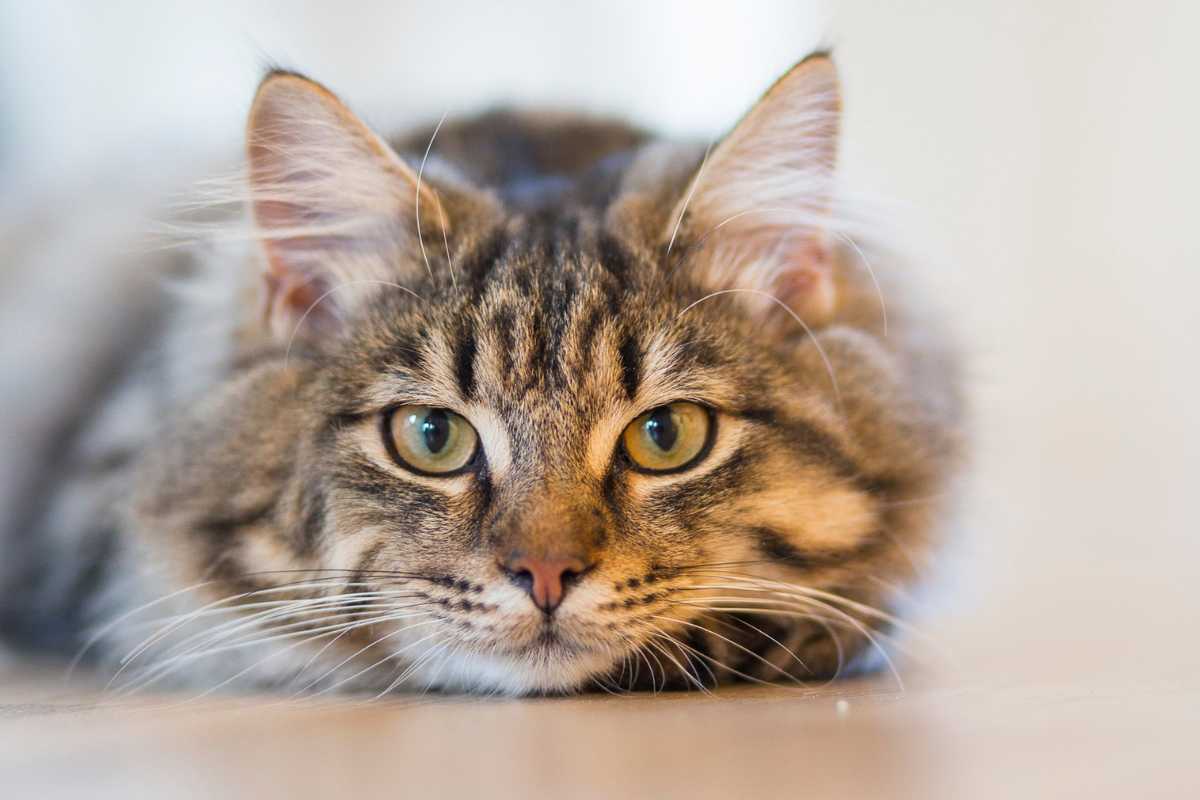
Every cat is unique, and their personality can affect how they handle being left alone. Some cats are naturally more independent and can entertain themselves for hours, while others need constant companionship.
Social Cats: Cats that crave human interaction or are used to being around other pets may find being alone for even short periods stressful.
These cats will likely show signs of distress if left alone for too long, so it’s important to consider their emotional needs before leaving them for extended periods.
Independent Cats: Some cats are quite happy spending time alone. These cats may sleep, play, or enjoy the quiet without becoming anxious.
However, even these cats need attention and stimulation regularly to ensure they remain emotionally healthy.
How Long Can You Leave Your Cat Alone?
Time Guidelines for Leaving a Cat Alone
The following time limits offer a safe window based on different factors such as age, health, and personality. These are just guidelines, and individual circumstances may vary.
Kittens (Up to 6 months): 2–3 hours max, as they require a lot of care, attention, and socialization.
Healthy Adult Cats: 4 to 6 hours is the ideal duration, though you should always check their food and water levels before leaving.
Senior Cats: Ideally, no more than 4–5 hours, as they may have health conditions or require more care.
What If You Have to Leave Your Cat Alone for Longer?
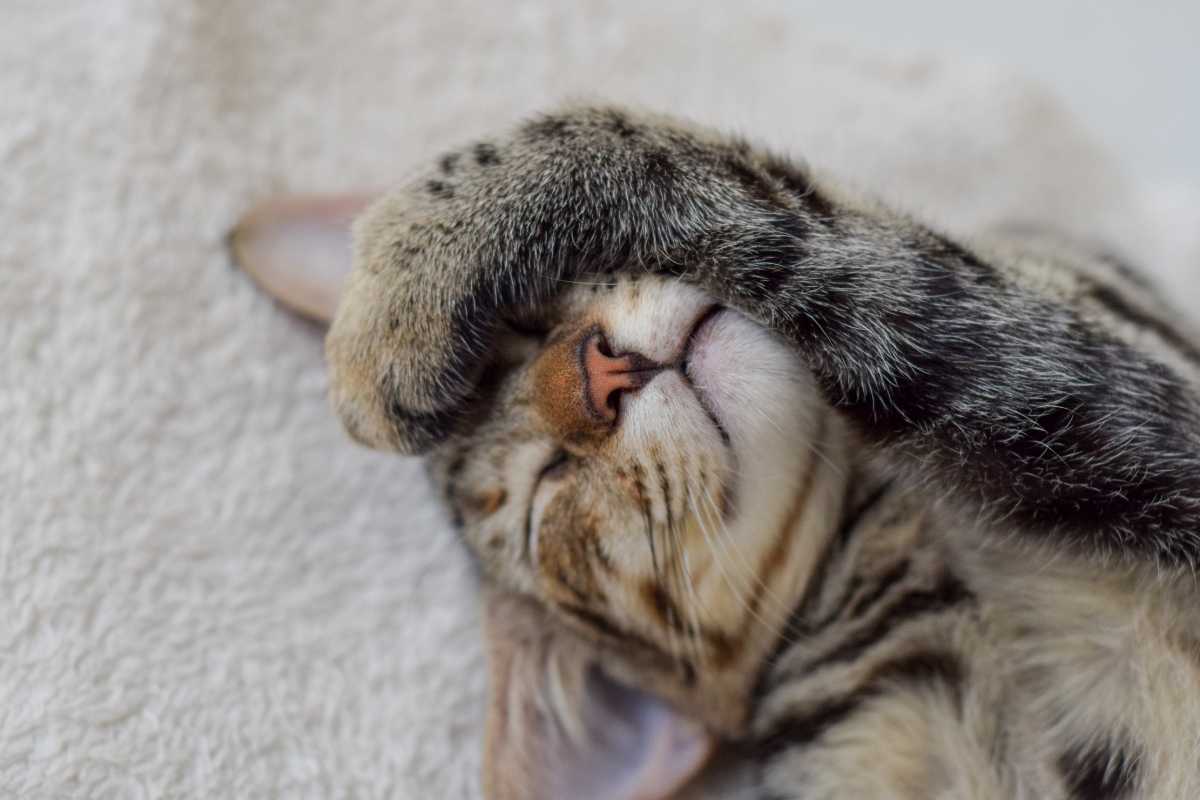
If you need to leave your cat for a longer duration, there are several options available to ensure they are still well taken care of:
1. Hiring a Pet Sitter
Hiring a professional pet sitter is one of the best ways to ensure your cat is well-cared for while you’re away.
A pet sitter can visit your home, feed your cat, clean the litter box, and spend some time playing with or comforting your cat.
This is especially useful for cats that suffer from separation anxiety. Pet sitters can also monitor your cat’s health, ensuring that any changes in behavior or condition are noticed immediately.
2. Cat Boarding
If you’re going to be away for an extended period, a cat boarding facility may be the best option. These facilities offer a safe environment where your cat will receive 24-hour care.
Boarding facilities often have specialized staff who are experienced in handling different breeds and medical conditions, ensuring your cat is well cared for.
Some boarding centers even provide individual rooms for your cat, which can make the experience less stressful for more anxious cats.
3. Automated Devices for Food and Water
You can also set up automated feeders and water fountains to ensure that your cat has access to food and fresh water during your absence.
These devices are especially useful for longer periods, but they should not be a substitute for human interaction.
Additionally, consider leaving your cat with interactive toys that dispense treats or make sounds to engage them mentally.
How to Keep Your Cat Comfortable While Alone
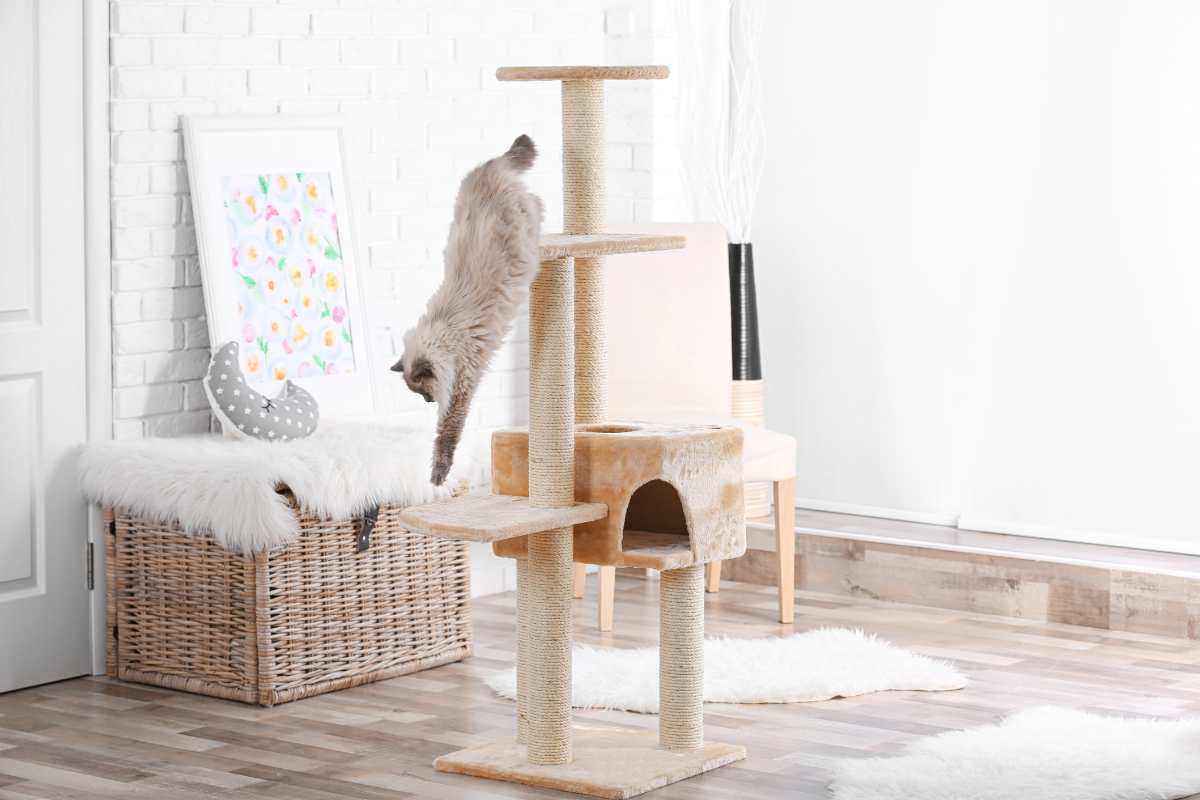
If you’re leaving your cat alone for a few hours, there are several steps you can take to ensure their comfort and safety.
Provide Fresh Water and Food
Make sure your cat has access to plenty of fresh water. Dehydration can occur quickly, especially in warmer climates or for older cats.
Using a pet water fountain can encourage your cat to drink more water and prevent dehydration.
If you're going to be gone for more than a few hours, ensure that your cat has enough food to last the day.
Automatic feeders can help ensure your cat is fed regularly. Be mindful of the portion sizes based on your cat’s feeding schedule.
Keep Them Entertained

Boredom can lead to stress and behavioral problems in cats. To help alleviate this, consider providing a variety of interactive toys that will engage your cat mentally and physically.
Puzzle feeders, treat-dispensing toys, and cat trees are excellent ways to keep your cat occupied while you're away.
Some cats also enjoy watching birds or cars outside the window, so consider setting up a perch for them to observe the world outside.
Safe Environment
Ensure that your home is cat-proofed. This includes removing any toxic plants (like lilies and poinsettias), securing electrical cords that might be chewed, and checking that all windows and balconies are safe.
Creating a cozy and secure area for your cat to relax in, such as a quiet room with their favorite blanket or bed, can make them feel safe and comfortable.
Use Technology to Monitor Your Cat
Modern technology allows you to stay connected with your pet while you’re away. Consider using a pet camera that lets you watch and interact with your cat remotely.
Some cameras even allow you to dispense treats or talk to your cat through the camera, which can be reassuring for both of you.
Alternatives to Leaving Your Cat Alone for Extended Periods
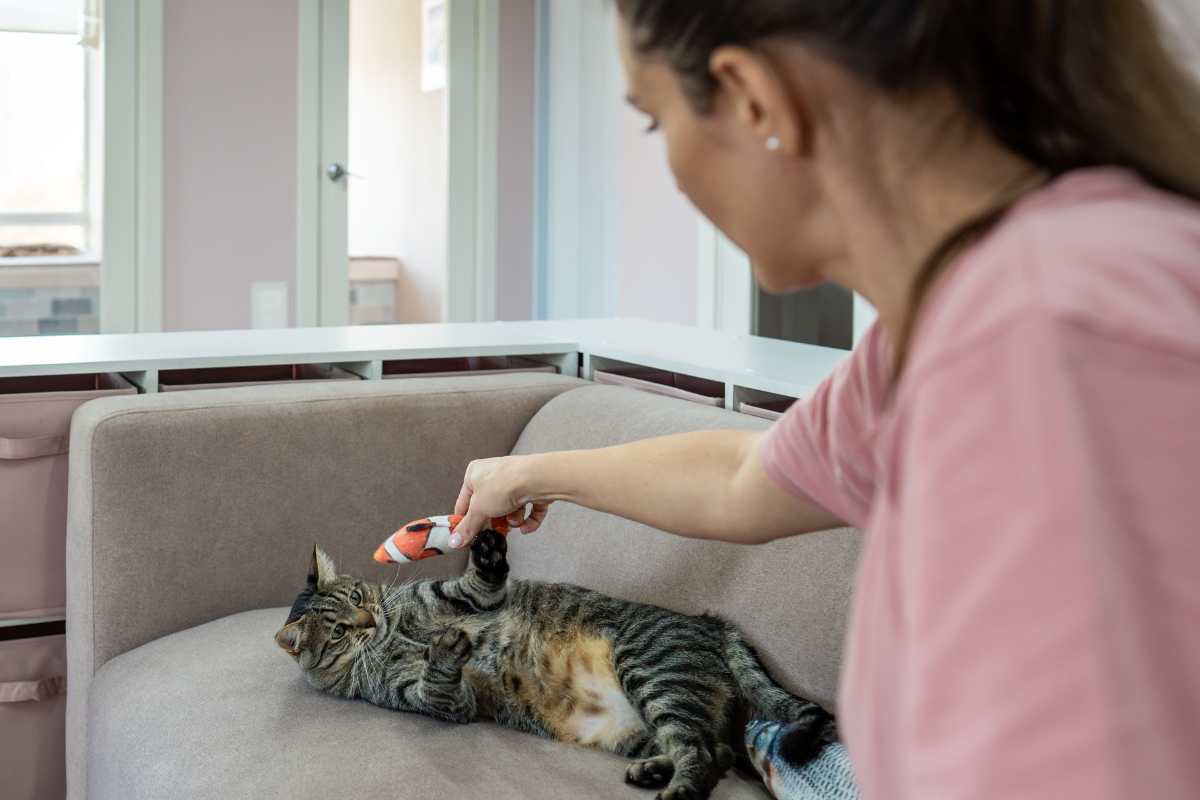
If your absence is more than a couple of days, consider these alternatives to ensure your cat’s well-being:
Professional Pet Sitters
Hiring a pet sitter who can visit daily ensures that your cat receives both physical and emotional care.
Sitters can check for signs of illness, give medication if needed, and interact with your cat to reduce loneliness. Some pet sitters even stay overnight if needed.
Cat Boarding
For extended absences, boarding facilities can offer a safe space for your cat, where they can be monitored by professionals.
Many facilities offer luxurious accommodations for cats, including individual rooms, playtime, and special attention.
Hiring a Cat Walker or Companion
If your cat enjoys the company of other animals or people, consider arranging for a cat walker or companion to come by and spend time with your cat.
This person can take your cat for a walk in the yard (if safe), play with them, and ensure they feel connected and loved while you’re away.
Conclusion

Leaving your cat alone can be done safely with the right planning and precautions. Understanding your cat’s age, health, and personality is critical in determining how long they can be left alone.
While 4 to 6 hours is generally a safe duration for most adult cats, you should always take steps to ensure your cat’s comfort, safety, and well-being during your absence.
Whether you choose to use automatic feeders, hire a pet sitter, or opt for boarding, the most important thing is to make sure your cat is well cared for, both physically and emotionally.
Enjoy The Video Tutorial

Source: TheCats
Did you find this post useful or inspiring? Save THIS PIN to your Pets Board on Pinterest! 😊

You may also like