
How Often Should You WALK YOUR DOG


Walking your dog is much more than just a daily chore. It's an essential part of maintaining your pet's physical and mental well-being.
A proper walking routine helps to keep your dog healthy, happy, and connected to you, as well as improving the bond between the two of you.
In this guide, we'll explore how often you should walk your dog, the benefits of walking, and important considerations to keep in mind based on your dog's unique needs.
How Often Should You Walk Your Dog?
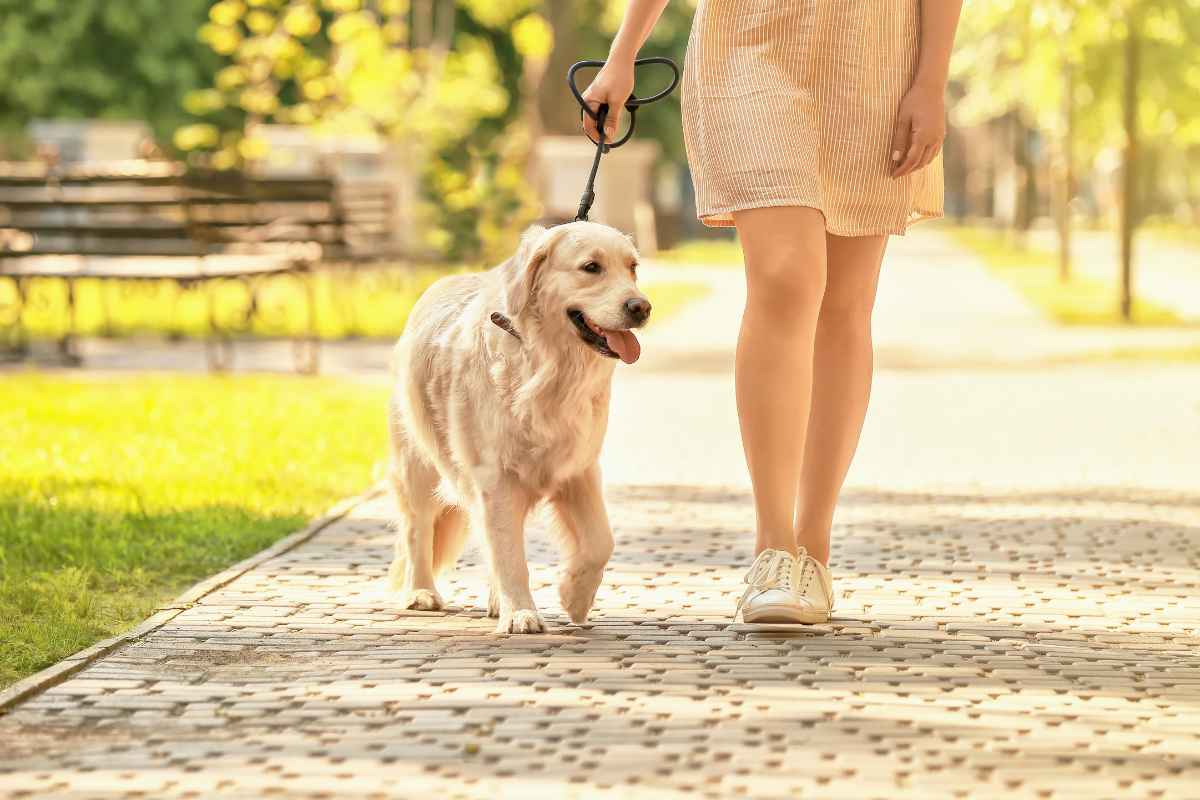
The frequency of walks varies greatly depending on factors such as your dog's age, breed, health, and energy level.
However, most healthy adult dogs need at least 30 minutes to an hour of exercise each day. Here's a breakdown to help you better understand the walking needs of different types of dogs:
1. Active Adult Dogs
For healthy adult dogs with high energy levels, such as Border Collies, Golden Retrievers, and Labradors, daily walks are essential.
These dogs thrive on long, brisk walks and can even benefit from extra exercise like jogging or playtime in a safe area. Aim for at least 60 minutes per day to keep them physically and mentally engaged.
2. Puppies
Puppies are full of energy but still growing, so their walking needs vary.
Young puppies may only need 15 to 20 minutes of exercise at a time, but this can be increased as they grow. It's important to avoid over-exercising puppies to protect their developing bones and joints.
3. Senior Dogs
Older dogs may not require as much exercise as they once did, but they still benefit from regular walks to maintain joint mobility and mental health.
Aim for shorter, more frequent walks—around 20 to 30 minutes per day—and be mindful of any health conditions your dog may have, such as arthritis, which could affect their stamina.
4. Small or Low-Energy Dogs
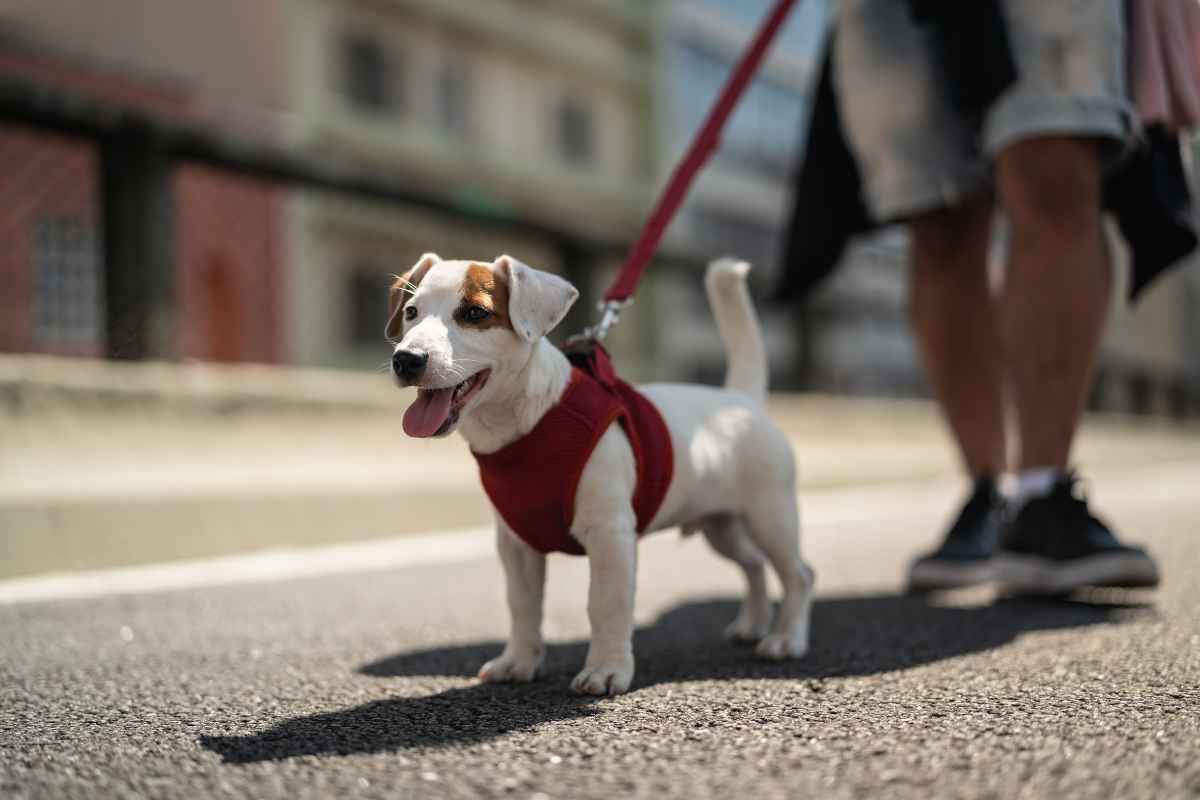
Certain breeds, like Chihuahuas or Basset Hounds, may not need as much exercise.
However, these dogs still need regular walks to keep them healthy and prevent obesity. Aim for 20 to 30 minutes a day to maintain their health and give them a chance to explore the world around them.
5. Dogs with Special Needs
Some dogs may have specific health concerns that affect their walking routine.
Dogs with conditions such as arthritis, heart disease, or obesity may need shorter and more frequent walks.
Always consult your vet for advice on creating a walking routine tailored to your dog’s health condition.
Benefits of Walking Your Dog
Walking your dog offers numerous benefits that go beyond exercise. Let’s explore the key advantages of regular walks for both you and your dog.
Physical Health Benefits
Weight management: Regular walks help maintain a healthy weight, preventing obesity, which is a common problem among dogs.
Cardiovascular health: Walking helps to keep your dog’s heart and lungs healthy by promoting circulation and improving stamina.
Stronger muscles and joints: Daily walks keep your dog’s muscles and joints active, which is particularly important for senior dogs.
Mental Health Benefits
Reduced stress and anxiety: Physical exercise helps release endorphins, which are natural mood boosters. Regular walks can reduce stress and anxiety in dogs, preventing behavioral problems.
Better sleep: Dogs that get adequate exercise are more likely to sleep well at night, which contributes to a more balanced and happier dog.
Bonding and Socialization
Stronger bond with your dog: Walking provides quality time to strengthen your relationship with your pet. It’s a great way to build trust and affection.
Socialization opportunities: Walks expose your dog to different environments, people, and other animals, which can help them become more comfortable in various situations and improve their behavior.
Important Considerations for Dog Walking
Every dog is unique, so it’s important to tailor your walking routine based on their age, breed, health, and personality. Here are some key things to consider when planning your dog's walks:
1. Age and Energy Levels
Puppies and younger dogs will have more energy to burn, while senior dogs may need shorter and more frequent walks.
Adjust the length of your walks according to your dog's age and energy level to ensure they don’t become overexerted.
2. Health and Medical Conditions
Dogs with health issues, such as arthritis, respiratory problems, or heart disease, may need special care during walks.
Consult your vet before starting or altering your dog's walking routine to ensure it’s appropriate for their health condition.
3. Weather and Temperature
Extreme weather conditions can be tough on your dog.
Avoid walking in extremely hot or cold temperatures, as this can lead to dehydration, paw pad burns, or frostbite. If walking in hot weather, try to go in the early morning or late evening when it’s cooler.
4. Leash and Equipment
Ensure that your dog is properly equipped with a well-fitted harness or collar.
A leash should be of an appropriate length to give your dog room to explore without getting tangled. Some dogs may also benefit from a front-clip harness to reduce pulling during walks.
5. Terrain and Environment
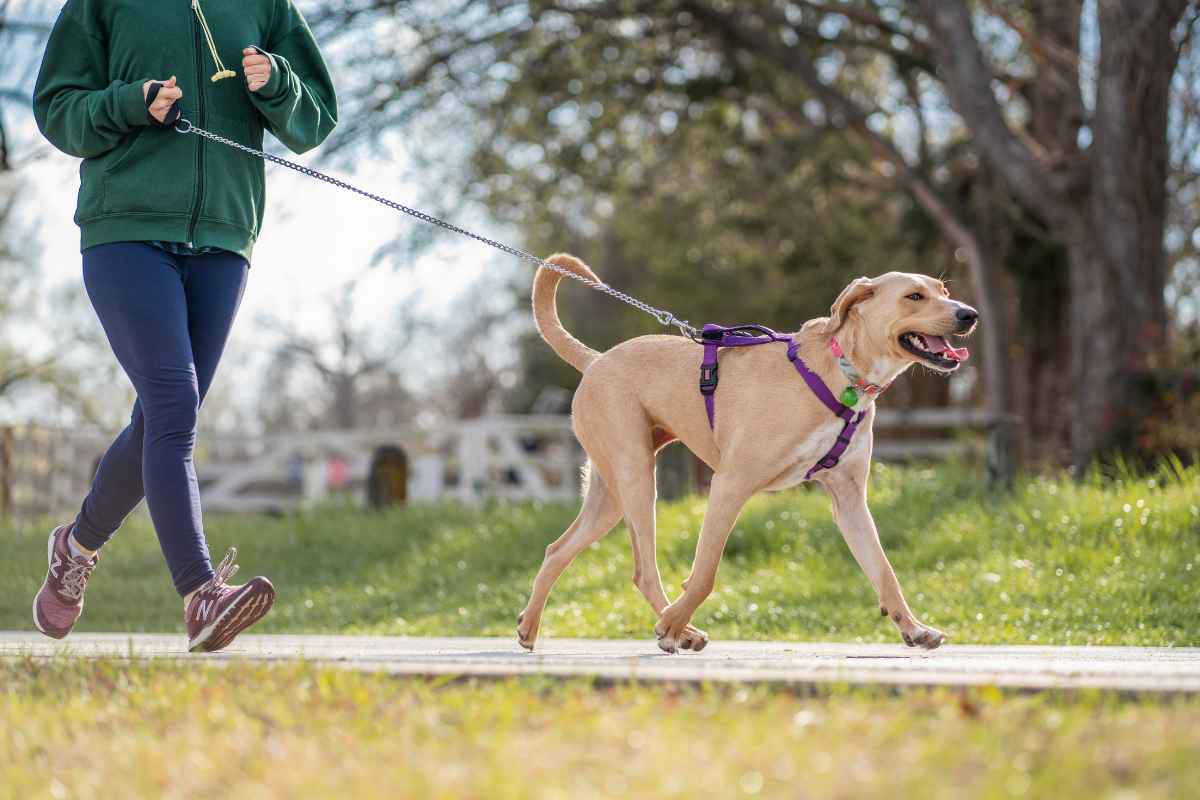
Consider the type of terrain your dog will be walking on. Dogs with short legs or joint issues may struggle with rough or uneven terrain, so stick to smooth paths when possible.
Additionally, some dogs may be fearful of busy roads or unfamiliar environments, so always ensure your dog is comfortable during walks.
Adjusting Walks Based on Specific Dog Breeds
Some dog breeds are naturally more active, while others may need less exercise. Here are some breed-specific tips:
High-Energy Breeds (e.g., Border Collies, Australian Shepherds, Boxers): These breeds require at least 1 hour of vigorous exercise daily. They may benefit from additional activities like running or hiking.
Low-Energy Breeds (e.g., Bulldogs, Shih Tzus, Chihuahuas): While these breeds still need regular walks, their exercise needs are generally lower. 30-minute daily walks should suffice.
Brachycephalic Breeds (e.g., Pugs, Bulldogs, Boxers): Dogs with flat faces may have breathing difficulties, so they should not be overexerted in hot weather or during vigorous exercise. Shorter walks in cooler conditions are ideal.
How to Make Walks Enjoyable for Your Dog
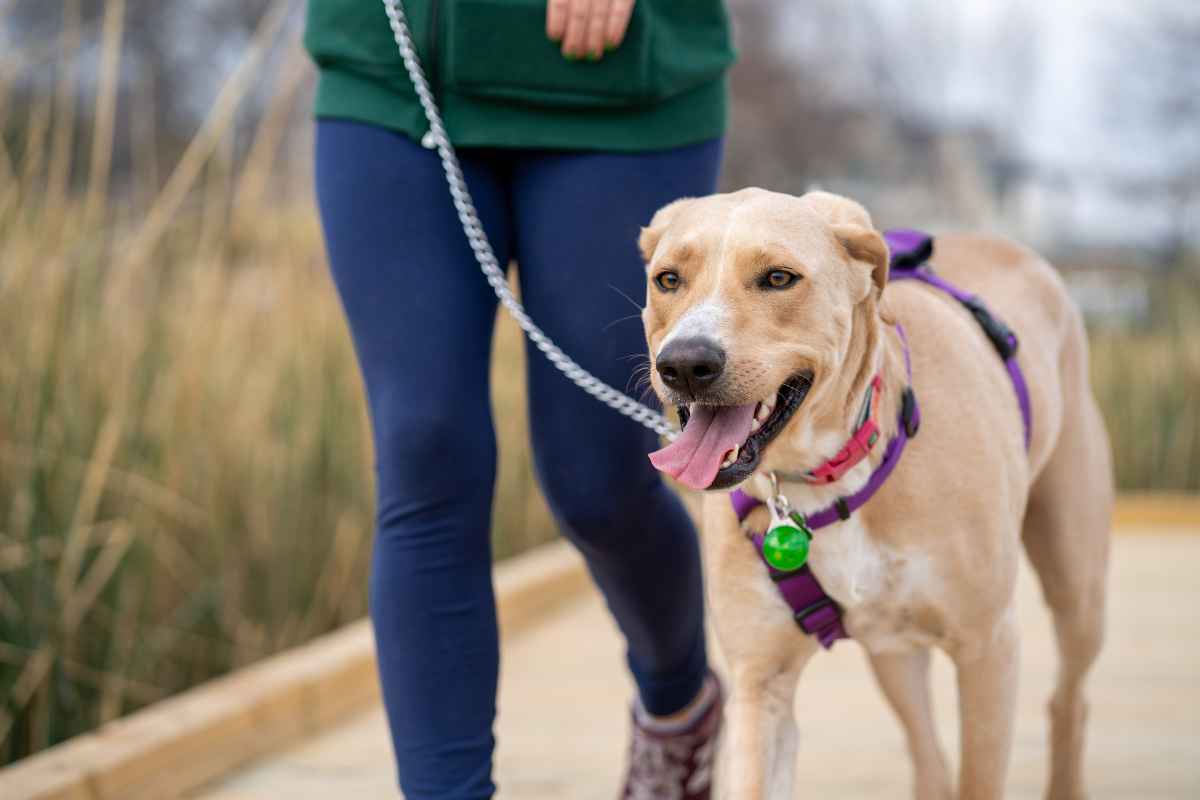
To ensure that both you and your dog enjoy your walks, here are some tips to keep in mind:
1. Vary Your Route
Take different routes to expose your dog to new scents and sights. This will keep them mentally engaged and excited for their walks.
2. Bring Water and Treats
Always carry water for both you and your dog, especially on long walks. Bring some treats or a favorite toy to reward your dog and make the walk more enjoyable.
3. Keep Walks Relaxed
If your dog is new to walking, keep the pace relaxed and let them explore. Allowing your dog to stop and sniff can give them mental stimulation and make the walk more enjoyable.
4. Stay Safe
Always be mindful of traffic, other dogs, and environmental hazards. Ensure that your dog is safe at all times, especially if you’re walking near roads or in unfamiliar areas.
Conclusion: Walk Your Dog for a Healthier, Happier Life
Walking your dog is one of the best things you can do to keep them healthy, mentally stimulated, and emotionally balanced.
Whether you're taking a quick stroll around the block or embarking on an adventure, regular walks provide countless benefits for both you and your dog.
Start incorporating daily walks into your routine, and be sure to tailor the length and intensity to suit your dog’s individual needs.
With consistent effort and care, you’ll enjoy the many rewards that come with walking your dog.
We hope you enjoy this video about Dogs

Source: AnimalWised
Did you find this post useful or inspiring? Save THIS PIN to your Pets Board on Pinterest!

You may also like