
How Teach Horses to LIE DOWN!


Teaching a horse to lie down on command can be a rewarding skill for both horse and handler.
While it may seem like a complicated or intimidating task, with the right approach and knowledge, it can be achieved safely and effectively.
In this article, we will explore the steps to train your horse to lie down, highlight the precautions to take, and provide alternative methods and tips to make the process smoother and more enjoyable for both of you.
Why Teach Your Horse to Lie Down?
Before delving into the "how," it's essential to understand why teaching a horse to lie down is beneficial. In the wild, horses will naturally lie down for rest, sleep, or when they feel safe.
By teaching your horse this behavior, you are not only improving your relationship but also allowing your horse to relax and trust you.
Lying down on cue can also be a useful tool for certain activities such as veterinary care, grooming, and building rapport with your horse.
Understanding Horse Behavior and Safety

Important Considerations Before Starting
It's crucial to understand that not every horse is suited for this training, especially if they have health issues such as joint pain or other physical limitations.
Always consult with a veterinarian before beginning any training that involves physical exertion or positions that may be strenuous on the horse's body.
Here are some key safety considerations:
Ensure Your Horse Is Physically Capable: Horses with joint problems or back pain may not be able to perform this movement safely. It’s important to assess your horse's health before starting.
Choose a Safe Training Environment: Always train in an open, flat area free from distractions and obstacles. Soft ground, such as grass or sand, is preferable to hard, unforgiving surfaces like concrete.
Supervision: Always supervise the horse during training. Never leave a horse unattended while it is lying down, as this could lead to injury if the horse becomes startled or disoriented.
Different Methods to Teach a Horse to Lie Down

Positive Reinforcement Training
One of the most effective ways to teach a horse to lie down is through positive reinforcement training.
This method focuses on rewarding the horse for performing the desired behavior, encouraging them to repeat it.
This approach is gentle and builds trust between the handler and the horse.
Here’s a step-by-step guide to using positive reinforcement:
Step 1: Establish Trust
Begin by building a strong relationship with your horse. Establish a calm, trusting environment where the horse feels safe.
Spend time with your horse doing basic groundwork and groundwork exercises before moving on to the lying down behavior.
Step 2: Teach Basic Groundwork Commands
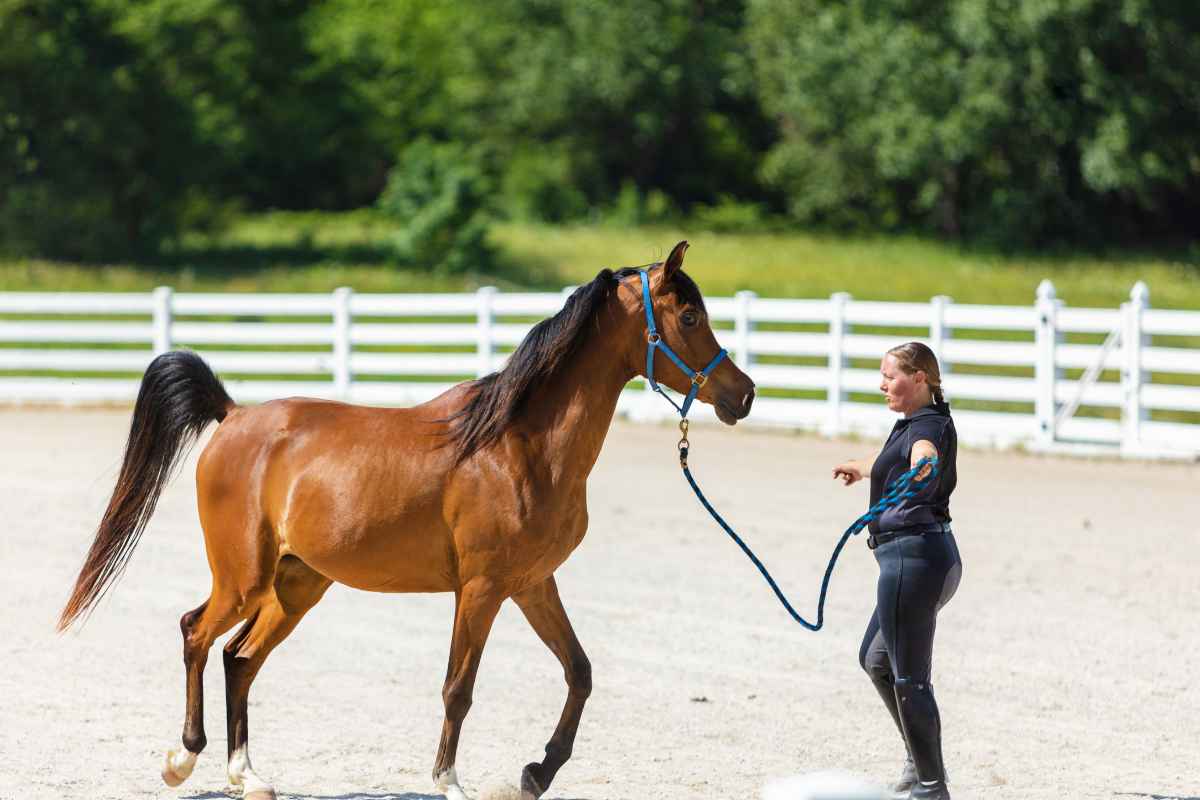
Before you can expect your horse to lie down, ensure it is comfortable with basic groundwork cues, such as stop, stand, and move forward. Use these foundational skills to create clear communication between you and your horse.
Step 3: Encourage Relaxation
To teach the horse to lie down, start by asking the horse to lower its front end.
You can do this by gently applying pressure on the halter or using a lead rope to guide the horse into a relaxed position.
As soon as the horse lowers its front end, reward them with a treat, praise, or a scratch.
Step 4: Reinforce the Behavior
Once the horse is comfortable lowering its front end, begin reinforcing this behavior by gradually encouraging them to go further down.
As soon as the horse begins to lower its hind end or show signs of preparing to lie down, reward them.
Step 5: Introduce the Command

Once the horse consistently lowers its body to the ground, introduce a verbal cue such as "lie down" or "down".
Say the cue just before the horse begins to lie down, and reward them immediately after they complete the behavior.
Step 6: Repeat and Reinforce
Continue practicing, reinforcing the behavior each time the horse lies down on command.
Be patient—this may take several sessions, but with consistency, your horse will begin to associate the command with the action.
Alternative Training Methods
While positive reinforcement is a widely recommended method, there are other approaches you may want to consider depending on your horse’s temperament and needs.
Clicker Training
Clicker training is a popular form of positive reinforcement that involves using a distinct sound (a “click”) to mark the exact moment a desired behavior is performed.
This method helps reinforce the timing of the reward and can be especially useful for teaching precise actions, like lying down.
Capturing Natural Behavior
Some trainers prefer to use the technique of capturing natural behavior.
In this method, you wait for the horse to lie down naturally and then reward them immediately.
Over time, the horse will begin to associate lying down with positive reinforcement.
Lunging and Lateral Flexion
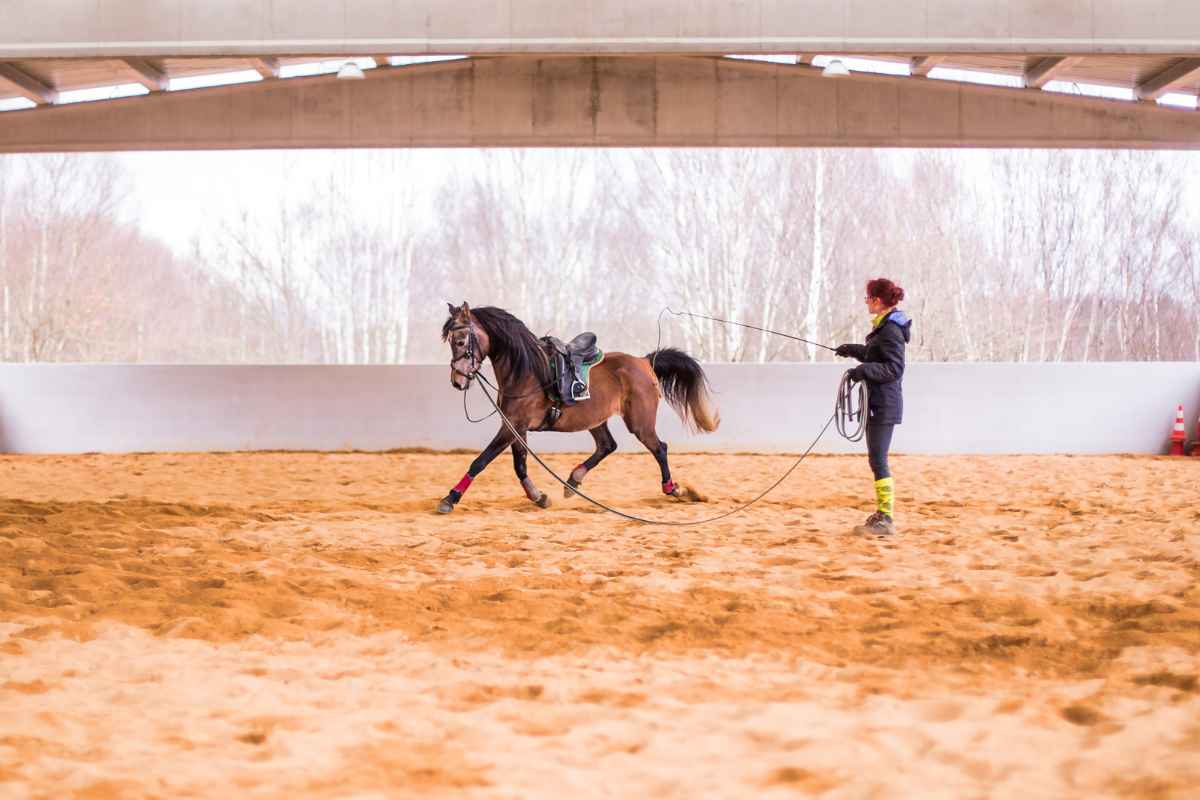
For some horses, lunging and lateral flexion exercises can help prepare them for the physical act of lying down.
These movements encourage the horse to soften its body and engage its muscles in preparation for lying down.
Common Challenges and How to Overcome Them

Horse Is Resistant or Fearful
Some horses may be hesitant or fearful of lying down due to past trauma, fear, or lack of understanding of the task.
If your horse is reluctant, proceed slowly and gradually, offering plenty of praise and patience.
Horse Becomes Stuck
Occasionally, a horse may lie down but have difficulty getting back up, which can lead to anxiety.
To prevent this, practice the rise command after the lie-down.
Train your horse to get back up by encouraging it to push itself up with its front legs, and reward them when they do.
Ethical Considerations in Teaching Horses to Lie Down

The Controversy of Lying Down Horses
Not everyone agrees on whether horses should be trained to lie down on command.
Some argue that it could cause undue stress, while others believe it strengthens the bond between horse and rider.
However, the consensus is that it should only be done with caution and respect for the horse’s well-being.
Always prioritize your horse's comfort and never force them into positions they cannot physically handle.
Respecting the Horse’s Autonomy
It’s essential to respect the horse's autonomy and body language during training.
If your horse shows signs of discomfort or refusal, it’s crucial to stop and reassess your approach.
Pushing a horse too far beyond its comfort zone can damage the trust you’ve worked hard to establish.

Conclusion: A Rewarding Experience for Both You and Your Horse
Teaching your horse to lie down on command is a fulfilling experience that can foster a deeper connection and enhance your training routine.
By using positive reinforcement techniques, being patient, and understanding the unique needs of your horse, you can achieve this goal safely and enjoyably.
Remember to always prioritize your horse’s health, well-being, and comfort throughout the process.
With consistency and trust, you and your horse will have a rewarding journey ahead as you work together to master this unique and beneficial skill.
We hope you enjoy this video about Horses

Source: Horse Perfect
Did you find this post useful or inspiring? Save THIS PIN to your Pets Board on Pinterest!

You may also like