
How to breed budgies - Tips for Successful Breeding


Breeding budgies can be a rewarding and exciting experience.
If you’re looking to help your feathered friends grow their family, we’ve got you covered! With just a few tips and tricks, you’ll be on your way to a happy, healthy budgie family in no time. Let’s dive in!
1. Preparing Your Budgies for Breeding
Before you start thinking about breeding, make sure your budgies are in top condition.
Healthy, well-fed, and properly cared-for birds are more likely to produce healthy offspring. Ideally, your budgies should be at least one year old.
This ensures they are physically mature and ready for the process.
Offer them a nutritious diet, plenty of exercise, and a peaceful environment.
A balanced diet that includes seeds, fruits, and vegetables will set the foundation for successful breeding.
Don’t forget to give them some calcium, as it’s essential for the females to lay healthy eggs.

2. Creating the Perfect Environment
A spacious, clean cage is key to keeping your budgies comfortable and ready to breed.
Place the cage in a calm area, away from loud noises or distractions. You’ll also need a suitable nest box where the female can lay her eggs.
Make sure the box is clean and safe. Add soft nesting material, like shredded paper or wood shavings, so they can create a cozy nest.
3. Choosing the Right Pair
Pay attention to your budgies' interactions before you pair them. Budgies that get along well will be more likely to breed successfully.
Signs of a good match include mutual preening, singing together, and sharing food.
If you notice any aggressive behavior, consider waiting until they are more comfortable with each other.

4. Feeding for Success
The right diet is essential during breeding. In addition to seeds and vegetables, supplement their meals with vitamins and minerals to promote health during the breeding process.
Providing cuttlebone and mineral blocks will ensure the female gets enough calcium to lay eggs safely.
5. The Egg Laying Process
After some time, your female budgie will start laying eggs. She’ll typically lay one egg every two days until the clutch reaches about four to six eggs.
It’s important to let the parents handle this process on their own. Give them space, and make sure the nest is clean and secure.

6. Incubating the Eggs
Once the eggs are laid, the parents will take turns incubating them. The incubation period lasts around 18 days.
During this time, make sure the parents have everything they need: plenty of food, water, and privacy.
Avoid disturbing the eggs or the parents unless it’s absolutely necessary.

7. Welcoming the Baby Budgies
When the eggs hatch, the baby budgies will be tiny and dependent on their parents.
The parents will feed them a special formula that helps them grow. While it’s tempting to peek at the chicks, it’s best to leave the parents to care for their little ones.
They’ll do all the work needed to ensure the chicks grow strong and healthy.

8. The Weaning and Socialization Stage
After around 30 days, the chicks will start eating on their own. This is the perfect time to start socializing them with humans and other budgies.
If you plan to sell or adopt them out, this is when they can be separated from their parents.
Handle them gently to create trust and ensure they’re comfortable around people.

Ready to Start Your Breeding Journey?
Now that you have a clear picture of how to breed budgies, it’s time to get started.
Remember, breeding takes patience, and every step requires attention to detail.
If you follow these tips and provide your budgies with a loving and supportive environment, you’ll see your feathered friends thrive.
We hope you enjoy this video about Budgies
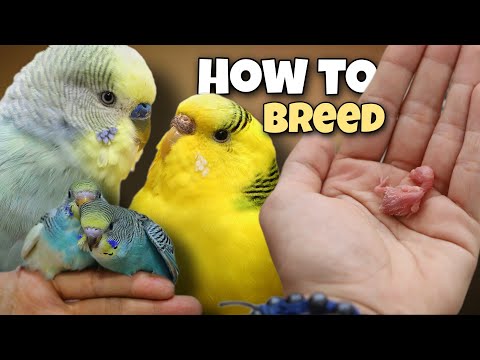
Source: Denny the Budgie
Did you find this post useful or inspiring? Save THIS PIN to your Pets Board on Pinterest!

You may also like