
How to Build a DIY Hamster Jungle Gym: Step-by-Step Guide


Creating a DIY hamster jungle gym is a fantastic way to provide your pet hamster with the physical and mental stimulation it needs.
Not only does it encourage natural behaviors like climbing, jumping, and exploring, but it also offers a fun, hands-on project for pet owners to enjoy.
Whether you’re a beginner or an experienced hamster owner, building a jungle gym can be a rewarding experience for both you and your furry friend.
Why a Hamster Jungle Gym?

Hamsters, like all pets, thrive when their environment offers more than just food and a place to sleep. They need mental stimulation and opportunities for physical exercise to stay healthy and happy.
A jungle gym offers your hamster a dynamic environment that mimics some of the natural challenges they might face in the wild, such as climbing and tunneling. It can also be a great way to help combat boredom and prevent destructive behaviors.
Benefits of a Hamster Jungle Gym
Encourages Natural Behaviors: A well-designed gym encourages your hamster to engage in climbing, burrowing, and other instinctual activities.
Physical Exercise: Providing opportunities for movement helps keep your hamster physically active, preventing obesity and promoting overall well-being.
Mental Stimulation: A complex structure will encourage problem-solving, which is essential for a hamster’s mental health.
Variety and Enrichment: A jungle gym is an ever-changing environment, allowing your hamster to enjoy new challenges daily.
Materials for Your Hamster Jungle Gym

When building a hamster jungle gym, it’s important to use safe, non-toxic materials that are hamster-friendly. Here are some of the most common materials used:
Wooden craft sticks: These are easy to work with and are perfect for creating ramps, bridges, and tunnels.
Cardboard tubes: Items like paper towel rolls can be used to create tunnels, which are essential for your hamster’s natural foraging and exploring instincts.
Plastic or wooden platforms: These provide places for your hamster to jump onto or rest, adding variety to the gym’s layout.
Natural fibers: Twine or ropes can be used to make hanging obstacles or to connect parts of the gym.
Baskets or containers: These can be used as hiding spots or as additional climbing surfaces for your hamster.
Always ensure that the materials are safe for your hamster, avoiding anything that could be harmful if chewed or ingested.
Designing the Jungle Gym

The beauty of a DIY hamster jungle gym is that you can personalize it to suit your hamster’s specific needs and preferences. Here are a few key design elements to consider:
Layout
The layout of the gym should encourage your hamster to climb, explore, and hide.
Incorporating various levels—such as ramps, shelves, and platforms—will provide your hamster with opportunities to jump, climb, and rest.
Tunnels are a must-have, as they simulate natural burrowing behavior and allow your hamster to move through the gym in a more instinctual way.
You can also create vertical and horizontal paths to make the gym more exciting and challenging for your hamster. A mix of different pathways will ensure your pet never gets bored with their surroundings.
Customizing for Different Hamster Species

While designing the gym, consider the size and energy level of your hamster. For example:
Syrian hamsters, being larger, need sturdier platforms and wider spaces.
Dwarf hamsters might benefit from a more compact structure with lower platforms.
Roborovski hamsters, known for being extremely active, will enjoy a gym with a lot of climbing opportunities and tunnels.
Customizing the gym to fit your hamster’s specific needs is key to creating a comfortable and enjoyable environment.
Aesthetic Touches
Adding decorative elements can make the gym more engaging for both you and your hamster.
Natural materials such as leaves, small branches, or moss can make the gym look more organic and enriching. Hideaways and chew toys are also great additions to encourage exploration and play.
Remember, these decorations should be safe for your hamster to interact with and should not obstruct their movement or cause injury.
Safety Considerations

When building your hamster jungle gym, safety should always be a top priority. Here are a few tips to ensure your pet’s safety:
Non-Toxic Materials: Always use safe, natural materials. Avoid paints, glues, or finishes that could be harmful if ingested.
Smooth Edges: Ensure there are no sharp edges on the wood or plastic. Sand down any rough surfaces to prevent injury.
Secure Construction: Double-check that all components are securely fastened. Loose parts could fall and hurt your hamster or create choking hazards.
Supervised Play: It’s always a good idea to supervise your hamster during the first few play sessions to ensure the structure is safe and stable.
Conclusion: A Fun and Enriching Activity for Your Hamster

Building a DIY hamster jungle gym is a fulfilling way to enhance your hamster’s environment and provide them with the stimulation they need to thrive.
Not only does it promote physical exercise and mental engagement, but it also encourages natural behaviors, keeping your hamster healthy and happy.
By using safe materials, creating varied layouts, and customizing the design for your hamster’s needs, you can craft a jungle gym that will become your pet’s new favorite place to explore.
Enjoy building your hamster’s playground and watching them flourish in their new, enriched environment!
We hope you enjoy this video about Hamsters
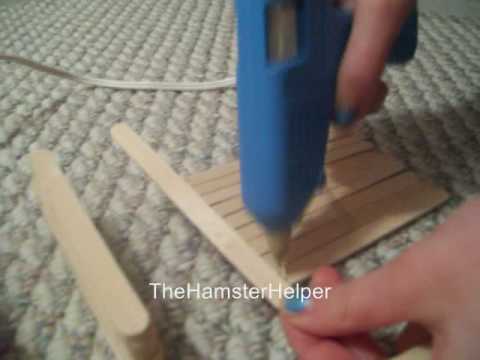
Source: TheHamsterHelper
Did you find this post useful or inspiring? Save THIS PIN to your Pets Board on Pinterest!

You may also like