
How to Build Cool Homes for Hamster


Creating the perfect home for your hamster is crucial for their health, happiness, and well-being.
Whether you're setting up a new habitat or looking to improve the existing one, this guide will provide you with everything you need to know about hamster habitat design, choosing the right materials, ensuring safety, and providing mental and physical stimulation.
Choosing the Right Cage for Your Hamster

The first step in creating a perfect home for your hamster is selecting the right cage. There are several types of cages available, but each has its pros and cons.
Types of Cages
Wire Cages: These cages are popular due to their ventilation and visibility. However, they can be difficult to clean, and the bars may be a challenge for some hamsters to climb. Ensure the spacing between bars is small enough to prevent escapes.
Aquariums or Glass Tanks: These provide a safer and more enclosed environment, preventing your hamster from escaping.
However, they may not offer the best airflow, so it's important to ensure proper ventilation to avoid a buildup of moisture and odors.
DIY Habitats: If you're feeling creative, building your own hamster home from recycled materials can be a fun and cost-effective option. You can design it to fit your hamster's needs, such as larger space or specific features.
Cage Size
Hamsters are active creatures, and they need space to move around. As a general rule, the minimum cage size should be 450 square inches for a single hamster.
However, larger cages or enclosures are always better for their well-being. The more space they have to roam, the happier and healthier they will be.
Interior Design: Organizing the Space

Once you've selected a suitable cage, the next step is to design its interior. A hamster’s habitat should have designated areas for resting, playing, and foraging. Here’s how to get started:
Sleeping Area
Your hamster needs a cozy, private space where they can sleep and feel safe. A hiding house made from wood or ceramic is ideal. Avoid plastic houses that can retain moisture and odors. Place this in a corner of the cage to offer your hamster some seclusion.
Exercise Space
Hamsters are highly active, and they need plenty of room to exercise. Provide a hamster wheel that’s appropriately sized for your hamster's breed.
Silent wheels are a great option to avoid annoying noise during the night. You can also include tunnels made from safe, non-toxic materials like cardboard or wood.
Foraging Area
Hamsters are natural foragers, and you should encourage this instinct by providing hidden treats or a foraging box. A cardboard box filled with hay and some buried treats will keep them mentally stimulated.
Play and Exploration Area
In addition to the essentials, adding a few safe, interactive toys like wooden blocks, ladders, and ramps will help keep your hamster engaged and entertained. Ensure that everything is non-toxic and easy to clean.
Choosing Safe Materials

The materials you use inside your hamster’s cage are just as important as the cage itself. Hamsters tend to chew on everything, so it's essential to choose safe, non-toxic materials for their habitat.
Safe Materials
Wooden Toys: Opt for untreated wood, such as pine or birch, for chew toys and structures. Avoid cedar or pressure-treated wood, as they contain toxins that can harm your hamster.
Paper Bedding: Paper-based bedding is a safe and absorbent option. Stay away from sawdust or shavings, especially cedar wood, as these can cause respiratory issues.
Non-Toxic Paint: If you're using wood to build any furniture, make sure it's untreated or painted with non-toxic paint.
Materials to Avoid
Plastic: While plastic may seem like a convenient option for toys or houses, it can be dangerous. Hamsters often chew on plastic, which can lead to choking or injury. Stick to natural materials like wood or cardboard.
Synthetic Bedding: Bedding made from synthetic materials can irritate your hamster’s skin or respiratory system. Always choose natural bedding for their comfort.
Providing Mental and Physical Stimulation

A hamster’s home should not only meet their physical needs but also provide opportunities for mental stimulation. Without sufficient stimulation, hamsters may become bored, leading to stress or health problems.
Enrichment Ideas
Toys: As mentioned earlier, provide a variety of chew toys, balls, and rattles to encourage play. Regularly rotate the toys to keep them interested.
Exercise Wheel: Make sure your hamster has an appropriately sized exercise wheel for physical exercise. It helps them burn energy and stay healthy.
Climbing Structures: Incorporating different levels with platforms, ramps, and tunnels encourages climbing and exploring. You can build these structures from safe materials like wood, cardboard, or untreated pine.
Foraging and Treats
Hamsters love to forage, and you can provide this mental challenge by hiding their food around the cage or in puzzle feeders. These toys encourage them to think and work for their food, keeping them engaged and active.
Cleaning and Maintenance

Maintaining a clean environment is essential for your hamster’s health. Hamsters are clean animals by nature, but their cages can get messy quickly. Here's how to keep everything fresh and sanitary:
Cleaning the Cage
Spot Clean Daily: Remove soiled bedding and food scraps daily to keep the cage fresh.
Full Clean Weekly: Once a week, remove all bedding, wipe down surfaces, and replace old food and water. Ensure all toys and structures are sanitized and safe for your hamster to use.
Wash Food Bowls and Water Bottles: Clean your hamster’s food and water containers regularly to prevent bacteria buildup.
Preventing Odor
To avoid unpleasant smells, use a highly absorbent bedding and ensure that the cage is cleaned regularly. Avoid using chemical air fresheners or scented bedding, as these can be harmful to your hamster's sensitive respiratory system.
Conclusion

Building the perfect home for your hamster is an exciting and rewarding project.
By choosing the right cage, designing a stimulating environment, selecting safe materials, and providing proper enrichment, you can ensure that your hamster has a comfortable, safe, and enjoyable home.
Remember to clean regularly, keep their environment interesting, and most importantly, make sure they feel loved and cared for. Happy hamster-keeping!
Enjoy The Video About Hamsters
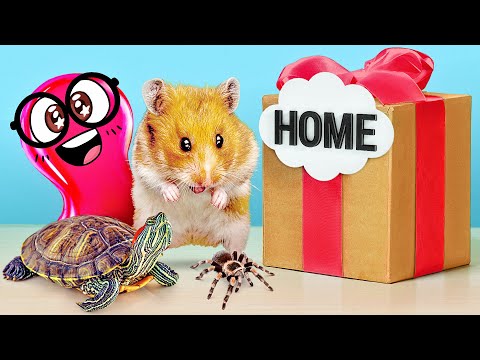
Source: SLICK SLIME SAM - DIY, Comedy, Science
Did you find this post useful or inspiring? Save THIS PIN to your Pets Board on Pinterest!

You may also like